
Planting
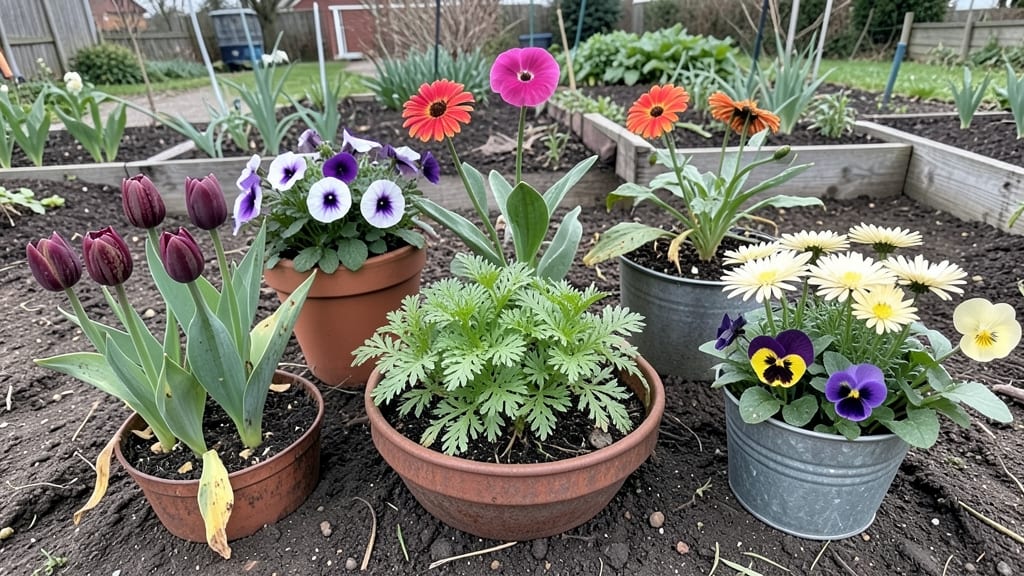
This month-by-month flower planting guide is your secret weapon for a garden that bursts with color every season—because timing turns good blooms into showstoppers. 🌸 My first attempt at a year-round display failed spectacularly when I ignored seasonal cues, but now I’ve cracked the code for planting flowers month by month, no matter your... zone.
The secret? Matching each bloom’s natural rhythm with your local climate, from frost dates to rainfall patterns. What you’ll get is a garden that stays vibrant through every season, with fewer deadheads and more pollinators.
This guide breaks down 12 essential tasks by month, tailored to temperate, tropical, and cold climates. Whether you’re prepping soil in January or deadheading in September, you’ll know exactly when to plant annuals like zinnias, perennials like coneflowers, or bulbs like daffodils.
The best part? No more guessing—just a clear schedule that adapts to your USDA zone, from Zone 3’s harsh winters to Zone 10’s mild year-round growing.
By following this calendar, you’ll see continuous color from early spring tulips to late-fall mums, with minimal effort. The key is layering plants with different bloom times and hardiness zones, so while some fade, others take over.
Think of it as a living tapestry that never skips a beat—just like the gardens I’ve built in both Zone 5 and Zone 8.
Ready to transform your garden into a nonstop floral show? The first step is picking your zone and grabbing a notebook—we’ll start with January’s prep work in two paragraphs. No more seasonal gaps, just lush blooms all year long.
📚 In This Guide
- What you need
- Instructions
- Tips and common mistakes
- Wrapping up and next steps
What you need
- ● Seeds or seedlings: Choose varieties suited to your USDA hardiness zone (e.g., annuals for summer blooms, perennials for year-round color). Start with 10–20 plants for a small garden, scaling up as needed.
- ● Potting soil: 5–10 gallons of high-quality, well-draining mix (e.g., Miracle-Gro Potting Mix or FoxFarm Ocean Forest).
- ● Containers or garden beds: For containers: 5–15 pots (6–12 inches deep) with drainage holes.
- ● For in-ground planting: 1–2 square feet per plant (adjust for spacing needs).
- ● Watering can or hose: A 1–3 gallon can with a rose nozzle for precision.
- ● Fertilizer: Balanced 10-10-10 or slow-release granules (follow package rates).
- ● Mulch: 2–3 inches of organic mulch (e.g., straw, shredded bark) to retain moisture.
- ● Gloves & knee pads: Protect your hands and joints—gardening is a labor of love!
- ● Hand trowel: 6–8 inches long for transplanting seedlings.
- ● Pruners: Bypass pruners for clean cuts (sterilize with rubbing alcohol).
- ○ Garden fork: For aerating soil (optional but helpful for perennials).
- ● Measuring tape or ruler: To maintain proper spacing.
- ● Plant labels: Waterproof tags or stakes to track varieties.
- ● Sunlight assessment: Note 6+ hours of sun (full sun) or 3–6 hours (partial shade) areas in your yard.
- ● Soil test: Check pH (ideal: 6.0–7.0) and amend with lime or sulfur if needed.
- ● Frost dates: Know your last frost date (spring) and first frost date (fall) for your zone (check Old Farmer’s Almanac).
- ● Weather forecast: Avoid planting during heatwaves or heavy rains.
- ● Seedling heat mat ($15–$25) for early starts.
- ● Drip irrigation system ($20–$50) for efficient watering.
- ● Compost bin ($50–$150) for organic fertilizer.
- ● Garden journal ($10–$20) to track progress and notes.
- ● Bird/butterfly feeders ($15–$40) to attract pollinators.
How to plan your year-round flower garden by month
Every season brings new opportunities—here's how to time your plantings for continuous color.
☀️ Step 1: Start Cool-Season Flowers in Early Spring
March is the perfect time to plant pansies, violas, and snapdragons in most climates. These hardy annuals thrive in 40-60°F soil and bloom even under light frost. I like to get them in the ground 4-6 weeks before the last frost date—this gives roots time to establish before summer heat arrives.
Work the soil to a depth of 6 inches and mix in 2-3 inches of compost to improve drainage. Space plants according to their mature size—12-18 inches apart for most cool-season annuals. Water deeply right after planting to settle the soil around roots, then maintain 1 inch of water per week until blooms appear.
🌱 Step 2: Transition to Heat-Loving Flowers in Late Spring
As temperatures climb above 60°F consistently, switch to marigolds, zinnias, and cosmos. These sun lovers need full sun (6+ hours daily) and well-drained soil. I wait until mid-May in my zone 6 garden—when nighttime temps stay above 50°F—to avoid transplant shock.
Sow seeds directly in the garden for best results. Press them ¼ inch deep and cover lightly with soil. Thin seedlings to 12-18 inches apart once they develop true leaves (not just the initial seed leaves). Mulch with 1-2 inches of straw to retain moisture and suppress weeds—critical during the hot, dry summer months.
✂️ Step 3: Summer Maintenance and Succession Planting
June through August is all about deadheading spent blooms to encourage continuous flowering. I spend 10 minutes weekly snipping back faded flowers on petunias and geraniums—this simple act keeps them producing new blooms instead of going to seed.
For gaps in your garden, succession plant with fast-growing annuals like bachelor's buttons or sweet alyssum. These fill empty spaces quickly and thrive in 70-85°F temperatures. Water deeply every 2-3 days during heatwaves, focusing on the base of plants to prevent fungal diseases from overhead watering.
🍂 Step 4: Prepare for Fall with Cool-Season Stars
September is the time to plant mums, asters, and ornamental kale for fall color. These plants need well-drained soil and full sun to partial shade, depending on the variety. I add a slow-release fertilizer at planting time to give them a nutrient boost for their final push of blooms.
Space plants 18-24 inches apart to allow for their mature size. Water 1 inch per week but reduce frequency as fall progresses. Mulch with 2-3 inches of shredded leaves to insulate roots and protect against early frosts. This layer also breaks down over winter, enriching the soil for next spring.
❄️ Step 5: Winter Prep for Next Year's Blooms
Even in winter, you can prepare for spring. December is the time to order seeds, plan your layout, and divide perennials like daylilies and hostas. I mark my garden beds with stakes and twine to outline where each plant will go—this prevents overcrowding and makes spring planting easier.
For tender perennials like canas or dahlias, dig up tubers and store them in dry peat moss in a cool, dark place. Check them monthly for rot and replant in early March when soil temperatures reach 55°F. This head start gives them time to establish before summer heat arrives.
Tips & tricks for perfect year-round flower planting
Here's what nobody tells you about keeping your garden blooming beautifully all year—these tricks save time and prevent common mistakes.
Soil Temperature Matters: The 40-60°F soil temperature range for cool-season flowers like pansies is critical. Use a soil thermometer to check before planting—cold soil can stunt root growth. I've learned the hard way that planting too early in chilly soil leads to leggy, weak plants that struggle to bloom. Wait until your soil consistently hits that 40°F minimum for best results.
Frost Date Flexibility: While the instructions suggest 4-6 weeks before last frost, I adjust this based on my microclimate. In sheltered spots, I plant cool-season flowers 2-3 weeks earlier. For exposed areas, I wait an extra week. Always check your local frost date forecast and add 1-2 weeks buffer if you're in a high-altitude area where nights get colder.
Deadheading Technique: Those 10 minutes weekly you spend deadheading aren't just about looks—they're about redirecting a plant's energy. I use clean, sharp pruners to snip just above a leaf node (where new growth emerges) rather than pulling blooms by hand. This simple technique encourages bushier growth and more flowers. For petunias, I even deadhead in the morning when dew is present to prevent stress on the plant.
Seasonal Mulch Strategy: The mulch thickness changes with seasons. In summer, I use 1-2 inches of straw to retain moisture during heatwaves, while in fall I double that to 2-3 inches of shredded leaves for insulation. Pro tip: Sprinkle a thin layer of compost over existing mulch in spring to feed your plants without disturbing roots—this gives you that extra nutrient boost without extra work.
Pro Tips for Month By Month Flower Planting Guide
- Here's what nobody tells you about keeping your garden blooming beautifully all year—these tricks save time and prevent common mistakes.
- Soil Temperature Matters: The 40-60°F soil temperature range for cool-season flowers like pansies is critical.
- Frost Date Flexibility: While the instructions suggest 4-6 weeks before last frost, I adjust this based on my microclimate.
Frequently asked questions
Got questions about timing, zones, or troubleshooting your flower garden? Here are answers to the most common concerns to help you bloom beautifully all year!
When is the best time to start planting flowers?
The best time depends on your zone and flower type! Cool-season flowers (like pansies or snapdragons) thrive in early spring or fall, while warm-season blooms (e.g., marigolds or zinnias) love summer heat. Always check seed packets for specific planting windows—some can even handle light frosts!
Can I plant flowers in winter?
Yes, but choose cold-hardy varieties like hellebores, winter jasmine, or ornamental kale. In milder zones (7-10), you can plant pansies or violas for early spring color. In colder areas, wait until spring—winter planting risks frost damage unless you use mulch or row covers for protection.
How do I adjust this guide for my specific USDA hardiness zone?
Use our interactive zone map to find your zone, then shift planting dates 2-4 weeks earlier or later based on your zone’s frost dates. For example, Zone 5 gardeners should plant cool-season flowers 4-6 weeks before the last frost, while Zone 9 may start in late winter.
What do I do if my flowers die after planting?
Don’t panic! Check for overwatering (soggy soil = root rot), underwatering (wilting = thirsty plants), or pests (chewed leaves = bugs!). Amend soil with compost, ensure proper drainage, and space plants correctly. If disease strikes, remove affected leaves and treat with neem oil or fungicide.
Can I plant flowers year-round in containers?
Containers offer flexibility—swap out seasonal blooms every 2-3 months. Use well-draining soil, water consistently, and move pots to sunny or shaded spots as needed. Just avoid planting frost-sensitive flowers (like geraniums) until after the last frost in spring.
What are good flower alternatives for low-maintenance gardens?
Try perennials (like coneflowers or daylilies) for long-term color with minimal replanting, or self-seeding annuals (e.g., cosmos or bachelor’s buttons) that reseed themselves. Succulents (like sedum) also thrive with almost no care—just full sun and occasional watering!
Wrapping up and next steps
From cool-season bulbs in winter to summer’s vibrant annuals and autumn’s hardy perennials, this month-by-month guide gives you the confidence to plant with purpose—no matter your zone! 🌸 With the right prep, timing, and care, your garden can burst into color all year long.
Whether you’re a first-time gardener or a seasoned pro, every season offers a fresh chance to nurture beauty and life.
Ready to take the next step? Start by bookingmarking your zone’s schedule and grabbing a few seeds or plants this weekend. Then, grab your gloves and get planting—your future blooms will thank you! 🌱