
Size
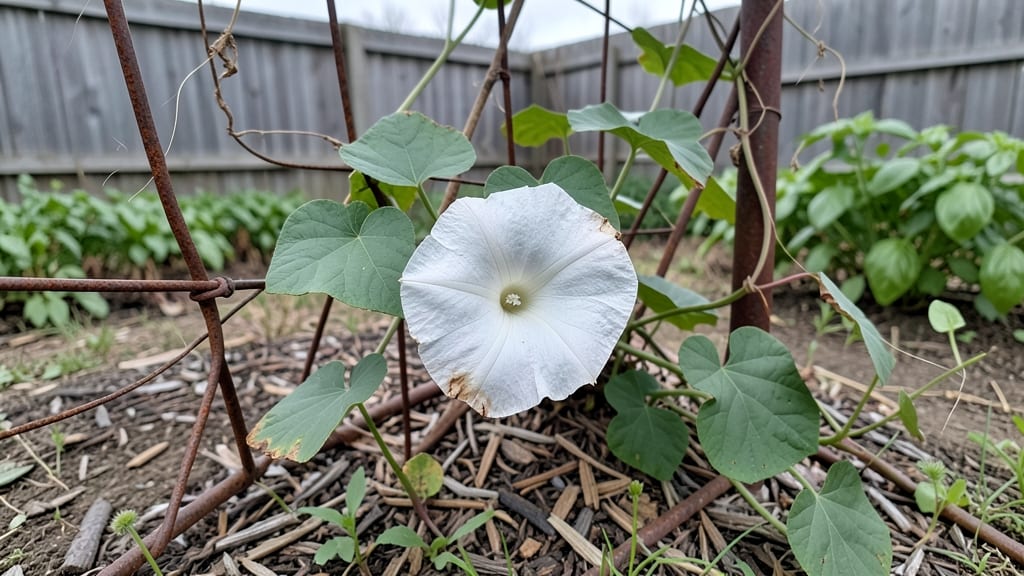
Growing moon flowers (Ipomoea alba) in your Pacific Northwest garden means fragrant white blooms that open at dusk and hummingbirds that can’t resist. 🌿 I fell for these vines after watching them transform a bare fence into a twinkling nighttime display—now I’m sharing the exact steps to grow them yourself.
The secret starts with well-draining soil and a sturdy trellis or fence—moon flowers climb aggressively but need support to show off their dramatic blooms. Plant seeds 6-8 weeks before your last frost in full sun, and keep soil consistently moist (not soggy) until established.
They’re drought-tolerant once rooted but reward consistent watering with vibrant, fragrant flowers from midsummer through fall.
What you’ll end up with is a hummingbird magnet that glows under porch lights, filling the evening air with a sweet, citrusy scent. The vines produce 3-4 inch blooms night after night, and their silvery-green leaves add texture even when flowers fade.
Prune back in early spring to encourage bushier growth, and watch as neighbors ask how you did it.
Works equally well in large garden beds or containers (with a trellis), making them perfect for patios, balconies, or even a small corner of your yard. The Pacific Northwest’s mild summers are ideal—just avoid planting in heavy clay without amending first. Ready to turn your garden into a nighttime oasis?
📚 In This Guide
- What you need
- Instructions
- Tips and common mistakes
- Wrapping up and next steps
What you need
- ● Moonflower seeds: 10–20 seeds (or 2–3 plants if buying seedlings). Look for organic or heirloom varieties for best results.
- ● Well-draining potting mix: 3–5 gallons (or enough to fill your chosen containers). A blend of 50% garden soil, 30% compost, and 20% perlite works perfectly.
- ● Containers or garden bed: Containers: 5–10 gallon pots with drainage holes (or trellises for climbing varieties).
- ● Garden bed: A sunny spot with at least 6+ hours of sunlight daily and loose, fertile soil.
- ● Trellis or support: A 6–8 ft tall bamboo trellis, wire cage, or sturdy fence for vining varieties.
- ● Watering can or hose: With a gentle spray nozzle for even moisture.
- ● Hand trowel for transplanting seedlings.
- ● Pruning shears for trimming dead foliage or shaping vines.
- ● Mulch (straw or wood chips) to retain moisture and suppress weeds.
- ● Slow-release fertilizer (balanced 10-10-10) for nutrient boosts.
- ○ pH test kit (optional) to ensure soil is slightly acidic to neutral (6.0–7.0).
- ● Climate: Moonflowers thrive in USDA Zones 10–11. In cooler PNW regions, grow them as annuals or overwinter in pots.
- ● Sunlight: Full sun (6+ hours/day) for robust blooms and vines.
- ● Water: Consistent moisture (but avoid soggy soil). Drought-tolerant once established.
- ● Patience: Seeds take 7–14 days to germinate; flowers appear in 60–90 days!
Step-by-step instructions for planting moon flowers in the Pacific Northwest
Moon flowers thrive in our region’s mild summers and long evenings—here’s how to create a fragrant nighttime oasis.
🌱 Step 1: Select the Perfect Planting Spot
Moon flowers (Ipomoea alba) need full sun to partial shade—at least 6 hours of sunlight daily—but they’ll also tolerate light shade in hotter inland areas. In the Pacific Northwest, a south-facing location with afternoon shade works best to prevent leaf scorch while maintaining blooms. Avoid low spots where cold air settles, as these plants are frost-sensitive even in our mild climate.
Test your spot by observing how much sun it gets over a week. If nearby plants show signs of stress (like crispy edges), the area gets too much sun. Moon flowers also love well-draining soil—amend heavy clay with 2-3 inches of compost to improve aeration. I always dig in a handful of aged manure or worm castings at planting time for extra nutrients.
🪴 Step 2: Prepare the Soil and Plant Seeds or Transplants
If starting from seed, sow ¼ inch deep in late spring after the last frost (usually mid-May in most of the PNW). Space seeds 12-18 inches apart—they’ll sprawl as vines, so give them room to climb or spread. For faster results, transplant 6-inch seedlings in early summer (June) once soil warms to 60°F. Moon flowers are tender annuals, so don’t plant too early.
Create a small mound of soil for each plant to improve drainage. Gently loosen the roots if transplanting and place the seedling so the top of the root ball sits just below soil level. Press lightly around the base to eliminate air pockets. Water deeply right after planting—1 gallon per plant—to help roots establish. Mulch with 2 inches of straw or shredded bark to retain moisture and suppress weeds.
☀️ Step 3: Provide Support and Encourage Vigorous Growth
Moon flowers are twining vines, so they’ll need support to climb. Install 5-6 foot tall trellises, arbors, or sturdy stakes at planting time. I like using bamboo stakes or wire cages for a natural look. As vines grow, gently weave them around the support—don’t force them, or they’ll snap. You’ll see rapid growth once established, with 6-8 inch vines per week in ideal conditions.
Feed plants every 4-6 weeks with a balanced liquid fertilizer (10-10-10) diluted to half strength. Too much nitrogen makes foliage lush but blooms sparse. Watch for yellowing leaves—a sign of overwatering or poor drainage. Water at the base of the plant in the morning to reduce fungal risks. Deadhead spent blooms to encourage more flowers, but leave some for seed if you want next year’s plants.
🌿 Step 4: Maintain Through Summer for Maximum Blooms
Moon flowers bloom after sunset, opening their creamy white, 4-inch flowers in the evening and closing by mid-morning. To keep them thriving, prune leggy growth in early summer to encourage bushier vines. Pinch back the tips of new growth to just above a leaf node—this triggers branching and more blooms. Avoid heavy pruning late in the season, as it reduces flowering.
Watch for aphids or spider mites, which love the soft new growth. Spray infested areas with neem oil or insecticidal soap at the first sign of pests. Hummingbirds will visit daily once flowers open—place a shallow dish of water nearby to attract them. In late summer, reduce watering slightly to harden off plants for fall. They’ll keep blooming until the first frost, which usually hits October in the PNW.
Tips & tricks for perfect moon flower planting in the Pacific Northwest
Creating a thriving moon flower garden takes a few strategic moves that make all the difference in our PNW climate.
Sunlight Strategy: While moon flowers need at least 6 hours of sunlight daily, I've learned that in the Pacific Northwest's cooler summers, they actually perform better with morning sun and afternoon shade. This prevents leaf scorch while still giving them enough energy for those stunning nighttime blooms. If you're in a hot inland area, focus on afternoon shade to protect the delicate leaves.
Soil Preparation: The 2-3 inches of compost recommendation is non-negotiable for our heavy clay soils. I always add a handful of worm castings too—they contain beneficial microbes that help roots establish faster. For container growing, use a mix of potting soil and perlite to ensure excellent drainage, which moon flowers absolutely crave.
Planting Timing: That mid-May planting window for seeds is perfect for our region, but don't rush it! Wait until soil reaches at least 60°F—you can check this with a soil thermometer. Cold soil slows germination and makes young plants vulnerable to rot. If you're transplanting seedlings, June's warmer soil gives them a better start.
Support System: Install those 5-6 foot trellises early—before vines get too heavy. I've seen moon flowers snap their own stems when trying to climb unsupported growth. For a more natural look, use bamboo stakes or wire cages that allow the vines to twine naturally. The 6-8 inch weekly growth rate means you'll need sturdy supports to handle their rapid ascent!
Pro Tips for Moon Flower Grow A Garden
- Creating a thriving moon flower garden takes a few strategic moves that make all the difference in our PNW climate.
- Sunlight Strategy: While moon flowers need at least 6 hours of sunlight daily, I've learned that in the Pacific Northwest's cooler summers, they actually perform better with morning sun and afternoon shade.
- Soil Preparation: The 2-3 inches of compost recommendation is non-negotiable for our heavy clay soils.
Frequently asked questions
Got questions about cultivating moon flowers in your Pacific Northwest garden? You’re not alone! Here are some of the most common queries—and their answers—to help you grow these enchanting night-bloomers with confidence.
When is the best time to plant moon flower seeds in the PNW?
Moon flowers (Ipomoea alba) thrive in warm soil, so wait until after the last frost (typically late May to early June in the PNW). Start seeds indoors 4–6 weeks earlier if you’re eager to get a head start. These vines grow fast—plant them in full sun for optimal blooms!
Can moon flowers survive the Pacific Northwest’s cooler nights?
While moon flowers are tender perennials, they’re annuals in most of the PNW. They’ll die back with hard frosts (below 32°F), but their seeds often reseed naturally. For repeat blooms, plant new seeds yearly or grow them as container plants to move indoors before winter.
What’s the easiest way to grow moon flowers from seed?
Moon flower seeds are large and easy to handle—just press them lightly into moist soil (½ inch deep) and keep them warm. They germinate in 7–14 days with consistent moisture. For faster results, soak seeds overnight before planting. Thin seedlings to 6–12 inches apart for strong vines!
Why aren’t my moon flowers attracting hummingbirds?
Check these common fixes:
- Timing: Hummingbirds love moon flowers at night—plant near a porch light or use a blacklight to mimic moonlight.
- Location: Place vines where hummers already visit (e.g., near feeders or other nectar plants).
- Health: Wilting or pest-damaged blooms won’t attract pollinators. Ensure healthy, vibrant flowers with regular watering.
Are there moon flower alternatives for smaller gardens?
If space is tight, try these hummingbird-friendly night bloomers:
- Evening Primrose (Oenothera spp.) – Compact, fragrant, and drought-tolerant.
- Four O’Clocks (Mirabilis jalapa) – Colorful, easy-to-grow annuals.
- Nicotiana (flowering tobacco) – Fast-growing and highly fragrant at night.
Wrapping up and next steps
Growing moonflowers in your Pacific Northwest garden is a rewarding way to attract hummingbirds, fill your evenings with enchanting fragrance, and embrace the beauty of nature’s fleeting blooms. 🌙✨ With the right soil, sunlight, and care, these delicate plants will thrive—and soon, your garden will become a magical nighttime sanctuary.
Ready to take the next step? Start small with a few seeds or cuttings this season, and watch your garden transform into a hummingbird haven!