
Container Gardens
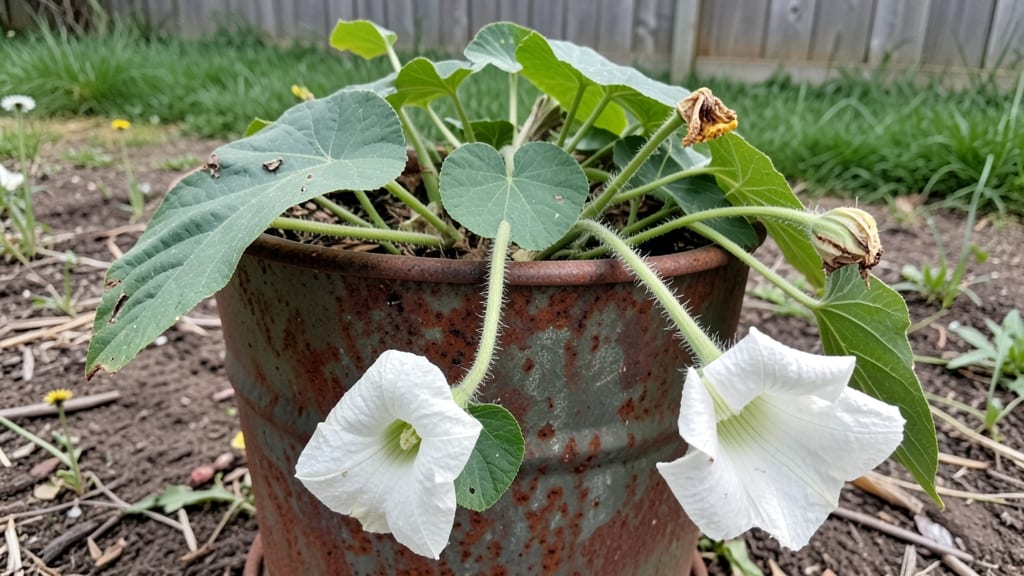
Growing moonflower in pots lets you enjoy those dramatic, fragrant nighttime blooms even on a patio or balcony—no yard required. 🌙 I’ve watched these vines unfurl within two weeks of planting, their silvery leaves and creamy white trumpets emerging like magic after sunset.
The key isn’t just the pot size or soil mix, but timing: these tropical climbers need heat to trigger their rapid growth, and containers let you control that environment better than in-ground planting ever could.
You’ll need 5-gallon pots or larger (bigger containers mean fewer wilting episodes) filled with well-draining potting mix—moonflowers hate soggy roots. A trellis or sturdy stake is non-negotiable; these vines can reach 10–15 feet if left unchecked, and they’ll smother anything in their path.
Watering’s the trickiest part: keep the soil evenly moist but never soggy, and always water at the base to avoid fungal issues. The real secret? Morning sunlight for 4–6 hours daily, then shade to prevent leaf scorch.
By midsummer, you’ll have a living lantern of blooms that open at dusk and close by dawn, their intoxicating scent drawing moths and hummingbirds to your space.
The vines are annuals, so they’ll die back after frost, but they self-seed aggressively—meaning you’ll likely get volunteer plants popping up next year with almost no effort. The trade-off? They’re short-lived but spectacular, making them perfect for renters or anyone who wants drama without commitment.
Common mistakes? Overwatering (the #1 killer) or letting them dry out completely. Yellow leaves? Too much sun. No blooms? Not enough heat. But once you nail the balance, you’ll have a moonlit garden party every evening—all from a single pot. Here’s how to keep them thriving until frost.
📚 In This Guide
- What you need
- Instructions
- Tips and common mistakes
- Wrapping up and next steps
What you need
- ● Moonflower seeds: 3–5 seeds per pot (or 1–2 seeds if you prefer a single vine). Opt for organic, non-GMO seeds for the best results.
- ● Containers: Size: At least 12–18 inches deep and 10–12 inches wide (larger pots = more support for vines).
- ● Material: Terracotta (breathable) or fabric pots (prevents root circling). Avoid shallow planters—they’ll stunt growth!
- ● Drainage: Mandatory! Ensure pots have drainage holes or add a layer of pebbles at the bottom.
- ● Well-draining potting mix: 1 bag (5–10 quarts) of a lightweight, airy mix (e.g., 60% potting soil + 30% perlite + 10% compost). Avoid garden soil—it’s too dense!
- ● Support structure: Trellis, cage, or obelisk: Height: 5–8 feet (moonflowers can grow 10–15 feet in a season!).
- ● Alternative: A sturdy bamboo stake or twine tied to a fence (if outdoors).
- ● Basic gardening tools: Trowel or small shovel
- ○ Gloves (optional but recommended—moonflower vines can be prickly!)
- ● Watering can or spray bottle: With a gentle spray nozzle for seedlings.
- ○ Fertilizer (optional but helpful): Balanced liquid fertilizer (e.g., 10-10-10) or compost tea for organic growth.
- ● Apply every 4–6 weeks during the growing season.
- ○ Mulch (optional): Straw or shredded leaves to retain moisture and suppress weeds.
- ● Pruning shears: For trimming dead leaves or shaping vines later in the season.
- ● Location: Full sun (6+ hours/day) for best blooms. Partial shade (4–6 hours) works in hot climates.
- ● Climate: Warm-season plant (after last frost, typically Zone 9–11). In cooler zones, start seeds indoors 2–3 weeks before transplanting.
- ● Patience: Seeds take 7–14 days to germinate and 60–90 days to bloom!
Step-by-Step guide to growing moonflowers in containers
Here's how to cultivate these fast-climbing vines with stunning night-blooming flowers in limited space.
🪴 Step 1: Select and Prepare the Right Containers
Moonflowers need at least 12-inch deep containers with drainage holes—these vines grow aggressively and require room for their extensive root systems. I recommend fabric grow bags or large ceramic pots with 3-4 gallons capacity per plant to accommodate their rapid growth. Fill the bottom third with garden stones or broken pottery to ensure proper drainage.
Use a well-draining potting mix that combines 50% premium potting soil, 30% perlite, and 20% compost. This blend prevents waterlogging while providing the nutrients moonflowers crave. Tap the container gently after filling to eliminate air pockets, then water thoroughly until moisture runs freely from the drainage holes.
🌱 Step 2: Plant Seeds or Transplants at the Right Time
For fastest results, plant transplants after your last frost date when soil reaches at least 65°F. If starting from seed, sow 4-6 weeks before your warm season begins—moonflowers germinate best in warm soil (70-80°F). Plant 2-3 seeds per container at a depth of ½ inch, spacing them 6 inches apart to allow for their sprawling habit.
Cover lightly with additional mix and mist gently until the soil surface looks uniformly damp. Place containers in a warm, shaded area until germination, which typically occurs in 7-14 days. Thin to the strongest seedling once first true leaves appear—don't rush this step, as crowded roots stunt growth.
☀️ Step 3: Provide Optimal Light and Support
Moonflowers thrive in full sun (6+ hours daily) but tolerate partial shade in hot climates. Position containers where they'll receive morning sun and afternoon shade if temperatures exceed 85°F. These vines grow 8-10 feet per season, so install a strong trellis or tall stake immediately after planting to support their rapid vertical growth.
Weave young vines through the trellis as they emerge—this prevents root disturbance later. You'll notice new tendrils forming daily during peak growth; gently guide these toward the support structure. Use soft plant ties to secure stems without restricting circulation, adjusting as the vine elongates.
💧 Step 4: Water and Fertilize for Fast, Healthy Growth
Keep soil evenly moist but never soggy—moonflowers wilt quickly when thirsty but recover fast once rehydrated. Water deeply when the top 2 inches feel dry, aiming for 1-2 gallons per container during hot weather. I water in the early morning to reduce evaporation and fungal risks.
Fertilize every 4 weeks with a balanced liquid fertilizer (10-10-10) diluted to half-strength. Stop fertilizing 6 weeks before first frost to encourage flowering. You'll see rapid vine elongation within weeks—this is normal! The key is maintaining consistent moisture and support as the plant climbs.
⏰ Step 5: Encourage Blooms and Prepare for Seasonal Changes
Moonflowers typically bloom 60-90 days after planting, with flowers opening only at night and wilting by morning. To prolong flowering, prune spent blooms (those that've wilted by sunrise) by cutting back to the nearest leaf node. This encourages continuous production of new flowers throughout the season.
As temperatures drop below 50°F, growth slows dramatically. In fall, reduce watering but keep soil slightly moist. If frost threatens, move containers to a sheltered location or cover with frost cloth—moonflowers are tender perennials and won't survive freezing temperatures. In warm climates, they may reseed prolifically for next season's display.
Tips & tricks for perfect moonflower in pots
Moonflowers are fast growers, but their success depends on these key details that make all the difference between healthy vines and frustrated gardeners.
Container Depth Matters: That 12-inch minimum depth in Step 1 isn't arbitrary—moonflowers develop extensive root systems that need room to spread. I've seen shallow containers stunt growth completely, even with perfect care. If your pots are shallower, nest them inside larger containers with drainage holes to create extra root space.
Soil Temperature is Critical: The 65°F soil temperature threshold in Step 2 is non-negotiable for transplants. Use a soil thermometer to verify—cold soil slows root establishment. For seeds, that 70-80°F range is ideal for germination. If your spring nights are chilly, consider using black plastic mulch around containers to warm the soil faster.
Light Balance is Key: While moonflowers love full sun, the afternoon shade recommendation in Step 3 is crucial in hot climates. I've watched vines wilt dramatically in direct afternoon sun above 85°F—even with regular watering. Position containers where they get morning sun and afternoon shade to prevent heat stress while still promoting vigorous growth.
Pruning Strategy for Blooms: That spent bloom pruning in Step 5 isn't just about looks—it's about redirecting the plant's energy. I've seen moonflowers produce flowers continuously for months when pruned correctly, while neglected plants focus all their energy on seed production. Cut back to the nearest leaf node to encourage new growth from that point rather than just the tip.
Pro Tips for Moonflower In Pots
- Moonflowers are fast growers, but their success depends on these key details that make all the difference between healthy vines and frustrated gardeners.
- Container Depth Matters: That 12-inch minimum depth in Step 1 isn't arbitrary—moonflowers develop extensive root systems that need room to spread.
- Soil Temperature is Critical: The 65°F soil temperature threshold in Step 2 is non-negotiable for transplants.
Frequently asked questions
Got questions about growing moonflowers in pots? You’re not alone! Here are some of the most common concerns—plus quick, practical answers to help your vine thrive.
Can moonflowers grow well in pots long-term?
Moonflowers (Ipomoea alba) are annuals with fast-growing vines, but they can thrive in pots for a full season with the right care. Choose a large container (at least 12–15 inches deep) with drainage holes, and use well-draining potting mix. Just be ready to replace them yearly—they’re not perennial in most climates. Pro tip: Add a trellis or cage early to support their rapid growth!
How quickly do moonflowers bloom in pots?
With ideal conditions (full sun, warmth, and consistent watering), moonflowers can bloom in as little as 6–8 weeks from seed! If you start with young plants, expect flowers within 4–6 weeks. Nighttime temperatures above 70°F (21°C) and bright sunlight are key to speeding up blooms. Patience pays off—those first moonlit blooms are magical!
Why aren’t my potted moonflowers blooming?
No blooms? Check these common culprits:
- Not enough sun: Moonflowers need 6+ hours of direct sunlight daily—move your pot to a sunnier spot.
- Overcrowding: Thin seedlings or repot if roots are circling. They need space to grow!
- Too much nitrogen: Fertilize lightly with a balanced or low-nitrogen formula (like 5-10-10) to encourage flowers over foliage.
- Cool temps: They wilt below 50°F (10°C)—keep them warm at night.
What’s a good alternative if moonflowers don’t work in my climate?
If your zone is too cold or dry for moonflowers, try these potted vine alternatives with similar drama:
- Morning glories (Ipomoea purpurea): Hardier, faster-growing, and equally showy!
- Black-eyed Susan vine (Thunbergia alata): Bright orange blooms and heat-tolerant.
- Cup-and-saucer vine (Cobaea scandens): Unique bell-shaped flowers (needs more shade).
- Nasturtiums (Tropaeolum): Edible, edible, and edible—plus, they trail beautifully.
Are potted moonflowers prone to pests or diseases?
Moonflowers are generally pest-resistant, but watch for:
- Aphids or spider mites: Spray with water or neem oil if you spot sticky residue or tiny webs.
- Powdery mildew: Improve airflow and avoid overhead watering to prevent this fungal issue.
- Root rot: Ensure your pot has drainage holes and never let it sit in soggy soil.
Wrapping up and next steps
Growing moonflower in pots is a rewarding way to bring enchanting nighttime blooms to your balcony, patio, or garden. With the right container, soil, and care, these fast-growing vines will thrive and reward you with stunning, fragrant flowers—perfect for adding magic to your evenings. 🌙✨
Ready to transform your space? Start by choosing your pot and following the steps above, then enjoy watching your moonflower vine climb, bloom, and create a dreamy atmosphere. Happy gardening! 🌱