
Container Gardens
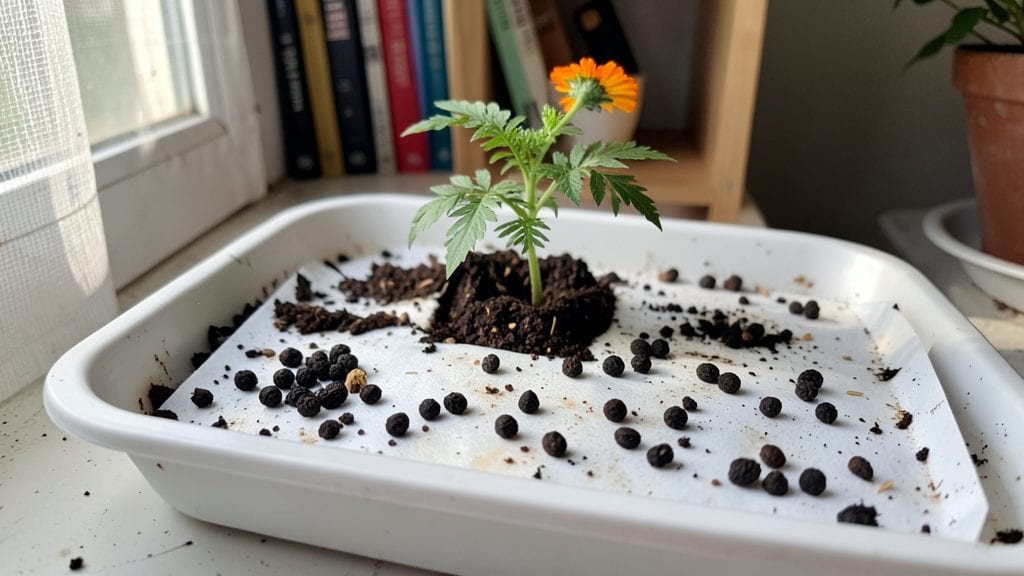
Planting flower seeds indoors lets you beat the season and grow vibrant blooms from tiny starter kits. 🌱 I learned the hard way—my first batch of zinnias nearly gave up when they hit the cool glass window, but adjusting light and warmth changed everything.
The secret isn’t fancy equipment; it’s matching their needs to your space.
You’ll need seed-starting mix, small pots, and a sunny spot (or grow light), plus patience for 6-8 weeks until those first buds appear. No greenhouse? No problem—my kitchen windowsill setup produces stronger seedlings than half the nursery plants I’ve bought.
The key is keeping soil moist but not soggy and avoiding drafts that stunt growth.
What you’ll end up with are stocky, dark-green seedlings ready to outpace anything from a garden center. By late spring, those same tiny seeds will burst into full-size blooms—think bright zinnias, delicate petunias, or bold marigolds—all because you gave them the right start indoors.
The best part? You’ll know exactly how they grew.
Works for annuals, perennials, and even some herbs—just adjust timing based on your last frost date. Here’s how to avoid the most common pitfalls and keep your seedlings thriving until transplant day.
📚 In This Guide
- What you need
- Instructions
- Tips and common mistakes
- Wrapping up and next steps
What you need
- ● Flower seeds: Choose fast-growing varieties like marigolds, pansies, or petunias (1–2 packets, ~100–200 seeds total).
- ● Seed-starting trays or small pots: 2–4 inch pots or a 1020-cell tray (biodegradable or plastic).
- ● Seed-starting mix: Lightweight, sterile mix (avoid garden soil—it’s too dense!). 1–2 bags (1–2 cubic feet).
- ● Grow lights or sunny windowsill: A full-spectrum LED grow light (12–16 hrs/day) or a south-facing window (6+ hours of sunlight).
- ● Spray bottle: For gentle watering (8–16 oz, with a fine mist nozzle).
- ○ Plastic wrap or humidity dome: To retain moisture (optional but helpful for germination).
- ● Heating mat: Speeds up germination (70–75°F ideal).
- ● Fertilizer: Water-soluble, balanced formula (5-10-5 NPK ratio).
- ● Labels & markers: Track seed types (or use toothpicks + tape!).
- ● Tweezers: For delicate seed placement.
- ● Fan: Light airflow to prevent mold (run 20 mins/day after germination).
How to plant flower seeds indoors for reliable blooms
Here's the straightforward method I use every season to turn tiny seeds into vibrant flowers.
🌱 Step 1: Prepare Your Containers and Seed Starting Mix
Use clean 4-inch diameter pots with drainage holes—smaller pots prevent overcrowding while you wait for germination. I like to reuse plastic nursery pots because they're lightweight and stack well. Fill each pot with 1 inch of quality seed-starting mix, pressing it down gently until firm but not compacted. The mix should feel like a damp sponge—moist enough to hold together but not dripping.
This ensures roots establish quickly without struggling through dense soil. I always moisten the mix first because dry soil clumps around seeds, making them hard to plant evenly. Tap the pot gently on your work surface to settle the soil before adding seeds.
🌱 Step 2: Plant Seeds at the Correct Depth and Spacing
Check your seed packet for depth requirements—most annual flowers need planting twice as deep as the seed's diameter. For tiny seeds like petunias, that's just a light press into the surface. Use a toothpick to create small holes if needed, then place 1-2 seeds per pot to account for germination variability. I tap the seed packet gently to release one seed at a time—planting too many in one hole leads to weak, crowded seedlings.
Cover seeds with a thin layer of the same mix, using the back of a spoon to pat it lightly. Don't press too hard or you'll bury seeds too deep. For delicate seeds like snapdragons, I sprinkle a pinch of vermiculite over the top to help retain moisture while preventing soil crusting.
💧 Step 3: Provide Warmth and Consistent Moisture
Place pots in a humidity dome or cover with plastic wrap to create a greenhouse effect—this keeps seeds warm and moist until germination. I set them on a seedling heat mat to maintain 70-75°F soil temperature, which speeds up germination. Most flower seeds sprout in 7-14 days, though some like cosmos can take up to 3 weeks.
Check daily but resist watering until condensation forms on the inside of the dome. Once you see the first sprouts, remove the cover immediately—excess moisture around seedlings invites damping-off disease. Water from the bottom by placing pots in ½ inch of water for 10 minutes to encourage strong root development.
☀️ Step 4: Move to Bright Light and Harden Off Seedlings
As soon as seedlings show their first true leaves (not the initial seed leaves), move them under grow lights or to a south-facing window. I use a simple LED grow light on a timer for 14 hours daily. Without enough light, seedlings stretch toward the window and become weak—you'll see this as long, pale stems with leaves spaced far apart.
After 2 weeks of growth, start hardening off by placing pots outside in a sheltered spot for 1 hour daily. Gradually increase time over 7-10 days until seedlings can stay out overnight. This prepares them for transplanting and prevents shock when you move them to the garden.
Tips & tricks for planting flower seeds indoors
Here's what I've learned after years of growing vibrant flowers from tiny seeds—these tricks make all the difference between weak seedlings and thriving blooms.
Soil Preparation Secret: In Step 1, don't just add water to dry mix—moisten it thoroughly first, then let it drain completely before planting. I spread the damp mix on a tray and let it sit for 10 minutes to even out moisture. This prevents clumping around seeds and gives roots a perfect starting environment. The goal is "damp sponge" texture, not soggy.
Seed Spacing Strategy: For Step 2, I use a different approach for different seed sizes: tiny seeds like petunias get 1 seed per pot, while larger seeds like marigolds get 1-2. The key is spacing them so they won't compete—crowded seedlings stretch and weaken. If you're planting multiple seeds in one pot, thin to the strongest sprout once they sprout to avoid competition.
Warmth Timing: That 70-75°F soil temperature in Step 3 is non-negotiable for speedy germination. I use a seedling heat mat under my pots and keep it plugged in constantly. For seeds that take longer to sprout (like cosmos), I don't remove the heat mat until I see sprouts—sometimes that's 3 weeks! The heat mat makes all the difference in cool spring kitchens.
Light Transition Tip: When moving to grow lights in Step 4, start with 12 hours of light for the first week, then gradually increase to 14 hours. I notice seedlings that get too much light too soon develop yellow leaves from stress. Also, keep lights 2-3 inches above seedlings—they'll grow toward the light if they're too far away.
Pro Tips for Planting Flower Seeds Indoors
- Here's what I've learned after years of growing vibrant flowers from tiny seeds—these tricks make all the difference between weak seedlings and thriving blooms.
- Soil Preparation Secret: In Step 1, don't just add water to dry mix—moisten it thoroughly first, then let it drain completely before planting.
- Seed Spacing Strategy: For Step 2, I use a different approach for different seed sizes: tiny seeds like petunias get 1 seed per pot, while larger seeds like marigolds get 1-2.
Frequently asked questions
Got questions about growing flowers from seeds indoors? You’re not alone! Here are some of the most common queries—and their easy answers—to help you avoid pitfalls and bloom with confidence.
How long does it take for flower seeds to sprout indoors?
Sprouting time varies by plant, but most flower seeds (like marigolds, zinnias, or pansies) typically appear in 5–14 days. Check the seed packet for specifics—some, like nasturtiums, can sprout in just 3–5 days, while others (like delphiniums) may take 3–4 weeks. Keep soil warm (70–85°F) and moist but not soggy for the best results!
Can I use regular potting soil for indoor flower seeds?
Yes, but opt for a seed-starting mix (lightweight and sterile) to prevent damping-off disease. Regular potting soil can be too dense, which may suffocate tiny roots. Mix in perlite or vermiculite (10–20%) for better drainage if using standard soil. Pro tip: Avoid garden soil—it often carries pests or pathogens!
What’s the best time of year to start planting flower seeds indoors?
Timing depends on your climate and flower type! For cool-season flowers (like snapdragons or sweet peas), start 8–10 weeks before the last frost. For warm-season blooms (like petunias or geraniums), wait until 4–6 weeks before frost. Use a frost date calculator to plan—most seeds need 6–12 weeks indoors before transplanting outdoors.
Why aren’t my flower seeds germinating? Troubleshooting tips!
If seeds aren’t sprouting, check these fixes:
- Temperature: Too cold? Move trays to a warmer spot (like near a sunny window or under grow lights).
- Moisture: Soil too dry? Mist gently or use a spray bottle. Too wet? Let it dry slightly before retrying.
- Depth: Planted too deep? Most seeds need only 2x their width of soil coverage.
- Freshness: Old seeds (over 1–2 years) may fail—test viability by soaking in water (good seeds sink).
- Light: Need darkness? Some seeds (like poppies) germinate better in the dark—cover lightly with soil.
What are the easiest flower seeds to grow indoors for beginners?
Start with these low-maintenance, fast-growing picks:
Flower
Days to Sprout
Days to Bloom
Marigolds
5–10
60–75
Zinnias
7–14
60–80
Nasturtiums
3–5
45–60
Pansies
7–14
60–70
Sunflowers (dwarf varieties)
7–14
70–90
Bonus: These thrive in bright indirect light and don’t need fancy setups!
Wrapping up and next steps
Planting flower seeds indoors is a rewarding journey that brings life, color, and joy right to your windowsill! 🌱 With the right tools, patience, and care, you can transform tiny seeds into vibrant blooms—perfect for brightening up any space.
Whether you're a beginner or a seasoned green thumb, every seed you plant is a step toward a greener, happier home.
Now that you’re armed with tips and tricks, take the next step: grab your supplies, pick your favorite seeds, and start sowing! Watch your indoor garden grow, and soon, you’ll be surrounded by the beauty of nature—all thanks to your green-thumb efforts. Happy planting! 🌸