
Aphids
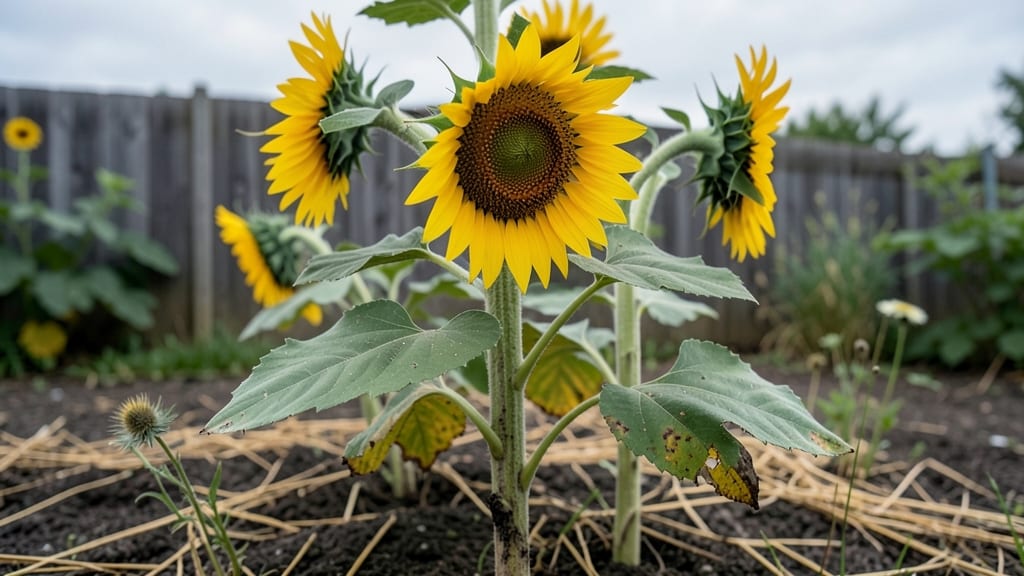
Growing multiple-headed sunflowers turns one plant into a sunlit spectacle—each stem producing three to five blooms instead of just one. 🌻 I planted my first batch after seeing how aphids ravaged my single-headed varieties, and these hardy plants fought back with extra resilience.
The secret lies in choosing the right variety and giving them the perfect growing conditions.
You'll need full sun (at least 6-8 hours daily), well-draining soil, and consistent moisture—no fancy equipment required. Start seeds indoors 4-6 weeks before your last frost or sow directly in spring when soil reaches 60°F.
The key to multiple heads? Pruning back early blooms encourages side shoots to develop, multiplying your harvest effortlessly.
By midsummer, you'll have towering stems bursting with bright yellow or bi-color blooms, each capable of producing seeds for next year. The aphid resistance means fewer pesticides and more time admiring your garden's golden crown. These sunflowers aren't just pretty—they're productive powerhouses that keep giving all season.
Works in containers or garden beds, and thrives in zones 3-10. Whether you're a beginner or seasoned gardener, this variety delivers low-maintenance beauty with high rewards. Let's get those seeds in the ground!
📚 In This Guide
- What you need
- Instructions
- Tips and common mistakes
- Wrapping up and next steps
What you need
- ● Sunflower seeds: Choose aphid-resistant varieties like ‘Moulin Rouge’ or ‘Autumn Beauty’ (20–50 seeds, depending on space).
- ● Well-draining potting mix or garden soil: 5–10 gallons (or enough to fill containers 12+ inches deep).
- ● Containers or garden plot: For containers: 5–7 gallon pots (1 per seedling) with drainage holes.
- ● For in-ground: Full sun (6+ hours daily) and loose, fertile soil.
- ● Watering can or hose with a gentle spray nozzle.
- ● Organic aphid deterrent: Neem oil (1 tsp per quart of water) or insecticidal soap.
- ○ Fertilizer (optional but recommended): Balanced 10-10-10 or compost (1 cup per plant at planting).
- ● Gloves (to protect hands from thorns and soil).
- ● Trowel or small shovel (for transplanting).
- ● Pruning shears (to encourage multiple heads—snip spent blooms!).
- ● Stakes or cages (for tall varieties to prevent flopping).
- ● Mulch (straw or shredded leaves to retain moisture).
- ○ pH test kit (optional: ideal soil pH is 6.0–7.0).
Step-by-step guide to growing multiple-headed sunflowers
Here's how to coax those dramatic, branching sunflower blooms that turn one plant into a floral spectacle.
🌱 Step 1: Select the Right Varieties and Start Seeds Early
Choose multiple-headed sunflower varieties like 'Autumn Beauty' or 'Russian Giant'—these naturally produce secondary stems. I start seeds indoors 8-10 weeks before last frost using biodegradable peat pots (they eliminate transplant shock). Fill pots with sterile seed-starting mix and plant 2 seeds per pot at ½-inch depth—this ensures strong germination even if one seed fails.
Keep the soil consistently moist but never soggy. A seedling heat mat speeds germination to 7-14 days at 70-75°F. Once seedlings show first true leaves, thin to the strongest one per pot. This early start gives roots time to establish before outdoor planting, which is critical for those heavy flower heads.
☀️ Step 2: Harden Off and Transplant for Maximum Branching
Begin hardening off 10-14 days before transplanting by placing pots outside in partial shade for 2 hours daily, gradually increasing to full sun. Watch for sturdy stems and deep green leaves—these indicate readiness. Transplant when soil reaches 60°F and night temperatures stay above 50°F, using a trowel to create holes twice as wide as the root ball.
Space plants 18-24 inches apart in full sun (at least 6-8 hours daily). The key to multiple heads is pruning: When the main stem reaches 3-4 feet tall, cut the top 6-8 inches above a lateral bud. This redirects energy to side branches, producing 2-5 additional flower heads per plant. I use clean, sharp scissors to avoid tearing stems.
💧 Step 3: Water and Fertilize for Aphid Resistance and Blooms
Water deeply 2-3 times per week, aiming for 1-2 inches of moisture per session. Let the top 2 inches of soil dry between waterings—this prevents fungal diseases that stress plants and reduce branching. I water at soil level (not overhead) to deter aphids, which are less attracted to dry foliage. A balanced 10-10-10 fertilizer applied every 4 weeks encourages robust growth without excessive leafiness.
Watch for yellowing leaves—this signals either overwatering or nutrient deficiency. If aphids appear (common on sunflowers), spray with neem oil or introduce ladybugs. Healthy plants naturally repel pests better than stressed ones. The first flower buds appear 8-10 weeks after transplanting, signaling the plant is ready for its branching phase.
✂️ Step 4: Prune and Support for Maximum Blooms
As side branches form, continue pruning spent flower heads to encourage new blooms. Use clean pruners to cut stems at a 45-degree angle just above a leaf node. This prevents disease entry and stimulates lateral growth. For tall varieties, install stakes or cages at planting to support 6-8 foot stems—sunflowers with multiple heads can topple easily.
Harvest fully open blooms by cutting stems at a 45-degree angle below the flower head. Display them immediately in deep water (sunflowers drink 1-2 quarts daily). To extend the season, deadhead wilted blooms and fertilize lightly—this often produces a second flush of flowers on well-established plants. With proper care, one plant can yield 5-10 blooms over its lifetime.
Tips & tricks for perfect multiple-headed sunflowers
These game-changing strategies will help you transform ordinary sunflowers into aphid-resistant, multi-blooming showstoppers.
Variety Selection: Stick with proven multiple-headed varieties like 'Autumn Beauty' or 'Russian Giant'—these specifically develop secondary stems when given the right care. I've found that avoiding hybrid varieties with single-head claims is crucial; they simply won't produce the branching you're after. The right genetics are your foundation for success.
Timing Secret: That 8-10 week indoor start might seem early, but it's non-negotiable for establishing strong roots before transplant. I've learned the hard way that rushing this step leads to weak stems that can't support multiple flower heads. Use a seedling heat mat to maintain consistent 70-75°F temperatures during germination—this cuts your waiting time from 14 days to just 7-10 days.
Pruning Precision: When pruning your 3-4 foot main stem, make your cut exactly 6-8 inches above a lateral bud—not higher, not lower. This precise measurement ensures the plant redirects energy to the right spot for new branches. I use clean, sharp scissors and make the cut at a 45-degree angle to prevent disease entry through the wound.
Watering Wisdom: The 2-3 times per week guideline works best when you're aiming for 1-2 inches of moisture per session. Here's the trick: water at soil level rather than overhead to deter aphids. I've noticed that sunflowers with dry foliage attract fewer pests—it's like they're less appealing to aphids when they're not constantly damp. Let the top 2 inches dry between waterings to prevent fungal diseases that stress plants and reduce branching.
Pro Tips for Multiple Headed Sunflowers
- These game-changing strategies will help you transform ordinary sunflowers into aphid-resistant, multi-blooming showstoppers.
- Variety Selection: Stick with proven multiple-headed varieties like 'Autumn Beauty' or 'Russian Giant'—these specifically develop secondary stems when given the right care.
- Timing Secret: That 8-10 week indoor start might seem early, but it's non-negotiable for establishing strong roots before transplant.
Frequently asked questions
Got questions about growing multiple-headed sunflowers? You’re not alone!
Here are answers to the most common queries—from troubleshooting to timing—so you can cultivate these aphid-resistant beauties with confidence.
How do I encourage my sunflowers to grow multiple heads?
Prune the first flower head when it’s just starting to bloom (about 2–3 inches wide). This redirects energy to side buds, often producing 2–4 additional heads per stem. Use clean, sharp shears and avoid damaging the main stem.
When is the best time to harvest multiple-headed sunflowers?
Harvest individual heads when their petals fully open but before they droop. For seeds, wait until the back turns yellow and the heads feel light (usually 30–50 days after flowering). Morning harvests prevent bird damage!
Are multiple-headed sunflowers truly aphid-resistant?
While they’re less attractive to aphids than single-head varieties, they’re not immune. Monitor leaves for sticky residue (honeydew) and spray with soapy water or neem oil if needed. Companion planting with marigolds or basil can deter pests naturally.
Can I grow multiple-headed sunflowers in containers?
Yes! Choose dwarf varieties (like ‘Moulin Rouge’ or ‘Teddy Bear’) and use containers at least 12 inches deep with well-draining soil. Ensure full sun (6+ hours/day) and stake tall varieties to prevent tipping. Containers limit root space, so expect slightly smaller (but still prolific!) blooms.
What if my sunflowers only produce one head?
Don’t worry—it could be due to overcrowding, poor nutrition, or late pruning. Thin plants to 12–18 inches apart, fertilize with low-nitrogen feed (like 5-10-10), and prune earlier next time. Some varieties (like ‘Autumn Beauty’) are naturally single-headed.
Wrapping up and next steps
Growing multiple-headed sunflowers isn’t just a clever trick—it’s a game-changer for gardeners who want bigger harvests and aphid-resistant blooms! 🌻 By mastering pruning, spacing, and care, you can turn one plant into a bounty of vibrant flowers while keeping pests at bay.
Whether you’re a seasoned gardener or just starting out, this method proves that small tweaks yield big rewards.
Ready to transform your garden? Start small—try it with just a few sunflowers this season, and watch your confidence (and harvest!) grow. Next, share your success or experiment with other aphid-resistant varieties to keep those pesky pests guessing!