
Flowers
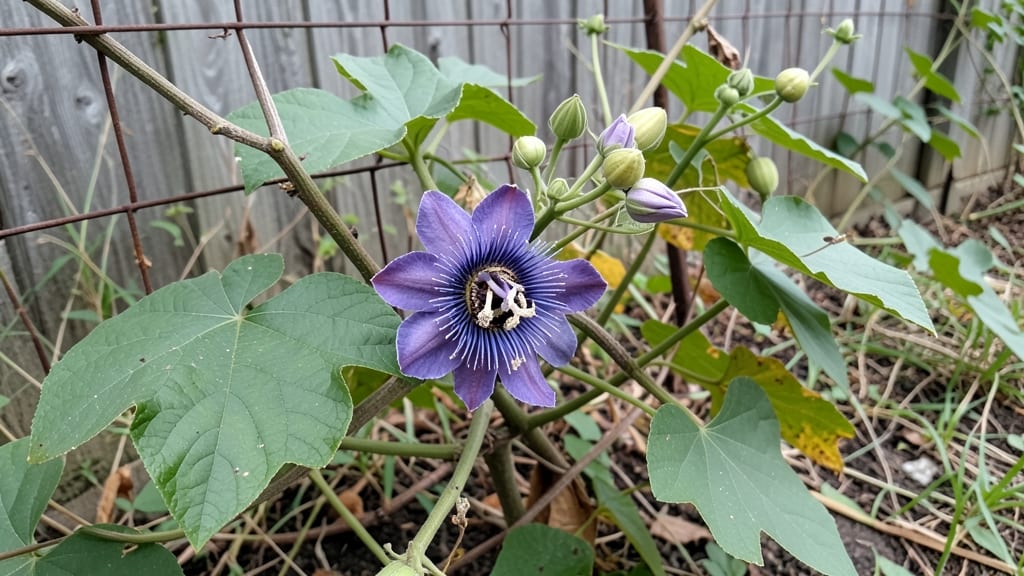
Growing passion vine flowers (Passiflora) in containers turns your balcony into a jungle of exotic blooms—just imagine those striking, velvety petals unfurling every summer. 🌿 I’ve watched mine climb trellises like a tropical escape, and the key isn’t complicated: it’s all about sunlight, a sturdy support, and avoiding soggy roots.
These vines thrive where most tropicals fail, as long as you give them the right conditions.
The secret starts with a 5-gallon container (or larger for vigorous varieties) and a well-draining mix of potting soil and perlite. Place it where it gets 6+ hours of morning sun—afternoon shade in hot climates prevents wilting.
Passion vines love warmth but hate drafts, so move them indoors before frost or keep them in a greenhouse year-round if you’re in a chilly zone.
By midsummer, you’ll see those 3-inch-wide flowers bursting with intricate purple and white patterns, followed by edible (yes, really!) tropical fruits. The vines grow 10–20 feet in a season, so a trellis or sturdy fence is non-negotiable—without support, they’ll sprawl into a tangled mess.
Prune leggy growth in spring to encourage bushier blooms.
Even beginners nail this—just don’t overwater (let the top inch dry between drinks) and fertilize lightly every 4–6 weeks. Container-growing means no weeds, no pests, and no excuses. Ready to turn your patio into a passion vine paradise?
📚 In This Guide
- What you need
- Instructions
- Tips and common mistakes
- Wrapping up and next steps
What you need
- ● Passion vine seeds or cuttings: Seeds: 3–5 (for variety, choose heirloom or hybrid types like Passiflora edulis or Passiflora caerulea)
- ● OR Cuttings: 1–2 healthy, 4–6 inch stems (from a mature vine)
- ● Containers: 1–2 large pots (10–12 inches in diameter) with drainage holes
- ○ Optional: Hanging baskets (for trailing varieties)
- ● Well-draining potting mix: 50% high-quality cactus/succulent mix
- ● 30% perlite or pumice (for aeration)
- ● 20% compost or worm castings (for nutrients)
- ● Tools: Pruning shears (sterilized)
- ● Spray bottle (for misting)
- ○ Gloves (optional, for handling thorns)
- ● Sunlight: 6+ hours of direct sunlight daily (south- or west-facing windows/outdoor spots)
- ● Temperature: Ideal range: 60–85°F (15–29°C). Avoid frost (Passiflora is tropical!)
- ● Humidity: 50%+ (use a humidity tray or pebble tray if indoors)
- ● Watering schedule: Keep soil evenly moist but not soggy (water when top 1–2 inches are dry)
- ● Fertilizer: Balanced liquid fertilizer (diluted to half-strength) every 4–6 weeks in growing season
- ● Support structure: Trellis, cage, or tomato cage (for climbing varieties)
- ● Mulch: Organic mulch (e.g., shredded bark) to retain moisture
- ● Grow lights: LED full-spectrum bulb (if sunlight is limited)
Step-by-Step instructions for growing passion vine in containers
Here's how to cultivate these stunning tropical vines at home—no greenhouse needed.
🌱 Step 1: Choose the Right Container and Drainage
Passion vines need room to grow, so select a 5-gallon or larger container with drainage holes—these plants despise soggy roots. I recommend terracotta pots because they breathe and help prevent root rot in humid conditions. If your container lacks drainage, drill 3-4 holes in the bottom and line it with a broken pottery shard to keep soil from washing out.
Place a 2-inch layer of gravel or perlite at the bottom to improve drainage further. The vine’s roots will spread aggressively, so ensure the pot is at least 12 inches deep. A slightly wider pot (18-20 inches in diameter) gives the vine room to establish before flowering. Avoid plastic pots—they trap moisture and can lead to fungal issues.
☀️ Step 2: Prepare Well-Draining Soil and Plant
Fill the container with a mix of 50% potting soil, 30% perlite or coarse sand, and 20% compost. Passion vines thrive in slightly acidic to neutral soil with excellent drainage. Avoid garden soil—it compacts and suffocates roots. I like to add a handful of orchid bark to the mix for extra aeration.
Dig a hole twice as wide as the vine’s root ball and place the plant so the top of the root ball sits 1 inch below the soil line. This ensures stability while allowing the crown to stay slightly above ground level. Gently backfill with soil, pressing lightly to remove air pockets. Water thoroughly until it drains from the bottom holes—this helps settle the soil and removes any air gaps.
💧 Step 3: Provide Warmth, Humidity, and Bright Indirect Light
Passion vines love warmth and humidity, so place your container near a south- or west-facing window where temperatures stay between 65-80°F. If your home runs cooler, a heat mat can help maintain root warmth. Avoid direct midday sun, which can scorch the delicate leaves and flowers. You’ll know the light is right when the vine grows steadily without yellowing leaves.
Mist the leaves daily or place the pot on a tray of pebbles filled with water to increase humidity. A small humidifier nearby also works wonders. These vines are tropical—they’ll reward you with faster growth and more vibrant blooms if you mimic their natural environment. Watch for new leaves emerging; if they appear small or pale, the vine needs more light.
✂️ Step 4: Prune and Fertilize for Healthy Growth
Prune leggy growth in early spring to encourage bushier, more compact vines. Cut back stems by one-third just above a leaf node, where new growth will sprout. This also helps redirect energy toward flowering. Remove any yellow or damaged leaves immediately—they attract pests and diseases. I prune mine after the last frost if growing outdoors, but container vines can be pruned anytime.
Feed your vine every 4-6 weeks during the growing season with a balanced liquid fertilizer (10-10-10), diluted to half strength. Over-fertilizing burns roots, so always water the plant first. You’ll notice stronger stems and more abundant blooms when the vine gets consistent nutrients. Reduce feeding in winter when growth slows.
🪴 Step 5: Train and Support the Vine for Maximum Blooms
Passion vines need support to climb and display their stunning flowers. Install a 5-6 foot trellis or stake near the container and gently weave the vine through it as it grows. Avoid tying the stems tightly—use soft twine or cloth strips to prevent damage. The more the vine climbs, the more it will flower. You’ll see buds form along the upper stems once the vine reaches at least 3 feet tall.
Rotate the container quarter-turn weekly so the vine grows evenly toward the light. If one side becomes bare, it’s a sign the vine is stretching toward a light source. Deadhead spent blooms by snipping the stem just above the next leaf node to encourage more flowers. With proper care, your passion vine can produce blooms year-round in warm climates or seasonally in cooler ones.
Tips & tricks for perfect passion vine flower growth
Growing passion vines in containers can be incredibly rewarding—here are my go-to tricks to help you avoid common pitfalls and get those stunning flowers thriving.
Container Selection Matters: While a 5-gallon container works, I've found that wider pots (18-20 inches) actually produce more blooms because the vine has room to establish a stronger root system before flowering. If you're short on space, go for depth (12+ inches) rather than width—passion vines have aggressive roots that need room to spread. For extra stability, add a saucer underneath to catch drainage and prevent soil erosion.
Soil Mix Secrets: The 50-30-20 soil mix (potting soil/perlite/compost) is perfect, but I always add an extra handful of orchid bark for better aeration. This prevents that dreaded compacted soil look while still maintaining moisture retention. Pro tip: Mix in a bit of worm castings if you can find them—they add beneficial microbes that boost growth. The goal is to mimic the vine's natural forest floor habitat where roots get both air and nutrients.
Light Positioning: That 65-80°F temperature range is critical, but light is often overlooked. South or west windows are ideal, but if your vine starts stretching toward the light (a condition called etiolation), it's getting too little. Try rotating your container weekly so all sides get equal exposure. In winter, supplement with a grow light if natural light drops below 6 hours daily—this prevents the vine from going dormant prematurely.
Pruning Strategy: When pruning in Step 4, I cut back by one-third but always make the snip just above a leaf node where new growth emerges. This encourages bushier growth and more flowering sites. The key is timing—do this in early spring when new growth is just starting, not after the vine has already put energy into flowering. Think of it as giving your vine a haircut to shape its potential.
Pro Tips for Passion Vine Flower
- Growing passion vines in containers can be incredibly rewarding—here are my go-to tricks to help you avoid common pitfalls and get those stunning flowers thriving.
- Container Selection Matters: While a 5-gallon container works, I've found that wider pots (18-20 inches) actually produce more blooms because the vine has room to establish a stronger root system before flowering.
- Soil Mix Secrets: The 50-30-20 soil mix (potting soil/perlite/compost) is perfect, but I always add an extra handful of orchid bark for better aeration.
Frequently asked questions
Got questions about growing passion vine flowers? You’re not alone! Here are some of the most common queries—plus quick, practical answers to help you cultivate these stunning tropical vines with confidence.
How fast do passion vine flowers grow, and how big do they get?
Passion vines are fast growers—expect 6–12 inches per season under ideal conditions! With proper care, they can climb 15–25 feet (or more in tropical climates). In containers, prune regularly to manage size and encourage bushier growth. Pro tip: Train vines early to avoid tangled messes!
When is the best time to plant passion vine flowers?
Plant in spring after the last frost (USDA Zones 9–11) or start seeds indoors 8–10 weeks before your last frost date. If you’re in a cooler zone, treat them as annuals and replant yearly. For containers, wait until soil warms to 60°F+ to avoid root shock.
Why aren’t my passion vine flowers blooming?
No blooms? Check these fixes:
- Light: Needs full sun (6+ hours/day)—move to a sunnier spot.
- Food: Feed with balanced fertilizer (10-10-10) every 4–6 weeks in growing season.
- Water: Keep soil consistently moist but not soggy.
- Pruning: Trim leggy vines in early spring to encourage new growth.
Can I grow passion vine flowers in containers, and what size pot do I need?
Use a 5-gallon+ pot with drainage holes and well-draining soil. For dwarf varieties (like Passiflora caerulea), a 3-gallon pot works. Repot every 2–3 years or when roots circle the container. Bonus: Add a trellis or cage to save space!
What pests commonly attack passion vine flowers, and how do I prevent them?
Watch for:
- Spider mites: Spray with water or neem oil if webs appear.
- Aphids: Blast off with a strong hose or use insecticidal soap.
- Mealybugs: Wipe with 70% isopropyl alcohol on a cotton swab.
Wrapping up and next steps
Growing passion vine flowers in containers is a rewarding journey that brings vibrant tropical beauty to your space—even with limited room! 🌿 With the right soil, sunlight, and care, these stunning climbers will flourish, filling your garden (or balcony) with fragrant blooms year after year.
Whether you're a beginner or a seasoned gardener, the key is patience and consistency.
Ready to dive in? Start by choosing your container and prepping your vine—then watch your passion vine transform into a lush, flowering masterpiece. Happy gardening! 🌸