
Flowers
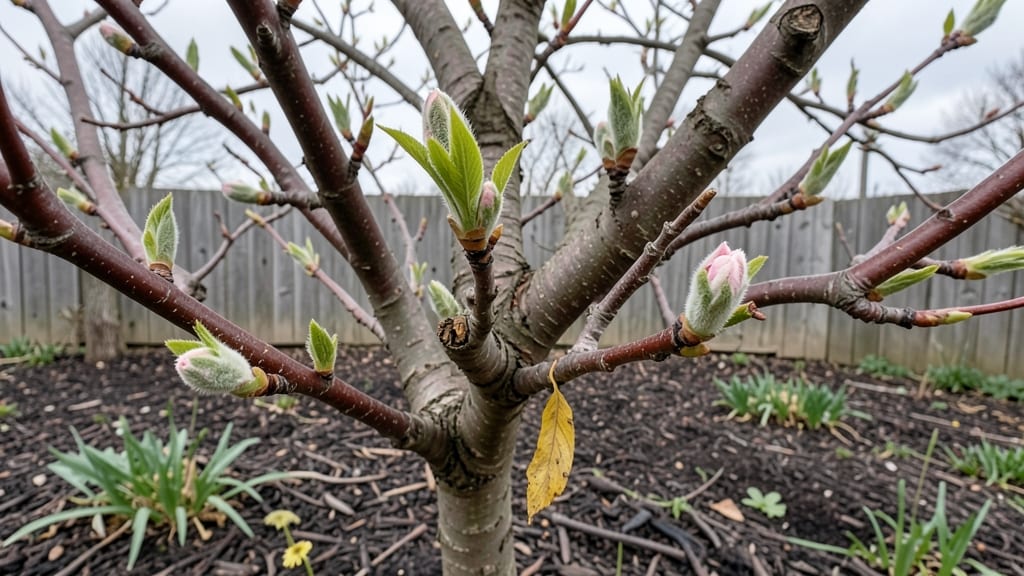
Peach flower buds are where the magic happens—tiny green promises that turn into fragrant blooms and juicy fruit. 🌸 I’ve watched my own peach tree transform from bare branches to a hummingbird magnet in just a few weeks, and it all starts with these delicate buds.
The secret isn’t just patience; it’s knowing when to prune, how much water to give, and exactly when frost might sneak in to ruin your plans.
You’ll need a sunny spot with well-draining soil, a sharp pair of pruners, and a basic understanding of seasonal timing. Most peach trees bloom in early spring, but the buds form in late summer—so your summer pruning decisions directly impact next year’s flowers.
Too much water in winter? Buds rot. Not enough sun? They’ll struggle to open. It’s a balancing act, but once you get it right, you’ll see those first pink blossoms appear like clockwork.
What you’re really after is a tree that bursts into color every spring, attracting hummingbirds and producing fruit that tastes better than anything from the store. The buds themselves are fascinating—some are fuzzy, others smooth—and each one holds the potential for a perfect peach.
With the right care, you’ll go from bare branches to a tree heavy with blooms, all while avoiding the common mistakes that leave gardeners scratching their heads.
Whether you’re dealing with a young sapling or an established tree, these techniques work for both organic and conventional growers. The key is consistency: prune at the right time, protect against late frosts, and keep an eye on pests.
Before you know it, your peach tree will be the star of your yard, blooming reliably year after year.
📚 In This Guide
- What you need
- Instructions
- Tips and common mistakes
- Wrapping up and next steps
What you need
- ● Peach tree varieties: Choose frost-hardy cultivars like Elberta, Redhaven, or Relenta (disease-resistant). Opt for 1–3-year-old bare-root or container-grown trees from a reputable nursery.
- ● Planting site: Full sun (6+ hours daily).
- ● Well-draining soil (pH 6.0–7.0). Amend clay soil with compost (5–10 lbs per planting hole) or sand (1 part sand to 3 parts soil).
- ● Fertilizer: Slow-release balanced fertilizer (10-10-10 or 8-3-9) or organic options like composted manure (1–2 lbs per tree). Avoid high-nitrogen fertilizers early on.
- ● Mulch: Wood chips or straw (2–3 inches deep) to retain moisture and regulate soil temperature.
- ● Hand trowel or shovel (for digging planting holes 2–3x wider than the root ball).
- ● Garden gloves (to protect hands from thorns and rough bark).
- ● Watering can or hose with a gentle spray nozzle (peach trees need consistent moisture, especially during bud formation).
- ● Pruning shears (sterilized with rubbing alcohol) for shaping and removing dead buds.
- ○ Staking kit (optional, for young trees in windy areas).
- ○ Thermometer (optional, to monitor frost risks in early spring).
- ● Climate: Peach trees thrive in USDA Zones 5–9. If in Zone 4 or colder, choose low-chill varieties (e.g., Contender) or plant in a microclimate (e.g., south-facing wall).
- ● Pollination: Plant at least two compatible varieties for cross-pollination (e.g., Elberta + Redhaven).
- ● Pest control: Monitor for peach tree borers and aphids. Keep a spray bottle with neem oil (1 tsp per quart of water) on hand.
- ○ Hummingbird lure: Optional: Add a hummingbird feeder (1:4 sugar-water ratio) near the tree to encourage visitors during bloom.
Step-by-step guide for encouraging peach flower buds
Here’s my foolproof method to coax abundant peach flower buds that survive winter and attract hummingbirds all season.
🌱 Step 1: Choose a Sunny, Sheltered Location
Peach trees thrive in full sun (6-8 hours daily), but their flower buds need protection from late frosts. Plant where they’ll get morning sun and afternoon shade if your winters are harsh. I always pick a spot near the house or a sturdy fence—buds can handle 15°F but not windburn.
Dig a hole twice as wide as the root ball but no deeper. Amend the soil with 2-3 inches of compost mixed into the bottom of the hole. This ensures drainage while retaining moisture—peach roots hate soggy feet. Tap the tree gently to settle it, then backfill with native soil, pressing lightly to remove air pockets.
☀️ Step 2: Prune for Airflow and Light Penetration
Prune in late winter or early spring before buds swell. Remove any dead, crossing, or inward-growing branches first—these steal energy from flower production. I cut back one-third of the oldest branches to encourage new growth where buds form. Use clean, sharp pruners to avoid tearing bark.
Open the center of the tree so light reaches all branches. You’ll see buds form along last year’s growth, especially where sunlight hits directly. Thin out crowded buds to 6-8 inches apart—this prevents overcrowding and ensures larger, showier blooms. Save any trimmed branches; they make great rooting cuttings for new trees.
💧 Step 3: Water Deeply During Bud Development
Once buds appear (usually in late winter), water once weekly with 1-2 gallons per tree, soaking the root zone to 12 inches deep. Check moisture by pushing a finger into the soil—it should feel damp but not wet. Overwatering now can split buds or invite fungal diseases like brown rot.
Mulch with 2-3 inches of wood chips around the base, keeping it 6 inches away from the trunk. This insulates roots in winter and retains moisture in summer. I always water again after mulching to help it settle and make contact with the soil. Avoid synthetic mulches—they trap too much heat and can scorch buds.
⏰ Step 4: Protect Buds from Late Frosts
When buds swell to pea-size (about ½ inch), they’re vulnerable to frost damage. Cover the tree with a frost blanket or lightweight row cover at night if temperatures dip below 28°F. Secure the edges tightly—even a small gap lets cold air in. Remove covers by 10 AM to let sunlight warm the tree.
If a hard freeze hits, wrap the trunk with burlap or tree wrap to prevent sunscald later in the season. I’ve seen buds survive 10°F with this protection, but anything colder risks damage. Once blooms open, hummingbirds will arrive within days—just leave a shallow dish of water nearby to keep them visiting.
🌿 Step 5: Fertilize for Next Year’s Buds
After harvest, feed the tree with ½ cup of 10-10-10 fertilizer spread evenly under the canopy. Water it in immediately to prevent root burn. I also top-dress with 1 inch of compost to replenish organic matter. This ensures strong root growth, which fuels next year’s flower buds.
Prune again in late summer to remove any suckers or water sprouts—these divert energy from bud formation. You’ll see tiny, fuzzy buds forming along the branches by late fall. That’s your sign the tree is preparing for another season of frost-hardy blooms and hummingbird visitors.
Tips & tricks for encouraging peach flower buds
These little-known tricks will help you transform your peach tree into a hummingbird magnet with stunning, frost-resistant blooms.
Location is Everything: That 6-8 hours of daily sun is non-negotiable, but here's the secret: position your tree where it gets morning sun and afternoon shade if you live in a region with harsh winters. I've seen buds survive down to 10°F when protected from wind, but even the hardiest buds can't handle windburn. A spot near the house or sturdy fence works perfectly—just make sure it's not in a low spot where cold air pools.
Pruning Precision: When you're cutting back one-third of the oldest branches in Step 2, focus on removing branches that are rubbing against each other or growing inward. These "energy thieves" divert precious nutrients away from flower bud formation. I like to make my cuts just above an outward-facing bud or branch—this encourages new growth in the right direction for maximum sunlight exposure.
Watering Wisdom: That weekly watering with 1-2 gallons per tree is crucial, but timing matters too. Water in the morning so the foliage has all day to dry, preventing fungal diseases like brown rot. I've found that watering deeply after mulching helps the wood chips settle properly and make better contact with the soil—this creates a more effective moisture barrier during winter.
Frost Protection Hacks: For those critical pea-size buds, I've had the best luck with lightweight row covers rather than heavy frost blankets. They allow sunlight to penetrate while still providing protection. And here's a pro tip: if you're expecting a hard freeze below 10°F, wrap the trunk with burlap or tree wrap before covering the branches—this prevents sunscald that can occur when the tree warms up after a freeze.
Pro Tips for Peach Flower Buds
- These little-known tricks will help you transform your peach tree into a hummingbird magnet with stunning, frost-resistant blooms.
- Location is Everything: That 6-8 hours of daily sun is non-negotiable, but here's the secret: position your tree where it gets morning sun and afternoon shade if you live in a region with harsh winters.
- Pruning Precision: When you're cutting back one-third of the oldest branches in Step 2, focus on removing branches that are rubbing against each other or growing inward.
Frequently asked questions
Got questions about peach flower buds? You’re not alone! Here are some of the most common concerns—and answers—to help you grow stunning, frost-hardy blooms that hummingbirds will adore.
When do peach flower buds typically bloom?
Peach flower buds usually bloom in early spring, often between late February and April, depending on your climate zone. In colder regions, they may wait until frost danger has passed. If buds appear but don’t open, it could signal frost damage—keep reading for tips!
Can peach flower buds survive frost?
Yes! Many peach varieties (like Prunus persica ‘Bonanza’ or ‘Elberta’) are frost-hardy down to 15–20°F. However, late frosts can damage buds. To protect them, wrap young trees in frost cloth or use overhead sprinklers to create a thin ice layer for insulation.
Why aren’t hummingbirds visiting my peach flower buds?
Hummingbirds love peach blossoms for their high nectar content, but they may avoid your tree if:
- Blooms are sparse—ensure full sun (6+ hours/day) and proper pruning.
- Bees are outcompeting them—plant hummingbird-friendly companions like salvia nearby.
- Blooms are past peak—peach flowers last ~7–10 days; add tubular flowers (e.g., fuchsia) for extended visits.
What if my peach flower buds turn brown or mushy?
Brown/mushy buds often signal fungal disease (like brown rot) or bacterial blight. To fix it:
- Prune infected branches immediately with sterilized shears.
- Apply copper fungicide or baking soda spray (1 tbsp baking soda + 1 quart water + drop of soap).
- Improve airflow by thinning dense foliage.
Can I grow peach flower buds in containers?
Yes! Dwarf peach varieties (like ‘Bonanza’ or ‘Little Princess’) thrive in 5-gallon+ containers with:
- Well-draining soil (mix potting soil with perlite).
- Full sun (move indoors if temps drop below 20°F).
- Regular watering (keep soil moist but not soggy).
Wrapping up and next steps
Growing peach flower buds is a rewarding journey that brings beauty, fragrance, and life to your garden while supporting local pollinators like hummingbirds. 🌸 With the right care—from selecting frost-hardy varieties to providing consistent moisture and sunlight—you’ll enjoy vibrant blooms that last well into the seasons.
Whether you’re a beginner or a seasoned gardener, every step you take helps create a thriving, pollinator-friendly space.
Ready to take the next step? Start by marking a spot in your garden or container this weekend—your future peach blossoms will thank you! 🌱