
Flowers
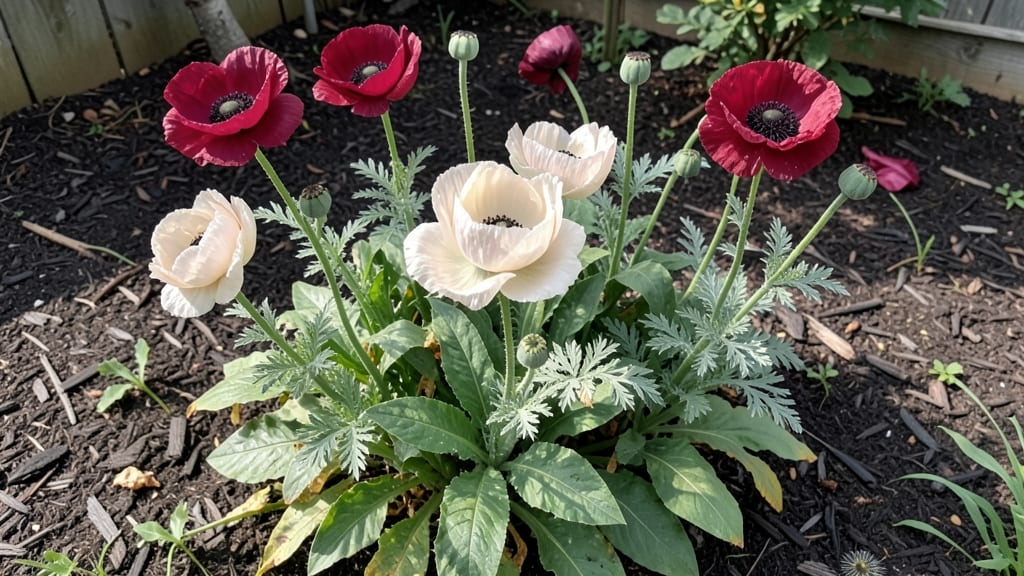
The peony poppy flower duo transforms the Pacific Northwest into a dreamy, fragrant escape—velvety blooms and airy stems that lure pollinators while standing up to frost. 🌸 I’ve designed borders where their contrasting textures create magic, and the results never fail to draw bees, butterflies, and admiring neighbors.
The magic happens in the layered planting: tuck peonies at the back for their bold structure, then scatter poppies in front where their stems sway in the breeze.
For color, I love pairing deep red poppies with blush peonies or soft pink poppies against creamy white blooms—both combinations feel like a living watercolor. This combo thrives in partial shade too, making it perfect for under trees or along north-facing fences.
What you’ll end up with is a garden that blooms from late spring through summer, with peonies opening first and poppies carrying the show as they fade.
The fragrance alone—sweet, honeyed, and fresh—makes every stroll through the yard feel like a secret. Plus, the pollinators? They’ll treat your garden like their own five-star resort.
Works equally well in cottage gardens, wildflower meadows, or even container arrangements on patios. The key is spacing: give peonies 3–4 feet of room and poppies 1–2 feet apart for that lush, natural look. Let’s make your garden the talk of the neighborhood!
📚 In This Guide
- What you need
- Instructions
- Tips and common mistakes
- Wrapping up and next steps
What you need
- ● Seeds: 10–20 peony poppy seeds (organic, non-GMO preferred for best results).
- ● Well-draining soil: 1–2 cubic yards of loamy, slightly alkaline soil (pH 7.0–8.0). Mix in compost (1 part compost to 3 parts soil) for fertility.
- ● Sunlight: Full sun (6+ hours daily). Ensure the planting area gets direct sunlight.
- ● Water: 1–2 gallons per week (adjust for rain; these flowers are drought-tolerant once established!).
- ● Garden trowel (for planting seeds).
- ● Hoe or rake (to loosen soil and remove weeds).
- ● Watering can or hose with a gentle spray nozzle (to avoid disturbing seedlings).
- ○ Garden twine or stakes (optional): Useful if your garden has strong winds.
- ● Pruners (sterilized): For trimming dead blooms or overgrowth.
- ● Mulch (straw or wood chips): Helps retain moisture and suppress weeds.
- ● Slow-release fertilizer (balanced 10-10-10): Apply sparingly in early spring.
- ● Pollinator-friendly companions: Plant nearby lavender, bee balm, or yarrow to attract more butterflies and bees!
- ○ Drip irrigation kit (optional): Automates watering for busy gardeners.
How to grow peony poppies in the Pacific Northwest
These fragrant, frost-hardy blooms thrive in our cool climate—here’s how to create your own pollinator haven.
🌱 Step 1: Choose the Right Location and Prepare the Soil
Peony poppies love full sun to partial shade, making them perfect for Pacific Northwest gardens. Pick a spot that gets at least 6 hours of sunlight daily, though they’ll tolerate morning shade in hotter microclimates. I always test the soil first—these plants hate soggy roots, so amend heavy clay with 3-4 inches of compost to improve drainage.
Loosen the soil to a depth of 12 inches with a garden fork, breaking up any compacted layers. The goal is loose, well-draining soil that holds moisture without becoming waterlogged. If your soil is sandy, mix in 2-3 inches of organic matter like leaf mold to help retain moisture. Peony poppies establish best in slightly acidic to neutral soil (pH 6.0-7.5), so a soil test kit is worth the investment if you’re unsure.
🪴 Step 2: Plant Bare-Root Tubers at the Right Depth
Plant your peony poppy tubers in early spring or fall, when soil temperatures are cool. Dig a hole 2 inches deeper than the tuber’s crown (the knobby part where roots emerge). Place the tuber in so the crown sits just below the soil surface—burying it too deep will delay blooming, while planting too shallow exposes it to frost damage.
Space tubers 18-24 inches apart to give plants room to spread. Backfill with soil, firming gently around the base to eliminate air pockets. Water deeply right after planting to settle the soil and encourage root contact. Here’s the thing—peony poppies are slow to establish, so don’t expect blooms the first year. Patience pays off with 3-5 years of reliable flowering once roots are settled.
☀️ Step 3: Water and Mulch for Frost Protection
Keep soil consistently moist but never soggy during the first growing season. Water 1-2 inches per week, adjusting for rain—Pacific Northwest summers can be unpredictable. Once established, peony poppies are drought-tolerant, but young plants need steady moisture to develop strong roots. I water in the morning to reduce evaporation and fungal risks.
Apply a 3-inch layer of organic mulch (like wood chips or straw) around plants in late fall to insulate roots from winter frosts. These flowers are famously cold-hardy, but mulch prevents soil heaving and protects tubers from extreme temperature swings. In spring, remove mulch once new growth appears—typically by late March or early April in most PNW zones.
✂️ Step 4: Prune and Support for Long-Stemmed Blooms
Deadhead spent blooms in early summer to encourage a second flush of flowers, but leave seed pods if you want to attract birds and pollinators. Cut back foliage in late fall or early winter, when it turns brown and crispy. Never cut back healthy green growth—peony poppies store energy in their leaves for next year’s blooms.
Tall varieties may need staking to prevent flopping in wind or rain. Install 3-foot bamboo stakes at planting and loosely tie stems with soft twine as they grow. I avoid tight binding—peony poppies grow fast, and constricted stems can snap. Watch for Japanese beetles, which love these flowers. Handpick adults or use neem oil spray if infestations appear.
🌿 Step 5: Divide and Share Every 3-5 Years
Peony poppies form dense clumps over time, so divide them every 3-5 years to maintain vigor. The best time is in early fall, after foliage yellows but before hard frosts. Dig around the clump with a spade, lifting entire tubers carefully. Separate with your hands or a clean knife, ensuring each division has 3-5 eyes (buds) and healthy roots.
Replant divisions immediately in prepared soil, watering deeply to help roots re-establish. Here’s where it gets fun—these flowers transplant beautifully, making them perfect for sharing with fellow gardeners. Divided plants often bloom even more prolifically the following season, as crowded roots are relieved.
Tips & tricks for perfect peony poppy planting
These simple strategies will help you grow thriving peony poppies that bring color and fragrance to your Pacific Northwest garden.
Sunlight Secret: While peony poppies tolerate morning shade, they truly shine in full sun (those 6 hours daily). In hotter microclimates, afternoon shade helps prevent wilting. I've noticed the most vibrant blooms get at least 8 hours of sunlight—worth the extra effort for that pop of color!
Soil Prep Pro Tip: That 12-inch deep soil loosening in Step 1 makes all the difference. Use a garden fork to break up compacted layers—this improves drainage and root penetration. For clay soil, mix in the 3-4 inches of compost right into the hole before planting, not just around it. The roots will thank you with better establishment.
Planting Depth Watch: The 2-inch deeper planting rule is critical—burying too deep delays blooming while shallow planting risks frost damage. Look for that knobby crown and place it just below soil level. A quick trick: after planting, gently press soil around the base to eliminate air pockets that can cause rot.
Watering Wisdom: Those 1-2 inches of water per week are essential for young plants, but be careful not to overdo it. I've seen soggy soil lead to root rot, especially in our rainy climate. Water in the morning to reduce evaporation and fungal risks—your plants will reward you with stronger growth.
Pro Tips for Peony Poppy Flower
- These simple strategies will help you grow thriving peony poppies that bring color and fragrance to your Pacific Northwest garden.
- Sunlight Secret: While peony poppies tolerate morning shade, they truly shine in full sun (those 6 hours daily).
- Soil Prep Pro Tip: That 12-inch deep soil loosening in Step 1 makes all the difference.
Frequently asked questions
about Peony Poppy flowers—your go-to guide for growing, caring, and troubleshooting these stunning PNW blooms!When is the best time to plant Peony Poppy flowers?
The ideal time to plant Peony Poppy (Papaver pavoninum) is in early spring or early fall. This gives roots time to establish before summer heat or winter frost. Avoid planting in late fall—roots need a few weeks to settle before cold sets in. For the Pacific Northwest’s mild winters, fall planting is often best!
Are Peony Poppy flowers truly frost-resistant?
These beauties thrive in USDA zones 3–9 and handle frost like a champ. Their deep roots and hardy nature make them perfect for PNW gardens. Just ensure they’re planted in well-draining soil—waterlogged roots can still cause issues. A light mulch in winter adds extra protection for young plants.
How do I attract more pollinators to my Peony Poppy?
Peony Poppy is already a pollinator magnet, but you can boost their appeal! Plant them near other native flowers like Lupine or Yarrow for a buffet effect. Avoid pesticides—even natural ones—and leave some stems standing after blooming to provide late-season nectar. A shallow water source (like a birdbath) nearby will draw in bees and butterflies too!
Why aren’t my Peony Poppy flowers blooming?
No blooms? Check these common culprits:
- Too much nitrogen: Fertilizers high in nitrogen promote leafy growth but few flowers. Use a balanced 10-10-10 or phosphorus-rich fertilizer instead.
- Overcrowding: These plants need space. Divide clumps every 3–4 years if they’re getting too dense.
- Immaturity: Peony Poppy can take 1–2 years to bloom after planting. Be patient!
If the issue persists, ensure they’re in full sun (6+ hours daily) and well-draining soil.
Can I grow Peony Poppy in containers?
Yes! While they prefer ground planting, containers work well for small gardens or patios. Use a large pot (at least 12 inches deep) with drainage holes and a mix of potting soil and perlite. Place them in a sunny spot and water consistently—containers dry out faster. Just note: container-grown plants may bloom less prolifically than those in the ground.
Pro Tip: Deadhead spent blooms to encourage more flowers, but leave some seed pods for wildlife!
Wrapping up and next steps
The peony poppy flower isn’t just a beauty—it’s a pollinator’s paradise and a resilient, fragrant gem for Pacific Northwest gardens. With its frost-hardy charm and ability to attract bees and butterflies, it’s the perfect addition for eco-conscious gardeners who love low-maintenance blooms.
Whether you’re a beginner or a seasoned gardener, these flowers bring color, life, and sustainability to your outdoor space.
Ready to transform your garden? Start by choosing your favorite variety, gathering your supplies, and planting with confidence! 🌸🐝 Check out our step-by-step guide to get growing today.