
Pruning
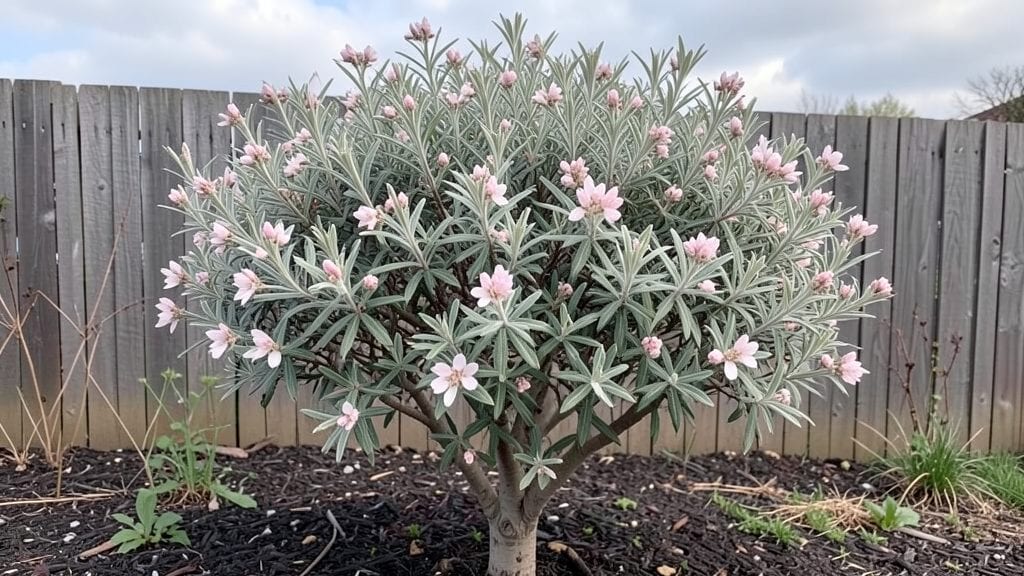
The peppermint peach flowering tree transforms any yard into a fragrant paradise with its delicate pink blossoms and subtle minty aroma. 🌸 I’ve pruned mine every winter for five years, and the difference is night and day—dense blooms from early spring through fall, instead of sparse clusters.
The key isn’t just cutting branches; it’s understanding how this tree’s unique growth habit responds to pruning.
This isn’t your average peach tree. The peppermint peach thrives with partial shade and well-draining soil, but its real magic happens when you prune to encourage new growth.
I use sharp bypass pruners and focus on removing dead wood and overcrowded branches—never more than 25% of the canopy at once. The goal is to open up the center so light and air circulate, which triggers more blooms.
By late spring, you’ll see clusters of pink blossoms that smell like candy—sweet with a hint of mint—followed by tiny, edible peaches. The tree stays compact (about 12-15 feet tall), making it perfect for small yards or container growing.
Just avoid heavy pruning after mid-summer, or you’ll risk losing next year’s flowers.
Watch for peach leaf curl (a fungal disease) and aphids—both love this tree. A copper fungicide spray in early spring and neem oil for pests keeps mine healthy. With the right cuts, this tree becomes the showstopper of your garden, blooming longer and stronger than you’d expect.
📚 In This Guide
- What you need
- Instructions
- Tips and common mistakes
- Wrapping up and next steps
What you need
- ● Pruning shears: Bypass pruners (sharp, 5-7 inch blades) for small branches.
- ● Loppers: 8-10 inch bypass loppers for thicker branches (up to 2 inches in diameter).
- ● Pruning saw: Curved-tooth saw for branches thicker than 2 inches.
- ● Garden gloves: Heavy-duty, cut-resistant gloves (e.g., Mechanix or similar).
- ● Disinfectant: 70% isopropyl alcohol or 10% bleach solution (1 part bleach to 9 parts water) to sterilize tools.
- ○ Sealing wax: Pruning sealant (optional but recommended for large cuts to prevent disease).
- ● Bucket or bag: For collecting pruned branches (1-2 gallon capacity).
- ● Ladder or step stool: Sturdy, extendable ladder (if tree is over 6 feet tall).
- ● Hand pruners: Compact pruners for precision work on tiny branches.
- ● Pole saw: Extendable saw for high branches (if no ladder is available).
- ● Tree paint: Pruning paint to seal large cuts (if not using wax).
- ● Notebook & pen: To jot down pruning notes or sketch the tree’s structure.
- ● Safety goggles: To protect eyes from debris.
- ● Knowledge: Basic understanding of tree anatomy (e.g., identifying water sprouts, dead wood, or crossing branches).
- ● Timing: Prune during dormant season (late winter/early spring) or right after blooming to avoid cutting off next year’s flowers.
- ● Weather: Choose a dry, overcast day to minimize stress on the tree.
Step-by-step pruning guide for your peppermint peach flowering tree
Revitalize your tree’s growth and coax those stunning blooms year-round with these precise pruning techniques.
✂️ Step 1: Assess the Tree’s Structure and Prioritize Dead Growth
Start by examining your Peppermint Peach tree for dead, diseased, or crossing branches—these take priority. Dead wood is easy to spot: it’s brittle, snaps when bent, or lacks bark. Use sharp, clean pruning shears to make 45-degree cuts just outside the branch collar (the swollen area where the branch meets the trunk). This ensures clean wounds that heal faster.
Next, identify any branches rubbing against each other or growing inward. These compete for sunlight and nutrients, weakening the tree’s overall health. Mark them with a small piece of tape or a stick so you don’t accidentally cut the wrong branch. Real talk: I’ve made this mistake before—always double-check before making cuts!
✂️ Step 2: Thin Out Overcrowded Branches for Better Airflow
Focus on removing 20-30% of the tree’s total branches to improve airflow and sunlight penetration. Start at the outer canopy and work your way inward. Aim to create an open, vase-like shape—this encourages new growth and blooms along the branches. For thicker branches over ½ inch, use loppers for a cleaner cut.
Look for branches that grow straight up or down; these often produce fewer blooms. Instead, favor branches that angle outward at 45-60 degrees. You’ll see stronger, more productive growth after just one season of strategic thinning. If you’re unsure which branch to cut, step back and visualize the tree’s natural shape—nature usually has the best design in mind.
✂️ Step 3: Encourage Blooms with Strategic Bloom-Pruning
To maximize flowers, prune just after blooming season (late spring for most Peppermint Peach varieties). Cut back one-third of the oldest wood—this stimulates new growth and more abundant blooms the following year. Avoid heavy pruning in fall or winter, as the tree needs energy to recover before dormancy.
For existing branches, make cuts just above a leaf bud or lateral branch to encourage outward growth. You’ll notice new shoots emerging within 4-6 weeks—these are your tree’s way of saying, “Thank you for the trim!” If your tree hasn’t bloomed yet, don’t panic. Young trees (under 3 years) focus on root and branch development first.
⏰ Step 4: Time Pruning for Seasonal Health and Bloom Cycles
Prune lightly in late winter or early spring (before buds swell) to shape the tree and remove winter-damaged branches. This is also the best time to reduce branch length by up to 10% to promote bushier growth. Avoid heavy pruning in late summer or fall, as new growth won’t harden off before winter.
For year-round blooms, schedule a light maintenance trim every 6-8 weeks to remove spent flowers and encourage continuous flowering. Use sharp tools to make clean cuts—ragged edges invite pests and disease. I like to prune on a dry, overcast day when the tree is less stressed from heat or cold.
🌿 Step 5: Post-Pruning Care to Ensure a Strong Recovery
After pruning, water deeply to help the tree recover, especially if you’ve made large cuts. Apply a balanced, slow-release fertilizer (10-10-10 ratio) to support new growth. Avoid heavy fertilizers immediately after pruning—the tree needs time to heal before pushing out fresh foliage.
Monitor the tree for new shoots within 2-3 weeks. If you notice yellowing leaves or stunted growth, it may be overpruned—scale back next time. A well-pruned Peppermint Peach should show vigorous new growth by mid-spring, with blooms appearing shortly after. Here’s the thing—consistency is key. Stick to this schedule, and you’ll have a tree that blooms beautifully for years.
Tips & tricks for perfect peppermint peach flowering tree pruning
These pruning secrets will help you transform your Peppermint Peach tree into a blooming powerhouse with minimal stress.
Tool Prep is Non-Negotiable: Before you begin, sterilize your pruning shears and loppers with rubbing alcohol or a 10% bleach solution. I learned this the hard way after accidentally spreading fungal spores between cuts. Sharp tools also make cleaner cuts that heal faster—test your shears on a scrap branch first. For branches over 2 inches thick, use a pruning saw to avoid tearing the bark.
Branch Angle Matters More Than You Think: In Step 2, when you're creating that open vase shape, pay special attention to the 45-60 degree angle for new growth. Vertical branches (growing straight up or down) often produce fewer blooms because they receive less sunlight. I like to visualize the tree's natural growth pattern—think of how sunlight would naturally hit the branches at different times of day. This simple adjustment can double your bloom production next season.
Seasonal Timing Secrets: The late winter/early spring pruning window (Step 4) is critical because it coincides with the tree's natural dormancy period. If you must prune at other times, focus on removing only dead or diseased branches—never more than 10% of the canopy. For year-round bloomers, that 6-8 week maintenance schedule really pays off, but be extra gentle during hot summer months when the tree is already stressed.
Recovery Care Makes All the Difference: After pruning, don't just water and walk away. The first 2-3 weeks are crucial for recovery. I've found that applying a thin layer of arborist wound dressing to larger cuts (over ½ inch) helps prevent disease entry points. Also, avoid fertilizing for at least 4 weeks post-pruning—your tree needs to focus on healing before pushing new growth.
Pro Tips for Peppermint Peach Flowering Tree
- These pruning secrets will help you transform your Peppermint Peach tree into a blooming powerhouse with minimal stress.
- Tool Prep is Non-Negotiable: Before you begin, sterilize your pruning shears and loppers with rubbing alcohol or a 10% bleach solution.
- Branch Angle Matters More Than You Think: In Step 2, when you're creating that open vase shape, pay special attention to the 45-60 degree angle for new growth.
Frequently asked questions
Got questions about keeping your peppermint peach flowering tree in peak bloom? Here are some common ones—and their answers!
How often should I prune my peppermint peach tree for continuous flowers?
Prune lightly every 4–6 weeks to encourage new growth and blooms. Focus on removing spent flowers, crossing branches, and shaping in early spring (before buds swell) and late summer (after harvest). Avoid heavy pruning—this tree blooms on new wood, so aggressive cuts can reduce flowers!
Can I prune my peppermint peach tree in winter?
Winter pruning is risky—this tree is semi-tropical and sensitive to cold. If you must prune in winter, do so only after the last frost (Zone 8+). Otherwise, wait until early spring. Pro tip: Use sharp pruners to avoid tearing bark, which can invite disease.
Will pruning affect my tree’s fruit production?
Not if done correctly! Pruning improves fruit quality by increasing airflow and sunlight. Remove overcrowded branches and suckers (shoots at the base) to redirect energy to fruit-bearing limbs. Just avoid cutting back more than 25% of the canopy in one session.
What if my peppermint peach tree isn’t flowering much?
Check these fixes:
- Light: Needs 6+ hours of sun daily—move to a sunnier spot if indoors.
- Water: Keep soil evenly moist (not soggy). Drought stress = fewer blooms.
- Fertilizer: Use a balanced 10-10-10 or citrus-specific feed in spring.
- Pruning: If you’ve skipped pruning, do a light shape-up now to stimulate growth.
Are there dwarf varieties of peppermint peach trees for small spaces?
Yes! Look for ‘Bonanza’ or ‘Miniature Peppermint’ varieties, which stay under 6–8 feet tall. They’re perfect for containers or patios. Just ensure the pot has drainage holes and use a well-draining potting mix to prevent root rot.
Wrapping up and next steps
Ready to transform your peppermint peach flowering tree into a year-round blooming masterpiece? 🌸 With the right pruning techniques—like strategic cuts, seasonal timing, and proper tool care—you’ll enjoy vibrant flowers and lush foliage for seasons to come. Start small, stay consistent, and watch your tree thrive!
Your next step? Grab those pruners and get hands-on! If you’re new to pruning, revisit our FAQs for quick reminders, then dive in with confidence. Happy pruning—your tree is waiting for you! ✂️🌿