Flowers
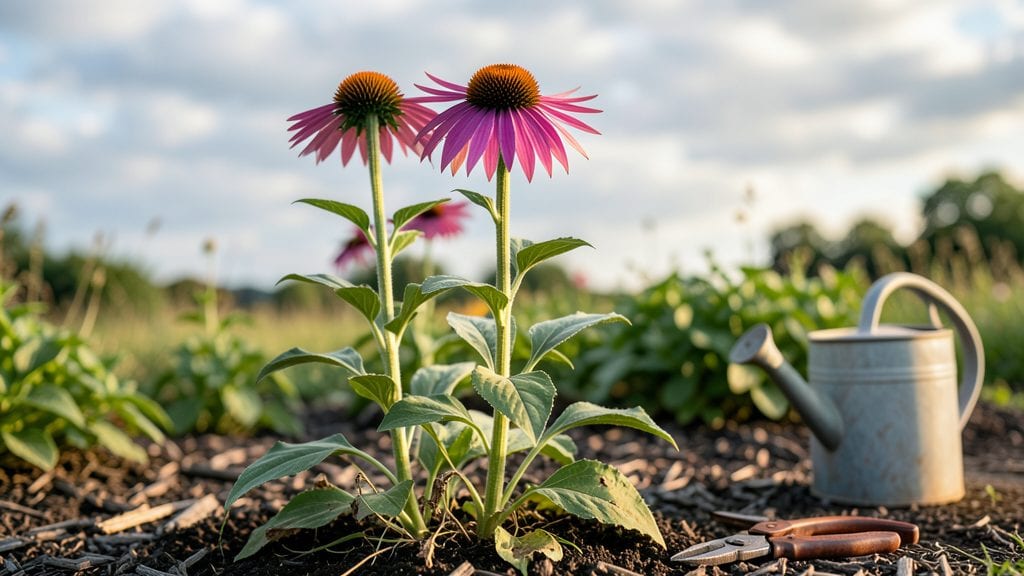
Perennial grasses with yellow flowers don’t just survive summer—they thrive in it, turning your sunniest spots into a hummingbird buffet. 🌻 I’ve watched mine sway in the breeze while attracting more pollinators than any annual could, and the secret lies in their hardy nature and cheerful blooms.
These plants aren’t fussy about soil as long as it drains well, and they’ll reward you with months of color from early summer through fall. Coreopsis and Black-Eyed Susan, in particular, pair beautifully with lavender or coneflowers, creating a cottage-garden look that’s both effortless and stunning.
Imagine a border that stays vibrant even when other flowers fade, or a meadow that hums with life all afternoon. The golden blooms catch sunlight like tiny mirrors, and the seed heads add winter interest—no deadheading required.
You’ll love how they fill gaps in your design while demanding almost no maintenance.
Perfect for borders, pollinator gardens, or even container edges, these sun-lovers adapt to almost any sunny spot. Let’s talk about how to make them the star of your garden without the work of high-maintenance annuals.
📚 In This Guide
- What you need
- Instructions
- Tips and common mistakes
- Wrapping up and next steps
What you need
- ● Perennial grass with yellow flowers: Seeds (e.g., Miscanthus sinensis 'Zebrinus', Panicum virgatum 'Northwind', or Cortaderia selloana 'Pumila' – 1–2 lbs for a 10’x10’ area)
- ● OR Nursery-grown plants (3–5 plants per 10’ of border)
- ● Well-draining soil: Amend clay soil with compost (2–3 inches mixed into top 6–12 inches) or use sand (for sandy soil).
- ● Fertilizer: Slow-release balanced fertilizer (10-10-10 or 5-10-10, 1 lb per 100 sq ft) or organic compost tea.
- ● Mulch: Straw or pine bark (2–3 inches) to retain moisture and suppress weeds.
- ● Digging tools: Hand trowel (for small seeds)
- ● Garden shovel or spade (for transplanting)
- ● Hoe (for soil prep)
- ● Watering: Garden hose with soaker hose or watering can (for gentle moisture).
- ○ Optional but helpful: Pruners (for shaping mature clumps)
- ● Garden gloves (to protect hands)
- ● Row cover or shade cloth (if seeding in hot climates)
- ● Full-sun location (6+ hours of direct sunlight daily).
- ● USDA Hardiness Zones 4–10 (check specific grass variety for exact range).
- ● Patience! Perennials may take 1–2 years to reach full bloom height (3–8 ft).
Step-by-Step guide to planting perennial grasses for stunning yellow blooms
Here’s how to create a sun-drenched, hummingbird-friendly garden that thrives year after year.
🌱 Step 1: Select the Right Perennial Grass Varieties
Focus on sun-loving grasses with golden-yellow blooms like **Little Bluestem (Schizachyrium scoparium), Prairie Dropseed (Sporobolus heterolepis), or Feather Reed Grass (Calamagrostis acutiflora ‘Karl Foerster’). These varieties thrive in full sun (6+ hours daily) and require minimal maintenance once established. Check your hardiness zone to ensure the grass will survive winter in your climate.
Little Bluestem, in particular, offers striking copper-orange fall foliage and airy yellow seed heads that hummingbirds adore. If your soil drains poorly, opt for Prairie Dropseed—it tolerates drought and even performs well in USDA Zones 3-9. I always verify the mature height (3-5 feet) to ensure it fits my design plan.
🪴 Step 2: Prepare the Planting Site for Optimal Growth
Choose a location with well-draining soil—perennial grasses hate soggy roots. If your soil is heavy clay, amend it with 2-3 inches of compost and 1 inch of coarse sand to improve aeration. Test the pH; most grasses prefer neutral to slightly acidic soil (6.0-7.0). If your soil is alkaline, add sulfur or peat moss to lower the pH gradually.
Grasses need space to spread, so plant them 12-18 inches apart in clumps. Dig holes twice as wide as the root ball but only as deep. Loosen the roots gently before placing them in the soil—this encourages faster establishment. Water deeply right after planting to eliminate air pockets.
☀️ Step 3: Plant and Establish for Long-Term Beauty
Remove the grass from its container and place it in the hole, ensuring the top of the root ball sits level with the surrounding soil. Backfill with native soil, pressing lightly to secure the plant. Water 1 inch per week during the first growing season to help roots spread. Avoid overwatering—grasses are drought-tolerant once established.
Mulch with 2 inches of shredded bark or straw to retain moisture and suppress weeds, but keep mulch 6 inches away from the grass crown to prevent rot. In the first year, you’ll see slow but steady growth—don’t panic if it looks sparse. By the second year, these grasses will form dense clumps with vibrant yellow plumes that hummingbirds can’t resist.
✂️ Step 4: Maintain for Year-Round Interest
Cut back dead foliage in early spring (before new growth appears) to keep the plant tidy. Leave the seed heads in place over winter—they provide winter interest and food for birds. In late winter or early spring, trim the grass back to 4-6 inches tall to encourage fresh, vigorous growth.
Fertilize lightly in early spring with a balanced, slow-release fertilizer (10-10-10) at half strength. Too much nitrogen produces lush foliage but weakens the plant’s ability to withstand drought. If your grass looks leggy or sparse, it may need more sunlight or better drainage—adjust accordingly.
💧 Step 5: Encourage Hummingbirds with Strategic Planting
Pair your yellow-flowering grasses with native perennials like bee balm (Monarda) or black-eyed Susan (Rudbeckia) to extend the blooming season. Hummingbirds are drawn to bright colors and nectar-rich flowers, so plant in clusters near seating areas or along garden paths for easy viewing.
Leave some seed heads standing until late fall or winter—they provide food for finches and sparrows. If you notice fewer hummingbirds, check for pesticide use nearby (even organic sprays can deter them). A small birdbath or shallow dish** placed near the grasses will attract even more wildlife to your garden.
Tips & tricks for perfect perennial grass planting
Creating a vibrant hummingbird garden with yellow-flowering grasses is easier than you think—these pro tips will help you avoid common pitfalls and maximize your garden's beauty.
Variety Selection Tip: When choosing between Little Bluestem, Prairie Dropseed, and Feather Reed Grass, consider your climate first. Little Bluestem thrives in USDA Zones 5-9 and offers stunning fall color, while Prairie Dropseed handles Zones 3-9 and performs well in drought conditions. I always check the mature height (3-5 feet) to ensure it fits my design vision—overcrowding leads to competition for nutrients and weaker growth.
Soil Preparation Strategy: The 2-3 inches of compost and 1 inch of coarse sand in Step 2 aren't just recommendations—they're essential for breaking up heavy clay soil. I've seen grasses fail spectacularly in soggy conditions, so always test your soil's drainage by digging a hole and filling it with water. If it doesn't drain within an hour, amend further. For alkaline soils, sulfur works faster than peat moss for lowering pH.
Planting Precision: The 12-18 inch spacing between plants might seem generous, but it prevents overcrowding that leads to weak, leggy growth. When planting in clumps, stagger them slightly to create a more natural, wind-blown look. And here's what nobody tells you—loosening the roots before planting encourages faster establishment, but don't overdo it. Just enough to separate the root ball from the container.
Hummingbird Magnet Hack: To attract more hummingbirds, plant your grasses in clusters near seating areas where you can enjoy the show. The airy yellow seed heads of Little Bluestem and Prairie Dropseed provide both visual interest and food for birds. I've noticed hummingbirds are particularly drawn to gardens with multiple plant layers—combine your grasses with bee balm or black-eyed Susan for extended blooming seasons.
Pro Tips for Perennial Grass With Yellow Flowers
- Creating a vibrant hummingbird garden with yellow-flowering grasses is easier than you think—these pro tips will help you avoid common pitfalls and maximize your garden's beauty.
- Variety Selection Tip: When choosing between Little Bluestem, Prairie Dropseed, and Feather Reed Grass, consider your climate first.
- Soil Preparation Strategy: The 2-3 inches of compost and 1 inch of coarse sand in Step 2 aren't just recommendations—they're essential for breaking up heavy clay soil.
Frequently asked questions
Got questions about adding a splash of golden cheer to your garden? Here are some of the most common queries about perennial grasses with yellow flowers—plus the answers you need to keep your hummingbird haven thriving!
Which perennial grasses with yellow flowers attract hummingbirds the most?
Top picks include Miscanthus sinensis 'Zebrinus' (with golden stripes) and Panicum virgatum 'Northwind'. Their feathery plumes and nectar-rich blooms lure hummingbirds like magnets! For extra allure, pair them with Asclepias tuberosa (butterfly weed) for a double pollinator feast.
When is the best time to plant these grasses for peak yellow blooms?
Spring (after the last frost) or early fall are ideal. If planting in fall, do it at least 6-8 weeks before the first frost to give roots time to establish. Yellow-flowering perennials like Coreopsis or Rudbeckia (black-eyed Susan) thrive when planted in well-draining soil with full sun—so don’t rush!
Why aren’t my yellow-flowering perennials blooming this year?
Common culprits: over-fertilizing (too much nitrogen = lush leaves, few flowers), poor sunlight (they need 6+ hours of sun), or crowded roots. Try deadheading spent blooms, dividing clumps every 3–4 years, and ensuring they’re in well-draining soil. If pests like aphids are stripping leaves, a gentle spray of neem oil can help!
Are there low-maintenance alternatives to traditional yellow perennials?
Try Elymus molis (deer grass) for drought-tolerant yellow plumes or Sorghastrum nutans (Indiangrass), which thrives in poor soil. For flowers, Helenium autumnale (sneezeweed) offers bold yellow blooms with minimal fuss. All three are perennial, pollinator-friendly, and sun-loving—perfect for lazy gardeners!
How do I protect these grasses from winter damage?
Most yellow-flowering perennials are hardy, but a 3-inch layer of mulch (straw or shredded leaves) insulates roots in harsh climates. For tender varieties like Miscanthus, cut back foliage in late winter before new growth appears to prevent mold. Avoid heavy pruning in fall—wait until early spring for a fresh start!
Wrapping up and next steps
Incorporating perennial grasses with yellow flowers into your garden isn’t just about adding beauty—it’s about creating a thriving, pollinator-friendly haven! These sun-loving plants attract hummingbirds, boost biodiversity, and require minimal upkeep once established. Whether you’re a seasoned gardener or just starting, now is the perfect time to act.
Ready to transform your outdoor space? Pick one (or two!) of these stunning grasses and plant them this season. Start small, experiment with varieties, and watch your garden buzz with life! 🌿✨