
Flowers
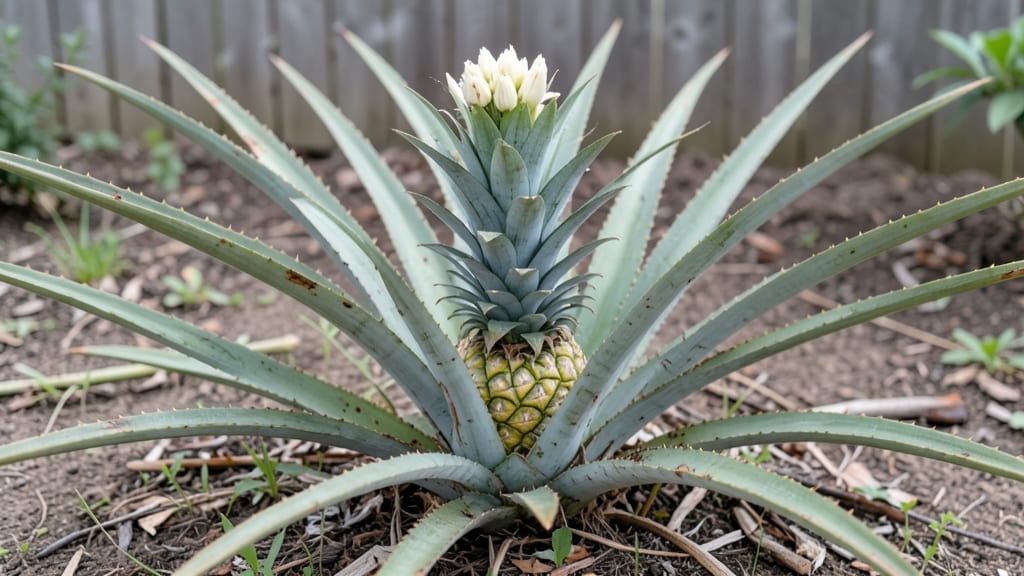
Watching a pineapple flower transform into a sweet, golden fruit is one of gardening’s most rewarding moments—especially when you’re the one who made it happen. 🌱 The journey from that first delicate bloom to a harvestable fruit takes 6 months of careful care, but the payoff is worth every drop of water and hour of attention you invest.
The secret starts with pollination—whether you let bees do the work or take matters into your own hands with a cotton swab.
After that, it’s all about keeping the plant happy: warmth, humidity, and the right balance of water and fertilizer make the difference between a thriving fruit and a sad, stunted one. I’ve learned the hard way that skipping even one step can mean the difference between success and disappointment.
By the time you’re harvesting, you’ll be rewarded with a juicy, tropical fruit that tastes like sunshine—something most of us never get to grow at home. The process might seem intimidating at first, but once you understand the stages, you’ll see how manageable (and exciting!) it really is.
Let’s break it down so you can grow your own pineapple from start to finish.
Whether you’re working with a single plant or a small collection, the same principles apply. The key is patience—pineapples don’t rush, and neither should you.
With the right care, you’ll be enjoying homegrown fruit in less time than you think, and the satisfaction of growing something so exotic will make every step worthwhile.
📚 In This Guide
- What you need
- Instructions
- Tips and common mistakes
- Wrapping up and next steps
What you need
- ● Pineapple plant (Ananas comosus) – A healthy, mature plant (6+ months old) with a visible flower spike.
- ● Well-draining potting mix – 10-15 lbs of a blend like cactus/succulent mix with perlite or sand (70% soil, 30% amendments).
- ● Container or garden plot – A pot (12"+ diameter) or sunny garden bed with 6+ hours of direct sunlight daily.
- ● Balanced fertilizer – 10-10-10 or organic options like fish emulsion (1 tbsp per gallon of water, applied every 4-6 weeks).
- ● Watering can with a rose attachment – For gentle, deep hydration (avoid soggy roots!).
- ● Pruning shears or scissors – Sharp, sterilized tools to trim dead leaves or excess growth.
- ○ Plastic wrap or humidity dome – Optional but helpful for humidity-loving tropical plants.
- ● pH testing kit – Keep soil slightly acidic (pH 4.5–6.5) for optimal growth.
- ● Slow-release fertilizer pellets – Reduces frequent feeding (e.g., Osmocote 14-14-14).
- ● Mulch (pine bark or straw) – Retains moisture and mimics tropical conditions.
- ● Grow lights (LED, full-spectrum) – For indoor growers with limited sunlight.
- ● Support stake or trellis – Helps heavy fruit-bearing plants stay upright.
How to grow pineapple fruit from flower in your home garden
Here's how to nurture that tropical flower into a juicy harvest—no greenhouse required.
🌱 Step 1: Select and Prepare a Healthy Pineapple Flower
Choose a pineapple plant with a mature flower spike that's at least 12 inches tall and fully open. The flower should have bright yellow or orange petals and a central cone where the fruit will form. Gently twist the base of the flower to separate it from the plant, leaving 1-2 inches of stem attached. This ensures the flower stays hydrated while developing.
Place the flower in a glass of room-temperature water (about 2 inches deep) and position it in bright, indirect sunlight. Change the water every 2-3 days to prevent bacterial growth. You'll know it's working when the flower stays upright and the petals remain vibrant—not wilting or browning.
☀️ Step 2: Encourage Fruit Development with Proper Light and Humidity
Move the flower to a spot with 6-8 hours of direct sunlight daily once the petals start to fade. A south-facing window or a grow light positioned 12-18 inches away works best. Pineapple flowers need warmth—keep the room at 70-85°F for optimal growth. If your home runs cooler, a small heat mat under the glass can help maintain warmth.
Mist the flower lightly with water once daily to maintain humidity. A clear plastic bag loosely draped over the flower (with holes for airflow) can speed up fruit development by trapping moisture. Watch for tiny green buds forming at the base of the flower—this is your first sign the fruit is starting to grow.
💧 Step 3: Transition to Soil and Support Growth
After 4-6 weeks, when the flower base swells and small fruit bumps appear, it's time to plant it. Fill a 6-inch pot with well-draining potting mix (avoid garden soil—it compacts too easily). Dig a hole deep enough to bury the flower stem up to the base of the fruit, leaving the top exposed. Gently pat the soil around the stem to secure it.
Water the soil until it's moist but not soggy, then place the pot in a shaded area for 3-5 days to reduce transplant shock. After this period, gradually introduce it to full sun. You'll notice the fruit firming up and turning green or yellow-green within 2-3 weeks—this means the roots are establishing and growth is accelerating.
⏰ Step 4: Fertilize and Monitor for Maturity
Once the fruit is 3-4 inches long, start fertilizing with a balanced liquid fertilizer (10-10-10) diluted to half strength. Apply it every 4-6 weeks during the growing season. Pineapples need moderate moisture—water when the top inch of soil feels dry, but avoid overwatering, which can cause rot. A drip irrigation system or watering can with a gentle spray head works best.
Harvest is ready when the fruit turns golden yellow and the leaves at the base begin to dry out. This usually takes 4-6 months from flowering. Gently twist the fruit to separate it from the plant—it should come off easily when ripe. If it resists, leave it on the plant for another 1-2 weeks.
🌿 Step 5: Store and Enjoy Your Homegrown Pineapple
Once harvested, place the pineapple in a cool, dry place (around 60-65°F) for 1-2 weeks to ripen further. The sugar content will concentrate, making it sweeter. Cut off the crown and slice it open to reveal the juicy, golden flesh—your reward for patience and care.
Save a few seeds from the core (if any) or replant the crown in soil to grow a new pineapple plant. With the right conditions, you can enjoy multiple harvests from a single flower over time. The key is consistency—light, warmth, and patience turn that tropical bloom into a harvest you'll proudly share.
Tips & tricks for growing pineapple fruit from flower
Transforming that tropical flower into a juicy pineapple takes patience, but these insider tips will help you avoid common pitfalls and maximize your chances of success.
The Light Factor: Those crucial 6-8 hours of direct sunlight in Step 2 are non-negotiable for fruit development. If your window doesn't get enough sun, supplement with a grow light positioned 12-18 inches away—just remember to keep it on a timer for 6-8 hours daily. I've seen flowers fail when light was inconsistent, so consider investing in a simple LED grow bulb if natural light is limited.
Temperature Matters: Maintaining that 70-85°F range is easier said than done in many homes. If your space runs cooler, place the flower near a sunny window with a small heat mat underneath the glass to create a microclimate. I've had success using a ceramic plant heater on low setting during cooler months—just monitor closely to avoid overheating.
Transplanting Secret: When you're ready to transition to soil after 4-6 weeks, don't rush the 3-5 days of shade acclimation in Step 3. This gradual introduction prevents transplant shock that can stall fruit development. I've seen pineapple flowers wilt dramatically when moved too quickly—take your time with this critical step.
Harvesting Cues: The golden yellow color and drying leaves at harvest time are your clearest indicators, but there's one more subtle clue: gently tap the fruit—it should sound hollow when ripe. If it resists your twist test, wait another 1-2 weeks rather than forcing it. I learned this the hard way when my first attempt came off too early and tasted bland.
Pro Tips for Pineapple Flower To Fruit
- Transforming that tropical flower into a juicy pineapple takes patience, but these insider tips will help you avoid common pitfalls and maximize your chances of success.
- The Light Factor: Those crucial 6-8 hours of direct sunlight in Step 2 are non-negotiable for fruit development.
- Temperature Matters: Maintaining that 70-85°F range is easier said than done in many homes.
Frequently asked questions
Got questions about growing pineapple from flower to fruit? You're not alone!
Here are answers to the most common curiosities—from timing to troubleshooting—so you can cultivate your own tropical harvest with confidence.
How long does it take for a pineapple flower to turn into fruit?
A pineapple flower (often called a "crown") typically takes 4–6 months to mature into edible fruit after pollination. Factors like climate, care, and variety can slightly adjust this timeline. Patience is key—your tropical treat is worth the wait!
What happens if my pineapple flower doesn’t produce fruit?
If your pineapple flower isn’t fruiting, check these common issues:
- Lack of pollination: Pineapples are self-pollinating, but wind or gentle shaking () can help.
- Insufficient sunlight: Ensure 6+ hours of direct sun daily—pineapples thrive in warmth.
- Cold temperatures: Below 50°F (10°C) can stunt growth. Keep it cozy!
- Nutrient deficiency: Yellowing leaves? Add balanced fertilizer (high in potassium).
If problems persist, your plant may need more time or a different environment.
Can I grow a pineapple fruit indoors from a flower?
Yes! With the right setup, indoor pineapple growth is possible. Use a bright, sunny window (or grow lights) and a pot with drainage holes. Keep humidity high (like a greenhouse) and maintain 70–85°F (21–29°C). Just be patient—indoor fruit may take longer to mature than outdoor plants.
How do I know when my pineapple fruit is ripe and ready to harvest?
Ripe pineapples have these telltale signs:
- Color: Golden-yellow skin (green is underripe).
- Smell: Sweet, tropical aroma at the base.
- Texture: Slightly soft when gently squeezed near the base (like a ripe melon).
- Leaves: The crown may start drying or pulling away.
Harvest with a sharp knife, leaving a little stem attached. Pro tip: Never cut the whole plant—save the crown for regrowth!
Can I eat the pineapple flower?
While the fruit is the star, pineapple flowers (buds) are edible and delicious! They’re often used in Thai cuisine for their crunchy, slightly tart flavor. Blanched or stir-fried, they add a unique texture to dishes. Just ensure your plant is pesticide-free before harvesting.
Wrapping up and next steps
Watching a pineapple flower transform into a sweet, juicy fruit is a rewarding journey—one that blends patience, care, and a little tropical magic! 🌱 From pollination to harvest, you’ve learned how to nurture this process, troubleshoot challenges, and even enjoy the edible blooms along the way.
Whether you’re growing pineapples for their delicious fruit or their stunning flowers, your green thumb is making it happen!
Ready to take the next step? Share your progress with fellow plant enthusiasts, experiment with new varieties, or even gift a pineapple plant to a friend! 🌟 The tropics are waiting—happy growing!