Flowers
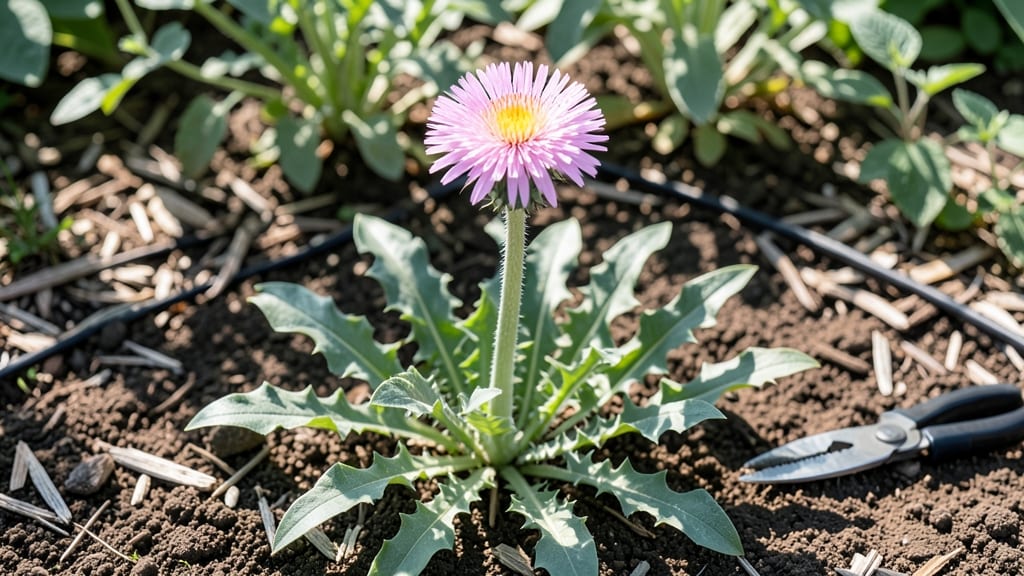
The pink dandelion flower isn’t just a cheerful garden surprise—it’s a bold statement that turns ordinary landscapes into conversation starters. 🌼 These unexpected blooms bring a soft, blush-pink hue to early spring, long before most perennials even think about waking up.
They’re the kind of plant that makes neighbors pause and ask, "What is that?"—and that’s exactly why they belong in your garden.
Pair them with deep purple salvia or silvery lamb’s ear for a cottage-core dream, or let them pop against the bold foliage of hostas. They thrive in poor soil and full sun, making them the perfect low-maintenance accent for sunny borders or wildflower meadows.
The petals even taste faintly of lemon-lime—though we’re keeping that secret for now.
You’ll end up with a garden that feels alive in ways traditional blooms can’t. Imagine the soft pink clouds of flowers swaying in the breeze, their delicate petals catching morning light. These aren’t just flowers—they’re a mood, a memory, and a little rebellion against the ordinary.
Best of all, they self-seed like crazy, so once you plant them, they’ll keep surprising you for years. Let’s talk about how to make them the star of your spring garden—without the fuss.
📚 In This Guide
- What you need
- Instructions
- Tips and common mistakes
- Wrapping up and next steps
What you need
- ● Pink dandelion flowers: 1–2 cups of fresh, pesticide-free blooms (ensure they’re from a clean, uncontaminated source). Pro tip: Harvest in the early morning for peak flavor and color!
- ● Pruning shears or scissors: Sharp, clean pair to snip stems (avoid crushing petals).
- ● Glass jar or bowl: 1 large jar (quart-sized) for collecting flowers.
- ○ Optional: Food-grade dye (natural pink): A few drops of beet juice or hibiscus tea for deeper color (if flowers aren’t naturally pink).
- ● Lemon zest: 1–2 lemons (organic preferred).
- ● Lime juice: 2–3 limes (or ¼ cup bottled lime juice in a pinch).
- ○ Simple syrup (optional): ½ cup water + ½ cup sugar (simmered and cooled).
- ● Ice cubes: 1 cup (for chilled infusions or cocktails).
- ● Mortar and pestle (or blender): For crushing petals into powders or syrups.
- ● Fine-mesh strainer: To separate petals from liquids.
- ● Cheesecloth or coffee filter: For straining delicate flower-infused oils.
- ● Small saucepan: For heating syrups or infusions (low heat!).
- ○ Optional: Food dehydrator: To make dandelion-lemon lime petal powder (set to 115°F/46°C for 4–6 hours).
- ● Positive dandelion ID: Confirm flowers are Taraxacum officinale (no toxic lookalikes!).
- ● Allergy check: Test a small amount on skin/lip if sensitive.
- ● Clean workspace: Sanitize surfaces, jars, and tools with hot soapy water.
How to grow and harvest pink dandelion flowers
These cheerful blooms bring color to plates and gardens alike—here's how to coax them from seed to table.
🌱 Step 1: Select and Prepare Your Planting Site
Dandelions thrive in full sun and tolerate poor soil, but for the brightest pink blooms, choose a spot with at least 6 hours of direct sunlight daily. Clear any weeds or competing plants from a 4-inch deep area—dandelions spread easily, so contain them in a small bed or large container if you prefer control.
Loosen the soil with a garden fork to a depth of 6 inches, breaking up any compacted areas. Dandelions don’t need rich soil, but they’ll reward you with more vibrant blooms if the ground isn’t rock-hard. Scatter a thin layer of compost over the area—just enough to improve drainage without smothering the roots.
🌱 Step 2: Plant Seeds at the Right Time and Depth
Sow seeds in early spring, about 2-3 weeks before your last frost date, or in late summer for a fall harvest. Press seeds ¼ inch deep into the soil—deeper planting delays germination, while shallower seeds may dry out. Space seeds 6 inches apart if you want individual plants, or scatter them loosely for a naturalized look.
Mist the soil lightly with water until it’s evenly moist but not soggy. Cover the area with a thin layer of mulch (like straw) to retain moisture and suppress weeds. Germination takes 7-14 days—keep the soil consistently moist until you see the first true leaves, which look like tiny, jagged-edged versions of mature foliage.
☀️ Step 3: Maintain for Healthy Growth and Blooms
Water dandelions deeply once a week, allowing the top 2 inches of soil to dry out between waterings. These plants are drought-tolerant, but consistent moisture produces larger, more vibrant blooms. Avoid overhead watering once flowers appear—wet petals attract pests and encourage fungal issues.
Fertilize lightly in early spring with a balanced, organic fertilizer (like 10-10-10) to encourage lush growth. Too much nitrogen will boost foliage at the expense of flowers, so use half the recommended dose. Deadhead spent blooms by snipping the flower stem just above a set of leaves—this redirects energy to new growth and prolongs the flowering season.
✂️ Step 4: Harvest Flowers at Peak Color
Pick pink dandelion blooms in the morning after the dew has dried but before the sun intensifies. Use clean, sharp scissors or your fingers to twist off the flower head at the base of the stem. Harvest stems should be 3-4 inches tall with fully opened petals—this ensures the best flavor and texture.
Store harvested flowers in a paper bag in the refrigerator for up to 3 days, or dry them by hanging upside down in a cool, dark place for 1-2 weeks. Once dry, store petals in an airtight container away from light. For the zesty lemon-lime twist mentioned in the title, infuse the dried petals in simple syrup or steep them in hot water for a floral tea.
Tips & tricks for perfect pink dandelion blooms
Here's what nobody tells you about growing those vibrant pink dandelions that'll make your garden—and your plate—pop.
Location is Everything: That 6 hours of direct sunlight isn't just a suggestion—it's non-negotiable for those bright pink blooms. I learned this the hard way when my first batch turned pale yellow. If your garden gets less sun, consider growing them in containers and moving them to sunny spots during the day. The more sunlight, the more vibrant the pink color will be.
Germination Secrets: Those 7-14 days for germination can feel like forever, but don't give up! Keep the soil consistently moist (not soggy) during this time—think of it like waiting for a baby to arrive. I use a spray bottle to mist the soil lightly each morning, which helps maintain that perfect moisture level without overwatering. Once those tiny jagged leaves appear, you're on your way!
Watering Wisdom: The instructions mention watering once a week, but here's the thing: it's better to water deeply once than give them little sips daily. This encourages roots to grow deeper, making your dandelions more resilient. And remember, once those flowers appear, skip the overhead watering—wet petals can attract pests and cause fungal issues. Water at the base instead.
Harvesting Hack: For the most flavorful blooms, harvest in the morning after the dew has dried. I like to use clean, sharp scissors to snip the stems just above a set of leaves—this encourages more blooms to grow. And here's a pro move: harvest when the petals are fully opened but still tightly closed at the center. This gives you the perfect balance of vibrant color and delicate texture for your lemon-lime creations.
Pro Tips for Pink Dandelion Flower
- Here's what nobody tells you about growing those vibrant pink dandelions that'll make your garden—and your plate—pop.
- Location is Everything: That 6 hours of direct sunlight isn't just a suggestion—it's non-negotiable for those bright pink blooms.
- Germination Secrets: Those 7-14 days for germination can feel like forever, but don't give up!
Frequently asked questions
about pink dandelion flowers—your go-to guide for curious gardeners and culinary adventurers!Are pink dandelions different from regular dandelions?
Yes! Pink dandelions (like Taraxacum erythrospermum) are a rare, naturally occurring variant of the common yellow dandelion. They have the same edible properties—petals, leaves, and roots—but their vibrant pink hue makes them a stunning (and tasty!) addition to salads, teas, or garnishes. Just ensure they’re pesticide-free before harvesting.
How do I know if my pink dandelion flowers are safe to eat?
Safety first! Avoid dandelions from lawns treated with herbicides or pesticides. Stick to organic gardens, wildcrafted areas away from roads, or trusted farmers' markets. Always wash flowers thoroughly under cool water to remove dirt or insects. When in doubt, start with a small taste test—some people are sensitive to bitter compounds.
When is the best time to pick pink dandelion petals?
Harvest petals on a dry morning after dew has evaporated but before the sun intensifies their bitterness (usually early to mid-morning). Fully opened blooms yield the most vibrant color and delicate flavor. For roots, dig in early spring or fall when they’re tender. Store petals in the fridge for up to 3 days or dry them for longer shelf life.
Can I grow pink dandelions at home? What’s the trick?
Growing pink dandelions from seed is tricky—they’re biennials and often self-seed unpredictably. Try collecting seeds from wild pink dandelions (with permission!) or order rare varieties from seed banks. Plant in well-draining soil, full sun, and water moderately. Patience is key—they may take 2 years to bloom, but the wait is worth it for those stunning pink blooms!
What’s the best way to use pink dandelion petals in cooking?
Pink dandelion petals shine in dishes where their lemon-lime flavor and pop of color elevate the plate! Try them in:
- Salads: Toss with arugula, goat cheese, and balsamic glaze.
- Infusions: Steep in hot water for a floral, citrusy tea.
- Garnishes: Top cocktails (like gin fizzes) or desserts (e.g., lemon tarts).
- Preserves: Blend into jams with berries for a unique twist.
Wrapping up and next steps
The pink dandelion flower isn’t just a pretty sight—it’s a versatile, edible gem packed with a bright, citrusy kick! Whether you’re sipping lemon-lime-infused dandelion tea, garnishing salads, or crafting floral syrups, these blooms bring a unique, zesty flavor to your table. 🌸
Now that you’re armed with tips and tricks, why not harvest a few blooms and experiment with your own creations? Start small—try a batch of dandelion-infused honey or a refreshing dandelion lemonade—and let your creativity (and taste buds!) guide you. Happy foraging! 🌿✨