
Shrubs
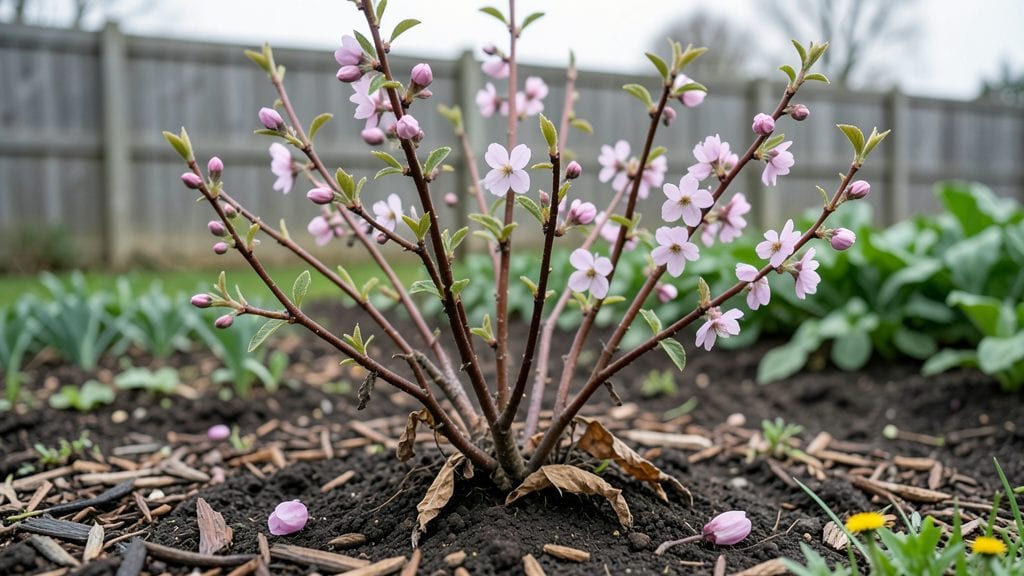
The pink flowering almond shrub transforms any Pacific Northwest garden into a fragrant spring dream. 🌸 Its delicate blossoms and almond-scented air create a romantic focal point that neighbors will envy.
I planted mine last spring near the patio, and now it's the first thing visitors notice—before they even smell the sweet fragrance that drifts through the air on mild days.
This shrub thrives in partial shade, making it perfect for underplanting beneath trees or lining garden borders where morning sun filters through. Pair it with lavender, bleeding heart, or hellebores for a cottage-style garden that blooms from early spring through late winter.
The combination of soft pink flowers and deep green foliage creates a soothing color palette that works with any home's exterior.
By late spring, you'll have a showstopping backdrop for perennials or annuals, with the added bonus of edible almonds in fall. The shrub's graceful, arching branches also provide year-round interest—even when not in bloom, its structure adds elegance to any landscape.
It's the kind of plant that makes gardening feel like an art form.
For best results, plant it in well-draining soil and prune lightly after flowering to maintain its natural shape. In the Pacific Northwest's mild climate, it becomes a low-maintenance star that rewards you with beauty and fragrance for decades. Ready to make your garden the talk of the neighborhood?
📚 In This Guide
- What you need
- Instructions
- Tips and common mistakes
- Wrapping up and next steps
What you need
- ● Pink flowering almond shrub (Prunus glandulosa) – 1-3 nursery-grown plants (3-4 ft tall for mature blooms). Pro tip: Choose dwarf varieties (like 'Alba Plena') if space is limited!
- ● Well-draining soil – Mix 1 part native soil with 1 part compost and 1 part perlite or sand (critical for PNW’s wet winters!).
- ● Sunlight access – A spot with 6+ hours of full sun daily (partial shade in hot afternoons works too).
- ● Watering can or hose – With a gentle spray nozzle for deep (but not soggy) watering.
- ● Organic mulch – 3-4 inches of cedar chips or bark to retain moisture and suppress weeds.
- ● Balanced fertilizer (10-10-10) – 1 tbsp per plant in early spring and after blooming.
- ● Garden trowel or shovel – For planting and soil prep.
- ● Pruning shears – Sharp, bypass-style (sterilized with rubbing alcohol).
- ○ Gloves – Optional but recommended—almond shrubs have tiny thorns!
- ○ pH test kit – Optional but useful to confirm soil pH of 6.0–7.0 (PNW soils often need adjustment).
- ● ✅ Timing – Plant in early spring or fall (avoid PNW’s rainy winter planting!).
- ● ✅ Space – 3–6 feet apart for mature shrubs (or closer for hedges).
- ● ✅ Patience – Expect 2–3 years for full blooms (but enjoy the fragrance sooner!).
Step-by-step instructions for planting and caring for pink flowering almond shrubs
This fragrant beauty thrives in Pacific Northwest climates—here's how to plant and nurture it for years of stunning spring blooms.
🌱 Step 1: Choose the Perfect Planting Location
Pink flowering almond shrubs (Prunus triloba) love full sun—at least 6 hours daily—but they tolerate light shade in hotter inland areas. In the Pacific Northwest, a spot with morning sun and afternoon shade works beautifully. The shrub's delicate pink blossoms open best when they receive consistent sunlight, so avoid planting near tall trees or structures that will cast deep shade.
Here's the thing—these shrubs also need well-draining soil. If your garden soil feels heavy or stays soggy after rain, amend it with 2-3 inches of compost mixed into the top 12 inches of soil. The roots hate sitting in waterlogged conditions, which can lead to root rot. Test your soil's drainage by digging a 12-inch hole, filling it with water, and timing how long it takes to drain. If it takes longer than 2 hours, you'll need to improve drainage before planting.
🪴 Step 2: Plant at the Right Time and Depth
Plant your pink flowering almond in early spring or fall, when temperatures are mild—50-65°F is ideal. This gives the roots time to establish before summer heat or winter cold sets in. Dig a hole twice as wide as the root ball but only as deep as the container it came in. The top of the root ball should sit 1 inch above ground level—this prevents water from pooling around the stem and causing rot.
Gently remove the shrub from its container and loosen any circling roots with your fingers. Place it in the hole so the roots spread naturally, then backfill with soil, tamping lightly every 2 inches to remove air pockets. Water deeply right after planting to settle the soil and encourage root contact. You'll know it's done right when the soil around the edges looks slightly compressed but not rock-hard.
☀️ Step 3: Water and Mulch for Strong Establishment
Water your new shrub deeply once a week for the first 2 months, ensuring the soil stays evenly moist but not soggy. Stick your finger 2 inches into the soil—if it feels dry, it's time to water. After that, reduce to every 10-14 days unless you're experiencing a heatwave or drought. Overwatering is the biggest mistake here; these shrubs are surprisingly drought-tolerant once established.
Spread a 3-inch layer of mulch around the base, keeping it 3 inches away from the trunk to prevent moisture buildup. Use wood chips or shredded bark—they break down slowly and improve soil structure over time. Replenish the mulch every 6 months to maintain its thickness. This layer also protects roots from extreme temperature swings, which is especially helpful in the Pacific Northwest's wet winters and dry summers.
✂️ Step 4: Prune for Shape and Bloom Encouragement
Prune your pink flowering almond right after blooming in late spring to shape the shrub and encourage next year's flowers. Remove any dead, damaged, or crossing branches first—they compete for energy and can weaken the plant. Then, trim back any overgrown branches by one-third to maintain a natural, open shape. Avoid heavy pruning in fall or winter, as it stimulates new growth that won't harden off before cold weather.
Real talk: Don't skip this step. Unpruned shrubs can become leggy and produce fewer flowers. Use clean, sharp pruners to make cuts at a 45-degree angle just above a bud or branch junction. Sterilize your tools with rubbing alcohol between cuts to prevent spreading disease. You'll see a noticeable difference in the shrub's vigor and bloom quantity within a season.
🌿 Step 5: Fertilize and Protect for Long-Term Health
Feed your shrub in early spring with a balanced, slow-release fertilizer (10-10-10 ratio). Sprinkle ½ cup around the drip line—about 12 inches from the trunk—and water it in thoroughly. This timing gives the shrub a nutrient boost just as new growth begins. Avoid fertilizing in fall or winter, as it encourages tender growth that won't survive cold temperatures.
Watch for aphids or spider mites, which can stress the shrub, especially in dry summers. Spray the undersides of leaves with neem oil if you spot tiny clusters of insects or webbing. These shrubs are generally pest-resistant, but early intervention keeps them thriving. In the Pacific Northwest, they're also deer-resistant, so you won't need extra protection from wildlife.
Tips & tricks for perfect pink flowering almond shrub planting
Between us, these delicate pink blooms are worth the extra attention—here's how to give your shrub the best start possible.
Sunlight Strategy: That 6 hours of daily sun is non-negotiable for those vibrant pink blossoms, but here's the thing: morning sun with afternoon shade works best in the Pacific Northwest's humid summers. If your yard only gets 4-5 hours of direct sun, consider planting near a south-facing wall where reflected light can extend the sunlight exposure. I've seen shrubs in these spots produce twice as many flowers!
Drainage Test: The 2-hour drainage test is your secret weapon against root rot. If water pools after 2 hours, mix in sand or perlite (about 20% of the soil volume) to improve drainage. For heavy clay soils, consider planting in a raised bed where you control the soil mix completely. Trust me on this—waterlogged roots will kill your shrub faster than anything else.
Planting Depth: That 1-inch above ground level rule for the root ball is crucial—it prevents water from pooling around the stem. If you plant too deep, the roots can suffocate and rot. Pro tip: After planting, gently press the soil around the base to create a slight mound (about ½ inch high) to further prevent water accumulation. This small detail makes all the difference in the Pacific Northwest's wet climate.
Mulch Maintenance: That 3-inch mulch layer isn't just for looks—it regulates soil temperature and retains moisture. In our damp winters, keep the mulch 3 inches away from the trunk to prevent rot. I like to refresh the mulch in early spring before blooming season, adding a fresh layer of wood chips to keep pests away and improve soil structure over time.
Pro Tips for Pink Flowering Almond Shrub
- Between us, these delicate pink blooms are worth the extra attention—here's how to give your shrub the best start possible.
- Sunlight Strategy: That 6 hours of daily sun is non-negotiable for those vibrant pink blossoms, but here's the thing: morning sun with afternoon shade works best in the Pacific Northwest's humid summers.
- Drainage Test: The 2-hour drainage test is your secret weapon against root rot.
Frequently asked questions
Got questions about growing and caring for your pink flowering almond shrub? You’re not alone! Here are some of the most common queries from gardeners in the Pacific Northwest—and their answers.
Is the pink flowering almond shrub toxic to pets or children?
The seeds and leaves of the pink flowering almond (Prunus glandulosa) contain amygdalin, which can release cyanide if ingested in large quantities. While the flowers and young leaves are generally safe in small amounts, keep pets and kids away from chewing the plant. Opt for pet-safe alternatives like Viburnum or Spiraea if you have curious furry friends.
How long does it take for a pink flowering almond shrub to bloom?
Patience is key! If planted from a bare-root or container-grown shrub, expect blooms in 2–3 years under ideal conditions. Young plants may produce sparse flowers in their first year, but with proper care—full sun, well-draining soil, and regular pruning—they’ll reward you with vibrant pink clusters by early spring.
Can pink flowering almond shrubs handle Pacific Northwest rain?
This shrub thrives in the PNW’s cool, moist climate, but poor drainage is its kryptonite. Plant in slightly elevated areas or amend heavy clay soil with compost to prevent root rot. A 3-inch mulch layer helps retain moisture while protecting roots from winter dampness.
When and how should I prune my pink flowering almond shrub?
Prune right after flowering (late spring) to shape the shrub and encourage dense growth. Use clean, sharp shears to remove dead or crossing branches, and avoid heavy pruning in fall—it can stimulate tender new growth that may not survive winter. Never prune in winter when the plant is dormant.
What’s a good alternative if I want a fragrant, pink-blooming shrub but fewer maintenance needs?
If the pink flowering almond’s moderate care requirements feel overwhelming, consider these PNW-friendly alternatives:
- Mock Orange (Philadelphus) – Fragrant white/pink blooms, low-maintenance, and deer-resistant.
- Weigela – Bright pink flowers, fast-growing, and tolerates partial shade.
- Dwarf Lilac (Syringa meyeri) – Compact, fragrant, and blooms reliably.
Wrapping up and next steps
The pink flowering almond shrub is a true gem for Pacific Northwest gardens—its fragrant blooms, low-maintenance charm, and resilience make it a must-have for any outdoor space.
Whether you’re a seasoned gardener or just starting, this shrub delivers year-round interest with minimal effort, proving that beauty doesn’t have to mean hard work. 🌸
Ready to transform your garden? Start by gathering your supplies and plant your pink flowering almond shrub this spring—your future self (and pollinators!) will thank you.