
Flowers
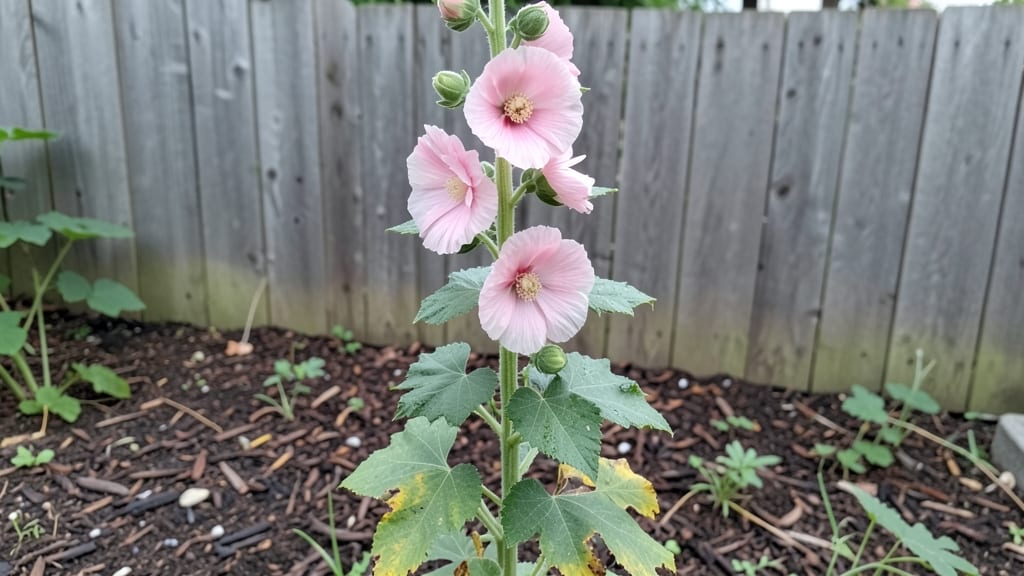
Growing pink marshmallow flowers (Alcea rosea) feels like inviting a cloud of soft pink into your garden—tall, velvety blooms that perfume the evening air and even taste sweet on the tongue. 🌸 These old-fashioned beauties thrive in cottage gardens, but they’re surprisingly easy to grow once you know their quirks, like needing sturdy support for their towering stems.
You’ll need well-draining soil, full sun, and patience—they start as delicate seedlings but reward you with 5-6 foot spikes of blooms by midsummer. The edible petals make them a favorite for floral arrangements or garnishes, and their night-blooming fragrance attracts pollinators while keeping deer away.
With the right care, you’ll end up with a disease-resistant plant that blooms from early summer until frost, its petals soft enough to touch. The key? Consistent watering, occasional pruning, and a little extra support to keep those lush stems upright.
Perfect for beginners or seasoned gardeners looking to add height and romance to their beds. Let’s get those seeds started—or save some from a neighbor’s garden—and watch them transform into your garden’s star attraction.
📚 In This Guide
- What you need
- Instructions
- Tips and common mistakes
- Wrapping up and next steps
What you need
- ● Pink marshmallow flower seeds: 10–20 seeds (organic, non-GMO preferred for best results). Look for varieties like Alcea rosea ‘Perfecta Mix’ or ‘Plena’ for guaranteed pink blooms.
- ● Well-draining potting mix: 1–2 gallons, enriched with compost (aim for a 60% soil, 30% compost, 10% perlite blend). Avoid heavy clay.
- ● Containers or garden bed: For containers: 5–7" deep pots with drainage holes (1–2 plants per pot). Terracotta or fabric pots work best.
- ● For in-ground planting: Full sun (6+ hours/day) and loose, fertile soil with a pH of 6.0–7.5.
- ● Watering can or hose: With a gentle spray nozzle for seedlings.
- ● Garden trowel or transplanting tool (for digging holes or repotting).
- ● Plant labels (to track varieties if growing multiple types).
- ● Organic fertilizer: Balanced 10-10-10 or a low-nitrogen bloom booster (e.g., fish emulsion or compost tea). Apply every 4–6 weeks.
- ○ Mulch (optional): Straw or shredded leaves to retain moisture and deter weeds.
- ○ Support stakes (optional): 3–4 ft bamboo stakes or tomato cages for taller varieties (e.g., ‘Plena’ can reach 5+ ft!).
- ○ Pruning shears (optional): For deadheading spent blooms to encourage more flowers.
Step-by-step instructions for cultivating pink marshmallow flowers
Here's how to grow these velvety blooms with edible petals and intoxicating evening fragrance.
🌱 Step 1: Select and Prepare the Planting Site
Choose a location with full sun exposure (6-8 hours daily) and well-draining soil. Pink marshmallow (Malva sylvestris) thrives in USDA zones 3-9 and tolerates poor soil better than most ornamentals. Amend heavy clay with 2-3 inches of compost to improve drainage—waterlogged roots cause root rot.
Test your soil's pH—ideal range is 6.0-7.0. If your soil tests acidic, add dolomitic lime according to package directions. I always dig in a handful of crushed eggshells at planting time for extra calcium, which these plants love. The site should be sheltered from strong winds to protect the delicate stems.
🌿 Step 2: Plant Seeds or Transplants at Proper Spacing
Sow seeds ¼ inch deep in early spring after the last frost or in late summer for fall blooms. Space seeds 12-18 inches apart in rows 2 feet apart—crowding leads to powdery mildew. For transplants, dig holes twice as wide as the root ball and place plants at the same depth they grew in containers.
Water immediately after planting to settle the soil. You'll see seedlings emerge in 10-21 days—germination time varies with temperature. Thin seedlings to 12 inches apart when they reach 4 inches tall, keeping the strongest stems. I always save the thinned seedlings for tea or garnishes—they're perfectly edible!
☀️ Step 3: Maintain Soil Moisture and Fertility
Keep soil consistently moist but never soggy—water when the top 1-2 inches feel dry. Mulch with 2 inches of straw or shredded leaves to retain moisture and suppress weeds. Feed with balanced 10-10-10 fertilizer at planting and again when blooms appear, using ½ teaspoon per plant.
Pink marshmallow flowers open in the evening, releasing their sweet fragrance. You'll notice buds form on stems in late summer—each flower lasts 1-2 days before wilting. Deadhead spent blooms to encourage more flowers, but leave some for seed pods if you want next year's plants. The velvety petals are edible and taste like marshmallows when candied.
✂️ Step 4: Prune and Overwinter for Next Season
Prune back stems by ⅓ in early spring to encourage bushier growth. Cut back any dead or diseased stems immediately. The plants self-seed readily, but I still collect seed pods in fall for guaranteed plants. In cold climates (zone 4 or colder), cut stems back to 2 inches and mulch heavily with 4-6 inches of straw.
Pink marshmallow is surprisingly hardy—it often resprouts from the roots even after winter dieback. In warmer zones, it may bloom year-round with minimal care. The edible petals make beautiful garnishes for cocktails or desserts, and the leaves can be used like spinach. Just avoid roadsides—this plant readily naturalizes and can become invasive.
Tips & tricks for perfect pink marshmallow flower cultivation
These insider tips will help you cultivate velvety pink marshmallow flowers that thrive with minimal fuss and maximum beauty.
The Sunlight Secret: While 6-8 hours of full sun is ideal, pink marshmallow can actually tolerate partial shade (4-6 hours) in hotter climates—just be prepared for fewer blooms. I've grown them successfully under dappled shade from oak trees, though the flowers will be more abundant with full sun. The key is ensuring they get at least 4 hours of direct sunlight daily to prevent leggy growth and weak stems.
Soil Science: The 2-3 inches of compost recommendation is non-negotiable for heavy clay soils, but you can actually skip compost entirely if your soil is sandy or loamy. What matters most is that water drains freely—stick your finger 2 inches deep after watering. If water pools at the surface, amend with perlite or coarse sand instead. I've found crushed granite works beautifully for improving drainage without altering soil composition.
Spacing Strategy: The 12-18 inch spacing might seem generous, but it's crucial for preventing powdery mildew—this fungal disease thrives in crowded conditions. If space is limited, try growing in containers at least 12 inches wide with excellent drainage. You can also stagger planting times to create a continuous bloom cycle throughout the season. Just remember: each plant needs room to develop its full, bushy form.
Edible Flower Harvesting: For culinary use, harvest petals in the late morning when they're fully open but still delicate. Gently twist them from the flower rather than cutting stems to avoid damaging the plant. Store edible petals in the fridge for up to 3 days or freeze them on a tray lined with parchment paper. To candify the petals, dip them in simple syrup (equal parts sugar and water) and let dry on a wire rack.
Pro Tips for Pink Marshmallow Flower
- These insider tips will help you cultivate velvety pink marshmallow flowers that thrive with minimal fuss and maximum beauty.
- The Sunlight Secret: While 6-8 hours of full sun is ideal, pink marshmallow can actually tolerate partial shade (4-6 hours) in hotter climates—just be prepared for fewer blooms.
- Soil Science: The 2-3 inches of compost recommendation is non-negotiable for heavy clay soils, but you can actually skip compost entirely if your soil is sandy or loamy.
Frequently asked questions
Got questions about growing your own pink marshmallow flower (Kalanchoe blossfeldiana)? Here are some of the most common ones—plus quick answers to help you succeed!
How long does it take for pink marshmallow flowers to bloom?
With proper care, these vibrant blooms typically appear 8–12 weeks after planting. If your plant isn’t flowering, check light exposure (they need bright, indirect sunlight) and ensure temperatures stay between 60–75°F (15–24°C). Overwatering can delay blooms—let the soil dry slightly between waterings!
Why are my pink marshmallow flowers wilting or dropping?
Wilting or petal drop usually signals overwatering or underwatering. These succulents store water in their leaves, so water only when the top inch of soil is dry. Also, avoid cold drafts or sudden temperature shifts—keep them in a consistent, warm environment.
Can I grow pink marshmallow flowers indoors year-round?
They thrive indoors with 4–6 hours of sunlight daily (a south-facing window or grow light works). Just rotate the pot weekly for even growth and fertilize lightly every 6–8 weeks with a balanced houseplant food. Watch for pests like spider mites—wipe leaves with neem oil if needed!
Do I need to prune pink marshmallow flowers after blooming?
Yes! Pruning encourages longer-lasting blooms and bushier growth. After flowers fade, snip spent stems back to a leaf node. For a second flush of blooms, reduce watering slightly and move the plant to a cooler spot (55–60°F / 13–15°C) for 2–3 weeks to reset it.
Are there non-toxic alternatives to pink marshmallow flowers for pets?
If you have curious pets, opt for pet-safe flowers like African violets or sunflowers instead. While pink marshmallow flowers aren’t highly toxic, they can cause mild stomach upset if ingested. For a fragrant, edible alternative, try nasturtiums—their petals are both pretty and safe!
Wrapping up and next steps
The pink marshmallow flower isn’t just a dreamy addition to your garden—it’s a fragrant, edible, and low-maintenance superstar! 🌸 With its velvety petals and intoxicating evening scent, it’s perfect for pollinators, culinary adventures, and creating a magical nighttime glow.
Whether you’re growing it for beauty, flavor, or both, this guide has given you all the tools to succeed.
Ready to dive in? Start with a small patch this season and watch your garden transform into a fragrant, edible paradise. Happy planting—your future blooms (and taste buds) will thank you!