Flowers
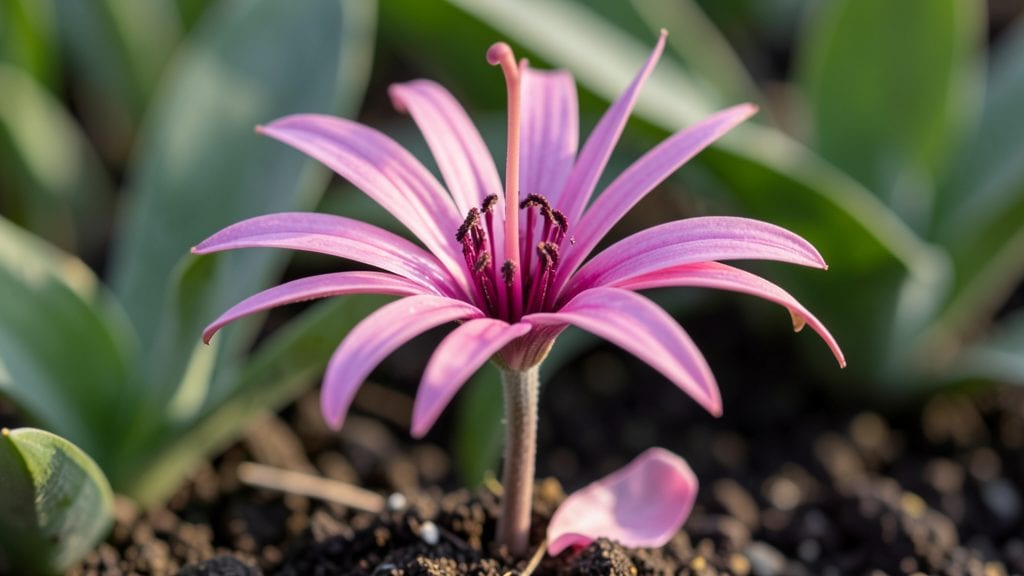
When pink spider lilies (Lycoris radiata) burst through your shade garden like ghostly pink stars, you’ll know you’ve grown something truly special. 🌿 These striking blooms thrive where most flowers give up—dappled shade, rich soil, and even a little neglect.
I’ve grown them for years, and they’ve never failed to deliver that jaw-dropping moment when the first flower spikes appear in late summer.
The secret to their success lies in patience and the right conditions. They demand well-draining, slightly acidic soil mixed with compost, and they’ll reward you with bold, spider-like blooms that last for weeks.
Unlike fussy perennials, spider lilies go dormant after flowering, so they don’t compete with other plants for resources. Plant the bulbs 4-6 inches deep in fall, and they’ll handle the rest—even in USDA Zones 5-9.
What makes them magical is how effortlessly they multiply. After a few years, you’ll have clusters of bulbs spreading underground, creating natural drifts of pink. The trade-off?
They’re slow to establish—don’t expect blooms until the second year. But once they take hold, they’ll outshine anything in your shade garden, from hostas to ferns.
Here’s where most gardeners stumble: overwatering in dormancy or planting too shallow. Let the soil dry between waterings once the foliage fades, and resist the urge to dig up those bulbs—they’re happiest left undisturbed.
With the right care, your shade garden will transform into a moody, otherworldly display that neighbors will envy.
📚 In This Guide
- What you need
- Instructions
- Tips and common mistakes
- Wrapping up and next steps
What you need
- ● Pink spider lily bulbs: 3–5 bulbs (ensure they’re firm and free of soft spots).
- ● Well-draining potting mix: 2–3 bags (use a blend for bulbs or amend garden soil with perlite/sand for better drainage).
- ● Containers or garden bed: Containers: 1–2 pots (10–12 inches deep) with drainage holes.
- ● Garden bed: A partially shaded spot with loose, fertile soil (pH 6.0–7.0).
- ● Mulch: 1 bag (straw, pine needles, or shredded bark to retain moisture).
- ● Garden trowel or bulb planter (for digging).
- ● Watering can or hose with gentle spray (avoid overwatering!).
- ○ Gloves (optional) (to protect hands from soil or sharp bulb edges).
- ○ Fertilizer (optional): Balanced bulb fertilizer (e.g., 10-10-10) or compost tea for a nutrient boost.
How to grow and care for stunning pink spider lilies
These dramatic blooms love shade and reward patience with bold, spider-like flowers that last for weeks.
🌱 Step 1: Choose the Perfect Planting Location
Pink spider lilies (Lycoris radiata) thrive in partial to full shade, making them perfect for woodland gardens or under trees. Select a spot with well-draining soil—they rot easily if their roots sit in soggy conditions. I always test drainage by digging a hole, filling it with water, and waiting to see if it drains within an hour. If not, amend the soil with 2-3 inches of compost or plant in a raised bed.
These bulbs spread slowly, so give each clump 12-18 inches of space to mature without competition. In warmer climates (zones 7-9), they’ll bloom in early fall after summer dormancy—nature’s perfect timing for shade-loving gardens. Mark the spot with a stake if you’re planting in a new area; you won’t see foliage until spring, but the bulbs are hard at work underground.
☀️ Step 2: Plant Bulbs at the Right Depth and Time
Plant bulbs 6-8 inches deep and 6 inches apart in early fall (October-November in most regions). The deeper planting prevents frost heave in winter, while the spacing gives roots room to establish before blooming. I like to plant them after the first frost when soil temperatures drop below 60°F—this mimics their natural dormancy cycle.
Gently loosen the soil with a trowel, place the bulb with its pointed end facing up, and backfill with the original soil (no amendments needed unless your soil is heavy clay). Water deeply after planting to settle the soil, but avoid overwatering—bulbs rot faster in wet soil than they do in dry. Mulch lightly with 2 inches of shredded bark to insulate roots through winter.
💧 Step 3: Water and Fertilize for Strong Blooms
Once spring arrives, water spider lilies deeply once a week unless rainfall provides 1 inch of moisture. They’ll send up grass-like foliage in early spring, which photosynthesizes to fuel next year’s blooms. Fertilize lightly in spring with a balanced 10-10-10 fertilizer (½ teaspoon per plant) to encourage foliage growth, but skip summer feeding—they prefer to rest.
Here’s the thing: these bulbs store energy in their roots, so don’t cut back the foliage until it yellows naturally in late spring or early summer. The greenery feeds the bulb for years to come. If you’re impatient and trim it early, you’ll sacrifice next year’s flowers. Patience pays off—wait until the leaves turn brown before removing them.
✂️ Step 4: Deadhead and Divide for Long-Term Health
After blooms fade, cut the flower stalks back to the ground, but leave the foliage until it dies back naturally. In late summer or early fall, dig up bulbs if they’ve crowded (every 3-4 years). Divide clumps into 3-5 bulb sections, replanting immediately. I always replant the largest, healthiest bulbs—they’ll produce the most dramatic blooms next season.
If you notice fewer flowers over time, it’s a sign the bulbs need dividing. Overcrowded clumps produce smaller blooms because energy is split among too many stems. After replanting, water deeply and resume your regular care routine. Within a year, you’ll see stronger, more abundant blooms—proof that a little digging goes a long way.
🪴 Step 5: Protect from Pests and Winter Conditions
Spider lilies are generally pest-free, but slugs and snails may nibble on foliage in damp climates. Set out beer traps or diatomaceous earth around plants in spring if you spot damage. In colder zones (below 6), mulch heavily with 4-6 inches of straw or leaves to protect bulbs from freezing. They’re hardy to zone 4, but winter mulch gives them a safety net.
Real talk: these bulbs are low-maintenance once established, but they do need consistent care in their first few years. If you forget to water during a dry spring, the foliage may wilt, but the bulbs will recover. The key is not to disturb them—once planted, they’ll naturalize and multiply over time, creating stunning drifts of pink blooms in your shade garden.
Tips & tricks for perfect pink spider lily growth
Here's what nobody tells you about getting those show-stopping spider lilies to thrive in your garden.
Soil Test First: Before planting, do a simple drainage test in your chosen spot—fill a hole with water and wait to see if it drains within an hour. If not, amend with 2-3 inches of compost or plant in a raised bed. Wet soil is the #1 reason these bulbs rot, and you won't see that until it's too late. I've lost entire clumps because I skipped this step.
Timing is Everything: Plant in early fall (October-November) when soil temperatures drop below 60°F. This mimics their natural dormancy cycle and prevents frost heave damage. Mark your planting spots with stakes—they won't show foliage until spring, but the bulbs are actively growing underground. I always plant after the first frost for best results.
Foliage Matters More Than You Think: Those grass-like leaves in spring are doing critical work—photosynthesizing to fuel next year's blooms. Never cut them back until they turn completely brown. I know it's tempting to tidy up, but impatient trimming means fewer flowers next season. Wait until late spring or early summer before removing the foliage.
Divide Strategically: When it's time to divide clumps every 3-4 years, focus on replanting the largest, healthiest bulbs. Smaller sections take longer to establish and may not bloom as dramatically. After dividing, water deeply and give them time to settle before expecting full blooms—patience pays off with stronger growth next season.
Pro Tips for Pink Spider Lily Flower
- Here's what nobody tells you about getting those show-stopping spider lilies to thrive in your garden.
- Soil Test First: Before planting, do a simple drainage test in your chosen spot—fill a hole with water and wait to see if it drains within an hour.
- Timing is Everything: Plant in early fall (October-November) when soil temperatures drop below 60°F.
Frequently asked questions
Got questions about the stunning pink spider lily flower? You’re not alone! Here are some of the most common inquiries—plus quick, practical answers to help you grow these dramatic blooms with confidence.
How do I know when my pink spider lily is ready to bloom?
The Lycoris radiata typically blooms in late summer to early fall (August–October), sending up striking pink flowers on leafless stems. Look for tight, pink buds emerging from the ground—once they open, enjoy 3–4 weeks of vibrant color! If your plant skips blooming, it may need more sunlight or a rest period after foliage dies back.
Why aren’t my pink spider lilies blooming?
No blooms? Don’t worry—these perennials often need patience and the right conditions. Common culprits:
- Too much shade: They thrive in partial shade (4–6 hours of light daily).
- Over-fertilizing: Too many nutrients can delay blooms. Use a low-phosphorus fertilizer in early spring.
- Lack of dormancy: Let foliage die back naturally in winter—they store energy for next year’s flowers!
Give them 1–2 years to establish before expecting blooms.
Can pink spider lilies grow in containers?
These hardy plants adapt well to containers with proper drainage. Use a well-draining mix (like 60% potting soil + 30% perlite + 10% compost) and a pot at least 12 inches deep. Place them in bright, indirect light (like under a tree) and water only when the top inch of soil is dry. Pro tip: Add a layer of mulch to retain moisture and mimic their woodland habitat.
Are pink spider lilies toxic to pets or kids?
Yes, they’re mildly toxic if ingested. The bulbs and leaves contain alkaloids that can cause mild stomach upset, drooling, or vomiting in pets (especially cats and dogs). Keep them out of reach of curious paws! If you suspect poisoning, contact your vet or the ASPCA Poison Control.
How do I protect pink spider lilies from pests or diseases?
These lilies are generally low-maintenance and pest-resistant, but watch for:
- Spider mites: Spray leaves with water if you spot webbing (they hate humidity!).
- Fungal issues: Avoid overwatering—ensure soil drains well to prevent root rot.
- Slugs/snails: Set out beer traps or use organic slug bait if you notice chewed leaves.
Deadhead spent blooms to encourage next year’s flowers and remove old foliage in late winter.
Wrapping up and next steps
The pink spider lily flower is a stunning shade-loving gem that brings drama and elegance to any garden with minimal effort. Whether you’re a seasoned gardener or just starting out, these bold blooms prove that shade gardens can be just as vibrant—and rewarding—as sunny ones. 🌿✨
Ready to transform your garden? Start small—plant a few spider lilies in a shaded corner and watch them thrive. Before you know it, you’ll be sharing your lush, low-maintenance masterpiece with neighbors (and maybe even winning a few gardening awards!). Happy planting! 🌸💖