
Flowers
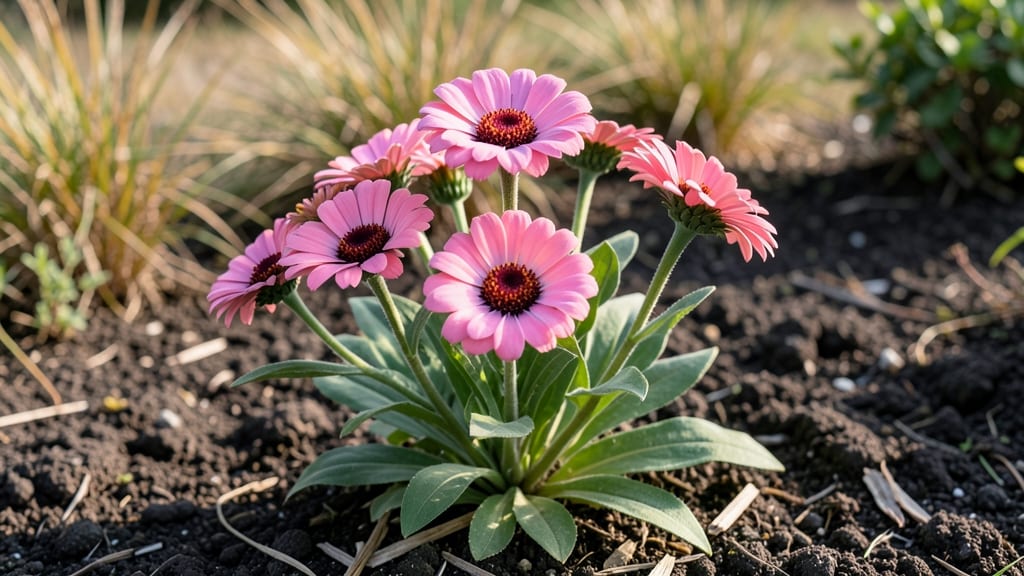
The pink zinnia flower thrives in the Pacific Northwest’s dry summers, offering bold color and pollinator power without demanding constant water—just add full sun and well-draining soil to turn your rain garden into a buzzing summer spectacle. 🌸 I’ve used them to transform mine.
Their velvety petals attract bees and butterflies while standing up to wind and heat better than most annuals.
The secret to their versatility lies in how you use them. In borders, they create a lush, cottage-core look when paired with lavender and catmint. For containers, mix with trailing calibrachoa and snapdragons for a spiller-thriller-filler combo. Even deadheaded, they keep blooming until frost—no fuss, just nonstop color.
What makes them special is their textural contrast: pair deep pink zinnias with silver foliage plants like lamb’s ear, or let them pop against dark purple salvias.
Their long stems also make cut flowers that last 10 days in a vase—just snip when buds open halfway. The possibilities for seasonal arrangements are endless.
From sunny borders to drought-tolerant containers, pink zinnias adapt effortlessly. They’re the workhorse of summer gardens—beautiful, hardy, and always in demand by pollinators. Ready to make them your go-to annual?
📚 In This Guide
- What you need
- Instructions
- Tips and common mistakes
- Wrapping up and next steps
What you need
- ● Pink Zinnia Seeds: 20–50 seeds (non-GMO, heirloom varieties like ‘Benary’s Giant’ or ‘Crystal’ work beautifully).
- ● Well-draining potting mix: 10–15 lbs (look for a blend with perlite or sand for drought resistance).
- ● Containers or garden beds: Containers: 5–7" deep pots (1–2 seeds per pot) or raised beds (3–4 sq ft per 50 seeds).
- ● In-ground: Full sun exposure (6+ hours/day) with loose, rocky soil (common in PNW).
- ● Organic compost: 2–3 cups (mix 1 part compost to 3 parts soil for nutrients).
- ● Slow-release fertilizer: 1 tbsp (balances NPK ratio, e.g., 10-10-10).
- ○ Mulch (optional but recommended): 1–2 inches of straw or wood chips to retain moisture.
- ● Hand trowel or small shovel (for transplanting seedlings).
- ● Watering can or hose with gentle spray nozzle (zinnias hate soggy roots!).
- ● Pruning shears (to deadhead spent blooms and encourage regrowth).
- ○ Gloves (optional, for handling prickly stems or rocky soil).
- ○ Drought-tolerant companion plants (optional): Lavender, yarrow, or catmint (pair well with zinnias in dry climates).
- ● Avoid heavy feeders like tomatoes—they’ll compete for water.
How to grow drought-tolerant pink zinnias in the Pacific Northwest
Here’s the foolproof method I’ve used for years to grow vibrant pink zinnias that thrive in our region’s dry summers and attract pollinators all season.
🌱 Step 1: Choose the Right Variety and Planting Time
For the Pacific Northwest’s climate, select ‘Benary’s Giant’ or ‘Profusion Pink’—both handle our cooler nights and dry spells beautifully. Start seeds indoors 6-8 weeks before your last frost date (typically early April for most of the region). If you prefer transplants, buy them in late spring after soil warms to at least 55°F.
Here’s the thing—zinnias are annuals, but they self-seed like crazy. If you let a few go to seed, you’ll have volunteers popping up next year without any work. I always save a few spent blooms to collect seeds for future plantings. Plant seeds ¼ inch deep in well-draining soil, spacing them 12-18 inches apart for full, bushy plants.
☀️ Step 2: Prepare Soil and Position for Maximum Sun
Zinnias despise soggy roots, so amend your soil with compost or aged manure to improve drainage. Mix in a handful of granular, slow-release fertilizer at planting to give them a strong start. In the Pacific Northwest, choose a south-facing spot that gets at least 6-8 hours of direct sun daily—zinnias won’t bloom well in shade.
I test soil moisture by sticking my finger 1 inch deep—if it’s dry, it’s time to water. Zinnias are drought-tolerant once established, but they need consistent moisture during their first 4-6 weeks to prevent leggy growth. Mulch with 2-3 inches of straw or wood chips to retain moisture and suppress weeds.
💧 Step 3: Water Deeply and Deadhead for Continuous Blooms
Water zinnias deeply once a week rather than shallow daily sessions. This encourages deep root growth, which is key for drought resistance. Aim for 1 inch of water per week, delivered at the base of the plant to avoid wetting the foliage—this prevents fungal diseases like powdery mildew.
Deadheading spent blooms is non-negotiable if you want nonstop flowers. Snip off faded blooms with clean scissors just above a set of leaves or side bud—this redirects energy to new growth. I do this every 2-3 days during peak bloom, and my zinnias keep producing until the first frost. Pinch back leggy stems by ⅓ to encourage bushier growth.
✂️ Step 4: Protect from Common Pacific Northwest Pests
Watch for Japanese beetles and aphids, which love zinnias. I spray plants with a soapy water solution (1 tsp mild dish soap per quart of water) in the early morning to dislodge pests. For severe infestations, use neem oil—it’s organic, safe for pollinators, and effective against soft-bodied insects.
If your zinnias develop yellow leaves, it’s usually a sign of overwatering or nutrient deficiency. Cut back on watering immediately and fertilize lightly with a balanced, water-soluble fertilizer (10-10-10) every 4-6 weeks. Zinnias are heavy feeders but don’t overdo it—too much nitrogen leads to lush foliage and few blooms.
🌿 Step 5: Extend the Season with Simple Tricks
To push blooms later into fall, cover plants with a frost cloth on chilly nights after 50°F. This buys you 2-4 extra weeks of color. In the Pacific Northwest, zinnias often last until mid-October with this trick. If frost hits early, cut back stems to 6 inches tall—they’ll often regrow and bloom again in spring.
Save seeds from your healthiest plants by letting 5-10 blooms go to seed at the end of the season. Dry the seed heads indoors, then store them in a paper envelope in a cool, dark place. Next year, you’ll have free, region-adapted zinnias ready to plant. Real talk: this is how I’ve kept my favorite pink varieties thriving for years without buying new seeds.
Tips & tricks for perfect pink zinnia growth in the Pacific Northwest
Here's what I've learned after years of growing these drought-resistant beauties in our unique climate—these tricks will help you avoid common pitfalls and get the most vibrant pink blooms.
Variety Matters: While 'Benary's Giant' and 'Profusion Pink' are excellent choices, consider adding 'Magellan Series' for extra heat tolerance—this variety handles our hotter summer days even better. I've found these perform particularly well in the Columbia Basin where temperatures can spike unexpectedly. For container gardening, choose compact varieties like 'Crystal Series' to maximize space in your patio pots.
Timing Secret: The 6-8 weeks before last frost date is crucial for seed starting. Use a seedling heat mat set to 70-75°F to speed up germination—this can shave 5-7 days off your starting time. Place your seed trays in the brightest window or under grow lights for 14-16 hours daily. I always mark my calendar with the last frost date and count backward to set my reminders.
Soil Preparation: Pacific Northwest soil often contains too much clay, which can suffocate zinnia roots. To improve drainage, mix in equal parts compost and perlite before planting. For heavy clay soils, consider building raised beds or containers. I've had the best success with a soil mix that's 60% native soil, 30% compost, and 10% perlite—this creates the perfect balance of moisture retention and drainage for our region.
Deadheading Strategy: The 2-3 day deadheading schedule pays off big time, but there's a trick to maximize blooms. Use sharp pruning shears and cut just above a set of leaves or side bud at a 45-degree angle. This creates a larger surface area for new growth. I also recommend deadheading in the early morning when the plants are fully hydrated—this reduces stress on the plant.
Pro Tips for Pink Zinnia Flower
- Here's what I've learned after years of growing these drought-resistant beauties in our unique climate—these tricks will help you avoid common pitfalls and get the most vibrant pink blooms.
- Variety Matters: While 'Benary's Giant' and 'Profusion Pink' are excellent choices, consider adding 'Magellan Series' for extra heat tolerance—this variety handles our hotter summer days even better.
- Timing Secret: The 6-8 weeks before last frost date is crucial for seed starting.
Frequently asked questions
Got questions about growing and caring for pink zinnia flowers? You’re in the right place! Here are answers to the most common queries from gardeners in the Pacific Northwest and beyond.
How long do pink zinnias take to bloom after planting?
Pink zinnias typically bloom 6 to 8 weeks after planting seeds, depending on temperature and growing conditions. For faster blooms, start seeds indoors 4 to 6 weeks before the last frost. In the PNW’s cooler climate, expect slightly slower growth but vibrant blooms from mid-summer until frost.
Are pink zinnias drought-tolerant like the article claims?
Yes! Once established, pink zinnias are drought-tolerant and thrive with weekly watering (or less in well-draining soil). Overwatering can lead to root rot, so let the soil dry slightly between waterings. Mulching helps retain moisture and keeps blooms healthy.
Why aren’t my zinnias attracting pollinators?
Pollinators love zinnias, but if yours are ignored, check these fixes:
- Deadhead spent blooms regularly to encourage new flowers.
- Ensure full sun exposure (6+ hours/day).
- Avoid pesticides—opt for neem oil or companion planting (e.g., marigolds).
Can I grow pink zinnias in containers?
Pink zinnias thrive in containers with well-draining soil and a minimum 12-inch pot per plant. Use a balanced fertilizer every 3–4 weeks and place pots in full sun. Dwarf varieties (like ‘Thumbelina’) are ideal for smaller spaces.
Do pink zinnias survive PNW winters?
Zinnias are annuals, so they won’t return after frost. However, you can save seeds for next year! In mild PNW winters, some may linger until 20°F (-7°C), but most die back. Start new seeds in early spring for summer blooms.
Pro Tip: Boost blooms by pinching back young plants to encourage bushier growth!
Wrapping up and next steps
The pink zinnia isn’t just a stunning addition to your Pacific Northwest garden—it’s a resilient, pollinator-friendly superstar that thrives even in drought. With minimal effort, you can enjoy vibrant blooms while supporting bees, butterflies, and local ecosystems. Ready to transform your outdoor space?
🌸 Next steps:
- Grab your seeds and soil—plant a patch today!
- Share your progress with fellow gardeners (tag us @PNWGardener!).
- Explore more drought-tolerant blooms to expand your garden’s impact.