
Plants
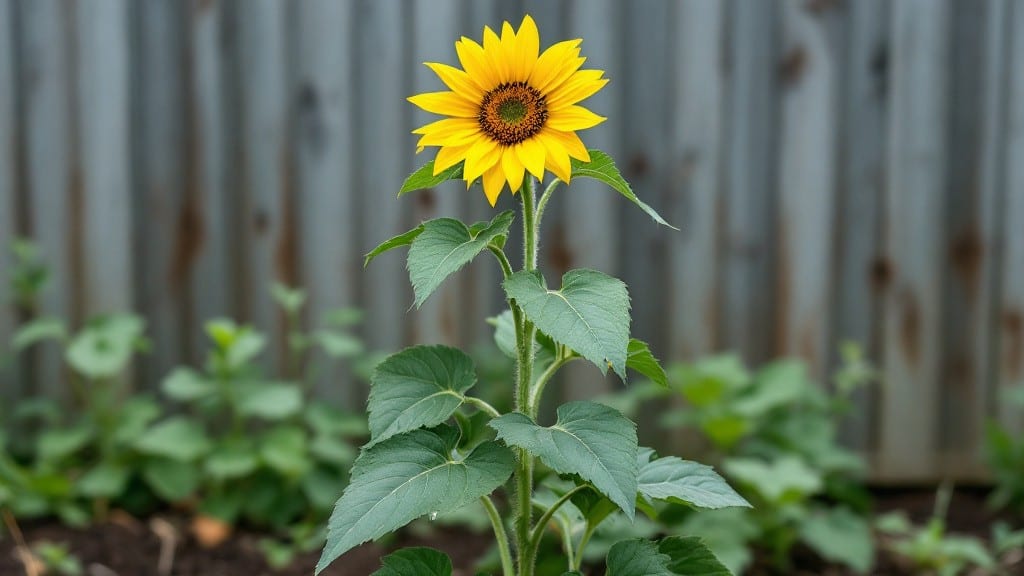
The prairie sunflower leaves you harvest this summer could taste like a cross between spinach and walnuts—if you know how to grow them right.
I first discovered their nutty flavor while foraging along a prairie edge, and now I grow them in my garden specifically for their edible leaves and striking golden blooms.
These leaves thrive in poor soil and full sun, making them perfect for beginner gardeners or neglected corners of the yard. Plant them in well-draining soil, water deeply once a week, and watch them grow into lush, spinach-like greens with a subtle crunch.
The key is pruning regularly to encourage tender new growth—just snip the outer leaves and let the plant keep producing.
📚 In This Guide
- What you need
- Instructions
- Tips and common mistakes
- Wrapping up and next steps
What you need
- ● Fresh or dried prairie sunflower leaves (Harvest young, tender leaves for the best flavor. Aim for 5–10 leaves per person for a side dish.)
- ● Knife or pruning shears (A sharp, 3–4 inch chef’s knife or small pruners for harvesting.)
- ● Cutting board (A 12x12 inch wooden or plastic board to prep leaves safely.)
- ● Bowl for washing (A large, shallow bowl filled with cool water and a splash of vinegar or lemon juice to remove dirt/debris.)
- ● Colander or strainer (For draining leaves after washing.)
- ● Cooking oil (2–3 tbsp, like olive or avocado oil, for sautéing or roasting.)
- ● Salt and pepper (To taste—essential for any dish!) 🧂
- ○ Gloves (optional but recommended) (If foraging in areas with potential allergens or rough terrain.)
- ● Food processor or blender (For making prairie sunflower pesto—add 1 cup leaves + ½ cup nuts + ¼ cup oil.)
- ● Drying rack or dehydrator (To preserve leaves for later use; spread on a mesh screen in a dry, dark place.)
- ● Herbs/spices (Garlic, lemon zest, or chili flakes to enhance flavor—think sunflower-leaf “salsa” or salads!)
- ● Field guide or app (Like iNaturalist or a local foraging book to positively ID prairie sunflowers—never eat unidentified plants! ⚠️)
How to grow and harvest prairie sunflower leaves for edible greens
These nutty, spinach-like leaves are easier to grow than you’d think—just follow these simple steps.
Choose the Right Location and Prepare the Soil
Prairie sunflowers thrive in full sun (at least 6-8 hours daily) and adapt to most well-draining soils, though they prefer slightly sandy or loamy conditions. I like to test the soil pH first—these plants do best in a neutral range of 6.0-7.0. If your soil is heavy clay, mix in 2-3 inches of compost to improve drainage and fertility.
Clear the area of weeds and loosen the top 6 inches of soil with a garden fork or tiller. Prairie sunflowers have deep roots, so breaking up compacted soil early ensures strong growth. If planting in containers, use a 5-gallon pot with drainage holes and fill it with a mix of 60% potting soil and 40% perlite or sand for that loose, airy texture they love.
Plant Seeds at the Correct Depth and Spacing
Sow seeds ¼ inch deep in early spring, about 2-3 weeks before your last frost date. I like to plant them in rows 12-18 inches apart to give the mature plants room to spread. If you’re growing them for leaves (rather than flowers), you can space them closer—about 6-8 inches apart—since you’ll be harvesting the foliage before the plants get too tall.
Water gently after planting to settle the soil around the seeds, but don’t oversaturate—they’ll rot if left too damp. Place a small stake or marker near each row to avoid disturbing the seedlings later. You’ll see sprouts in 7-14 days, depending on your climate. If your area has cool nights, a thin layer of mulch (like straw) helps retain warmth and moisture.
Maintain Consistent Watering and Fertilization
Once seedlings emerge, water them deeply 1-2 times per week, ensuring the soil stays moist but not soggy. Prairie sunflowers are drought-tolerant once established, but young plants need steady moisture to develop strong leaves. I water in the morning so the foliage dries quickly, reducing the risk of fungal issues.
Fertilize lightly every 4-6 weeks with a balanced, organic fertilizer (like 10-10-10) to encourage leafy growth. Too much nitrogen will make the plants focus on stems and flowers instead of tender greens. You’ll know you’re on track when the leaves stay vibrant green and the plants grow steadily without legginess.
Harvest Leaves at the Right Time for Maximum Flavor
Start harvesting young leaves when the plants are 6-12 inches tall, typically 4-6 weeks after sowing. Use clean scissors or your fingers to pinch off the outer leaves, leaving the inner growth to continue. This method encourages bushier, more productive plants. The younger leaves have the mildest, spinach-like flavor, while slightly older leaves develop a nutty, slightly bitter taste—perfect for sautéing or adding to salads.
Harvest in the morning after the dew has dried but before the sun gets too intense. Avoid cutting more than ⅓ of the plant at a time to prevent stress. If you’re growing for both leaves and flowers, let some stems mature to attract pollinators, but prioritize leaf harvests if that’s your goal. You’ll get multiple harvests per season if you keep the plants well-maintained.
Extend the Harvest Season with Simple Care
Prairie sunflowers are hardy and can often be harvested into fall, but if you want to keep them going longer, give them a little extra care. In late summer, trim back any flower stalks that have formed to redirect the plant’s energy into leaf production. This is especially useful if you’re growing in cooler climates where the season shortens earlier.
If frost threatens, you can dig up the entire plant and pot it up to overwinter indoors near a sunny window. The roots are surprisingly resilient, and with proper light and occasional watering, you can keep harvesting leaves well into winter. Just avoid fertilizing in the last 6 weeks of growth—it can make the leaves taste bitter.
Tips & tricks for perfect prairie sunflower leaves
Here's what I learned after growing these nutty greens for years—tricks that'll make all the difference in your harvest.
Sunlight Strategy: While prairie sunflowers tolerate partial shade, they truly thrive with those 6-8 hours of full sun daily. If your garden gets less, prioritize the sunniest spot in your yard. I've seen plants in partial shade grow leggy and produce fewer leaves—so don't skimp on sunlight if you want that perfect spinach-like texture.
Soil Preparation Secret: The 6 inches of loosened soil in Step 1 is non-negotiable for these deep-rooted plants. Use a garden fork to break up compacted soil rather than a tiller, which can pulverize the soil too much. For containers, that 5-gallon pot with drainage holes is crucial—without it, roots will suffocate and your plants will struggle.
Timing Your Planting: Those 2-3 weeks before your last frost date give seedlings time to establish before warmer weather arrives. I've found that planting too early in cold climates can lead to rot, while planting too late means you miss the peak harvest window. Check your local frost dates and aim for that sweet spot—your plants will thank you with bushier growth.
Harvesting Technique: When harvesting those 6-12 inch tall plants, always pinch or cut leaves from the outside inward. This encourages new growth from the center and prevents the plant from becoming stressed. I've harvested the same plants for months using this method—just avoid taking more than ⅓ at a time to keep them producing.
Pro Tips for Prairie Sunflower Leaves
- Here's what I learned after growing these nutty greens for years—tricks that'll make all the difference in your harvest.
- Sunlight Strategy: While prairie sunflowers tolerate partial shade, they truly thrive with those 6-8 hours of full sun daily.
- Soil Preparation Secret: The 6 inches of loosened soil in Step 1 is non-negotiable for these deep-rooted plants.
Frequently asked questions
Got questions about harvesting, growing, or using prairie sunflower leaves? You’re not alone! Here are some of the most common queries—and their answers—to help you get the most out of these nutty, spinach-like greens.
When is the best time to harvest prairie sunflower leaves?
The ideal time to harvest is early in the season, before the plant bolts (typically late spring to early summer). Focus on younger leaves—they’re tender and packed with flavor. Avoid harvesting after flowering, as the leaves become tougher and more bitter. Pro tip: Pick leaves in the morning for the freshest taste!
Can I grow prairie sunflower leaves in containers or small gardens?
These hardy plants thrive in containers as long as the pot is at least 12 inches deep and has good drainage. They’re drought-tolerant and adapt well to urban settings. Just ensure they get full sun (6+ hours daily) and well-draining soil. Bonus: They’re great for pollinators too!
How do I store prairie sunflower leaves for later use?
Store fresh leaves in the fridge for 3–5 days in a sealed container with a paper towel to absorb moisture. For longer storage, blanch and freeze them: Dip leaves in boiling water for 30 seconds, then plunge into ice water before drying and freezing. Pro tip: Freeze in small portions for easy cooking!
What can I substitute if I can’t find prairie sunflower leaves?
If you’re craving that nutty, spinach-like flavor, try dandelion greens, purslane, or young lamb’s quarters. For a milder taste, kale or Swiss chard work well in salads or sautés. Note: Always harvest wild greens from pesticide-free areas!
Are there any risks or precautions when eating prairie sunflower leaves?
Generally safe, but avoid harvesting from roadsides or sprayed areas—pesticides or contaminants can be a risk. If you’re unsure about identification, cross-check with a local foraging guide. Allergies? Start with small amounts to test tolerance. When in doubt, stick to store-bought or homegrown!
Wrapping up and next steps
Discovering the prairie sunflower leaves opens up a world of nutty, spinach-like flavors right in your backyard—or even your kitchen! These edible greens pack a punch with vitamins, minerals, and a unique taste that’s perfect for adventurous cooks.
Whether you’re foraging, growing your own, or experimenting with recipes, they’re a fantastic addition to your culinary repertoire.
Ready to take the next step? Start small—try a simple salad or sautéed side dish to see how they fit into your meals. Who knows? You might just fall in love with this underrated green! 🌱✨