
Flowers
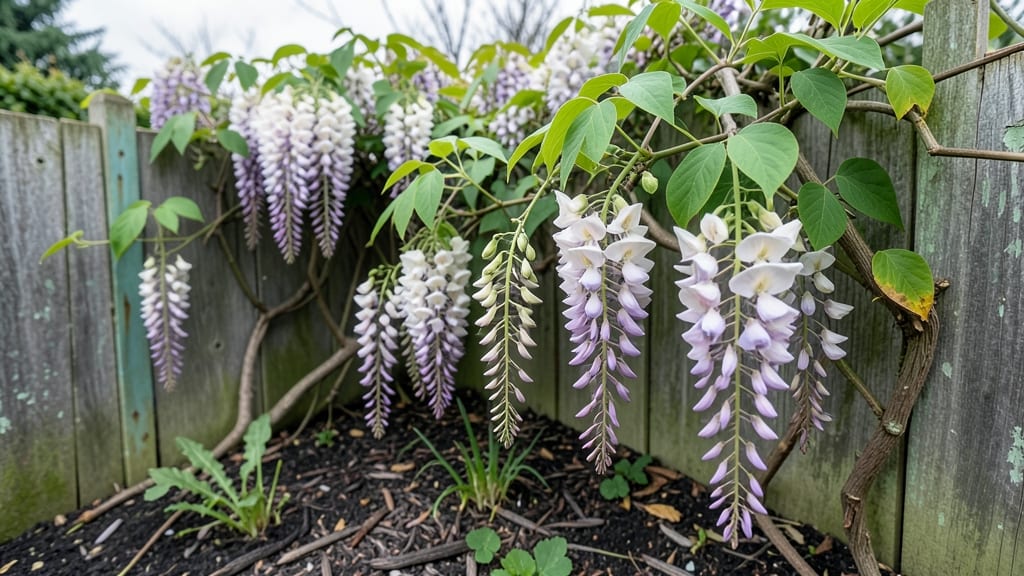
Your cottage garden just got a vertical upgrade with purple and white vine flowers cascading like a painter’s brushstroke. 🌿 I fell for these vines after my first clematis bloomed—its lavender-petal clusters against a whitewashed trellis looked like a storybook.
The secret isn’t just the color; it’s how they transform bare walls, fences, and arbors into living tapestries.
Start with clematis for bold drama or morning glories for quick, seasonal flair. Pair them with roses or lavender for a cottage-core palette, or let them climb over a simple wooden trellis for an effortless, romantic look.
These vines thrive with minimal fuss—just a sturdy support, well-draining soil, and morning sun (afternoon shade in hot climates).
Imagine your garden in late summer: velvety purple blooms spilling over an archway, their white accents glowing in the dappled light. The fragrance lingers on warm breezes, and hummingbirds hover just out of reach. With the right placement, these vines become the heart of your garden’s vertical story.
Whether you’re training them up a pergola or weaving them through a rustic fence, the key is patience. Give them time to establish roots, and they’ll repay you with months of lush, eye-catching growth. Start small—one vine, one trellis—and let the magic unfold.
📚 In This Guide
- What you need
- Instructions
- Tips and common mistakes
- Wrapping up and next steps
What you need
- ● Purple and White Vine Flowers: Seeds (e.g., Clematis, Wisteria, or Morning Glory) – 10–20 seeds per vine (check packet for spacing).
- ● OR Potted vines (3–6 inches tall, 1–3 plants per trellis).
- ● Trellis or Support Structure: Wooden lattice (4’x6’ or taller), metal arbor, or sturdy stakes (2–4 per vine).
- ○ Optional: Decorative obelisks or pergolas for a romantic touch!
- ● Potting Soil: 5–10 gallons of well-draining, organic-rich soil (mix in compost for nutrients!).
- ● Fertilizer: Slow-release granular fertilizer (10-10-10 ratio) or organic options like fish emulsion.
- ● Gardening Tools: Trowel or hand shovel
- ● Gloves (to protect from thorns or soil)
- ● Pruners (sterilized, for trimming)
- ○ Optional: Mulch (2–3 inches of straw or wood chips to retain moisture).
- ● Location: Sunlight: 6+ hours daily (most vines thrive in full sun).
- ● Space: Vertical growth area (vines can reach 10–20 feet!).
- ● Watering Supplies: Garden hose with spray nozzle or watering can (deep watering 2x/week).
How to grow stunning purple and white vine flowers for vertical garden drama
Here's my go-to method for cultivating showstopping vines that transform any cottage garden into a romantic vertical escape.
🌱 Step 1: Select and Prepare Your Vine Varieties
Start with clematis or wisteria for bold purple blooms, or jasmine and morning glory for delicate white flowers. I always choose disease-resistant varieties like 'Jackmanii' clematis or 'Prolific' wisteria—they handle humidity better and bloom more reliably. Purchase 1-year-old bare-root plants from a reputable nursery in early spring.
Soak the roots in lukewarm water for 2-3 hours before planting. This rehydrates the roots and jumpstarts growth. Handle the stems carefully—they're brittle when dry. If planting in containers, use a 5-gallon pot with drainage holes for each vine. The roots need room to establish before they can support heavy blooms.
☀️ Step 2: Choose and Prepare the Perfect Support Structure
Vines need sturdy support to climb and display their flowers dramatically. I recommend metal trellises for durability or wooden arbors for rustic charm. The structure should be at least 6 feet tall for full coverage—taller for wisteria, which can reach 20+ feet if given space.
Install your support before planting. For climbing roses or clematis, use twine or soft ties to gently guide new growth upward. Avoid wire or anything that could damage tender vines. If planting near a fence, pre-drill holes and secure the trellis with galvanized screws to prevent rust. The goal is a structure that lasts decades and supports 10+ pounds of blooms at peak season.
💧 Step 3: Plant for Maximum Bloom Potential
Dig a hole twice as wide as the root ball but only as deep as the container's base. This prevents the crown from being buried too deeply, which causes rot. Amend the native soil with compost mixed to a depth of 12 inches—vines are heavy feeders and need rich soil to support their growth.
Position the vine so the top of the root ball sits 1-2 inches below soil level. For container planting, use a well-draining potting mix with added perlite. Water deeply after planting until moisture reaches 6 inches down. You'll see new growth within 3-4 weeks if the soil stays consistently moist but not soggy. Mulch with 2-3 inches of shredded bark to retain moisture and regulate soil temperature.
✂️ Step 4: Train and Prune for Year-Round Interest
Prune immediately after planting to shape the vine. For clematis, cut back 1/3 of the stems to encourage bushier growth. Wisteria benefits from a hard prune in late winter—trim back 70% of the previous year's growth to stimulate new, flower-bearing branches. Always prune just above a bud or leaf node at a 45-degree angle to promote healing.
Train new growth along the trellis using soft ties or spiral twine. Remove any suckers growing below the graft union (if present) to maintain vigor. Deadhead spent blooms regularly to encourage continuous flowering. The key is consistent pruning every spring and fall—this keeps vines manageable and ensures they produce abundant flowers rather than long, leggy stems.
🌿 Step 5: Maintain for Season-Long Spectacle
Water deeply twice weekly during the first growing season, then taper to once weekly once established. Vines show stress first through yellowing leaves or wilting flowers—these are signs to increase watering. Fertilize in early spring with a balanced 10-10-10 formula and again after blooming with a phosphate-heavy 5-10-5 to encourage next year's buds.
Watch for pests like aphids or spider mites, which thrive on new growth. Spray with neem oil at the first sign of infestation—it's organic, effective, and won't harm beneficial insects. In fall, apply a 3-inch layer of mulch around the base to protect roots from freezing temperatures. With proper care, your vines will reward you with dramatic vertical displays for decades.
Tips & tricks for perfect purple and white vine flowers
Transforming your garden into a romantic vertical escape starts with these essential tips that'll help your vines thrive and flourish.
The Root Soaking Secret: That 2-3 hour soak in lukewarm water isn't just about hydration—it's a game-changer for root establishment. I've found that adding a tablespoon of rooting hormone powder to the water boosts success rates, especially in humid climates. The key is maintaining water temperature between 65-75°F to prevent shock.
Support Structure Strategy: For wisteria's dramatic 20-foot potential, consider installing a temporary support system during the first growing season. Use flexible garden twine wrapped around a sturdy post to guide young vines upward without causing damage. Remember, the goal is to create a structure that can handle 10+ pounds of blooms—think metal trellises for longevity or wooden arbors for rustic charm.
Pruning Precision: When pruning clematis, focus on removing stems that cross or rub against each other. These "runners" compete for nutrients and can create weak points in your vine's structure. For wisteria's hard prune, I recommend using sharp, clean pruners and making cuts just above a bud at a 45-degree angle—this promotes faster healing and more robust new growth.
Container Planting Wisdom: If you're working with containers, never skimp on drainage. I've seen too many beautiful vines lost to root rot from poor drainage. Use a 5-gallon pot with at least three drainage holes, and always add perlite to your potting mix. For heavy feeders like wisteria, consider using a slow-release fertilizer pellet mixed into the soil at planting time.
Pro Tips for Purple And White Vine Flowers
- Transforming your garden into a romantic vertical escape starts with these essential tips that'll help your vines thrive and flourish.
- The Root Soaking Secret: That 2-3 hour soak in lukewarm water isn't just about hydration—it's a game-changer for root establishment.
- Support Structure Strategy: For wisteria's dramatic 20-foot potential, consider installing a temporary support system during the first growing season.
Frequently asked questions
Got questions about those stunning purple and white vine flowers? You’re not alone! Here are some of the most common queries—plus expert answers to help you grow and enjoy them with confidence.
What’s the best way to train these vines for maximum bloom?
Use a trellis, arbor, or fence for support—these vines thrive when climbing! Prune lightly after flowering to encourage bushier growth. Avoid over-trimming in early spring, as new blooms emerge from last year’s wood. For dramatic vertical impact, let them sprawl freely or weave them through latticework.
Are purple and white vine flowers toxic to pets or kids?
Most common varieties (like Clematis or Wisteria) are non-toxic, but always double-check the specific type. If you’re unsure, ask your local nursery or vet. Keep an eye on curious pets—their leaves can cause mild stomach upset if ingested in large amounts.
How do I keep these vines healthy in hot or humid climates?
Mulch the base to retain moisture and shade roots during peak heat. Water deeply in the morning to prevent fungal issues, and ensure good airflow by spacing plants properly. Prune regularly to reduce humidity buildup, and watch for pests like aphids—neem oil works wonders for organic control!
Can I grow purple and white vine flowers in containers?
Choose compact varieties like Clematis ‘Jackmanii’ or dwarf wisteria. Use a large pot (15+ gallons) with drainage holes, and pair with a sturdy trellis. Keep soil consistently moist but not soggy, and fertilize lightly during the growing season for best results.
Why aren’t my vine flowers blooming as expected?
Check these common culprits:
- Over-fertilizing with nitrogen (promotes leaves, not flowers).
- Poor sunlight (most need full sun to partial shade).
- Pruning at the wrong time (wait until after flowering).
- Dormant season neglect (some vines need winter rest).
Wrapping up and next steps
Incorporating purple and white vine flowers into your cottage garden isn’t just about adding beauty—it’s about crafting a living tapestry of color and movement. These versatile climbers transform any space into a whimsical retreat, offering low-maintenance elegance and a burst of seasonal charm.
Whether you’re a seasoned gardener or just starting, their dramatic vertical appeal makes them a must-have for any outdoor oasis.
Ready to bring this floral magic to life? Start small—pick one vine to experiment with, or go bold and mix varieties for a layered look. Grab your gloves, sketch a quick plan, and let your garden tell its own story. Happy planting! 🌿✨