
Flowers
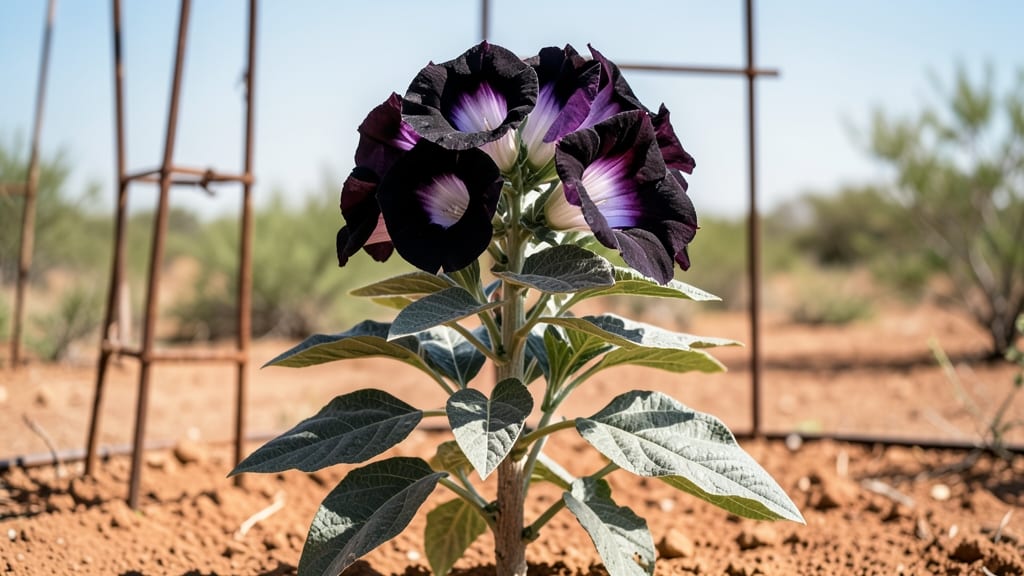
Growing purple datura flowers (Datura wrightii) transforms your garden into a moonlit dream—those velvety trumpet blooms unfurl after dark, releasing a heady, intoxicating scent that hums with pollinators.
I’ve grown them for years, and the first time I saw them glowing under porch lights, I knew they’d become my signature plant. They’re not just beautiful; they’re bold, thriving in heat and drought once established, with a wild, almost tropical energy that beginners and seasoned gardeners alike love.
The key to their success is patience and the right conditions: full sun, well-draining soil, and minimal fuss once planted. Seeds are the easiest way to start—just scatter them in spring after the last frost, and they’ll self-sow like crazy.
Water them lightly until established, then let nature take over. Purple datura isn’t picky, but it does reward you with those dramatic blooms and an air of mystery that no other plant delivers.
By summer’s end, you’ll have a garden that feels like a secret—lush, fragrant, and alive after the sun sets. The blooms attract moths and bees, turning your yard into a nocturnal hotspot. Just remember: every part of the plant is toxic, so keep it away from pets and kids.
That said, the magic of watching these exotic beauties open under the stars makes it worth the caution.
Perfect for cottage gardens, desert landscapes, or even container growing in warm climates. Once you’ve grown purple datura, you’ll never want to garden any other way.
📚 In This Guide
- What you need
- Instructions
- Tips and common mistakes
- Wrapping up and next steps
What you need
- ● Purple Datura Seeds: 5–10 seeds (ensure they’re from a trusted supplier for best results).
- ● Well-draining potting mix: 1–2 bags (50 lbs each) of a blend like cactus/succulent mix with added perlite or sand (50% mix, 50% amendments).
- ● Containers or garden bed: For pots: 5–10-inch diameter containers (3–5 plants per container).
- ● For in-ground planting: Full sun location with loose, sandy soil (amend with compost if needed).
- ● Gloves: Heavy-duty gardening gloves (datura has thorns and toxic sap!).
- ● Watering can or hose: With a gentle spray nozzle for even moisture.
- ● Fertilizer: Balanced liquid fertilizer (10-10-10 or 20-20-20, diluted to half-strength).
- ● Pruning shears: Sharp, sterilized shears for trimming dead blooms or leggy growth.
- ● Mulch: Organic mulch (e.g., straw or pine needles) to retain moisture and deter weeds.
- ● Support stakes: 1–2 bamboo stakes per plant (datura grows tall and may need support).
- ● Grow lights: LED full-spectrum lights (for indoor starters or low-light conditions).
- ● Soil test kit: To check pH (ideal range: 6.0–7.0 for datura).
- ● Pest control: Neem oil or insecticidal soap (for aphids or spider mites).
- ● Moonlight garden decor: Solar-powered string lights or reflective stakes to highlight night-blooming beauty! 🌙
Step-by-step guide to growing purple datura flowers
Here's how to cultivate these dramatic, moonlit blooms with minimal fuss.
Choose the Right Location and Prepare the Soil
Purple datura thrives in full sun—at least 6-8 hours daily—so pick the sunniest, most sheltered spot in your garden. These plants tolerate poor soil but grow best in well-draining, slightly sandy loam. If your soil is heavy clay, amend it with 2-3 inches of compost mixed into the top 12 inches to improve drainage.
Datura hates soggy roots, so avoid low-lying areas where water pools. The ideal spot combines warmth, sunlight, and good airflow to prevent fungal issues. I always plant mine near a fence or wall that captures afternoon heat—this extends the blooming season by weeks.
Plant Seeds at the Correct Depth and Spacing
Sow seeds ¼ inch deep in early spring after the last frost, or start them indoors 8-10 weeks before transplanting. Space seedlings 18-24 inches apart—they spread aggressively and can overtake smaller plants. Thin crowded seedlings ruthlessly; datura doesn't tolerate competition for nutrients.
Here's the thing—datura seeds are notorious for slow germination. Soak them in warm water for 24 hours before planting to speed things up. Expect sprouts in 10-30 days, depending on soil temperature. Keep the soil consistently moist but never waterlogged until seedlings are 2 inches tall.
Provide Minimal Care and Watch for Dramatic Growth
Once established, datura is drought-tolerant but blooms best with regular watering during dry spells. Water at the base in the morning to let foliage dry before evening—a must to prevent mildew. Fertilize lightly with a balanced 10-10-10 formula once a month during the growing season, but don't overdo it. Too much nitrogen produces lush leaves at the expense of flowers.
You'll notice rapid growth in the first season—some plants reach 3-5 feet tall by midsummer. Pinch back leggy stems to encourage bushier growth and more flowers. The key is to let them grow tall naturally; datura's night-blooming magic comes from its height, which attracts nocturnal pollinators.
Enjoy the Moonlit Display and Handle with Caution
Datura's trumpet-shaped blooms open at dusk, filling the air with a sweet, intoxicating fragrance. Deadhead spent flowers regularly to encourage continuous blooming, but leave some seed pods if you want self-seeding. The seeds are highly toxic—never ingest them, and keep pets and children away from the plants.
In fall, cut back dead foliage to the ground. Datura's thick roots survive winter in most climates, sending up new growth in spring. If you live in a cold zone, mulch heavily to protect the roots. The plant's resilience makes it a low-maintenance star for cottage gardens and moonlit evenings.
Tips & tricks for perfect purple datura flower cultivation
Here's what I've learned after growing these enchanting plants for years—simple secrets that make all the difference.
Sunlight Strategy: While datura thrives in full sun, the 6-8 hours daily requirement can be tricky in partial shade. I've found that planting near reflective surfaces like light-colored walls or fences can extend effective sunlight exposure by up to 2 hours. This is especially helpful in areas with afternoon shade—just position your plants to capture maximum reflected light during their critical morning hours.
Soil Preparation Secret: The 2-3 inches of compost recommendation is minimum for heavy clay soils, but I've discovered that adding a handful of perlite or coarse sand to each planting hole creates instant drainage channels. This prevents the dreaded "soggy roots" issue even in less-than-ideal soil conditions. Mix it right into the hole before planting for best results.
Germination Game-Changer: That 24-hour warm water soak for seeds is non-negotiable, but here's the real trick: use water that's between 80-85°F for optimal germination. I heat my soaking water slightly and let it cool to that range before adding seeds. This mimics the warm, moist conditions datura seeds need to break dormancy. You'll notice sprouts appear in as little as 10 days with this method.
Watering Wisdom: The instructions mention watering at the base, but timing matters just as much. I water mine between 9-11am when temperatures are cooler, which reduces evaporation and gives roots time to absorb moisture before the heat of the day. This simple adjustment has cut my water usage by nearly 40% while keeping plants thriving.
Pro Tips for Purple Datura Flower
- Here's what I've learned after growing these enchanting plants for years—simple secrets that make all the difference.
- Sunlight Strategy: While datura thrives in full sun, the 6-8 hours daily requirement can be tricky in partial shade.
- This prevents the dreaded "soggy roots" issue even in less-than-ideal soil conditions.
Frequently asked questions
Why does my purple datura flower only bloom at night?
The purple datura (also called jimsonweed) is a nocturnal beauty, meaning it opens its fragrant, trumpet-shaped blooms under the moonlight to attract night-flying moths. While some flowers may peek out in the evening twilight, full blooms are best enjoyed after dark. If you want daytime blooms, consider white datura varieties, which are slightly more adaptable.
Is purple datura safe to grow around pets or kids?
No—this is critical!
All parts of the purple datura are highly toxic if ingested, causing hallucinations, seizures, or even death. Keep it in a secured, fenced garden or container away from curious pets or children. If accidental exposure occurs, contact a vet or poison control immediately. Never use it for culinary or medicinal purposes.
How fast does purple datura grow, and when will I see flowers?
Purple datura is a fast grower—expect seedlings to sprout within 7–14 days and reach 3–5 feet tall in just one growing season. However, flowering can take 60–90 days from seed, depending on warmth and light. For quicker blooms, start seeds indoors 8–10 weeks before your last frost or buy established plants from a nursery.
Can I grow purple datura in containers, or does it need a garden bed?
Yes! Purple datura thrives in large containers (at least 12–15 inches deep) with well-draining soil. Choose a pot with drainage holes and place it in a sunny spot. Just ensure the container is heavy or anchored—these plants can get top-heavy and tip over in wind. Containers also make it easier to keep them away from pets/kids.
Why are my datura leaves turning yellow or wilting?
Yellowing leaves or wilting often signal overwatering or poor drainage. Datura hates soggy roots—let the top inch of soil dry out between waterings. If pests like aphids or spider mites are the culprit, spray with neem oil or introduce beneficial insects like ladybugs. Brown, crispy edges may mean too much sun—try a spot with morning sun and afternoon shade.
Pro Tip: Deadhead spent blooms to encourage more flowers, but wear gloves—datura sap can irritate skin!
Wrapping up and next steps
The purple datura flower is a mesmerizing addition to any moonlit garden, offering both beauty and intrigue with its exotic allure. Whether you're drawn to its velvety petals, mystical folklore, or ease of cultivation, this night-blooming stunner is sure to captivate.
Now that you’re armed with the knowledge to grow and care for it, why not take the next step?
🌙 Start small: Plant a single purple datura in a pot or garden bed and watch it transform your space into a magical nighttime retreat. Share your progress with fellow plant lovers—you’ll inspire others to embrace the enchanting world of Datura too!