
Lawn
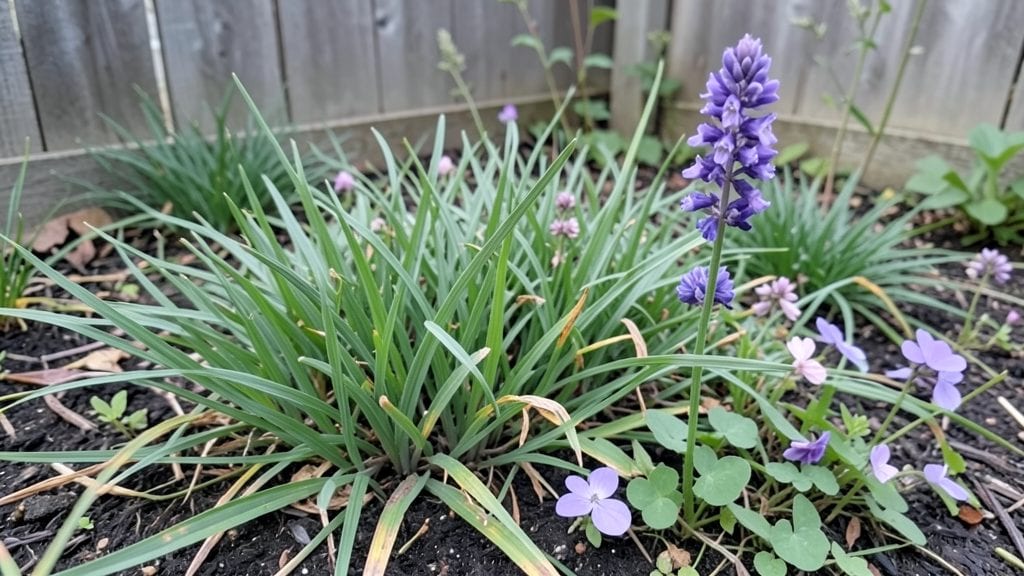
Those stubborn purple-flower weeds in the grass popping up in your lawn aren’t just unsightly—they’re often signs of clover, henbit, or chickweed that steal nutrients and crowd out your grass. 🌿 I’ve spent years pulling these tenacious invaders, and I’ve learned the telltale signs that separate harmless wildflowers from lawn-killers.
The key? Timing, tools, and knowing exactly which purple flowers deserve the boot—and which might actually be helping your yard.
Most of these weeds thrive in thin grass or compacted soil, so your first step is simple: improve your lawn’s health. A sharp rake, a few gallons of water, and a 30-minute session on a cool morning can make all the difference.
I’ve even turned my worst weed patches into lush grass by tackling them at the right stage—before they set seed. The tools you’ll need are basic: gloves, a hoe, maybe a spot herbicide for stubborn patches, and a little patience.
By the time you’re done, your lawn will look even and vibrant, free of those pesky purple intruders. The secret? Pull them young, water deeply afterward, and overseed bare spots before summer heat sets in.
You’ll notice the change within two weeks—no more scattered blooms, just thick, healthy grass that stays that way all season.
Works for any lawn type, from shady patches to sunny backyards. Let’s get those weeds out for good—without harming the grass you’ve worked so hard to grow.
📚 In This Guide
- What you need
- Instructions
- Tips and common mistakes
- Wrapping up and next steps
What you need
- ● Gloves: Heavy-duty work gloves (2 pairs) – nitrile or leather to protect your hands from thorns and chemicals.
- ● Weed Puller/Grass Digging Tool: A sturdy weed popper or hori-hori knife for deep-rooted weeds.
- ● Hand Trowel: A small, sharp-edged trowel (1-2) for precision removal.
- ○ Weed Killer (Optional but Helpful): Glyphosate-based herbicide (for stubborn weeds) OR
- ● Vinegar-based spray (for organic removal – 1 gallon of white vinegar + 1 cup dish soap).
- ● Trash Bags: 2-3 heavy-duty bags (13-gallon size) for debris disposal.
- ● Water Spray Bottle: Small (8 oz) for rinsing tools or dampening soil.
- ● Knee Pads: For comfort during long sessions.
- ● Weed Identification Guide/App: Like PictureThis or PlantNet to confirm weed types.
- ● Mulch or Grass Seed: For post-removal lawn repair (if needed).
- ● Sunscreen & Hat: If working in direct sunlight for extended periods.
How to identify and remove purple flower weeds in your lawn
Here’s how to spot and eliminate the five most common purple-blooming weeds that invade grass.
🌿 Step 1: Learn the Key Visual Clues for Each Weed Type
Start by examining the weed’s flower shape, leaf arrangement, and growth habit. Henbit has square stems and purple, tubular flowers that resemble snapdragons. Chickweed features small, star-shaped purple blooms on trailing stems, while Purslane has yellow or purple flowers but thick, succulent leaves. Creeping Charlie (also called ground ivy) has kidney-shaped leaves and tiny purple flowers in clusters. Oxalis stands out with its clover-like leaves and bright purple, umbrella-shaped blooms.
Pay attention to leaf patterns—some weeds like Oxalis have a distinct three-leaf clover shape, while others like Chickweed grow in opposite pairs. Take photos or sketch the weeds to compare later. The more details you notice, the easier removal becomes.
✂️ Step 2: Pull or Dig Weeds When Soil Is Moist
Wait for a rainy day or water the area thoroughly before pulling weeds. This loosens the soil, making it easier to remove entire root systems. Grab the weed at its base—Henbit and Chickweed often have shallow roots, while Creeping Charlie sends out runners that need to be pulled in their entirety to prevent regrowth. Use a hand trowel if the roots are stubborn, but avoid breaking them off, as fragments can sprout new plants.
For weeds like Oxalis, dig deeper—its roots can extend 2-3 inches below the surface. If you miss even a small piece, the weed will regenerate. Work in small sections to avoid missing any hidden roots or runners.
🌱 Step 3: Apply Targeted Herbicides (If Needed)
For large infestations, use a selective herbicide labeled for broadleaf weeds in lawns. Look for products containing 2,4-D or dicamba, which target purple-flowering weeds without harming grass. Apply on a dry, wind-free morning when temperatures are between 60-85°F. Water the lawn lightly afterward to help the herbicide absorb into the weed’s foliage.
Spot-treat stubborn weeds like Creeping Charlie with a vinegar-based herbicide (5-10% acetic acid) mixed with dish soap. This organic option works best on small patches but requires reapplication every 3-5 days until the weeds die. Always test the solution on a small grass area first to avoid damage.
☀️ Step 4: Prevent Regrowth with Proper Lawn Care
Strengthen your grass to outcompete weeds by mowing at 3-4 inches and fertilizing with a high-nitrogen lawn food in early spring. Purple-flowering weeds thrive in thin or stressed grass, so keep your lawn well-watered (1 inch per week) but avoid overwatering, which encourages weed seeds to germinate. Aerate compacted soil in late summer to improve root growth and reduce weed opportunities.
Overseed bare spots with a shade-tolerant grass mix if your lawn has thin areas. Purple-flowering weeds like Oxalis love shaded, weak grass—so a dense turf is your best defense. Apply corn gluten meal in early spring as a natural pre-emergent to suppress weed seeds.
🔍 Step 5: Monitor and Repeat as Needed
Check your lawn weekly for new purple blooms, especially in early spring and fall when weeds germinate. Early removal prevents them from setting seed and spreading. Keep a lawn journal to track which weeds return most frequently—this helps you adjust your prevention strategy. If Henbit or Chickweed reappears, focus on improving soil health with compost or organic matter to crowd out weeds naturally.
For persistent weeds like Creeping Charlie, repeat treatments every 4-6 weeks until the lawn stays weed-free. Patience is key—some weeds take multiple seasons to fully eradicate, but consistent care pays off in a lush, purple-weed-free lawn.
Tips & tricks for perfect purple flower weed removal
These practical tips will help you tackle those stubborn purple bloomers with confidence—and keep them from coming back.
Visual Clues Are Your Best Tool: In Step 1, when comparing weeds, focus on the leaf arrangement first—it's often more reliable than flower shape. For example, Oxalis leaves always grow in threes, while Chickweed leaves grow in opposite pairs. Grab a magnifying glass if needed; those tiny details make all the difference in accurate identification.
Timing is Everything for Pulling: The instructions mention waiting for moist soil, but here's the secret: early morning is ideal. Dew-covered weeds pull out more easily, and the cooler temps mean less stress on your lawn. If you must pull during the day, water the area first and work in the shade to prevent heat stress on the grass.
Herbicide Application Strategy: When using selective herbicides in Step 3, focus on the weeds' leaves—not the flowers. The active ingredients (like 2,4-D) need to absorb through the foliage, so aim for full coverage. For spot treatments, use a pump sprayer for precision—this prevents overspray on desirable plants and ensures you hit the target weeds without harming your grass.
Prevention Through Lawn Density: The key to long-term success in Step 4 is creating a thick, healthy turf. Overseeding with shade-tolerant grass in fall is especially effective—it fills in thin spots before winter when weeds germinate. I've found that adding 1/4 inch of compost during overseeding gives grass an extra boost to outcompete weeds naturally.
Pro Tips for Purple Flower Weeds In Grass
- These practical tips will help you tackle those stubborn purple bloomers with confidence—and keep them from coming back.
- Visual Clues Are Your Best Tool: In Step 1, when comparing weeds, focus on the leaf arrangement first—it's often more reliable than flower shape.
- Timing is Everything for Pulling: The instructions mention waiting for moist soil, but here's the secret: early morning is ideal.
Frequently asked questions
Got questions about those pesky purple blooms ruining your lawn’s curb appeal?
You’re not alone! Here are the most common concerns—plus quick fixes to reclaim your grass.
What are the most common purple-flowered weeds in grass?
Look for henbit, chickweed, purple deadnettle, clover, or oxalis. Each thrives in different conditions—henbit loves cool seasons, while oxalis pops up in shady spots. Check our ID guide to match the culprit!
When is the best time to remove purple-flower weeds?
Target them before they seed (late spring/early summer for annuals like chickweed). For perennials (e.g., oxalis), pull anytime—but avoid letting them bloom. Pro tip: Mow high (3–4 inches) to shade out weeds naturally.
How do I get rid of purple weeds without chemicals?
Try these DIY methods:
- Hand-pulling: Grab weeds at the base (roots included) when soil is moist.
- Vinegar spray: Mix 1 gallon white vinegar + 1 oz dish soap; spray on sunny days (avoid desirable plants!).
- Corn gluten meal: Apply pre-emergent in early spring to block seeds.
For stubborn patches, repeat weekly until gone.
Will my lawn recover after removing purple weeds?
Yes! Weeds thrive in thin grass. After pulling them, overseed bare spots with your lawn’s grass type and fertilize lightly. Water deeply 1–2 times/week to help grass outcompete regrowth. Patience pays off—healthy grass crowds out weeds naturally!
Are purple-flower weeds harmful to my lawn or pets?
Most (like henbit) are harmless but unsightly. Oxalis can irritate skin, and clover may attract bees—but they’re not toxic. Watch for: Mushroom-shaped oxalis (can spread aggressively) or chickweed (mats on soil). If pets nibble, monitor for lethargy (rare but possible with large ingestions).
Wrapping up and next steps
Dealing with purple flower weeds in your grass doesn’t have to be a daunting task!
By identifying the top 5 offenders—like henbit, chickweed, or purple deadnettle—and using the right removal methods, you’ll keep your lawn looking lush and healthy. Stay consistent, and soon those pesky weeds will be a thing of the past! 🌱
Ready to take action? Start by inspecting your lawn weekly and tackle small patches before they spread. For stubborn weeds, consider natural or chemical solutions based on your preference. Your green thumb is closer than you think—happy weeding! 🌿