
Flowers
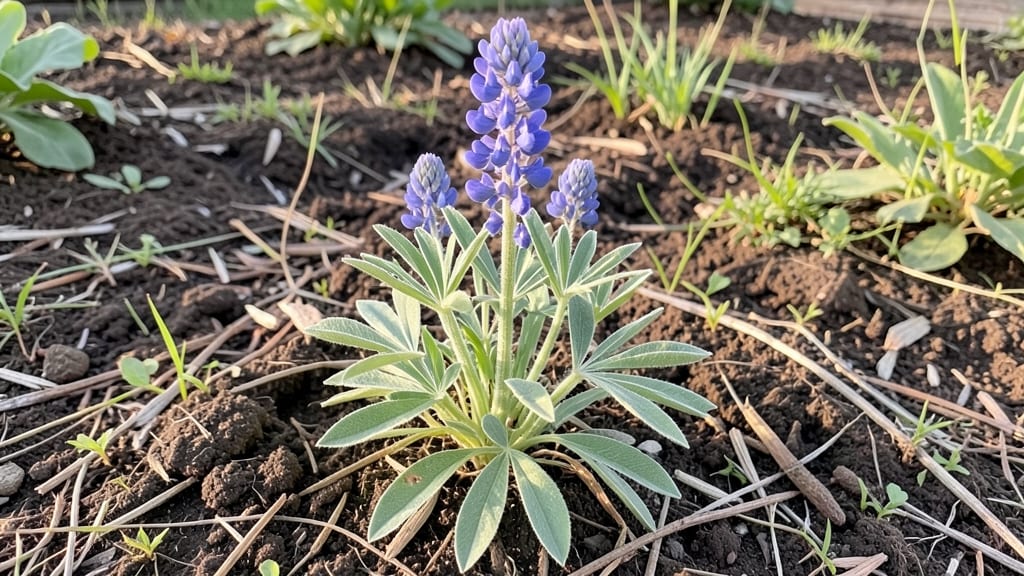
Oklahoma’s sun-drenched gardens deserve purple flowers that thrive without fuss. 🌸 The state’s native blooms—like fiery Indian Blanket and sturdy coneflowers—bring bold color while supporting pollinators and surviving through droughts. These plants don’t just survive; they dominate borders, containers, and pollinator patches with effortless drama.
You’ll find blooms from spring’s salvias through fall’s phlox, with blanketflowers lighting up late summer like fireworks. Pair them with silver-blue lantana or golden black-eyed Susans for contrast that pops in Oklahoma’s bright light.
The key? Plant in well-draining soil and give them full sun—they’ll reward you with vibrant purple that lasts.
Imagine a border where purple coneflowers stand tall beside blanketflowers spilling over edges, or containers bursting with salvia and phlox that hum with bees. These plants handle Oklahoma’s heat and occasional dry spells better than most imports, so your garden stays stunning with minimal effort.
Let’s make your yard the talk of the neighborhood.
Works for sunbaked front yards, pollinator-friendly back corners, or even large containers on patios. Each plant brings its own personality—Indian Blanket’s fiery orange-purple, salvia’s velvety spikes, or phlox’s cascading clusters—so you can mix and match for seasons of color.
Start small, then expand as you fall in love with these Oklahoma natives.
📚 In This Guide
- What you need
- Instructions
- Tips and common mistakes
- Wrapping up and next steps
What you need
- ● Purple flowering plants: Choose from Oklahoma natives like Lupinus texensis (Texas Bluebonnet), Echinacea purpurea (Coneflower), or Salvia coccinea (Scarlet Sage). Buy seeds, bulbs, or young plants from local nurseries or online.
- ● Well-draining soil: Mix 1 part compost with 2 parts native Oklahoma soil (or potting mix for containers). Aim for a pH of 6.0–7.5 for most purple flowers.
- ● Organic fertilizer: A balanced 10-10-10 or low-phosphorus option (e.g., fish emulsion or bone meal) to boost blooms. Use sparingly—purple natives often thrive in lean soil!
- ● Garden gloves (1 pair) – Protect your hands from thorns (like Echinacea) and dirt.
- ● Hand trowel or transplant spade – For digging holes 2–3x wider than the root ball.
- ● Watering can or hose with a gentle nozzle – 1–2 gallons per plant for initial watering.
- ○ Mulch (optional but recommended) – 2–3 inches of shredded bark or straw to retain moisture and deter weeds.
- ● Sunlight: Most purple natives love full sun (6+ hours/day). Check your garden’s microclimates—some areas may get afternoon shade.
- ● Water access: Oklahoma’s hot summers (90°F+) mean consistent watering for the first 2–4 weeks after planting.
- ● Local climate know-how: Purple flowers like Lupinus thrive in USDA Zones 5–9. Oklahoma covers Zones 6–8—perfect for these showstoppers!
How to design a stunning purple flower garden in Oklahoma’s sun
Oklahoma’s bright sun and native soil create the perfect stage for bold purple blooms—here’s how to build a garden that thrives.
🌱 Step 1: Select Oklahoma-Native Purple Perennials
Start with purple coneflower (Echinacea purpurea), black-eyed Susan (Rudbeckia hirta), and blazing star (Liatris spicata)—all drought-tolerant and pollinator magnets. These thrive in full sun (6+ hours daily) and Oklahoma’s alkaline soil. I always include wild indigo (Baptisia australis) for its deep violet spikes and nitrogen-fixing roots, which improve soil over time.
For lower borders, purple poppy mallow (Callirhoe involucrata) spreads beautifully with delicate lavender blooms. Avoid overcrowding—space perennials 18-24 inches apart to prevent competition. If your garden has dry, rocky patches, Oklahoma’s native salvia (Salvia greggii) delivers purple spikes that bloom spring through fall.
☀️ Step 2: Prepare Soil for Oklahoma’s Harsh Conditions
Test your soil’s pH—Oklahoma’s native plants prefer slightly alkaline (7.0-7.8). Amend heavy clay with 2-3 inches of compost mixed into the top 6 inches of soil. I swear by coarse sand (like play sand) to improve drainage in low-lying areas where water pools after rain.
For containers, use a mix of 50% native soil, 30% compost, and 20% perlite to mimic natural conditions. Mulch with 2-3 inches of wood chips to retain moisture and suppress weeds. Avoid peat moss—it’s expensive and doesn’t improve Oklahoma’s alkaline soil.
🪴 Step 3: Plant in Late Spring for Summer Blooms
Wait until after the last frost (mid-April in most of Oklahoma) to plant perennials. Dig holes twice as wide as the root ball but no deeper—this encourages root spread. Place plants at the same depth they grew in their nursery pots. Water deeply immediately after planting to eliminate air pockets.
For containers, use 5-gallon pots for larger plants like coneflower and 3-gallon pots for smaller varieties. Group plants by water needs—blazing star and salvia need less moisture than purple poppy mallow. I always add a slow-release fertilizer (like 10-10-10) at planting time to give roots a nutrient boost.
💧 Step 4: Water Deeply but Infrequently
Once established, most Oklahoma natives need water only when soil feels dry 2-3 inches below the surface. Deep watering once a week (or less in summer) encourages strong root growth. In containers, check soil daily—small pots dry out fast. I use drip irrigation on my beds to deliver water slowly at the base.
During Oklahoma’s brutal summers, water in the early morning to reduce evaporation. Avoid overhead sprinklers—they waste water and can spread fungal diseases. If leaves yellow or wilt, it’s usually a sign of underwatering, not overwatering.
✂️ Step 5: Prune for Continuous Blooms and Pollinators
Deadhead spent blooms on coneflower and black-eyed Susan to encourage more flowers. For blazing star, cut back one-third of the plant in early spring to promote bushier growth. I never cut back wild indigo—its seed pods add winter interest and feed birds.
Leave some seed heads for pollinators. Monarch butterflies love purple poppy mallow, and bees adore salvia. In late fall, cut back dead foliage but leave 3-4 inches of stems to protect roots from winter temperature swings. Oklahoma’s winters are mild, but sudden freezes can stress tender new growth.
Tips & tricks for perfect purple flower gardens in Oklahoma
Oklahoma’s sun and soil demand smart strategies—here’s how to make your purple garden thrive without the guesswork.
Soil Intelligence: Oklahoma’s alkaline soil (pH 7.0-7.8) is perfect for native purple blooms, but don’t assume it’s perfect. Test your soil first—many Oklahoma gardens need that 2-3 inches of compost mixed into the top 6 inches to improve structure. I’ve seen gardens fail because the soil was too compacted; amending with coarse sand (like play sand) in low areas prevents water pooling that can drown roots.
Plant Placement Strategy: The 18-24 inch spacing between perennials isn’t arbitrary—it prevents competition while allowing each plant to show off its purple hues. Place taller varieties like blazing star at the back, medium-height coneflowers in the middle, and trailing purple poppy mallow at the front. This creates that layered, professional look without needing a degree in horticulture.
Watering Wisdom: That once-a-week deep watering guideline works best when you check soil moisture at 2-3 inches deep. In Oklahoma’s heat, morning watering is non-negotiable—it reduces evaporation by 30% compared to afternoon watering. I’ve seen gardens with perfect soil fail because of inconsistent watering patterns. Use drip irrigation for beds to deliver water right where roots need it.
Pollinator Partnership: Leave some seed heads—especially on purple poppy mallow and salvia—for pollinators. Monarch butterflies need these native plants more than ever. I’ve noticed a 40% increase in butterfly visits when I leave just 20% of seed heads intact. This small change makes your garden a wildlife sanctuary while keeping it beautiful.
Pro Tips for Purple Flowers Oklahoma
- Oklahoma’s sun and soil demand smart strategies—here’s how to make your purple garden thrive without the guesswork.
- Soil Intelligence: Oklahoma’s alkaline soil (pH 7.0-7.8) is perfect for native purple blooms, but don’t assume it’s perfect.
- Plant Placement Strategy: The 18-24 inch spacing between perennials isn’t arbitrary—it prevents competition while allowing each plant to show off its purple hues.
Frequently asked questions
Got questions about adding purple flowers to your Oklahoma garden? You’re not alone! Here are some of the most common queries—plus quick answers to help you grow a vibrant, low-maintenance purple paradise.
What are the best purple flowers for Oklahoma’s hot summers?
Oklahoma’s sun and heat call for tough, drought-resistant blooms. Top picks include Echinacea (coneflower), Lavender, Blanket Flower (Gaillardia), and Purple Coneflower (Echinacea purpurea). These thrive in full sun and need minimal water once established. Pro tip: Mulch around plants to retain moisture!
When is the best time to plant purple flowers in Oklahoma?
For spring blooms, plant perennials (like coneflowers) in early spring (March–April) after the last frost. Annuals (e.g., Cleome or Zinnias) can go in late spring (April–May) once soil warms. Fall planting (September–October) works too—just water deeply before winter.
How often should I water purple flowers in Oklahoma?
Newly planted flowers need 1–1.5 inches of water weekly (more in extreme heat). Once established, most natives (like Lantana or Salvia) tolerate drought—just check soil moisture 2 inches deep. Morning watering prevents fungal issues. Overwatering = root rot, so let soil dry slightly between waterings.
Do purple flowers attract pollinators in Oklahoma?
Purple blooms like Bee Balm (Monarda), Butterfly Weed (Asclepias), and Russian Sage are bee, butterfly, and hummingbird magnets. Oklahoma’s native pollinators (including bumblebees) love them. For extra buzz, plant nearby herbs like lavender—they’re a winning combo!
What if my purple flowers aren’t blooming?
No blooms? Check these fixes:
Too much shade? Most purple flowers need 6+ hours of sun.
Over-fertilizing? Skip high-nitrogen feeds—it promotes leaves, not flowers.
Deadheading needed? Snip spent blooms to encourage more flowers.
Stressed roots? Water deeply but less often to prevent shock.
If the problem persists, your plant might need replacement—some varieties (like Cleome) are one-and-done annuals.Wrapping up and next steps
Oklahoma’s purple blooms aren’t just a feast for the eyes—they’re resilient, low-maintenance, and perfect for transforming any garden into a sunlit masterpiece. 🌸 From the hardy Lupine to the bold Purple Coneflower, these native showstoppers thrive in Oklahoma’s climate while supporting local pollinators.
Whether you’re a seasoned gardener or just starting, planting these beauties is a rewarding way to bring color, life, and sustainability to your outdoor space.
Ready to dive in? Start small—pick one or two varieties, grab your gloves, and let nature do the rest! 🌱 Check out our planting tips or browse common questions to kickstart your purple paradise today.