
Pests
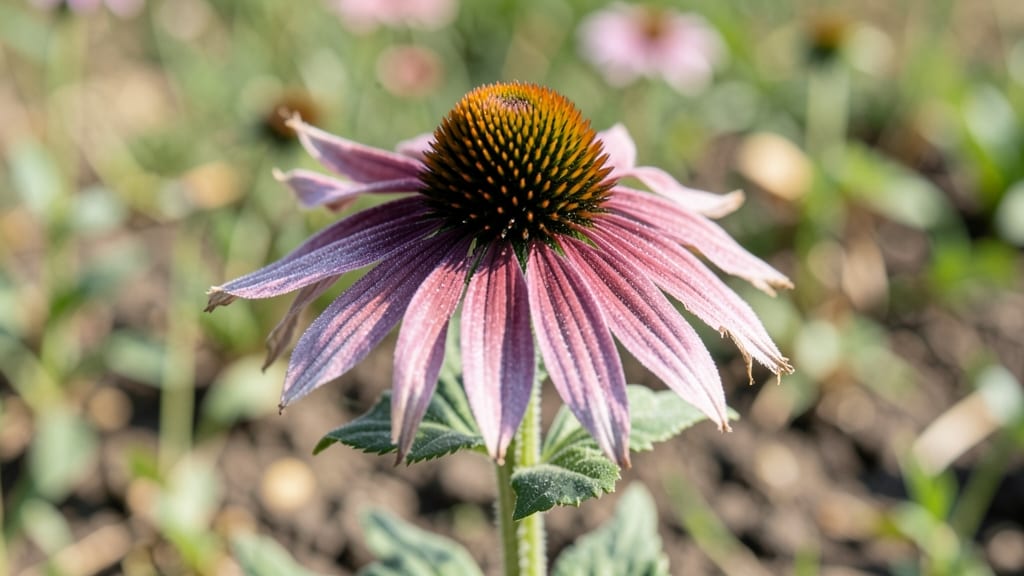
Coneflowers might seem like deer's dream snack, but here's the surprising truth: deer usually skip these tough, drought-resistant blooms. 🌻 I've watched herds graze my entire garden—except the echinacea patches, which stay untouched even when everything else is nibbled.
The key lies in their deep roots and bitter foliage, which most deer find unappealing.
That said, hungry deer in desperate times will browse them, especially young plants. The good news? A few simple tricks—like planting deer-resistant companions (like lavender or Russian sage) nearby or wrapping stems in mesh guards—can keep them safe.
I've even had success with homemade garlic spray, which deer detest but won't harm the plants.
When established, coneflowers become nearly deer-proof, thriving where other pollinator favorites falter. Their vertical stems and spiky centers make them harder to reach, and the strong scent acts as a natural deterrent. Plus, they bounce back from light damage, often regrowing from the base.
For high-risk areas, combine fencing (8-foot tall) with repellents for the best defense. Even then, your coneflowers will reward you with months of blooms and a hummingbird haven—deer be damned. The trade-off? A garden that's both beautiful and resilient.
📚 In This Guide
- What you need
- Instructions
- Tips and common mistakes
- Wrapping up and next steps
What you need
- ● Coneflower seeds or plants: Native varieties (e.g., Echinacea purpurea or Echinacea pallida) – 5–10 plants for a small garden, 20+ for larger spaces.
- ● Organic seed packets (if starting from scratch) – 1–2 packets (contains ~50–100 seeds).
- ● Well-draining soil: Amend with compost (2–3 inches) if your soil is heavy clay or sandy.
- ● Organic mulch: 2–3 inches of shredded bark or straw to retain moisture and deter deer.
- ○ Deer repellent (optional but recommended): Commercial sprays (e.g., Liquid Fence or Deer Out) – 1–2 gallons for coverage.
- ● Homemade mix: 1 gallon water + 1 cup rotten eggs + 1 tbsp cayenne pepper (reapply after rain).
- ● Garden trowel or transplant spade – For planting seeds or seedlings.
- ● Gloves – To protect hands from thorns (if handling mature plants).
- ● Watering can or hose with a gentle spray nozzle – Coneflowers need 1 inch of water per week.
- ○ Pruners (optional) – For trimming dead blooms to encourage regrowth.
- ○ Stakes or cages (optional) – Tall varieties (e.g., Echinacea paradoxa) may need support.
- ● Sunlight: Choose a spot with full sun (6+ hours/day)—coneflowers thrive in bright light!
- ● Spacing: Plant seeds 6–12 inches apart; mature plants 18–24 inches apart.
- ● Patience: Seeds take 60–90 days to germinate; plants bloom in year 1 but peak in year 2–3.
How to use coneflowers to naturally deter deer in your garden
Here’s how to strategically plant these tough perennials for both beauty and deer resistance.
🌱 Step 1: Choose the Right Coneflower Varieties for Maximum Deer Deterrence
Not all coneflowers repel deer equally—stick with Echinacea purpurea (purple coneflower) or Echinacea pallida (pale purple coneflower) for the strongest deterrent effect. These varieties contain mild toxins that deer find unappealing, especially when planted in clusters. I always choose ‘Magnus’ or ‘White Swan’ for their bold foliage and height (up to 3 feet), which makes them more noticeable to browsing deer.
Plant at least 4-5 plants per cluster to create a visual and olfactory barrier. Deer are less likely to nibble when they see a dense grouping rather than isolated plants. Avoid the more delicate Echinacea tennesseensis (rusty coneflower)—while beautiful, it’s more palatable to deer.
☀️ Step 2: Plant in High-Traffic Deer Zones with Companion Plants
Position coneflowers along garden edges, near fences, or in full sun to partial shade (6+ hours of light daily) where deer frequent your yard. They thrive in well-draining soil but tolerate poor conditions once established—perfect for deer-prone areas with rocky or sandy soil. I plant them 18-24 inches apart in groups of 3-5 to maximize their deterrent effect.
Pair them with other deer-resistant plants like Russian sage, lavender, or catmint to create a multi-layered defense. The combined scent and texture make the area less appealing. Deer avoid areas with strong fragrances or fuzzy foliage, so coneflowers’ daisy-like structure and slight bitterness work in your favor.
💧 Step 3: Maintain Healthy Plants to Strengthen Deer Resistance
Water newly planted coneflowers deeply once a week for the first 2 months to establish strong roots. Once established, they’re drought-tolerant but still need 1 inch of water per week during dry spells. Healthy plants produce more alkaloids (natural deer deterrents), so avoid over-fertilizing—coneflowers prefer low-nutrient soil and bloom best when slightly stressed.
Deadhead spent blooms in early fall to encourage a second flush of flowers, which deters deer longer into the season. I also leave some seed heads over winter—they provide food for birds and add texture, making the area less inviting for deer browsing.
✂️ Step 4: Use Strategic Pruning to Enhance Deterrence
Cut back foliage to 6 inches tall in early spring before new growth emerges. This removes old, chewed leaves and encourages thicker, bushier regrowth—deer are less likely to nibble dense, healthy plants. Avoid pruning too late in the season, as it reduces winter interest and may weaken the plant’s natural defenses.
If deer still target your coneflowers, sprinkle cayenne pepper or garlic powder around the base (not directly on plants). The scent masks their natural aroma and adds another layer of protection. I’ve found that combining coneflowers with physical barriers like fencing or raised beds works best for high-deer-traffic areas.
🪴 Step 5: Monitor and Adjust for Long-Term Deer Control
Observe deer activity in your garden—if they’re still browsing, add more coneflowers or expand clusters to create a stronger visual deterrent. I’ve seen gardens where deer avoid entire beds of coneflowers but nibble on nearby hostas, so strategic placement is key. Consider planting them in containers along patios or decks for extra protection.
Rotate varieties every few years to prevent deer from adapting. For example, swap purple coneflowers for ‘Green Envy’ (a green-flowered cultivar) to keep them guessing. Over time, your garden will become a deer-resistant sanctuary while still attracting pollinators like bees and butterflies.
Tips & tricks for perfect coneflower planting
These strategic tips will help you maximize coneflowers' deer-deterrent power while creating a stunning pollinator garden.
Variety Selection Matters: The key to effective deer deterrence lies in choosing the right cultivars. While all coneflowers offer some protection, Echinacea purpurea 'Magnus' and 'White Swan' provide the strongest visual deterrent with their bold foliage and towering height (up to 3 feet). The slight bitterness in these varieties makes them particularly unappealing to deer. I've found that planting these in clusters of 4-5 plants creates a more formidable barrier than isolated specimens.
Strategic Placement is Everything: Position your coneflowers in high-traffic deer zones—along property edges, near fences, or in full sun to partial shade areas where deer frequent. The visual impact of these plants in groups of 3-5, spaced 18-24 inches apart, creates a psychological barrier that deer instinctively avoid. Remember that deer are less likely to browse areas with strong fragrances or fuzzy textures, so combine coneflowers with deer-resistant companions like Russian sage or lavender for enhanced protection.
Maintenance Boosts Natural Defenses: Healthy plants produce more alkaloids—the natural compounds that deter deer. Water newly planted coneflowers deeply once a week for the first two months to establish strong roots, then reduce to 1 inch per week during dry spells. Avoid over-fertilizing, as coneflowers thrive in low-nutrient soil and actually bloom better when slightly stressed. Deadheading spent blooms in early fall encourages a second flush of flowers, extending the deterrent effect into late fall when deer are most active.
Winter Interest Prevents Browsing: Leave some seed heads standing over winter—they provide food for birds and add texture that makes the area less inviting for deer. The vertical structure of dried coneflowers creates a visual deterrent even when not in bloom. This winter interest also helps maintain the plants' natural defenses by preventing complete die-back, which can make them more vulnerable to deer browsing in early spring.
Pro Tips for Do Deer Like Coneflowers
- These strategic tips will help you maximize coneflowers' deer-deterrent power while creating a stunning pollinator garden.
- Variety Selection Matters: The key to effective deer deterrence lies in choosing the right cultivars.
- Strategic Placement is Everything: Position your coneflowers in high-traffic deer zones—along property edges, near fences, or in full sun to partial shade areas where deer frequent.
Frequently asked questions
Got questions about deer and coneflowers? You’re not alone! Here are some of the most common concerns—and straightforward answers—to help you plan your garden with confidence.
Do deer really avoid coneflowers, or will they still munch on them?
While coneflowers are considered deer-resistant, they’re not 100% foolproof. Deer may nibble on young seedlings or stressed plants, especially in harsh winters. To deter them, pair coneflowers with stronger deer-repellents like daffodils, lavender, or Russian sage.
How long does it take for coneflowers to become deer-resistant?
Coneflowers develop their bitter, milky sap (which deer dislike) as they mature—typically within 6–8 weeks after planting. Until then, protect seedlings with physical barriers like chicken wire or deer repellent sprays. Patience pays off!
Are there deer-resistant coneflower varieties?
All coneflowers (Echinacea spp.) are relatively deer-resistant, but some varieties are even tougher. Try:
- ‘White Swan’ – Tall, milky stems deer avoid
- ‘Magnus’ – Large blooms with strong foliage
- ‘Green Envy’ – Unique green petals deter browsers
What if deer still eat my coneflowers? Are there alternatives?
If deer ignore your coneflowers, try these highly deer-resistant pollinator-friendly plants:
- Butterfly weed (Asclepias tuberosa)
- Black-eyed Susan (Rudbeckia)
- Joe Pye weed (Eutrochium)
- Lamb’s ear (Stachys byzantina)
Can I use coneflowers to repel deer from other plants?
Yes! Plant coneflowers as a border around prized plants (like hostas or roses) to create a natural barrier. Deer tend to avoid the area entirely once they taste the bitter sap. For extra protection, add strong-smelling herbs like rosemary or mint nearby.
Wrapping up and next steps
So, do deer like coneflowers?
While they’re not completely deer-proof, coneflowers are a smart, low-maintenance choice for gardens that attract pollinators while deterring deer—especially when paired with other deer-resistant plants. 🌸 Their tough stems and bitter taste make them a less appealing snack, giving your garden a fighting chance against hungry visitors.
Ready to put this knowledge to work? Start small—plant a few coneflowers in a sunny spot, mix in some companion plants like lavender or salvia, and watch your pollinator-friendly garden thrive! 🌿