Flowers
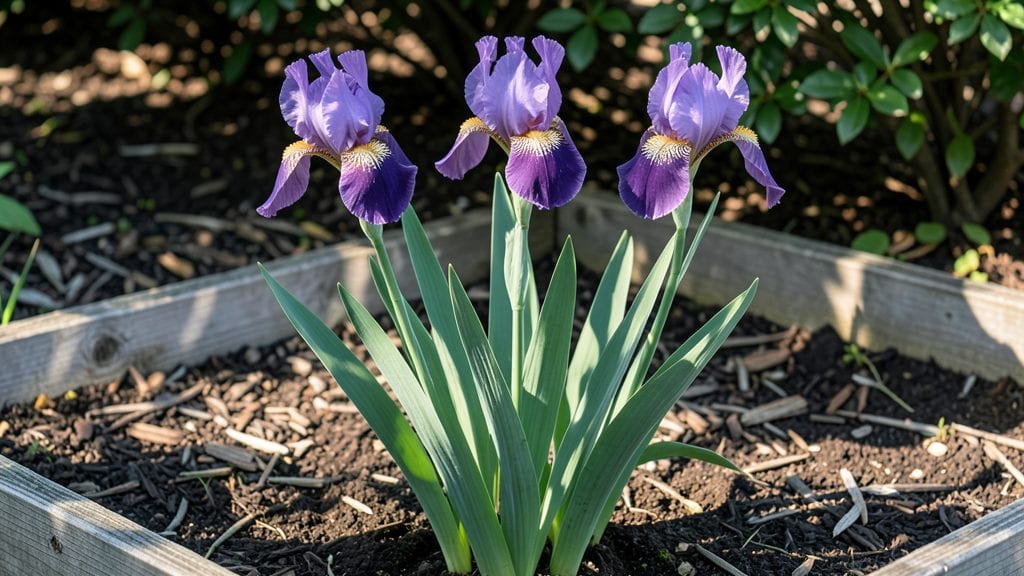
There’s nothing quite like the purple iris flower lighting up a Pacific Northwest garden with bold, velvety blooms that feel like a splash of magic. 🌿 I’ve always loved how they stand out against the soft greens and muted tones of our rainy climate—those deep purples and lavenders demand attention, yet they blend seamlessly into the landscape.
What makes them special isn’t just their color but their ability to anchor a garden design with effortless elegance.
The key to making purple irises shine lies in their placement: along borders, near water features, or tucked into perennial beds where their upright stems can create natural vertical interest.
They pair beautifully with silver foliage plants like lamb’s ear or dusty miller, while their blooms complement the soft pinks and purples of peonies or the deep blues of delphiniums. The best part?
They bloom in late spring to early summer, just when the garden starts to wake up from winter’s slumber.
Imagine a garden where these striking blooms become the star—surrounded by companion plants that enhance their drama without stealing the show.
The contrast of their rich hues against the lush greenery of hostas or the delicate petals of bleeding hearts creates a cohesive, dreamy look that feels both wild and intentional. Once you see how they transform a space, you’ll want to plant them everywhere.
Whether you’re designing a formal border or a relaxed cottage garden, purple irises bring a touch of sophistication and color that’s hard to resist. Their versatility makes them a must-have for any Pacific Northwest garden—ready to elevate your outdoor space with their timeless beauty.
📚 In This Guide
- What you need
- Instructions
- Tips and common mistakes
- Wrapping up and next steps
What you need
- ● Purple iris rhizomes (or bulbs): 3–5 healthy, firm rhizomes (ensure they’re disease-free and labeled as Iris germanica or Iris pseudacorus for PNW suitability).
- ● Well-draining soil mix: 50% native soil + 50% compost or perlite (irises hate soggy roots!)
- ● Organic fertilizer: 1 lb of balanced 10-10-10 or slow-release bulb fertilizer (for planting season).
- ● Mulch: 2–3 inches of pine bark or gravel (to protect rhizomes and retain moisture).
- ● Garden trowel or spade: For digging trenches (6–8 inches deep).
- ● Pruners (sterilized): To trim dead foliage after blooming.
- ● Gloves: Heavy-duty garden gloves (rhizomes can be sharp!).
- ● Watering can or hose with nozzle: For gentle, deep watering (avoid overhead spraying).
- ○ pH test kit (optional): To check soil acidity (ideal pH: 6.0–7.0 for irises).
- ● Sunlight: A full-sun spot (6+ hours daily)—irises thrive in the PNW’s bright, coastal light!
- ● Drainage: Sloped beds or raised planters if your yard holds water.
- ● Timing: Plant rhizomes in early spring or fall (avoid summer heat).
How to grow Pacific Northwest purple iris flowers
This striking flower thrives in the PNW's climate—here's how to grow it with confidence.
🌱 Step 1: Choose the Right Location and Prepare the Soil
Purple iris loves full sun to partial shade, so pick a spot that gets at least 6 hours of sunlight daily. In the Pacific Northwest, where mornings can be damp, afternoon sun works perfectly. Test your soil—iris prefers slightly acidic to neutral soil with a pH between 6.0 and 7.0. If your soil is too heavy or clay-like, mix in 2-3 inches of compost or well-rotted manure to improve drainage.
Iris roots need oxygen, so avoid soggy soil. If your garden holds water after rain, raise the planting area by mounding soil or creating a small hill. The roots will thank you by growing strong and producing those signature purple blooms. Dig a hole about 2 inches deeper than the rhizome (the thick, fleshy root) and twice as wide to encourage spreading.
🌿 Step 2: Plant the Rhizomes Correctly
Handle iris rhizomes gently—they bruise easily. Plant them with the top third exposed above the soil line. This ensures they get enough sunlight to prevent rot. Space rhizomes 12-24 inches apart depending on the variety; larger types need more room. If planting in groups, arrange them in odd-numbered clusters (like 3 or 5) for a natural, fuller look.
I know it seems weird to leave part of the rhizome above ground, but this prevents disease and encourages strong root growth. After planting, water lightly to settle the soil around the roots. Avoid soaking the rhizomes—too much moisture at this stage can cause rot. Once planted, iris is surprisingly drought-tolerant, so don’t overwater.
☀️ Step 3: Provide Care for Healthy Growth and Blooms
After planting, water once a week unless you’re in a particularly dry spell. Iris thrives with moderate moisture—think of it like a well-watered but not soggy garden bed. In the Pacific Northwest’s mild climate, you won’t need to fertilize heavily, but a light application of balanced fertilizer (10-10-10) in early spring gives them a boost. I like to use a slow-release granular fertilizer to avoid burning the roots.
Watch for yellowing leaves—this often signals overwatering or poor drainage. If you see this, cut back on watering and check if the soil drains well. Deadhead spent blooms by snipping the flower stalk at the base. This encourages the plant to focus energy on next year’s blooms instead of seeding. Mulch lightly around the base with 2-3 inches of organic mulch to retain moisture and suppress weeds.
✂️ Step 4: Divide and Maintain for Long-Term Beauty
Iris plants get crowded over time, so divide them every 3-4 years in early fall or late winter. Dig up the rhizomes carefully and separate them into smaller sections, ensuring each has at least one fan of leaves. Replant the divisions immediately in fresh soil. This rejuvenates the plant and keeps blooms vibrant. In the Pacific Northwest, fall division gives the roots time to establish before winter.
Prune back old leaves in late winter or early spring, cutting them down to 2-3 inches above the rhizome. This makes room for new growth and keeps the plant tidy. Avoid cutting into the rhizome itself—it’s tough but not indestructible. With proper care, your purple iris will reward you with stunning blooms for decades, becoming a true jewel in your garden.
Tips & tricks for growing Pacific Northwest purple iris
Here's what I've learned from years of growing these stunning flowers in the PNW—tricks that make all the difference between a struggling plant and a showstopper.
Sunlight Secret: While iris loves that 6 hours of daily sunlight mentioned in Step 1, don't be fooled by the PNW's frequent cloud cover. In coastal areas, supplement with a south-facing location where the sun peaks through. I've seen iris thrive in spots that get morning sun plus afternoon breaks—just watch for those signature purple blooms to tell you it's working!
Soil Test Tip: That 6.0-7.0 pH range is crucial, but don't stress about perfect measurements. A simple home soil test kit (available for under $10) will give you all the info you need. If your soil tests too acidic, mix in crushed limestone—just a handful per planting hole works wonders. The PNW's natural acidity can throw off even the hardiest iris if left unchecked.
Rhizome Handling: When planting those rhizomes in Step 2, think of them like fragile pottery—handle with care! I always wear gloves when working with them to prevent bruising. Pro tip: Soak the rhizomes in water for 10 minutes before planting to help them settle into their new home. This simple step can make the difference between a plant that thrives and one that struggles.
Watering Wisdom: That once-a-week watering guideline in Step 3 can be tricky in the PNW's variable climate. I've found it's better to check the soil first—stick your finger about 2 inches deep. If it feels dry, water; if it's still moist, wait another day. Overwatering is the #1 killer of iris, especially in our damp winters. A moisture meter is a great investment for this.
Pro Tips for Purple Iris Flower
- Here's what I've learned from years of growing these stunning flowers in the PNW—tricks that make all the difference between a struggling plant and a showstopper.
- Sunlight Secret: While iris loves that 6 hours of daily sunlight mentioned in Step 1, don't be fooled by the PNW's frequent cloud cover.
- Soil Test Tip: That 6.0-7.0 pH range is crucial, but don't stress about perfect measurements.
Frequently asked questions
about purple iris flowers—because every gardener deserves clarity! Here are answers to the most common questions to help you grow these showstoppers with confidence.When is the best time to plant purple iris flowers in the Pacific Northwest?
The ideal time to plant iris is in early spring (March–April) or early fall (September–October). This timing allows roots to establish before extreme heat or cold. For the PNW’s mild, wet winters, fall planting is often best—just avoid soggy soil to prevent rot.
How often should I water my purple iris, and do they need special care?
Purple iris are drought-tolerant once established! Water deeply once a week during the first growing season, then reduce to every 2–3 weeks unless the soil is bone-dry. Avoid overhead watering to prevent fungal diseases like iris borer. Mulch lightly with gravel or bark to retain moisture without smothering roots.
Why aren’t my purple iris blooming this year?
Common reasons include overcrowded rhizomes, poor sunlight, or nutrient deficiencies. Divide clumps every 3–4 years in early spring, ensure they get 6+ hours of sun, and fertilize lightly with low-nitrogen, high-phosphorus food (like 5-10-10) in early spring. If blooms fade quickly, they may need more afternoon shade in hot summers.
How do I protect my iris from pests like iris borers?
Iris borers are the #1 enemy! Prevent them by removing leaf debris in fall (their hiding spot), applying beneficial nematodes (like Heterorhabditis bacteriophora) in early summer, or spraying neem oil as a deterrent. For severe infestations, dig up and destroy heavily damaged rhizomes.
Can I grow purple iris in containers, or do they need garden beds?
Yes! Use large, shallow containers (12"+ wide) with well-draining soil mixed with perlite or sand. Choose dwarf varieties like ‘Profile’ or ‘Little Chief’ for pots. Place containers in full sun and water carefully—containers dry out faster. Just remember: No soggy bottoms!
What’s the difference between bearded and beardless iris?
Bearded iris (like ‘Pacific Coast Hybrid’) have fuzzy “beards” on their falls (lower petals), while beardless iris (e.g., Louisiana or Siberian iris) have smooth, elegant blooms. Bearded types thrive in dry climates; beardless varieties often prefer moist soil and are more cold-hardy. Choose based on your PNW microclimate!
Wrapping up and next steps
The purple iris flower isn’t just a stunning addition to your Pacific Northwest garden—it’s a symbol of resilience, beauty, and natural harmony. Whether you’re drawn to its bold hues, its adaptability to local climates, or its low-maintenance charm, this flower offers both aesthetic appeal and practical benefits.
Ready to transform your outdoor space? Start small—plant a few irises this season and watch your garden bloom with effortless elegance! 🌸
🌱 Next Steps:
- Visit a local nursery to pick your purple iris varieties.
- Check soil conditions and sunlight in your garden.
- Share your progress with fellow gardeners—tag us @YourGardenCommunity!