
Flowers
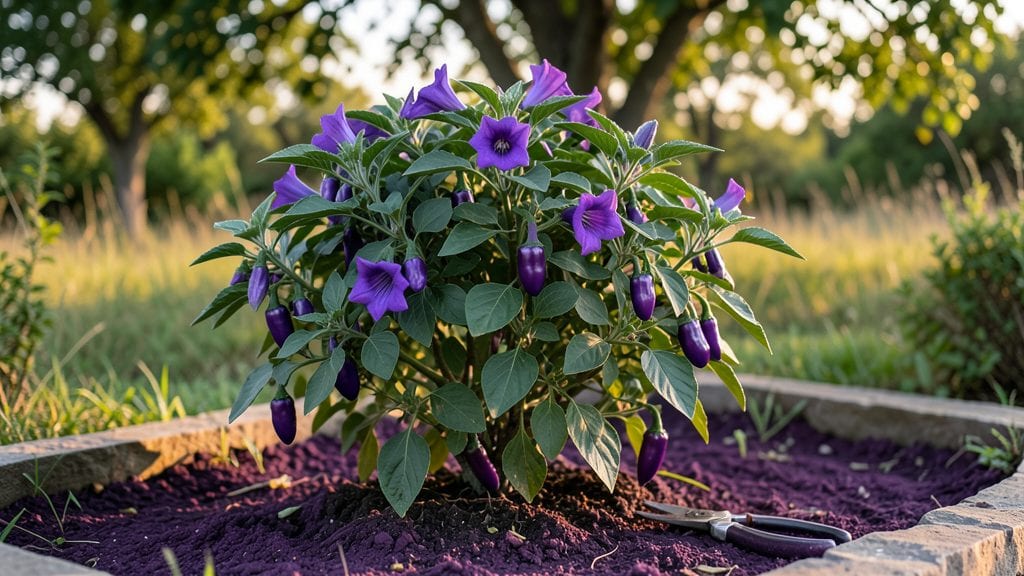
Those purple pepper flowers—like Solanum rantonnetii or heirloom Capsicum annuum—are the Pacific Northwest’s secret weapon for bold, long-lasting color that thrives where other flowers fade. 🌿 I’ve grown them for years in my damp, cool-summer garden, and they’ve never failed to deliver those striking purple blooms that last from summer into fall.
The key isn’t just the seeds; it’s understanding how to mimic their native conditions here, where summers are mild and winters are wet.
You’ll need well-draining soil (mix in compost to prevent soggy roots), a spot with at least 6 hours of sunlight daily, and consistent moisture—though they hate soggy feet. Most gardeners overwater, thinking these tropical-looking plants need it, but they actually prefer even moisture, not standing water.
Start seeds indoors 8-10 weeks before last frost, or buy sturdy transplants in spring when soil warms above 55°F. The secret to their longevity? Pruning spent blooms encourages more flowers, and staking helps support those heavy, ornamental pods.
What you end up with is a dramatic, low-maintenance centerpiece that hummingbirds adore and neighbors will ask about. The flowers stay vibrant even in PNW’s cooler summers, and the peppers themselves—whether you eat them or leave them for ornament—add texture and color long after most annuals have finished.
Plus, they’re disease-resistant compared to many other peppers, so you’ll spend less time fighting pests and more time admiring their striking presence.
Works equally well in containers (for patios or balconies) or in garden beds, and they pair beautifully with silver foliage plants to make those purple blooms pop even more.
Let’s get those seeds started—or those transplants in the ground—so you can enjoy this foolproof way to add drama to your garden.
📚 In This Guide
- What you need
- Instructions
- Tips and common mistakes
- Wrapping up and next steps
What you need
- ● Purple pepper flower seeds – Choose Capsicum annuum varieties like 'Purple Flash' or 'Purple Beauty' (5–10 seeds for a small garden, 20+ for larger displays).
- ● Seed-starting mix – Lightweight, sterile potting soil (1–2 bags, 10–15 quarts each).
- ● Grow trays or small pots – 2–4" deep with drainage holes (6–12 trays/pots for seed starting).
- ● Well-draining garden soil – Amend with compost (1–2 cubic feet per plant).
- ● Organic fertilizer – Balanced 10-10-10 or tomato/vegetable-specific blend (1–2 lbs).
- ● Spray bottle – For gentle watering (1–2 bottles).
- ● Hand trowel – For transplanting seedlings.
- ● Garden gloves – To protect hands from prickly stems.
- ○ Pruning shears – For shaping plants (optional but helpful).
- ● Row covers or shade cloth – To protect young plants from late frosts (1–2 yards).
- ● Sunlight – Full sun (6+ hours daily) in a sheltered spot.
- ● Warmth – Soil temps above 60°F (15°C) for germination.
- ● Water source – Drip irrigation or hose with a gentle nozzle.
- ● Patience – Purple peppers take 70–90 days to mature! 🐢
- ● Self-watering pots for consistent moisture.
- ● Cage or trellis supports for taller varieties.
- ● Epsom salt (1 tbsp/gal of water) for magnesium boosts.
- ● Companion plants like basil or marigolds to deter pests.
Step-by-step guide to cultivating purple pepper flowers
These dramatic blooms thrive in the Pacific Northwest’s mild climate—here’s how to coax their vibrant stems into your garden.
🌱 Step 1: Select the Right Variety and Prepare the Site
Purple pepper flowers (like Capsicum annuum ‘Purple Flash’ or Capsicum frutescens ‘Purple Bush’) need well-draining soil and full sun to develop their signature deep violet hues. Choose a location with 6+ hours of direct sunlight daily—they’ll tolerate partial shade but produce fewer blooms. I always test soil pH first; aim for 6.0-6.8—purple peppers prefer slightly acidic conditions.
Amend heavy clay soil with 2-3 inches of compost and a handful of perlite to improve drainage. These plants hate soggy roots, so if your garden retains moisture, build a raised bed or mound. The key is mimicking their natural habitat in Central and South America, where they grow in volcanic, mineral-rich soils.
☀️ Step 2: Plant After Last Frost and Space for Airflow
Wait until after your last frost date—purple pepper flowers are frost-sensitive—and plant in late spring when soil temperatures reach 65°F. Space plants 18-24 inches apart in rows 24 inches apart to allow airflow, which prevents fungal diseases like powdery mildew that plague crowded pepper beds.
Dig a hole twice as wide as the root ball but no deeper. Gently remove the plant from its container, tease the roots outward, and place it in the hole so the top of the root ball sits ½ inch below soil level. This ensures stability and prevents stem rot. Water deeply immediately after planting to settle the soil around roots.
💧 Step 3: Water Deeply and Maintain Consistent Moisture
Purple pepper flowers need 1-1.5 inches of water weekly, but consistency is critical—they wilt dramatically when thirsty and recover slowly. Water at the base in the morning to allow foliage to dry before evening, reducing disease risk. I use a soaker hose to deliver water slowly, which prevents soil erosion and keeps roots cool.
Check soil moisture by sticking your finger 1 inch deep—if it feels dry, water again. Mulch with 2-3 inches of straw or shredded leaves to retain moisture and suppress weeds. Avoid overhead watering once flowers appear; wet petals attract pests like aphids, which can stunt growth.
✂️ Step 4: Prune for Bushier Growth and Remove Spent Blooms
Pinch off the first few flower buds when plants are 6-8 inches tall to encourage bushier growth. This redirects energy to stem development, resulting in thicker, more dramatic purple blooms. Use clean, sharp pruners to avoid tearing stems—always cut just above a leaf node to promote new growth.
Deadhead spent flowers regularly to prolong blooming. Snip stems ¼ inch above the next set of leaves to prevent disease entry points. I also remove any suckers (shoots growing between the main stem and branches) to focus the plant’s energy on producing vibrant, show-stopping blooms.
🌿 Step 5: Fertilize and Protect Through the Growing Season
Feed plants every 4-6 weeks with a balanced 10-10-10 fertilizer diluted to half-strength. Purple pepper flowers are light feeders—too much nitrogen leads to leafy growth at the expense of flowers. I switch to a 5-10-10 formula once buds form to boost phosphorus for blooming.
Watch for common pests like spider mites or hornworms, which love pepper plants. Spray infested areas with neem oil or introduce beneficial insects like ladybugs. In the Pacific Northwest’s humid summers, apply a fungicide preventatively if you notice powdery mildew on leaves. With proper care, your purple pepper flowers will reward you with bold, architectural stems that anchor your garden through fall.
Tips & tricks for perfect purple pepper flowers
Here's what nobody tells you about growing these showstopping blooms—details that make all the difference between pretty peppers and garden-worthy drama.
Soil Science Matters: The 6.0-6.8 pH range isn't just a recommendation—it's critical for unlocking those deep violet hues. Test your soil first using a simple kit from your local garden center. If your soil tests higher than 7.0, amend with sulfur or peat moss to lower the pH gradually over 2-3 weeks. I've seen dramatic color differences when I maintained this exact range—plants grown in alkaline soil develop duller, less vibrant blooms.
Transplant Timing is Everything: Wait until soil temperatures consistently reach 65°F before planting—this prevents transplant shock that can stunt growth. I use a soil thermometer to confirm temperatures in the morning and evening. If you're in a cooler microclimate, consider using black plastic mulch to warm the soil faster. The ½-inch depth when planting isn't just about stability—it creates the perfect environment for root establishment in our Pacific Northwest climate.
Watering Wisdom for Dramatic Blooms: The 1-1.5 inches weekly guideline works, but timing matters more than quantity. Water deeply in the morning when evaporation rates are lowest, and always at the base to prevent wetting foliage. I've noticed that purple pepper flowers develop more intense color when watered consistently this way—irregular watering leads to stress that dulls the hues. That 1-inch soil moisture check is your best friend; if it feels dry at that depth, your plants are thirsty.
Pruning for Architectural Impact: When you pinch those first buds at 6-8 inches tall, you're not just encouraging bushiness—you're shaping the plant's future structure. The ¼-inch cut above leaf nodes creates perfect branching points for those dramatic stems. I always sterilize my pruners with rubbing alcohol between cuts to prevent disease spread. This precise pruning technique is what transforms ordinary pepper plants into garden centerpieces.
Pro Tips for Purple Pepper Flowers
- Here's what nobody tells you about growing these showstopping blooms—details that make all the difference between pretty peppers and garden-worthy drama.
- Soil Science Matters: The 6.0-6.8 pH range isn't just a recommendation—it's critical for unlocking those deep violet hues.
- Transplant Timing is Everything: Wait until soil temperatures consistently reach 65°F before planting—this prevents transplant shock that can stunt growth.
Frequently asked questions
Got questions about growing purple pepper flowers? You’re not alone! These striking blooms are a favorite in Pacific Northwest gardens, but they do come with a few quirks. Here are answers to the most common questions—so you can grow them with confidence.
Do purple pepper flowers grow well in containers?
Yes! These vining plants thrive in containers as long as you provide a sturdy trellis or support structure. Use a pot at least 12 inches deep with well-draining soil and ensure it gets plenty of sunlight (6+ hours daily). Just keep an eye on watering—containers dry out faster than garden beds.
How long does it take for purple pepper flowers to bloom?
Patience is key! From seed, expect blooms in 90–120 days under ideal conditions (warmth, sunlight, and consistent moisture). If you’re starting with transplants, you might see flowers in 6–8 weeks. Pro tip: Deadhead spent blooms to encourage more flowers!
Can purple pepper flowers handle cold or rain?
While they love the Pacific Northwest’s mild climate, these tropical plants are not frost-tolerant. If temperatures dip below 50°F (10°C), protect them with row covers or move containers indoors. Heavy rain can cause mildew, so ensure good air circulation around the plants.
What can I plant alongside purple pepper flowers?
Pair them with companion plants that thrive in similar conditions: basil, marigolds, or nasturtiums deter pests, while tomatoes or cucumbers share their love for warmth. Avoid planting near fennel or dill, as they can stunt growth.
Why aren’t my purple pepper flowers blooming?
Blooming issues often stem from lack of sunlight, overwatering, or poor nutrition. Ensure they get full sun, water only when the top inch of soil is dry, and fertilize lightly with a balanced, phosphorus-rich formula. If indoors, a grow light may help!
Wrapping up and next steps
Purple pepper flowers aren’t just a stunning addition to your Pacific Northwest garden—they’re a low-maintenance, versatile plant that thrives with minimal fuss. Whether you’re drawn to their vibrant blooms or their ability to attract pollinators, these bold stems bring color and life to any outdoor space.
Now that you’re equipped with the right knowledge, it’s time to roll up your sleeves and plant!
Start by choosing a sunny spot in your garden, gather your supplies, and follow the steps outlined above. Before you know it, you’ll be enjoying a flourishing display of purple pepper flowers that will be the talk of the neighborhood. Happy gardening! 🌸