
Flowers
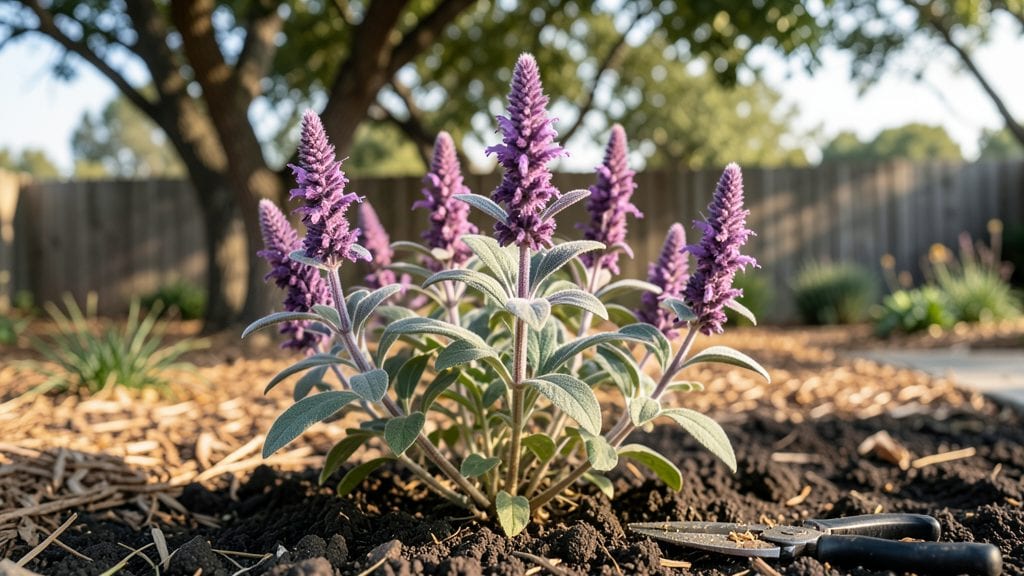
Those purple puffy flowers—like Balloon Flower or Globemallow—bring a dreamy, almost whimsical charm to Pacific Northwest gardens. 🌿 I’ve designed borders with them that look like they belong in a storybook, their rounded blooms contrasting beautifully against ferns and grasses.
The secret lies in pairing their soft purple hues with silver foliage or deep green shrubs to make them pop.
These flowers thrive in partial sun to full sun and bloom from mid-summer through fall, giving you weeks of color when other plants fade. Their 18-36 inch heights make them perfect for mid-border drama, while their airy texture softens cottage-style gardens.
Plant them near bee balm or catmint to create a pollinator paradise that hums with activity all season.
Imagine a garden where every visit feels like stepping into a living painting—purple puffs swaying in the breeze, bees darting between blooms, and the scent of late-summer air.
The best part? They’re low-maintenance once established, so you get bold color with minimal effort. Let’s design a space where these flowers take center stage.
Whether you’re filling a sunny border, lining a path, or adding height to a cottage garden, these flowers deliver texture, movement, and pollinator power. Mix them with ornamental grasses or lavender for a layered look that feels both wild and intentional.
Ready to transform your garden into a purple-hued haven?
📚 In This Guide
- What you need
- Instructions
- Tips and common mistakes
- Wrapping up and next steps
What you need
- ● Purple Puffy Flowers: 1–3 Salvia leucantha (Mexican Bush Sage) plants (perennial, thrives in PNW zones 7–10)
- ● OR 10–20 Echinacea purpurea (Coneflower) seeds/bulbs (annual or perennial, zones 3–9)
- ● OR 5–10 Lavandula angustifolia (English Lavender) cuttings (perennial, zones 5–9)
- ● Soil: 1–2 bags of well-draining potting mix (or amend garden soil with compost)
- ● Containers or Garden Space: 5–7-inch pots (for seedlings)
- ● OR 6+ inches of loose garden soil (for direct planting)
- ● Watering Can or Hose: With a gentle spray nozzle
- ● Garden trowel or small hand shovel
- ○ Glove (optional but recommended—Salvia can be prickly!)
- ● Measuring tape or ruler (for spacing seedlings)
- ● Slow-release fertilizer (e.g., Osmoote for 3–4 months)
- ● Mulch (straw or wood chips to retain moisture)
- ● Pollinator-friendly companion plants (e.g., bee balm or yarrow)
- ● Stakes or plant markers (to track varieties)
Step-by-step instructions for creating a Pacific Northwest pollinator garden
Here's how to craft a vibrant, purple-dominated flower display that draws bees, butterflies, and hummingbirds to your garden.
🌱 Step 1: Select and Prepare Your Planting Site
Choose a location that receives at least 6 hours of sunlight daily, as most pollinator-friendly purple flowers thrive in full sun to partial shade. Clear the area of weeds and loosen the soil to a depth of 6-8 inches using a garden fork. The Pacific Northwest's acidic soil often benefits from a 2-inch layer of compost mixed into the topsoil to improve drainage and nutrient availability.
Test your soil's moisture retention by squeezing a handful—if it clumps tightly, amend with sand or perlite to prevent waterlogging. I like to add a slow-release organic fertilizer at this stage to give plants a nutrient boost without risking burn. Mark the planting area with stakes to visualize your 4-foot diameter garden bed (adjust for your desired size).
🌿 Step 2: Choose a Purple Pollinator Powerhouse Plant Combination
For maximum impact, mix purple coneflowers (Echinacea purpurea), bee balm (Monarda didyma), and purple salvia (Salvia nemorosa)—all native-friendly and irresistible to pollinators. Space plants 18-24 inches apart to allow room for growth and airflow, which reduces fungal diseases common in the PNW's damp climate. Start with 4-6 plants per variety to create a lush, continuous bloom cycle from early summer to fall.
Add purple clematis as a vertical element along a fence or trellis to draw hummingbirds upward. For ground cover, include creeping thyme or purple ajuga to fill gaps and suppress weeds. I always plant lupines at the edges—their deep roots improve soil nitrogen while adding striking purple spikes. Water deeply after planting to settle the soil around roots.
☀️ Step 3: Mulch and Maintain for Continuous Blooms
Apply a 3-inch layer of organic mulch—such as wood chips or straw—to retain moisture and regulate soil temperature. Avoid plastic mulch, which can overheat the roots in summer. Check mulch depth annually and replenish as it breaks down. Water deeply once a week during dry spells, aiming for 1 inch of water per week, and avoid overhead watering to prevent fungal spores from splashing onto leaves.
Deadhead spent blooms regularly to encourage more flowers and prolong the season. I use clean, sharp pruners to trim back one-third of the plant in early spring to promote bushier growth. Fertilize lightly in early spring with a balanced organic fertilizer (10-10-10 ratio) to support vigorous blooming. Watch for Japanese beetles—they adore bee balm, so handpick them early in the morning when they're sluggish.
💧 Step 4: Enhance with Pollinator Support Structures
Install a small water source, like a shallow birdbath with pebbles for landing, to provide hydration for pollinators. Place it near—but not inside—the flower bed so insects can easily access it. Add native rocks or logs around the garden to create microhabitats for beneficial insects like ground beetles and lacewings. These predators help control pests naturally, reducing the need for chemical interventions.
Plant sunflowers (Helianthus) along the perimeter to attract early-season bees and provide late-season nectar. Their towering stems also create a striking backdrop for your purple display. I like to intersperse purple asters for fall blooms, ensuring pollinators have a food source well into autumn. By late summer, your garden should buzz with activity—bees, butterflies, and hummingbirds will make it their favorite stop.
Tips & tricks for perfect purple pollinator gardens
Creating a thriving pollinator garden in the Pacific Northwest takes more than just planting purple flowers—it's about setting up the perfect ecosystem from the ground up.
Site Selection is Everything: That 6-hour sunlight requirement is non-negotiable for most pollinator plants, but don't stop there. Observe your site throughout the day—morning sun with afternoon shade works beautifully for PNW gardens. I've found that south-facing slopes get the most consistent sunlight in our region, while north-facing areas often need supplemental planting. Consider adding a trellis for climbing varieties like purple clematis to maximize vertical space without sacrificing ground-level sunlight for other plants.
Soil Prep Secrets: The Pacific Northwest's naturally acidic soil can be tricky, but your 2-inch compost layer is just the beginning. For even better results, mix in 1 part peat moss to 3 parts compost—this helps maintain that slightly acidic pH that many native pollinator plants prefer. I also recommend adding a handful of mycorrhizal fungi to the planting hole when you install your plants; these beneficial soil organisms help roots absorb nutrients more efficiently, giving your purple blooms a real growth boost.
Plant Spacing Strategy: While the instructions suggest 18-24 inches between plants, I've learned to adjust this based on plant maturity. For example, purple salvia can spread wider than expected, so I give it the full 24-inch spacing while keeping bee balm at 18 inches—its bushier growth pattern makes it more compact. Pro tip: Use a garden flag to mark each planting location immediately after digging the hole. This prevents "planting drift" where you accidentally shift locations mid-project.
Seasonal Maintenance Calendar: Mark your calendar for these critical dates: late February for pruning back one-third of your plants, mid-May for your first deadheading session, and October for collecting seeds from spent blooms. I also recommend installing a small mesh bag around your purple coneflowers in late summer—they produce amazing seeds that birds love, but you might want to save some for next year's garden.
Pro Tips for Purple Puffy Flowers
- Creating a thriving pollinator garden in the Pacific Northwest takes more than just planting purple flowers—it's about setting up the perfect ecosystem from the ground up.
- Site Selection is Everything: That 6-hour sunlight requirement is non-negotiable for most pollinator plants, but don't stop there.
- Soil Prep Secrets: The Pacific Northwest's naturally acidic soil can be tricky, but your 2-inch compost layer is just the beginning.
Frequently asked questions
What’s the best time to plant purple puffy flowers in the Pacific Northwest?
For Lupinus (lupine) or Ceanothus (California lilac), aim for early spring or fall when soil temps are mild (50–70°F). Avoid summer heatwaves—young roots hate stress! If starting from seed, sow in late winter under grow lights for a head start. Pro tip: Test soil drainage first—these beauties despise soggy feet.
Why aren’t my purple puffy flowers attracting bees or butterflies?
If your garden’s quieter than a library, check these fixes:
- Timing: Plant when native pollinators are active (spring/summer for PNW). Early blooms? Add Eschscholzia californica (California poppies) for early-season action.
- Location: Place flowers in sunny spots (6+ hours/day) and avoid pesticides—neonicotinoids are a for pollinators!
- Color contrast: Pair purples with whites/yellows (like Achillea) to create "beacon" signals for bees.
Can purple puffy flowers survive PNW rain and wind?
Yes! Native varieties like Ceanothus or Penstemon are built tough. To help them thrive:
- Mulch heavily (3–4 inches) with wood chips to insulate roots.
- Stake tall varieties (like Lupinus polyphyllus) before storms—wind can snap stems.
- Water deeply but less often once established (drought-tolerant once roots are deep!).
What are some easy alternatives if purple puffy flowers don’t grow well in my yard?
No stress—try these low-maintenance PNW pollinator magnets:
Flower
Color
Why It Works
Heuchera (Coral Bells)
Pink/purple foliage
Drought-resistant, deer-proof, and evergreen!
Salvia (Sage)
Blue/purple spikes
Thrives in poor soil; hummingbirds love it.
Sedum (Stonecrop)
Pink/red clusters
Succulent-like; zero fuss, tons of blooms.
All three need full sun and minimal water once established.
How do I revive leggy or sparse purple puffy flowers?
If your plants look tired, try this:
- Prune back 1/3 of the plant in early spring to encourage bushier growth.
- Fertilize lightly with compost or a balanced 10-10-10 mix (native plants often don’t need much!).
- Check sunlight: Are they in partial shade? Move to 6+ hours of sun.
- Divide clumps every 3–4 years to rejuvenate roots (great for Ceanothus!).
Wrapping up and next steps
Transform your Pacific Northwest garden into a vibrant haven for pollinators with these purple puffy flowers! 🌸 Whether you're a seasoned gardener or just starting, this recipe is your ticket to adding bold, eye-catching blooms that bees, butterflies, and hummingbirds will adore. The key? Choosing the right plants, preparing the soil, and giving them the love they need.
Now that you’re armed with all the tips and tricks, it’s time to roll up your sleeves and get planting! Start small—pick a sunny spot, gather your supplies, and let nature do the rest.
Watch as your garden bursts into life, attracting a symphony of pollinators and turning heads in your neighborhood. Happy gardening! 🌿✨
Next steps:
- 📅 Mark your calendar for planting seasons in your region.
- 🛒 Grab your seeds or seedlings from a local nursery.
- 🌱 Get your hands dirty and start planting today!