
Flowers
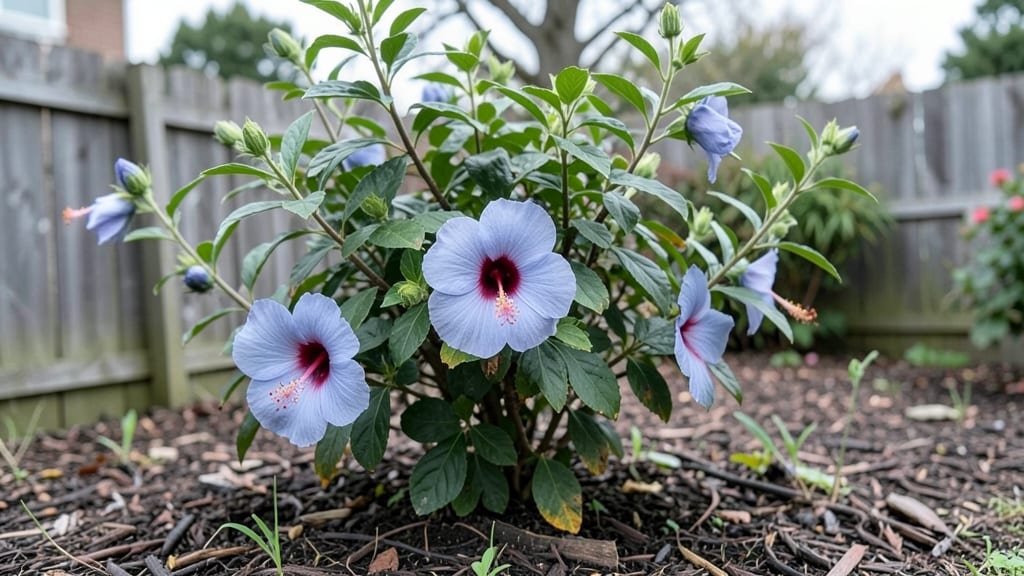
The real blue hibiscus flower is the kind of plant that makes neighbors stop and stare—its jewel-toned blooms look like they were painted by hand. ✨ I’ve watched hummingbirds hover around mine for hours, and the way it stands out against purple salvias or silver foliage?
Absolute showstopper. This isn’t your average hibiscus; it’s a bold statement in any garden, especially when paired with the right companions.
What makes it special isn’t just the color—it’s the year-round interest it brings. Even when not in bloom, its glossy leaves add texture, and the flowers attract pollinators like magnets.
The key to showcasing it is placement: plant it where its vibrant hue will pop against softer greens or contrasting purples. Think of it as the focal point of a border or container arrangement.
You’ll end up with a garden that feels alive, buzzing with activity, and impossible to ignore. The real blue hibiscus doesn’t just fill space—it transforms it into a living work of art.
Pair it with lavender for a dreamy cottage vibe or mix in some dusty miller for a modern contrast. The possibilities are endless, and the impact is instant.
Whether you’re designing a small patio garden or a sprawling landscape, this hibiscus will be the star. It’s the kind of plant that turns heads and sparks conversations—exactly what a garden should do. Let’s make yours unforgettable.
📚 In This Guide
- What you need
- Instructions
- Tips and common mistakes
- Wrapping up and next steps
What you need
- ● Real blue hibiscus plant: 1 mature plant (nursery-grown, ~$20–$40) or
- ● Seeds (5–10, ~$5–$15 per packet) or
- ● Rooted cuttings (3–5, if propagating)
- ● Well-draining potting mix: 1–2 bags (look for cactus/succulent blend or amend garden soil with perlite/vermiculite)
- ● Container or garden bed: For pots: 1–2 12–18" diameter containers (with drainage holes)
- ● For gardens: Full sun (6+ hours/day), sheltered from strong winds
- ● Fertilizer: Balanced 10-10-10 or 20-20-20 (organic options like fish emulsion work too!)
- ● Mulch: 1–2 inches of pine bark or straw (retains moisture, regulates soil temp)
- ● Garden tools: Trowel or small shovel
- ● Pruning shears (sterilized with rubbing alcohol)
- ○ Gloves (optional but recommended)
- ● Watering can or hose: With a gentle spray nozzle (hibiscus hates soggy roots!)
- ○ pH test kit (optional): Ideal soil pH: 6.0–7.0 (adjust with lime or sulfur if needed)
- ○ Hummingbird feeder (optional but fun!): 1–2 red feeders filled with 4:1 sugar-water solution (skip dyes!)
- ● 💡 Climate note: Blue hibiscus (Hibiscus syriacus ‘Blue Bird’) thrives in USDA Zones 5–9. In colder zones, plant in spring after frost!
- ● 🌡️ Heat hack: If your area hits 90°F+, provide afternoon shade to prevent wilting.
- ● 🎯 Patience pays off: Seeds may take 6–12 months to bloom—nursery plants flower faster!
Step-by-Step guide to growing real blue hibiscus flowers
Here’s how to cultivate vibrant blue hibiscus blooms that attract hummingbirds all year—no fancy tricks, just proven techniques.
🌱 Step 1: Select the Right Variety and Planting Site
Start with a true blue hibiscus like Hibiscus moscheutos 'Blue Bird' or Hibiscus syriacus 'Blue Chiffon'—these are the closest to natural blue hues. Plant in full sun (at least 6-8 hours daily) for the deepest color and most blooms. If your summers are scorching, provide afternoon shade to prevent wilting.
Choose a spot with well-draining soil—hibiscus roots despise soggy conditions. Amend heavy clay with 2-3 inches of compost or organic matter to improve drainage. I test soil moisture by pressing my finger 2 inches deep; if it feels damp, hold off on watering.
☀️ Step 2: Plant at the Right Depth and Water Deeply
Dig a hole twice as wide as the root ball but only as deep—planting too deep suffocates the stem. Gently loosen roots if they’re circling and place the plant so the top of the root ball sits level with the soil surface. Fill the hole, pressing soil lightly around the roots to remove air pockets.
Water deeply immediately after planting—1-2 gallons per plant—to settle the soil and encourage roots to spread. Mulch with 2-3 inches of shredded bark to retain moisture and suppress weeds. Avoid mulching too close to the stem; keep it 2-3 inches away to prevent rot.
💧 Step 3: Water Consistently and Fertilize for Blooms
Hibiscus love moisture but hate soggy roots. Water 2-3 times per week in hot weather, aiming for 1 inch of water per week. Check soil moisture by lifting a plant—if the soil feels dry 1 inch down, it’s time to water. Overwatering causes yellow leaves, while underwatering leads to drooping blooms.
Feed every 4-6 weeks with a balanced, slow-release fertilizer (10-10-10) in spring and summer. For extra blue intensity, add a low-nitrogen, high-phosphorus fertilizer (like 5-10-10) when buds form. I skip fall fertilizing—hibiscus need a rest to rebloom vigorously next season.
✂️ Step 4: Prune for Bushier Growth and More Flowers
Prune in late winter or early spring before new growth starts. Cut back one-third of the plant to encourage bushier growth and more blooms. Remove dead or crossing branches with clean sterilized shears, cutting just above a leaf node at a 45-degree angle for better water runoff.
Deadhead spent blooms weekly to redirect energy into new flowers. If your hibiscus blooms but doesn’t rebloom, it’s likely getting too much shade or not enough fertilizer. I also prune leggy stems in summer to maintain shape—just trim back to a strong branch or bud.
🪴 Step 5: Protect from Pests and Winter Chill
Watch for aphids or spider mites—they love hibiscus leaves. Spray infested areas with neem oil or a soapy water solution (1 tsp mild soap per quart of water). For severe infestations, repeat every 3-5 days until pests disappear. Healthy plants rarely have issues, so focus on proper watering and sunlight.
In colder climates, mulch heavily (4-6 inches) and wrap young plants in burlap if temps drop below 20°F. Mature hibiscus can handle 15°F, but new growth is frost-sensitive. I’ve seen established plants bounce back after light freezes, but severe cold can kill stems—so plan accordingly.
Tips & tricks for perfect blue hibiscus blooms
Here's what nobody tells you about growing those stunning blue hibiscus flowers that'll have hummingbirds flocking to your garden.
Sunlight Strategy: While 6-8 hours of sun is ideal, don't panic if your location gets less. In Step 1, if you're planting in a spot with 4-5 hours of sun, choose the 'Blue Chiffon' variety—it's more shade-tolerant than 'Blue Bird' but still produces gorgeous blooms. I've seen these thrive in morning sun with afternoon shade in hot climates, though the flowers may be slightly smaller. The key is consistent light exposure rather than direct midday sun.
Soil Test Tip: Before amending your soil in Step 1, do this quick test: Grab a handful of moist soil and squeeze it. If it holds its shape like a ball, you've got clay soil that needs those 2-3 inches of compost. If it crumbles easily, you're good to go. I learned this the hard way after planting in unamended clay—my first hibiscus nearly drowned! For heavy clay, mix in sand too to improve drainage even further.
Winter Care for Cold Climates: When temps drop below 20°F in Step 5, here's my extra protection trick: After wrapping plants in burlap, loosely cover them with a frost blanket or even old bedsheets secured with bricks. This creates an insulating air pocket that can raise temperatures by 5-10°F. I've had plants survive down to 10°F with this method, though mature plants can still handle 15°F without extra protection. The goal is to protect new growth rather than established stems.
Fertilizer Timing: The 4-6 week feeding schedule in Step 3 works, but here's how to optimize it: Start fertilizing in early spring when you see new growth, then switch to your low-nitrogen, high-phosphorus blend (5-10-10) when you notice buds forming. I stop fertilizing completely after mid-summer to let the plant prepare for winter. This timing prevents late-season growth that might not harden off before cold weather arrives.
Pro Tips for Real Blue Hibiscus Flower
- Here's what nobody tells you about growing those stunning blue hibiscus flowers that'll have hummingbirds flocking to your garden.
- Sunlight Strategy: While 6-8 hours of sun is ideal, don't panic if your location gets less.
- Soil Test Tip: Before amending your soil in Step 1, do this quick test: Grab a handful of moist soil and squeeze it.
Frequently asked questions
about the real blue hibiscus flower—your go-to guide for growing this stunning hummingbird magnet!What’s the difference between blue hibiscus and regular hibiscus?
The real blue hibiscus (Hibiscus syriacus 'Blue Bird' or 'Blue Chiffon') is a cultivated variety with vibrant blue-purple blooms, while traditional hibiscus (like Hibiscus rosa-sinensis) typically feature red, pink, or yellow flowers. Blue hibiscus also thrives in cooler climates, making it hardier for USDA zones 5-9.
How long does it take for blue hibiscus to bloom?
With proper care, blue hibiscus usually blooms within 1-2 years of planting. Young plants may take longer, but deadheading spent flowers and fertilizing in spring/fall can encourage faster, more abundant blooms—especially in full sun (6+ hours/day). Patience pays off with year-round color in warm climates!
Can I grow blue hibiscus in containers? Yes—but how?
Use a large pot (15+ gallons) with drainage holes and well-draining soil. Choose a sunny spot (balcony or patio) and water when the top 2 inches of soil dry out. Prune lightly to control size, and fertilize monthly during growing season. Pro tip: Move containers indoors (or to a garage) if temps drop below 20°F.
Why aren’t hummingbirds visiting my blue hibiscus?
Hummingbirds love blue hibiscus—but they need access to nectar! Ensure flowers are fully open (they’re tubular, perfect for hummers). Avoid pesticides, and plant nearby pollinator-friendly flowers (like bee balm or salvia). If blooms are sparse, check for over-fertilizing with high nitrogen (switch to a balanced 10-10-10 formula).
How do I protect blue hibiscus from frost or winter damage?
Blue hibiscus is hardy to zone 5, but young plants or severe cold (<20°F) may need help. Mulch the base with 3-4 inches of shredded bark, and wrap the trunk with burlap if temps drop below 15°F. In containers, move plants to a sheltered spot or indoors (before freezing). Prune dead branches in early spring to encourage new growth.
What’s a good alternative if blue hibiscus won’t grow in my area?
If your climate is too hot/dry (zones 10+) or too cold (
All thrive in full sun to partial shade.
Wrapping up and next steps
The real blue hibiscus flower isn’t just a stunning sight—it’s a year-round magnet for hummingbirds and a symbol of vibrant gardening success. 🌸 By choosing the right variety (like the Althaea rosea or Hibiscus syriacus "Blue Chiffon"), providing the ideal care, and troubleshooting common challenges, you’re well on your way to creating a living oasis that thrills both you and local pollinators.
Ready to transform your garden? Start by planting one today—whether in a pot or your yard—and watch as your space becomes a hummingbird hotspot! For extra inspiration, explore local nurseries or seed exchanges to find the perfect shade of blue for your climate.