
Shrubs
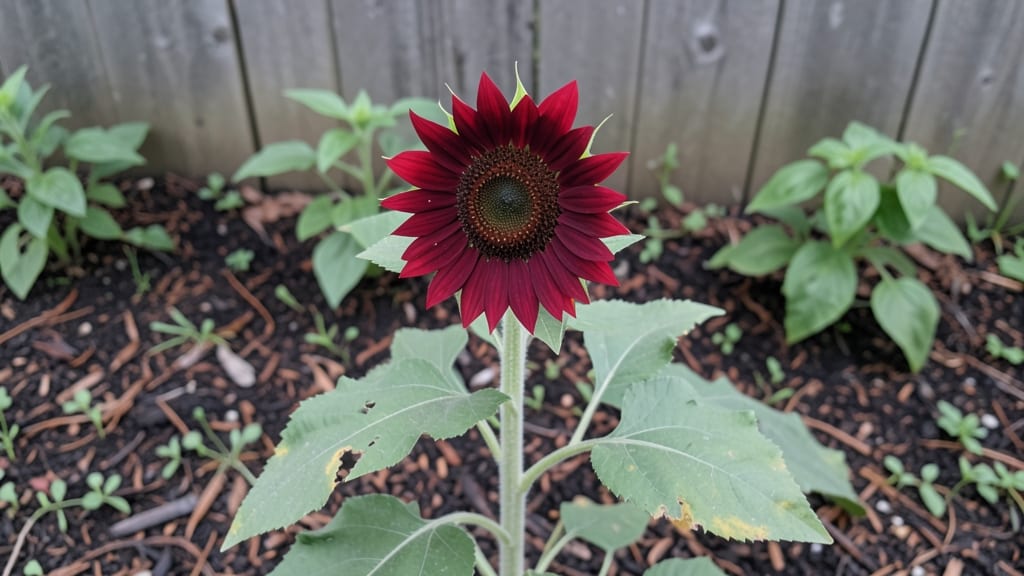
This Red Teddy Bear Sunflower might only grow 2-3 feet tall, but its fiery red blooms steal every show. 🌻 I fell for it the moment I saw how it transforms a shady corner into a bold statement—those velvety petals packed with tiny black centers look like little pom-poms.
The best part? It keeps blooming all summer long, giving you continuous color without the towering sunflower drama.
Pair it with silver foliage plants like lamb's ear or dusty miller to make the red pop even harder, or tuck it alongside purple salvia for a striking contrast. In containers, it thrives with other dwarf sunflowers or ornamental grasses, creating a layered look that feels intentional.
The secret to maximum impact? Place it where you'll see it often—near seating areas, entryways, or as a border where the color can be appreciated up close.
What you end up with is a garden that feels lively and effortlessly put-together, even in small spaces. The blooms attract butterflies all season, and the compact size means you can play with it in ways taller varieties won't allow.
Whether you're filling gaps in flower beds or adding drama to a patio container, this little powerhouse delivers big results with minimal fuss.
Works equally well in full sun or partial shade, making it the ultimate versatile performer. Once you plant one, you'll want a dozen—trust me, the neighbors will notice first. Let's talk placement and pairings that make this sunflower shine even brighter.
📚 In This Guide
- What you need
- Instructions
- Tips and common mistakes
- Wrapping up and next steps
What you need
- ● Seeds: 1 packet of Helianthus annuus ‘Red Teddy Bear’ dwarf sunflower seeds (approx. 20-30 seeds per packet). Pro tip: Look for organic, non-GMO seeds for the best results! 🌱
- ● Potting Mix: 1 bag (12-18 qt) of high-quality, well-draining seed-starting mix or potting soil (avoid garden soil—it’s too dense!).
- ● Containers: 4-6 biodegradable seed pots (2-3 inches deep) or
- ● 1 seed tray with individual cells (for starting indoors).
- ● Garden Space: A sunny spot with 6+ hours of direct sunlight daily (full sun is a must!).
- ● Well-draining garden soil (amend with compost if needed—sunflowers love nutrients!).
- ● Planting Tools: 1 small hand trowel (for transplanting seedlings).
- ● 1 spade or garden fork (to loosen soil in the garden).
- ● Watering: 1 watering can with a fine rose nozzle (for gentle watering) or a hose with a soft spray attachment.
- ○ Fertilizer (Optional but Helpful): 1 balanced, water-soluble fertilizer (5-5-5 or 10-10-10 NPK ratio).
- ● OR organic compost (for a slow-release nutrient boost).
- ○ Support (Optional): 1-2 small stakes or cages (4-6 inches tall) to support the dwarf variety as it grows (though they’re sturdy, a little help never hurts!).
- ○ Pruning Shears (Optional): For trimming spent blooms to encourage nonstop reblooming!
Step-by-step instructions for growing Red Teddy Bear sunflowers
Here's how to coax these cheerful, compact blooms into your garden with minimal fuss.
🌱 Step 1: Choose the Perfect Planting Spot
Red Teddy Bear sunflowers thrive in full sun—at least 6-8 hours daily—so scout locations that get morning sun and afternoon light. I always check for at least 6 hours of direct sunlight by observing where shadows fall at midday for a few days. These dwarf varieties tolerate partial shade but produce fewer blooms, so prioritize sunniest spots.
They grow 2-3 feet tall at maturity, so plant them where they won't be overshadowed by taller plants. A spot with well-draining soil is critical—these sunflowers hate soggy roots. If your soil drains poorly, amend with 2-3 inches of compost mixed into the top 6 inches of soil before planting.
🌱 Step 2: Plant Seeds at the Right Time and Depth
Start seeds indoors 4-6 weeks before your last frost date if you live in a cooler climate, or direct-sow outdoors after soil warms to 50°F. I like to use biodegradable pots for transplants because they eliminate the need to disturb roots later. Plant seeds ½ inch deep—any deeper and they’ll struggle to emerge.
Space seeds 1 inch apart in rows 18 inches apart if planting multiple. Thin seedlings to 12-18 inches apart once they’re 4-6 inches tall, keeping the strongest stems. Water gently after planting to settle the soil, but avoid soaking—these seeds need moisture, not mud.
☀️ Step 3: Water and Fertilize for Nonstop Blooms
Water deeply once a week (or more in extreme heat) to encourage strong root growth. The key is soil dry to touch 1-2 inches down before watering again—overwatering leads to weak stems and fewer blooms. I always water at the base of the plant in the morning to prevent fungal issues.
Feed with a balanced 10-10-10 fertilizer when seedlings are 4-6 inches tall, then again when buds form. Too much nitrogen makes plants grow leaves instead of flowers, so I use half-strength fertilizer to avoid burning roots. Mulch with 2 inches of straw or shredded leaves to retain moisture and suppress weeds.
✂️ Step 4: Deadhead and Support for Continuous Flowers
Here’s the secret to nonstop blooms: deadhead spent flowers by snipping off the faded bloom head with clean scissors. This redirects the plant’s energy into producing new flowers instead of seeds. I do this every 2-3 days during peak bloom season—you’ll see new buds forming within a week of deadheading.
Stake taller stems with 3-foot bamboo stakes or use a cage support to prevent flopping in wind or rain. These sunflowers are sturdy but can lean, especially in heavy blooms. If you’re growing them in containers, choose pots at least 12 inches deep and wide to accommodate their root systems.
🌿 Step 5: Harvest and Enjoy the Cheerful Blooms
Cut flowers when the outer petals are fully open but before they fully mature. Harvest in the early morning for the longest vase life—this is when stems are most hydrated. Strip lower leaves from the stem and recut ½ inch at an angle before placing in water to encourage uptake.
For seed saving, leave 2-3 of the healthiest plants to go to seed. Collect seeds when the back of the flower head turns brown and papery, then twist off the head and dry seeds in a warm, dry place. Store in a paper envelope in a cool, dark spot for next year’s planting.
Tips & tricks for growing Red Teddy Bear sunflowers
These simple tricks will help you grow the most vibrant, blooming Red Teddy Bear sunflowers with minimal effort.
Sunlight Secret: I learned the hard way that these sunflowers need their full 6-8 hours of sunlight daily—even a couple of hours less can dramatically reduce blooms. If you're unsure about sunlight, try a sun calculator app to track sunlight exposure in your garden. For containers, place them where they get morning sun and afternoon light, as afternoon sun is often more intense and can scorch leaves.
Soil Preparation: Never skip amending your soil with compost before planting! Mix that 2-3 inches of compost into the top 6 inches of soil—this improves drainage and gives your sunflowers the nutrients they need to thrive. I've seen plants in poor soil struggle even with perfect sunlight, while amended soil makes all the difference in plant health and bloom quantity.
Watering Wisdom: The "soil dry to touch 1-2 inches down" test is your best friend. Stick your finger in the soil—if it feels dry, it's time to water. Overwatering is the #1 reason for weak stems and fewer blooms. I water mine at the base in the morning, which prevents fungal issues and gives roots time to absorb moisture before evening. For containers, check soil moisture more frequently as they dry out faster.
Deadheading Timing: That 2-3 day deadheading schedule is non-negotiable for continuous blooms! I set a reminder on my phone for every 2-3 days during peak bloom season. The key is to snip just above a leaf node—this encourages new buds to form from that spot. You'll notice new buds appearing within a week of consistent deadheading, and your plants will look bushier with more blooms.
Pro Tips for Red Teddy Bear Sunflower
- These simple tricks will help you grow the most vibrant, blooming Red Teddy Bear sunflowers with minimal effort.
- Sunlight Secret: I learned the hard way that these sunflowers need their full 6-8 hours of sunlight daily—even a couple of hours less can dramatically reduce blooms.
- Soil Preparation: Never skip amending your soil with compost before planting!
Frequently asked questions
about the Red Teddy Bear Sunflower—your go-to guide for quick answers!What’s the best time to plant Red Teddy Bear Sunflowers?
Plant seeds after the last frost when soil reaches at least 60°F (15°C). For container growing, start indoors 4–6 weeks before transplanting. This variety thrives in full sun (6+ hours/day), so avoid shaded spots!
How tall do Red Teddy Bear Sunflowers grow?
This dwarf variety tops out at 24–36 inches tall—perfect for small gardens, balconies, or pollinator-friendly borders. Stake or cage plants if heavy blooms cause leaning, especially in windy areas.
Why aren’t my sunflowers blooming continuously?
Check these fixes:
- Deadhead spent blooms to encourage reblooming.
- Ensure 6+ hours of sunlight daily.
- Fertilize lightly with low-phosphorus feed (e.g., 5-10-5) every 4–6 weeks.
- Water deeply but infrequently (1–2 inches/week) to avoid root rot.
Are Red Teddy Bear Sunflowers good for pollinators?
Absolutely!
Their bright red, double blooms attract bees, butterflies, and hummingbirds. For extra buzz, plant near companion flowers like zinnias or cosmos to extend the pollinator party.
Can I grow Red Teddy Bear Sunflowers in pots?
Yes! Use 5-gallon containers or larger with drainage holes. Mix potting soil + perlite for airflow, and fertilize monthly. Place pots in south-facing spots for maximum sun exposure.
Do I need to overwinter Red Teddy Bear Sunflowers?
This annual doesn’t survive frost, so pull up plants after blooms fade or frost hits. Save seeds from healthy plants for next year, or replant fresh seeds annually for continuous color!
Wrapping up and next steps
The Red Teddy Bear Sunflower isn’t just a stunning addition to your garden—it’s a hardworking, low-maintenance superstar that brings joy with its vibrant blooms and cheerful presence. Whether you’re a seasoned gardener or just starting, this dwarf variety proves that beauty and ease go hand in hand. 🌻
Ready to plant your own happiness? Grab your gloves, pick a sunny spot, and give these sunflowers the love they deserve. Before you know it, your garden will be bursting with color—and maybe even a few extra smiles from neighbors admiring your nonstop blooms!
Next step: Mark your calendar for late spring or early summer, and let the fun begin! 🌱