
Flowers
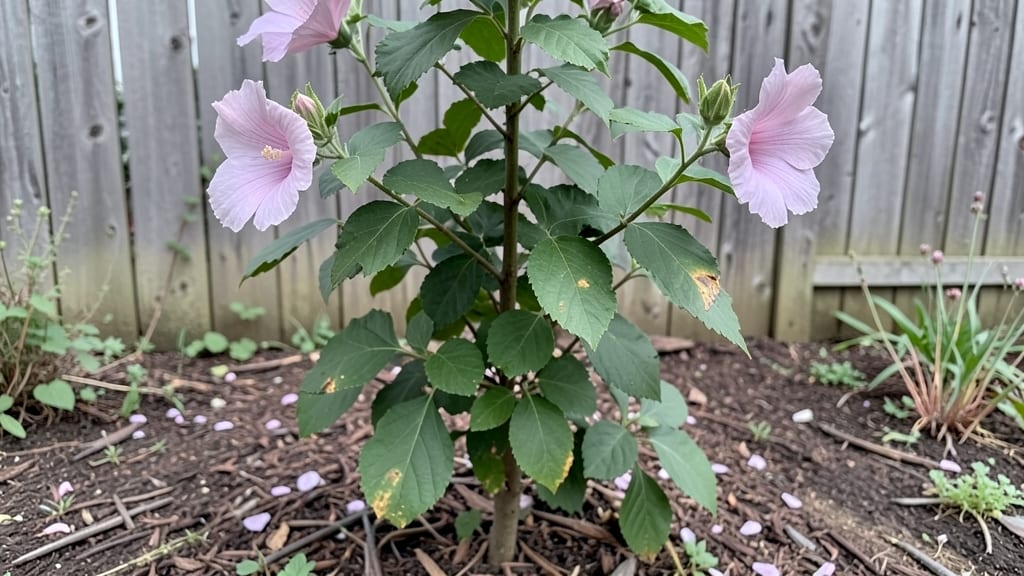
Growing shrub althea in the Pacific Northwest means welcoming frost-hardy blooms that hummingbirds can't resist. 🌿 The first time I saw these trumpet-shaped flowers against my rain-soaked fence, I knew they belonged in every garden.
Unlike delicate annuals, shrub althea thrives in zones 5-9, handling our wet winters and cool summers with ease.
These plants shine in full sun to partial shade and tolerate a range of soils—though they reward you best with well-draining, slightly alkaline soil. Start with a hole twice as wide as the root ball, mix in compost, and plant in early spring or fall.
Water deeply after planting, then let nature take over—they're surprisingly drought-tolerant once established.
By midsummer, you'll be rewarded with vibrant pink, purple, or white blooms that last for weeks. The foliage stays lush even in winter, making it a year-round garden star. Prune lightly after flowering to maintain shape, and watch hummingbirds flock to your yard like never before.
Perfect for hedges, borders, or as a standalone specimen, shrub althea brings color and wildlife to even the smallest space. Let's get yours planted and thriving!
📚 In This Guide
- What you need
- Instructions
- Tips and common mistakes
- Wrapping up and next steps
What you need
- ● Shrub althea plants: 1–3 nursery-grown shrubs (3–5 ft tall, hardy to USDA Zones 4–9). Look for ‘Annabelle,’ ‘Diana,’ or ‘Hamabo’ varieties for frost resilience.
- ● Well-draining soil: Mix 2 parts native soil with 1 part compost or aged manure (pH 6.0–7.5). Avoid heavy clay!
- ● Sunlight: Full sun (6+ hours/day) for vibrant blooms. Partial shade (4–6 hours) works in hotter PNW summers.
- ● Water: 1–2 gallons per plant weekly (drip irrigation or soaker hose preferred). Mulch (2–3 inches) to retain moisture.
- ● Garden tools: Trowel or spade (for transplanting)
- ● Pruning shears (sterilized with rubbing alcohol)
- ○ Gloves (optional, but recommended for thorns)
- ● Fertilizer: Slow-release granular fertilizer (10-10-10 ratio) or organic options like fish emulsion (apply in early spring).
- ○ Support (optional): Stakes or cages for young shrubs in windy PNW areas.
- ● Pest control (preemptive): Neem oil or insecticidal soap (for aphids/spider mites).
Step-by-Step guide to planting and cultivating shrub althea flowers
Here's how I grow this Pacific Northwest staple with minimal fuss—just follow these key steps.
🌱 Step 1: Choose the Perfect Planting Location
Shrub althea thrives in full sun to partial shade (at least 6 hours of direct sunlight daily), but in hotter inland PNW zones, afternoon shade prevents leaf scorch. I always plant mine where they’ll receive morning sun and afternoon dappled light—ideal for the region’s mild summers.
This plant tolerates a range of soil types but prefers well-draining, slightly acidic soil (pH 6.0-7.0). If your garden soil is heavy clay, amend with 2-3 inches of compost mixed into the top 12 inches of soil before planting. Test drainage by digging a 12-inch hole—if water pools after 30 minutes, raise the planting area with a mound of native soil and compost.
🪴 Step 2: Plant Bare-Root or Container-Grown Althea Correctly
For bare-root plants, soak the roots in lukewarm water for 1-2 hours before planting to revive them. Dig a hole twice as wide as the root ball but only as deep as the top of the root flare (the swollen area where roots meet stem). This prevents burying the crown, which causes rot.
If planting a container-grown shrub, remove it from the pot and gently loosen the roots if they’re circling. Place the plant in the hole so the soil line matches the container’s soil line. Backfill with native soil mixed with 1 part compost, tamping lightly every 2 inches to eliminate air pockets. Water deeply to settle the soil—you’ll see the ground firm up around the roots.
☀️ Step 3: Establish Watering and Mulching Routines
Water newly planted althea deeply every 2-3 days for the first 4 weeks, keeping the soil 2-3 inches moist but not soggy. You’ll know it’s right when the topsoil feels damp to touch but isn’t glistening with excess water. After establishment, reduce to once weekly during dry spells, as althea is surprisingly drought-tolerant once mature.
Apply a 3-inch layer of organic mulch (like wood chips or shredded bark) around the base, keeping it 2 inches away from the stem to prevent rot. Mulch conserves moisture, regulates soil temperature, and suppresses weeds—critical in the PNW’s wet winters and dry summers. Refresh the mulch annually in early spring.
✂️ Step 4: Prune for Shape and Encourage Blooms
Prune althea immediately after flowering (late summer) to shape the shrub and promote next year’s blooms. Remove dead, damaged, or crossing branches first, then cut back overgrown stems by ⅓ to encourage bushier growth. Avoid heavy pruning in fall or winter, as althea sets flower buds on old wood.
Here’s the thing—althea blooms on second-year wood, so avoid drastic cuts. If a branch becomes leggy, trim it back to a bud or lateral branch rather than the main stem. You’ll see new growth within 2-3 weeks, and those fresh stems will produce next year’s vibrant pink or white flowers.
🐝 Step 5: Protect and Maintain for Long-Term Health
Shrub althea is frost-hardy to USDA Zone 5, but young plants benefit from a light mulch layer (4-6 inches) in winter to insulate roots. In the PNW’s mild winters, this isn’t always necessary, but a thick mulch prevents heaving and protects shallow roots from freeze-thaw cycles.
Fertilize once annually in early spring with a balanced, slow-release fertilizer (10-10-10). Scatter granules around the drip line (the edge of the canopy) and water deeply to activate them. Avoid high-nitrogen fertilizers—they promote leafy growth at the expense of flowers, which is the whole point of growing althea!
Tips & tricks for perfect shrub althea cultivation
Here's what I've learned from years of growing these stunning PNW natives—simple secrets that make all the difference.
Sunlight Strategy: In Step 1, when choosing your location, remember that althea loves morning sun but can handle afternoon shade—especially in inland PNW areas where summer heat can scorch leaves. I've found that planting near deciduous trees works beautifully: the branches provide shade during hot afternoons but allow full sun in spring and fall when the tree isn't leafed out. This mimics their natural habitat along forest edges.
Soil Test Tip: Before amending your soil in Step 1, grab a simple soil pH test kit (they're cheap and available at garden centers). Althea prefers slightly acidic soil (pH 6.0-7.0), and adjusting your compost ratio based on test results prevents over-acidifying. I've seen beginners add too much peat moss and end up with pH levels too low for optimal growth.
Root Revival Hack: For bare-root plants in Step 2, that 1-2 hour soak in lukewarm water is crucial—but don't skip the gentle root massage after soaking. Rub the roots between your fingers to encourage them to spread naturally. This helps them establish faster once planted. I've noticed plants treated this way show new growth within 2-3 weeks compared to 4-5 weeks with just the soak.
Watering Wisdom: When establishing your watering routine in Step 3, use your finger as a moisture gauge rather than relying on a schedule. The top 2-3 inches should feel damp but not wet—think of a wrung-out sponge. I've learned the hard way that overwatering causes root rot, especially in the PNW's wet climate. A moisture meter is worth the investment for first-time growers.
Pro Tips for Shrub Althea Flower
- Here's what I've learned from years of growing these stunning PNW natives—simple secrets that make all the difference.
- Sunlight Strategy: In Step 1, when choosing your location, remember that althea loves morning sun but can handle afternoon shade—especially in inland PNW areas where summer heat can scorch leaves.
- Soil Test Tip: Before amending your soil in Step 1, grab a simple soil pH test kit (they're cheap and available at garden centers).
Frequently asked questions
Got questions about growing shrub althea (Hibiscus syriacus) in the Pacific Northwest? You’re not alone! Here are answers to the most common queries from gardeners just like you.
Can shrub althea survive PNW winters?
This frost-hardy beauty thrives in USDA Zones 4–9, making it perfect for the PNW’s chilly winters. Just mulch heavily in late fall to protect roots from freeze-thaw cycles. Pro tip: Choose cultivars like ‘Diana’ or ‘Annabelle’ for extra resilience!
How long does it take for shrub althea to flower?
Patience pays off! With proper care, expect the first blooms in 2–3 years after planting. Young plants focus on root growth, but established shrubs reward you with vibrant flowers (June–September) for decades. Prune in late winter to encourage earlier blooms!
Why aren’t hummingbirds visiting my althea?
Hummingbirds love althea, but a few tweaks can help: Ensure flowers are fully open (they prefer trumpet-shaped blooms), plant near water sources, and avoid pesticides. Bonus: Red or pink flowers attract them best—try ‘Blushing Bride’ for a hummingbird magnet!
What’s the best alternative if my althea isn’t thriving?
If your soil is too wet or acidic, consider these PNW-friendly substitutes:
- Butterfly bush (Buddleia) – Drought-tolerant and pollinator-friendly.
- Hollyhock (Alcea rosea) – Similar height, loves sun, and blooms all summer.
- Rose of Sharon (Hibiscus syriacus ‘Blue Chiffon’) – A lighter-colored, low-maintenance cousin.
All three handle PNW’s mild winters well!
My althea leaves are yellowing—what’s wrong?
Yellow leaves usually signal overwatering or nutrient deficiency. Check soil moisture (althaea hates soggy roots!) and amend with compost. If yellowing spreads with black spots, it could be fungal—prune affected branches and improve airflow.
Wrapping up and next steps
Growing shrub althea (Hibiscus syriacus) in the Pacific Northwest isn’t just about adding beauty—it’s about nurturing a resilient, pollinator-loving plant that thrives in your climate. 🌿 With its frost-hardy nature and stunning blooms, this hummingbird magnet is the perfect addition to any garden.
Ready to transform your outdoor space? Start by choosing the right location, prep your soil, and give these flowers the care they deserve—your garden (and local wildlife!) will thank you.
Now that you’re equipped with the know-how, roll up your sleeves and plant your first shrub althea this season. Happy gardening! 🌸