
Companion Plants
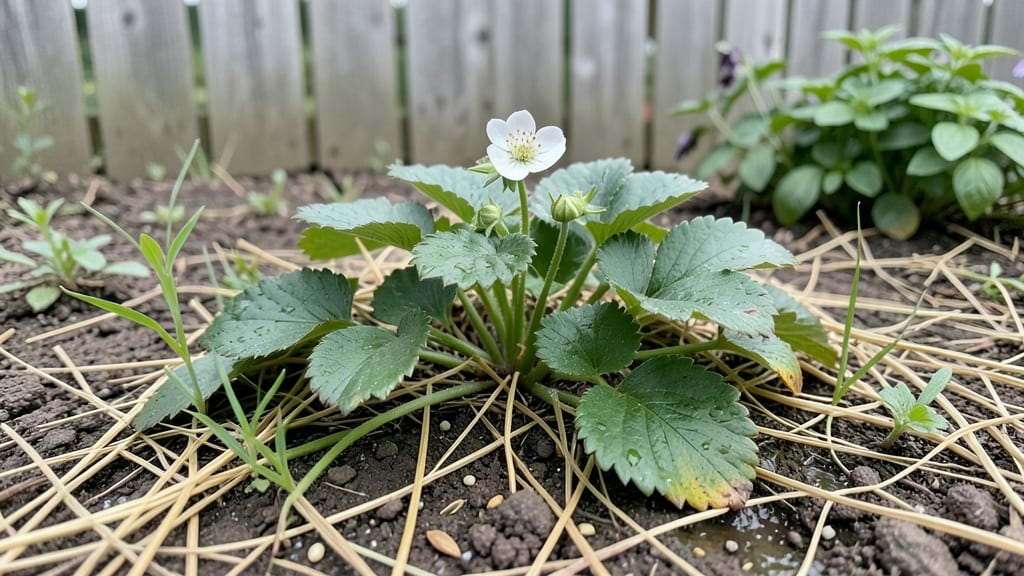
Strawberry plants with red flowers aren’t just for fruit—they’re the Pacific Northwest’s secret weapon for fragrant, hummingbird-magnet borders. 🌸 Their delicate blossoms transform any garden into a living tapestry, especially when planted near water features or along pathways where their sweet scent lingers in the breeze.
These plants thrive in partial shade, making them perfect for underplanting trees or lining shady garden edges. Pair them with salmonberry bushes or columbines for a layered effect, or tuck them into containers with trailing ferns for a cottage-garden feel.
The blooms appear in early spring, giving pollinators a head start before summer’s heat arrives.
Imagine your garden alive with ruby-red flowers swaying in the morning light, their fragrance drawing hummingbirds while you sip coffee on the patio. The contrast of their glossy leaves against silver foliage plants like lamb’s ear adds drama, and their evergreen runners create a lush ground cover by midsummer.
For maximum impact, plant them in masses along fences or as edging for raised beds. Their late-summer fruit is a bonus, but the real magic happens when the flowers burst open—turning your garden into a fragrant, buzzing paradise. Let’s design your dream pollinator-friendly space!
📚 In This Guide
- What you need
- Instructions
- Tips and common mistakes
- Wrapping up and next steps
What you need
- ● Strawberry plants with red flowers: Choose Fragaria × ananassa varieties like 'Seascape' or 'Quinault' (known for their fragrant blooms). Buy 3–5 plants for a small patch or 10+ for a larger garden.
- ● Well-draining potting mix: 10–20 lbs (4.5–9 kg) of organic, peat-based mix or compost blend (avoid heavy clay soil).
- ● Containers or garden bed: Containers: 5–10 gallon pots (1–2 plants per container) with drainage holes.
- ● Garden bed: 6+ inches of loose, fertile soil with partial sun (4–6 hours/day).
- ● Mulch: 2–3 inches of straw or wood chips to retain moisture and suppress weeds.
- ● Balanced fertilizer: 10-10-10 or 5-10-10 (organic options like fish emulsion work too).
- ● Garden gloves: A pair to protect your hands from thorns and soil.
- ● Trowel or hand shovel: For planting and soil prep.
- ● Watering can or hose with a gentle spray nozzle: Strawberries need consistent moisture.
- ● Pruners: Sharp, clean pruners for trimming runners and dead foliage.
- ○ pH test kit (optional): To ensure soil pH is between 5.8–6.5 (strawberries love slightly acidic soil!).
- ○ Hummingbird feeder (optional): A 1:4 sugar-water ratio feeder to complement your fragrant blooms.
- ● Sunlight: A spot with partial shade (especially in hot PNW summers) or dappled sunlight.
- ● Water source: Easy access to water for daily checks (strawberries wilt fast if dry!).
- ● Patience: Strawberries take 6–8 weeks to establish and 2–3 months to produce flowers.
- ● Knowledge of local pests: Watch for slugs, birds, and powdery mildew (common in PNW’s damp climate).
Step-by-step guide to growing hummingbird-friendly strawberries
Turn your Pacific Northwest garden into a fragrant, buzzing paradise with these vibrant red-flowering strawberries.
🌱 Step 1: Select the Right Varieties for Your Climate
Choose June-bearing or everbearing strawberry varieties like 'Seascape', 'Albion', or 'Totem'—all known for their striking red blooms and hummingbird appeal. These varieties thrive in the Pacific Northwest's mild, wet climate and produce flowers that hummingbirds can't resist. I always source plants from local nurseries to ensure they're adapted to our region's cool, damp conditions.
Look for healthy, bare-root plants or container-grown specimens with firm, white roots and no signs of mold or damage. The key is selecting plants that already show strong, red-tinged flower buds—this ensures you'll get those coveted blooms early in the season. If buying potted plants, check that the soil is moist but not soggy, as overly wet roots signal poor storage conditions.
🪴 Step 2: Prepare the Planting Site for Optimal Growth
Strawberries need full sun—at least 6-8 hours daily—and well-draining soil to prevent root rot. In the Pacific Northwest, that means choosing a spot with morning sun exposure to avoid scorching in our humid afternoons. I always amend the soil with 2-3 inches of compost mixed into the top 6 inches of soil to improve fertility and drainage.
Strawberries hate soggy feet, so if your soil drains poorly, raise beds by 4-6 inches or plant in containers with drainage holes. The ideal pH range is 5.5-6.8, which most Pacific Northwest soils naturally provide. Before planting, rake the area smooth and remove any rocks or debris—strawberries have shallow roots and need a clean, unobstructed growing space.
☀️ Step 3: Plant with Proper Spacing and Mulch for Hummingbird Appeal
Space plants 18-24 inches apart in rows 3-4 feet apart to allow airflow and easy harvesting. Dig holes just deep enough to accommodate the roots without bending them—bare-root plants should sit so the crown (where roots meet stems) is level with the soil surface. Container-grown plants can go a bit deeper.
Water deeply right after planting to settle the soil around the roots. Then, apply 2-3 inches of straw mulch (not plastic or black fabric—strawberries need breathable coverage). This mulch serves three purposes: it keeps soil moist, suppresses weeds, and protects flowers from rotting during our frequent Pacific Northwest rains. The fragrant blooms will emerge stronger and attract hummingbirds within 4-6 weeks of planting.
💧 Step 4: Maintain with Hummingbird-Friendly Care
Water 1-1.5 inches per week, keeping the soil consistently moist but never waterlogged. In the Pacific Northwest, that often means watering every 2-3 days during dry spells, but always check the top inch of soil—it should feel slightly damp, not soggy. Avoid wetting the leaves to prevent fungal diseases like gray mold, which thrives in our humid climate.
Feed plants with a balanced, organic fertilizer (like 10-10-10) in early spring and again after harvest. I also sprinkle wildflower seeds around the edges of the bed to create a continuous nectar source for hummingbirds. Remove spent blooms (deadhead) to encourage more flowers, but leave a few to develop berries—hummingbirds love the sweet nectar, and you'll get delicious fruit as a bonus.
✂️ Step 5: Overwinter for Next Year's Blooms
In our mild Pacific Northwest winters, strawberries often survive without extra protection, but mulch heavily with 4-6 inches of straw before the first frost. This insulates the crowns and prevents heaving (when soil freezes and pushes plants out of the ground). In early spring, remove old mulch, add fresh compost, and prune away any dead or weak growth to make room for new, vibrant blooms.
The red flowers will return even more vigorously next season, and your garden will become a year-round hummingbird haven. I've watched ruby-throated hummingbirds hover over these plants for hours, their wings beating a blur as they sip nectar. With proper care, your strawberries will thrive for 3-5 years, providing both beauty and bounty.
Tips & tricks for perfect hummingbird-friendly strawberry gardens
These insider tricks will help you cultivate vibrant red-flowering strawberries that hummingbirds can't resist—especially in our Pacific Northwest climate.
Selection Tip: When choosing plants, prioritize those with visible red-tinged flower buds over ones with just green foliage. These buds indicate the plant's genetic potential for striking red blooms that hummingbirds adore. I've found that 'Totem' and 'Albion' varieties often produce the most vivid red flowers when grown in our region's cool conditions—look for these at local nurseries adapted to our climate.
Soil Preparation Strategy: The 6-8 hours of daily sun is non-negotiable, but don't overlook the soil's hidden role in flower production. After amending with 2-3 inches of compost, I add a handful of perlite or coarse sand to improve drainage without altering the soil's natural pH. This prevents the dreaded "soggy feet" that can rot roots and reduce flowering. For container growing, use a mix of 50% potting soil and 50% coconut coir for that perfect air-to-water ratio.
Planting Depth Secret: Positioning the crown exactly at soil level might seem tricky, but here's my foolproof method: Use a pencil to mark where the crown sits on bare-root plants, then plant until that mark disappears. For container-grown plants, the top of the root ball should sit just above soil level. This prevents crown rot while ensuring the plant has room to establish new roots below. I've learned this the hard way—over-planting can suffocate the crown, while under-planting leaves it exposed to drying winds.
Mulching Technique: That 2-3 inches of straw mulch isn't just for weed control—it's a hummingbird magnet. The mulch breaks down slowly, releasing nutrients that boost flower production. I like to add a thin layer of leaf mold (composted leaves) under the straw for extra nutrients. This two-layer approach keeps soil moist while preventing fungal diseases that can plague our humid climate. The result? More vibrant red blooms that hummingbirds can't resist.
Pro Tips for Strawberry Plants With Red Flowers
- These insider tricks will help you cultivate vibrant red-flowering strawberries that hummingbirds can't resist—especially in our Pacific Northwest climate.
- Selection Tip: When choosing plants, prioritize those with visible red-tinged flower buds over ones with just green foliage.
- Soil Preparation Strategy: The 6-8 hours of daily sun is non-negotiable, but don't overlook the soil's hidden role in flower production.
Frequently asked questions
about strawberry plants with red flowers—because every gardener deserves clarity!Why do some strawberry plants have red flowers instead of white?
Most strawberry varieties have white flowers, but Fragaria × vesca (like 'Apache' or 'Mignonette') often produce stunning red blooms due to natural pigmentation. These flowers are just as fragrant and attract pollinators like hummingbirds just as effectively! The red hue is purely genetic—no special care is needed.
When is the best time to plant red-flowering strawberries in the Pacific Northwest?
For the PNW’s mild climate, plant bare-root strawberries in early spring (March–April) or container-grown plants in late summer (August–September). This gives roots time to establish before winter. Avoid planting in fall if frost is likely—tender new growth won’t survive!
Will red-flowering strawberries still produce fruit?
Yes! While the flowers are the star show, these varieties (like 'Red Wonder' or 'Mignonette') still yield small, sweet berries. Expect fewer berries than commercial varieties, but they’re perfect for flavor and ornamental value. Plus, the red flowers make pollinators twice as happy!
How do I protect red-flowering strawberries from pests in rainy PNW climates?
Use row covers in early spring to deter slugs and birds, and mulch heavily (straw or pine needles) to prevent rot. For fungal issues (like gray mold), space plants 12–18 inches apart and avoid overhead watering. A neem oil spray can also help keep pests at bay.
Can I grow red-flowering strawberries in containers?
Choose large pots (at least 12 inches deep) with drainage holes and a well-draining mix (50% potting soil, 30% compost, 20% perlite). Container-grown plants thrive in the PNW’s cooler summers and can be moved to sunny spots. Just ensure they get 6+ hours of sunlight daily!
Pro Tip:
Pair red-flowering strawberries with companion plants like borage (for pollinators) or thyme (to deter pests). The fragrant blooms will create a hummingbird magnet that’ll make your garden the talk of the neighborhood!
Wrapping up and next steps
Growing strawberry plants with red flowers in the Pacific Northwest isn’t just about adding beauty to your garden—it’s about creating a vibrant, pollinator-friendly haven that hummingbirds and bees will adore! 🌸 These fragrant blooms offer double the reward: delicious fruit and stunning visual appeal.
Whether you’re a seasoned gardener or just starting, these plants are a fantastic choice for adding color, fragrance, and life to your outdoor space.
Now that you’re armed with the knowledge to nurture these plants, take the next step! Start by selecting the perfect spot in your garden, gather your supplies, and plant with confidence.
Before you know it, you’ll be enjoying both the sweet scent of red flowers and the juicy strawberries they produce—while watching hummingbirds dance around your garden like never before! 🌿✨