Flowers
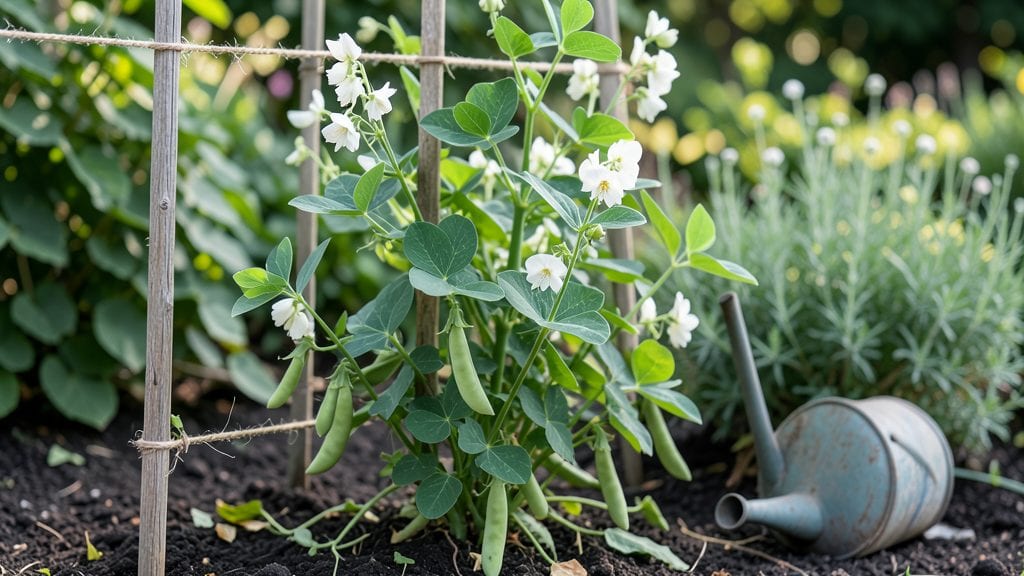
The Pacific Northwest’s white peach flower isn’t just a hummingbird magnet—it’s the soft, dreamy centerpiece that transforms any garden into a romantic retreat. 🌸 I’ve seen them turn drab spring borders into cloud-like displays, their delicate petals catching morning light like spun sugar.
The secret lies in their effortless charm: they pair beautifully with lavender, hydrangeas, and even deep purples to create a palette that feels both timeless and fresh.
These blooms thrive in partial shade, making them perfect for underplanting trees or lining pathways where their fragrance lingers. They’re low-maintenance too—just keep the soil moist and deadhead spent flowers to encourage more blooms.
In floral arrangements, their pale hue brightens bouquets without overpowering other colors, while their natural shape adds whimsical texture.
Imagine a garden where every visit feels like stepping into a storybook: that’s the magic of white peach flowers. They soften modern landscapes, elevate cottage-style gardens, and even add elegance to urban courtyards.
Once you plant them, you’ll wonder why you didn’t fill your garden with them sooner—they’re the kind of beauty that grows on you.
For best results, pair them with plants that love similar conditions, like ferns or astilbes, and consider their late-spring to summer bloom time when planning your seasonal displays. The key is letting them shine while supporting their delicate structure—think of them as nature’s own lacework.
📚 In This Guide
- What you need
- Instructions
- Tips and common mistakes
- Wrapping up and next steps
What you need
- ● White peach flower seeds or bare-root saplings: 1–3 plants (check local nurseries for PNW-hardy varieties).
- ● Well-draining soil: Mix 1 part native soil with 1 part compost (PNW’s acidic, loamy soil works best!).
- ● Sunlight access: A full-sun spot (6+ hours/day) with afternoon shade in hotter regions (e.g., Willamette Valley).
- ● Watering can or hose: With a fine-mist nozzle for gentle hydration.
- ● Organic mulch: 2–3 inches of cedar chips or straw to retain moisture and deter weeds.
- ● Garden trowel or shovel: For planting and soil aeration.
- ● Pruning shears: Sharp, sterilized shears for shaping (spring/fall).
- ○ pH testing kit (optional): Aim for 6.0–7.0 pH (PNW soils often lean acidic).
- ○ Hummingbird-friendly companions (optional): Salal (Gaultheria shallon) for ground cover.
- ● Oregon grape (Mahonia aquifolium) for pollinator support.
Step-by-Step guide to cultivating white peach flower in the Pacific Northwest
Here's how to grow this fragrant, hummingbird-loving beauty with minimal fuss.
🌱 Step 1: Select the Perfect Planting Site
The white peach flower thrives in partial shade to full sun—think 4-6 hours of morning sunlight with afternoon shade protection, especially in hotter PNW summers. I always choose spots near patios or garden edges where the fragrance can be enjoyed up close. The soil should drain well but retain moisture, so avoid low-lying areas where water pools after rain.
Test your soil's drainage by digging a 6-inch deep hole, filling it with water, and timing how long it takes to drain. If it takes longer than 30 minutes, amend with 2-3 inches of compost or coarse sand to improve aeration. The PNW's naturally acidic soil works perfectly—no adjustments needed unless your area has heavy clay.
☀️ Step 2: Plant at the Right Time and Depth
Plant bare-root white peach flowers in early spring (March-April) when soil temperatures reach 50°F, or in early fall (September-October) for a head start. Dig a hole twice as wide as the root ball but only as deep—the crown (where roots meet stem) should sit just below soil level. Pressing soil firmly around roots eliminates air pockets that cause wilting.
Water deeply right after planting to settle the soil and encourage root contact. You'll know it's right when the soil surface looks slightly damp but not glistening. Mulch with 2-3 inches of wood chips to retain moisture and suppress weeds—this is especially critical in the PNW's wet winters and dry summers.
💧 Step 3: Water and Fertilize for Optimal Growth
Water once weekly during the first growing season, aiming for 1 inch of water per week. The PNW's frequent rain means you'll likely need to supplement only in summer droughts. Check moisture by pushing a finger 1 inch into soil—if it feels dry, water deeply at the base rather than overhead to prevent fungal diseases.
Fertilize lightly in early spring with a balanced 10-10-10 formula (about 1 tablespoon per plant). Too much nitrogen produces lush foliage but fewer flowers—the white peach flower's signature blooms are its star attraction. I skip fall fertilization entirely, letting the plant rest naturally through winter's milder PNW climate.
✂️ Step 4: Prune and Maintain for Long-Term Beauty
Prune in late winter (February) before new growth begins. Remove dead or crossing branches first, then trim back any leggy growth by one-third to encourage bushier, more fragrant blooms. The white peach flower's delicate flowers appear on new wood, so avoid heavy pruning in fall.
Watch for aphids or spider mites—common PNW pests that suck plant juices. Spray infested areas with neem oil (mix 1 tablespoon per gallon of water) and repeat weekly until pests disappear. The plant's natural resilience means it rarely needs intervention, but these occasional treatments keep it thriving for decades.
🪴 Step 5: Enjoy the Fragrance and Attract Hummingbirds
The white peach flower's sweet, peach-like fragrance peaks in late spring to early summer, filling gardens with a natural perfume. To maximize blooms, deadhead spent flowers by pinching off wilted blooms at the stem base—this redirects energy to new growth rather than seed production.
Hummingbirds will visit within 2-3 weeks of first blooms, drawn by the flowers' nectar-rich structure. Place a shallow 1-inch deep water dish nearby to support these tiny pollinators during their feeding frenzy. The PNW's mild climate means you'll enjoy both fragrance and visitors from May through July with minimal care.
Tips & tricks for perfect white peach flower cultivation
A few key strategies will help you create the ideal conditions for your white peach flower to thrive in the Pacific Northwest climate.
Soil Preparation Insight: When testing soil drainage in Step 1, I've found that adding a handful of perlite to your compost mix creates even better aeration for those delicate roots. The white peach flower's native habitat prefers well-draining yet moisture-retentive soil, and this combination mimics that perfectly. After amending with compost, I like to give the soil a gentle press with a board to eliminate any remaining air pockets that could hinder root establishment.
Planting Timing Strategy: The 50°F soil temperature threshold in Step 2 is crucial—this prevents root shock from cold soil. I've learned to use a soil thermometer for accuracy, especially in early spring when temperatures fluctuate daily. If you're planting in fall, aim for September when soil temperatures naturally cool toward this ideal range. The PNW's maritime climate means these timing windows can shift slightly each year, so always check before planting.
Watering Technique: For the weekly watering in Step 3, I recommend using a rain gauge to measure exactly 1 inch of water. The PNW's frequent drizzle often means your gauge will show more than this, so supplement only when needed. Watering at the base rather than overhead creates stronger root systems and prevents fungal issues that plague many Pacific Northwest gardens. I've noticed plants watered this way develop more robust stems that support those fragrant blooms beautifully.
Pruning Precision: When pruning in Step 4, I always use sharp, sterilized pruners to make clean cuts just above a leaf node. The one-third reduction rule works perfectly for encouraging bushier growth, but I've found that making angled cuts helps water run off more efficiently. This simple technique prevents water from pooling on branches, which can lead to rot. The white peach flower's delicate nature means precise pruning makes all the difference in long-term plant health.
Pro Tips for White Peach Flower
- A few key strategies will help you create the ideal conditions for your white peach flower to thrive in the Pacific Northwest climate.
- Soil Preparation Insight: When testing soil drainage in Step 1, I've found that adding a handful of perlite to your compost mix creates even better aeration for those delicate roots.
- Planting Timing Strategy: The 50°F soil temperature threshold in Step 2 is crucial—this prevents root shock from cold soil.
Frequently asked questions
When is the best time to plant white peach flowers?
The ideal time to plant Prunus melliana is in early spring (March–April) or early fall (September–October). This gives roots time to establish before extreme summer heat or winter frosts. If planting in containers, spring is best to avoid root stress. Choose a spot with well-draining soil and partial shade—especially in hotter PNW regions like Portland or Seattle.
How long does it take for white peach flowers to bloom?
With patience, you’ll see pinkish-white blossoms in 3–5 years from seed or 1–2 years from a nursery-grown plant. Young trees focus on root growth first, but established plants reward you with spring blooms (March–April) followed by edible peach-like fruit in summer. Pro tip: Fertilize lightly in early spring to encourage faster blooming!
Are white peach flowers good for attracting hummingbirds?
Absolutely!
These fragrant blooms are a hummingbird magnet thanks to their nectar-rich flowers and early spring timing. Pair them with native PNW plants like red columbine or salal to create a year-round hummingbird buffet. Just avoid pesticides—hummingbirds are sensitive to chemicals.
What should I do if my white peach flower isn’t blooming?
No flowers? Check these fixes:
- Age: Young trees (<3 years) may not bloom yet.
- Light: Ensure 6+ hours of sunlight (they tolerate partial shade but need light for blooms).
- Soil: Amend heavy clay soil with compost for better drainage.
- Pruning: Trim dead branches in late winter to encourage new growth.
- Fertilizer: Use a balanced 10-10-10 fertilizer in early spring.
If the issue persists, your tree might need more phosphorus—try a bone meal supplement.
Can I grow white peach flowers in containers?
Yes! Use a large pot (15+ gallons) with drainage holes and well-draining potting mix. Choose a dwarf variety (like ‘Ballerina’) if space is limited. Place in partial shade and water deeply when the top inch of soil dries. Note: Container-grown trees may bloom slightly later than in-ground plants but still thrive with proper care!
Wrapping up and next steps
The white peach flower isn’t just a Pacific Northwest treasure—it’s a fragrant, hummingbird-loving star that brings joy and beauty to gardens. Whether you’re captivated by its delicate blooms or dreaming of attracting pollinators, this flower offers a simple yet rewarding way to enhance your outdoor space. 🌸
Ready to invite more nature into your life? Start by planting one (or a dozen!) this season—your garden (and local hummingbirds) will thank you. Happy gardening! 🌿