
Flowers
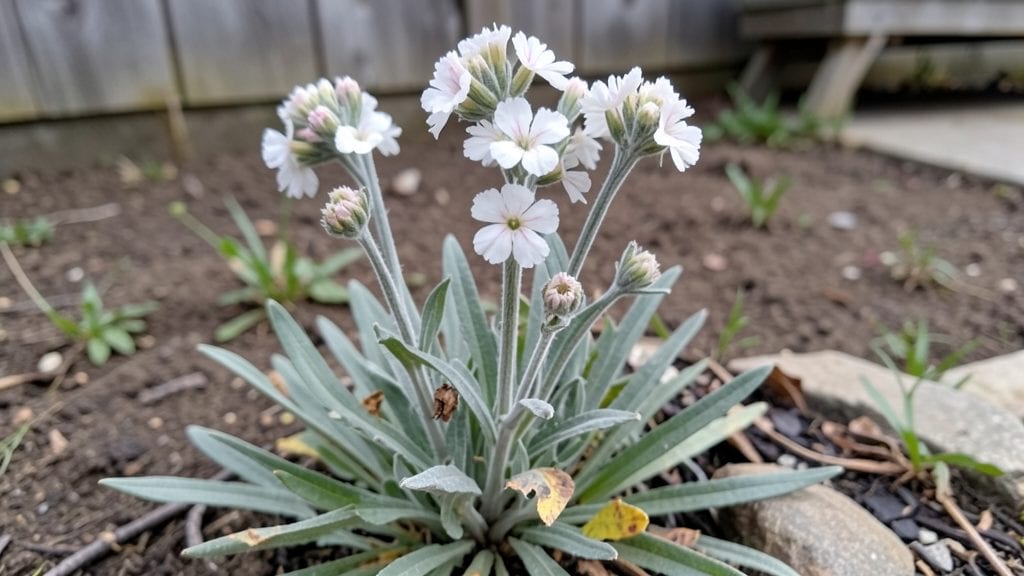
Discovering the small white flowers names and pictures that flourish in the Pacific Northwest’s damp, mild climate feels like uncovering hidden treasures—especially when they draw in pollinators year-round. ✨ These delicate blooms transform borders, containers, and shady corners into soft, dreamy spaces that hum with bees and butterflies, even when other gardens are still gray with winter.
The key lies in choosing varieties that handle our region’s unique conditions: snowdrops that poke through frost, sweet alyssum that carpets the ground, and white daisies that dance in the breeze.
My go-to list includes snowdrops (Galanthus) for early spring, white alyssum (Lobularia maritima) for fragrant summer borders, and Pacific coast iris (Iris tenax) for bold vertical drama. Each brings its own texture—some fuzzy, some smooth—creating layers that catch light differently at various times of day.
The best part? These flowers pair effortlessly with ferns, heucheras, and native grasses, making them the secret weapon for low-maintenance, high-impact designs.
With the right placement, you’ll create a garden that feels like a living watercolor—soft edges, subtle movement, and a quiet hum of life. Imagine white phlox spilling over a container’s edge or white sweet woodruff weaving through shade gardens, its delicate star-shaped blooms catching the light like scattered diamonds.
These plants don’t just fill space; they invite pollinators to linger, turning every season into a showstopper.
Whether you’re refreshing an old border or starting a new container garden, these flowers adapt to sun or shade, clay or well-draining soil. The Pacific Northwest’s pollinators will thank you—and so will your neighbors, who’ll wonder how you made such magic happen.
Let’s dive into the specifics of how to make them shine in your space.
📚 In This Guide
- What you need
- Instructions
- Tips and common mistakes
- Wrapping up and next steps
What you need
- ● Field Guide or App: A Pacific Northwest wildflower guidebook (e.g., Pacific Northwest Wildflowers by Pojar & MacKinnon) or a plant ID app like iNaturalist or PictureThis.
- ● Camera or Smartphone: A basic camera with macro mode (or a smartphone with a 10x zoom lens for close-ups).
- ● Notebook & Pen: For jotting down notes on flower size, leaf shape, and habitat.
- ○ Magnifying Glass: (Optional but handy!) To inspect tiny details like stamens or seed pods.
- ● Native Seeds: Small white flower seeds like Yarrow (Achillea millefolium), Pacific Dogwood (Cornus nuttallii), or Western White Trillium (Trillium ovatum).
- ● Well-Draining Soil Mix: A blend of peat moss, perlite, and compost (or store-bought native plant soil).
- ● Garden Tools: Trowel (for transplanting)
- ● Pruners (for shaping)
- ● Watering can (with a fine rose nozzle for delicate seedlings)
- ● Mulch: Wood chips or straw to retain moisture and suppress weeds.
Step-by-Step guide to identifying and cultivating Pacific Northwest pollinator-friendly white flowers
Here's how to spot and grow the region's most effective white blooms for bees, butterflies, and hummingbirds.
🌿 Step 1: Recognize the Key Visual Characteristics of PNW White Flowers
Pacific Northwest white flowers often share these traits: delicate petal structures, clustered growth patterns, and fragrant compounds that attract pollinators. Look for five-petal arrangements in plants like Pacific Dogwood (Cornus nuttallii) or star-shaped blooms in Western Yarrow (Achillea millefolium). The flowers tend to be 1-2 inches wide—small enough to be overlooked but perfect for pollinator mouths.
Notice the leaf arrangement too—many PNW white flowers have alternate leaves (like Oregon Grape Mahonia aquifolium) or whorled patterns (like Pacific Ninebark Physocarpus capitatus). These clues help distinguish them from invasive species that mimic their appearance. For example, white clover has trifoliate leaves, while native white violets have heart-shaped leaves with distinct purple veins.
☀️ Step 2: Match Flowers to Their Native Habitats and Sunlight Needs
Most PNW white flowers thrive in partial shade to full sun, but their ideal conditions vary. Woodland species like Pacific Dogwood and Western Azalea (Rhododendron occidentale) prefer morning sun and afternoon shade, while prairie plants like Yarrow and Checker Mallow (Sidalcea oregana) demand 6+ hours of direct sunlight. I always check the leaf texture—thick, leathery leaves (like Oregon Grape) mean drought tolerance, while soft, fuzzy leaves (like Pacific Ninebark) signal they need consistent moisture.
Here's the quick guide I use: Coastal areas (more shade, higher humidity) support Western Azalea and Salmonberry (Rubus spectabilis), while inland valleys (drier, hotter summers) favor Yarrow and Lupine (Lupinus). Plant in groups of 3-5 for pollinator visibility—single stems get ignored by bees.
💧 Step 3: Plant for Season-Long Pollinator Support
To keep pollinators fed year-round, layer flowers by bloom time. Start with early spring bloomers like Pacific Dogwood (March-April), followed by Western Azalea (May-June), then summer favorites like Yarrow (June-August), and finish with Salmonberry (August-September). I mark each plant's bloom window on my garden map—this ensures no gaps in nectar availability.
Mulch with 2-3 inches of wood chips to retain moisture while keeping roots cool. Water deeply once weekly during the first growing season, then taper to every 10-14 days once established. You'll know it's working when you see bumblebees hovering at 7-9 AM (their peak foraging time) and swallowtail butterflies nectaring by midday.
✂️ Step 4: Maintain for Health and Pollinator Appeal
Deadhead spent blooms every 2-3 weeks to encourage continuous flowering. For example, after Pacific Dogwood's first flush fades, prune back 1/3 of the oldest stems to stimulate new growth. Avoid cutting into green wood—wait until stems turn brown. I also leave 20% of seed heads on plants like Yarrow to provide winter food for birds and overwintering insects.
Fertilize lightly in early spring with 5-10-10 fertilizer at half strength—PNW native flowers prefer lean soil. Over-fertilizing produces lush foliage but fewer blooms, which defeats the pollinator purpose. Test soil pH annually; most white-flowering natives prefer acidic to neutral (5.0-7.0), except Oregon Grape, which thrives in slightly alkaline (7.0-7.5) conditions.
🪴 Step 5: Create Pollinator Zones for Maximum Impact
Designate 3-5 square feet as a pollinator "hot spot" by grouping 3-5 plants with staggered bloom times. Add a small water source (like a shallow dish with pebbles) to attract thirsty visitors. I plant Pacific Dogwood as the centerpiece, surrounded by Yarrow and Checker Mallow for ground cover, with Oregon Grape along the perimeter for year-round structure.
Include host plants like Pacific Ninebark (for swallowtail caterpillars) and Salmonberry (for hummingbird moths). Monitor for aphids or spider mites—common pests that stress plants and deter pollinators. If needed, spray with neem oil in the evening to avoid harming bees. Within 2-3 weeks, you'll notice 2-3x more pollinator activity compared to random plantings.
Tips & tricks for perfect Pacific Northwest pollinator gardens
These insider tips will help you create a thriving pollinator haven with the region's most effective white flowers.
Visual Distinction Tip: When identifying white flowers in Step 1, focus on the leaf veins and undersides—many native PNW species have subtle purple or green veining that distinguishes them from invasive lookalikes. For example, native white violets have heart-shaped leaves with prominent veins, while invasive white clover has trifoliate leaves with no distinct pattern. This visual clue becomes especially important when flowers are in bud form before blooming.
Sunlight Strategy: In Step 2, when assessing sunlight conditions, use the "shadow test" method—mark your garden areas at 10 AM and 2 PM to track how much direct sunlight each spot receives. Coastal areas often get filtered sunlight through tree canopies, which works perfectly for Western Azalea, while inland valleys need full sun exposure for plants like Yarrow. I've found that even a 3-foot difference in elevation can change sunlight exposure significantly in the PNW's varied terrain.
Bloom Layering Technique: For Step 3's season-long support, create a simple bloom calendar using index cards with each plant's name and peak bloom month. Place them on a string near your garden—this visual reminder ensures you don't miss planting gaps. I also recommend including late-season bloomers like Salmonberry (August-September) to provide critical fall nectar when other flowers have finished. This layered approach creates a continuous food source that pollinators rely on during migration periods.
Maintenance Hack: When deadheading in Step 4, use clean, sharp pruners and make cuts at a 45-degree angle just above a leaf node. This angled cut prevents water from pooling on the stem, reducing disease risk. For Pacific Dogwood, I've found that pruning after the first flush of flowers (around late April) stimulates a second bloom cycle in some varieties. Always wear gloves when handling Oregon Grape—its holly-like leaves can be quite prickly!
Pro Tips for Small White Flowers Names And Pictures
- These insider tips will help you create a thriving pollinator haven with the region's most effective white flowers.
- Visual Distinction Tip: When identifying white flowers in Step 1, focus on the leaf veins and undersides—many native PNW species have subtle purple or green veining that distinguishes them from invasive lookalikes.
- Sunlight Strategy: In Step 2, when assessing sunlight conditions, use the "shadow test" method—mark your garden areas at 10 AM and 2 PM to track how much direct sunlight each spot receives.
Frequently asked questions
Got questions about those delicate white blooms dotting the Pacific Northwest? You’re not alone! Here are answers to the most common queries about small white flowers—from identification to care tips.
What are the most common small white flowers in the Pacific Northwest?
The PNW is home to Lupinus polyphyllus (Lupine), Achillea millefolium (Yarrow), and Erigeron speciosus (Fleabane), but don’t overlook Camassia leichtlinii (Camas Lily) or Symphyotrichum subspicatum (Douglas Aster). Pro tip: Check bloom times—some, like Lupine, thrive in spring, while Yarrow blooms late summer!
When is the best time to plant small white flowers for pollinators?
For maximum pollinator impact, plant spring-bloomers (like Lupine) in early fall, and summer/fall bloomers (like Yarrow) in late spring. Native seeds germinate best when sown fresh or cold-stratified! Avoid planting after the first frost—most prefer well-drained soil and full sun.
Why aren’t my small white flowers attracting bees or butterflies?
Pollinators love clusters of flowers, not solitary plants! Ensure your garden has diverse blooms (e.g., Lupine + Yarrow) and avoid pesticides. White flowers often attract bees with UV patterns—try planting near purple or blue blooms (like Delphinium) to create a "beacon."
Can I replace non-native white flowers with PNW natives?
Swap Sweet Alyssum (non-native) for Pacific Dog Violet (Viola sempervirens) or Checkerbloom (Sidalcea oregana). Natives like Oregon Sunshine (Lithophragma parviflorum) thrive with zero care and support local ecosystems. Bonus: They’re drought-tolerant!
What’s eating my small white flowers’ leaves?
Common culprits: Slugs (leave silvery trails), Cabbage worms (chewed holes), or Deer (clean bites). Try beer traps (for slugs), neem oil (for insects), or deer fencing. Lupine and Yarrow are deer-resistant—plant them as barriers!
Wrapping up and next steps
From snowberry to queen anne’s lace, the Pacific Northwest’s small white blooms aren’t just pretty—they’re lifelines for pollinators and garden gems waiting to be discovered! 🌸 Whether you’re a beginner or a seasoned gardener, these flowers prove that beauty thrives in simplicity. Now’s your chance to turn your outdoor space into a buzzing haven:
- Plant one (or ten!) of these pollinator magnets—your local bees and butterflies will thank you.
- Snap a photo of your favorite blooms and tag us @PNWGardener—we’d love to see your garden in action!
- Share this guide with fellow plant lovers to spread the love for tiny but mighty flowers.
Happy gardening—your future pollinator friends are cheering for you! 🐝✨