
Flowers
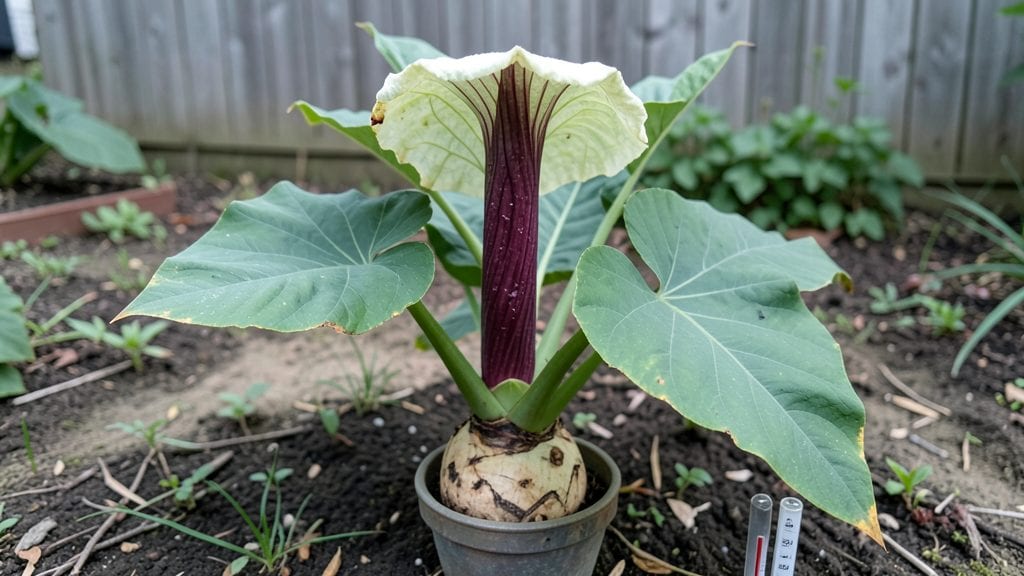
The smelly corpse flower—Amorphophallus titanum—is a stinky but stunning plant that rewards you with the world’s largest unbranched inflorescence. 🌿 I’ll never forget the first time mine bloomed—my neighbor called to ask if I’d accidentally left out garbage.
The stench isn’t for the faint-hearted, but the spectacle of a 7-foot-tall flower with a velvety purple spathe and creamy spadix is unforgettable.
This tropical oddity demands patience and precise conditions: warm temperatures year-round, 60-80% humidity, and a mix of peat, perlite, and compost to mimic its native rainforest floor. Unlike most houseplants, it thrives in low light but needs consistent moisture—never soggy soil.
The real magic happens when the plant hits maturity (5-10 years), when it finally decides to bloom, often triggered by a shift in daylight or temperature.
When it does bloom, you’ll know it’s coming weeks in advance—leaves wilt, the corm swells, and the air grows thick with the scent of decay. The bloom lasts just 24-48 hours, so timing is everything.
If you’re lucky, you’ll get a second chance in a few years. The payoff? A conversation piece that turns your garden into the talk of the neighborhood.
Perfect for collectors, science enthusiasts, or anyone who loves a challenge. The key is consistency—this isn’t a plant you’ll rush. But when it finally blooms, you’ll understand why growers travel the world just to catch a whiff of its infamous aroma.
📚 In This Guide
- What you need
- Instructions
- Tips and common mistakes
- Wrapping up and next steps
What you need
- ● Corpse flower corm: 1 mature, healthy corm (3–5 inches in diameter, ideally from a reputable grower).
- ● Large container: A minimum 10-gallon pot (12–15 gallons preferred) with drainage holes. Terracotta or fabric pots work best.
- ● High-quality potting mix: 50% peat moss or coconut coir + 50% perlite or orchid bark (well-draining and slightly acidic, pH 5.5–6.5).
- ● Slow-release fertilizer: 1–2 cups of osmocote or similar (14-14-14 or 10-10-10 NPK ratio).
- ● Grow lights or full-spectrum LED bulbs: 1–2 1000W+ LED grow lights (for indoor setups) or access to bright, indirect sunlight (6+ hours/day).
- ● Humidity dome or tray: A clear plastic cover or humidity tray to maintain 70–80% humidity during early growth.
- ● Spray bottle: For misting (to keep soil moist but not soggy).
- ● Thermometer/hygrometer: To monitor temperatures (70–85°F) and humidity (70–80%).
- ● Heating mat: A 70–80°F heat mat to simulate tropical conditions (especially for indoor growers).
- ● Fan: A small oscillating fan for airflow (reduces fungal risks).
- ● Epsom salt: 1–2 tbsp magnesium sulfate (monthly dose for leaf health).
- ● Compost tea or fish emulsion: For occasional nutrient boosts during active growth.
- ● Glove & mask: Nitrile gloves + N95 mask (for handling the corpse flower’s rotten-meat stench during bloom!).
Step-by-step instructions for cultivating the corpse flower
Here's how to nurture this infamous plant to its legendary bloom—where patience meets the unexpected.
🌱 Step 1: Acquire and Prepare a Mature Plant
The corpse flower (Amorphophallus titanum) isn't grown from seed for most gardeners—it's propagated from a mature tuber. I recommend purchasing a 3-5 year old tuber from a specialty grower, as younger specimens rarely bloom. The tuber should weigh 10-20 pounds and show visible root growth when you receive it.
Upon arrival, inspect the tuber for soft spots or mold—these signal rot. If healthy, plant it no deeper than 2 inches below the soil line in a 10+ gallon container filled with sterile potting mix (avoid garden soil; it's too dense and may harbor pathogens). Use a moisture meter to ensure the mix stays between 40-50% humidity—too dry, and the tuber won't activate; too wet, and it'll rot.
☀️ Step 2: Mimic Tropical Rainforest Conditions
This plant demands consistent warmth—keep soil temperatures between 75-85°F year-round. A heat mat beneath the pot ensures roots stay warm, while a humidity dome or pebble tray with water maintains 60-70% humidity. Without these, the tuber will remain dormant or develop root rot.
Position the plant under bright, indirect light—think dappled sunlight like a rainforest understory. A grow light on a 12-hour cycle works indoors, but avoid direct sun, which scorches the leaves. You'll know the light is right when new leaves emerge bright green and upright, not stretched or yellowing.
💧 Step 3: Water Strategically to Trigger Growth
Watering is an art with corpse flowers. Keep the soil evenly moist but never soggy—think of a well-wrung sponge. I use a spray bottle for the top inch and a slow-dripping hose for the rest, ensuring water drains freely. Overwatering suffocates roots; underwatering starves them. Test by sticking your finger 2 inches deep—if dry, water; if damp, wait.
Here's the trick: Reduce water by 50% in winter (November-February) to simulate dry seasons. This stress period can trigger flowering in mature tubers. Watch for new leaf growth—that's your signal the tuber is active and thriving.
⏰ Step 4: Monitor for Bloom Signals
A corpse flower's bloom cycle is unpredictable but has clues. First, the plant enters pre-bloom dormancy—leaves yellow and wilt as the tuber redirects energy underground. Then, a single, massive leaf (up to 6 feet tall) emerges from the center—this is the spadix, the flower itself.
Once the spadix appears, increase humidity to 80% and boost warmth to 85°F. The bloom will unfurl over 24-48 hours, releasing its infamous rotten meat scent (cadaverine and putrescine compounds) to attract pollinators. This stench can linger for days—plan accordingly if neighbors are nearby!
🌿 Step 5: Post-Bloom Care and Long-Term Maintenance
After flowering, the spadix wilts and collapses. Do not cut it—let it decompose naturally, as nutrients return to the tuber. Reduce water slightly but keep the soil moist, not dry. The tuber may enter another 6-12 month dormancy before blooming again.
Repot every 2-3 years into a larger container (up to 20 gallons) with fresh potting mix. Divide tubers only when they naturally split—never force separation. With patience, a healthy corpse flower can live decades and bloom every 7-10 years, making it a true conversation piece.
Tips & tricks for perfect corpse flower cultivation
Here’s what nobody tells you about growing this legendary—but notoriously tricky—plant.
Tuber Selection Matters: When purchasing a 3-5 year old tuber, look for one with a firm, heavy feel—it should weigh 10-20 pounds and have visible root growth. Avoid tubers with soft spots or mold, as these are early signs of rot. I’ve learned the hard way that even a small blemish can spread quickly in the sterile potting mix. If you’re unsure, ask the seller for a photo of the roots before purchasing.
Environmental Consistency is Key: The corpse flower thrives on 75-85°F soil temperatures and 60-70% humidity—any deviation can stall growth. I use a digital thermometer/hygrometer combo to monitor conditions, especially in winter when indoor heat fluctuates. If your home runs dry, add a pebble tray with water near the plant to boost humidity without overwatering. A heat mat under the pot in cooler months keeps roots warm and active.
Winter Watering Trick: Reducing water by 50% in winter (November-February) mimics dry seasons and can trigger flowering. But here’s the catch: don’t just cut back—adjust gradually over 2 weeks to avoid shocking the tuber. I also switch to a spray bottle for the top inch of soil, which helps maintain moisture without oversaturating. Watch for new leaf growth as your signal that the tuber is responding positively.
Bloom Preparation Timeline: Once you spot the spadix (the massive leaf that signals bloom), ramp up humidity to 80% and warmth to 85°F. The bloom unfurls over 24-48 hours, so prepare for the infamous stench—it’s stronger than you imagine! Keep a fan nearby to circulate air and reduce odor concentration. And remember: the scent lingers for days, so warn your neighbors in advance.
Pro Tips for Smelly Corpse Flower
- Here’s what nobody tells you about growing this legendary—but notoriously tricky—plant.
- Tuber Selection Matters: When purchasing a 3-5 year old tuber, look for one with a firm, heavy feel—it should weigh 10-20 pounds and have visible root growth.
- Environmental Consistency is Key: The corpse flower thrives on 75-85°F soil temperatures and 60-70% humidity—any deviation can stall growth.
Frequently asked questions
Got questions about the infamous Amorphophallus titanum? You’re not alone—this plant is as mysterious as it is pungent! Here are answers to the most common queries about growing (and surviving) the smelly corpse flower.
How long does the corpse flower’s stench last?
The odor typically lingers for 24–72 hours during bloom, but some growers report faint whiffs for up to a week. The smell—like rotting meat—peaks at night to attract pollinators. Ventilation helps, but expect serious aromatherapy for a few days!
Is it worth the cost to grow a corpse flower?
Absolutely—if you’re chasing uniqueness and spectacle! Mature plants cost $500–$5,000+, and blooming takes 5–10 years. However, the rare bloom (once every 7–10 years) and bragging rights make it a bucket-list plant. Weigh your patience against your love for the bizarre!
How do I know when my corpse flower will bloom?
Timing is unpredictable, but watch for these signs: leaf wilting, a spiky bud forming, and heat buildup in the corm (like a sauna!). Most bloom in spring/summer, but some take decades to flower. Patience is key—think of it as nature’s slow-burn thriller!
What if my corpse flower won’t bloom?
Don’t panic! Common reasons include insufficient light, over/under-watering, or lack of dormancy. Try these fixes:
- Move to bright, indirect light (no direct sun).
- Let the corm dry slightly in winter (but don’t let it shrivel).
- Fertilize lightly in spring (no heavy doses!).
Are there less stinky alternatives to the corpse flower?
Yes! If you love dramatic blooms but want no odor, try:
- Titan Arum’s cousin: Amorphophallus paeoniifolius (milder scent, faster growth).
- Giant Amazon Lily (Victoria amazonica) – fragrant and stunning.
- Skunk Cabbage (Symplocarpus foetidus) – smells bad but blooms earlier.
Wrapping up and next steps
The smelly corpse flower isn’t just a quirky oddity—it’s a fascinating challenge for any plant enthusiast!
With patience, the right care, and a little love for its pungent personality, you’ll be rewarded with a stunning, once-in-a-lifetime bloom. 🌺✨ Ready to take the next step? Share your progress online with fellow plant lovers, or dive deeper into rare botanical species to expand your green-thumb skills!