
Flowers
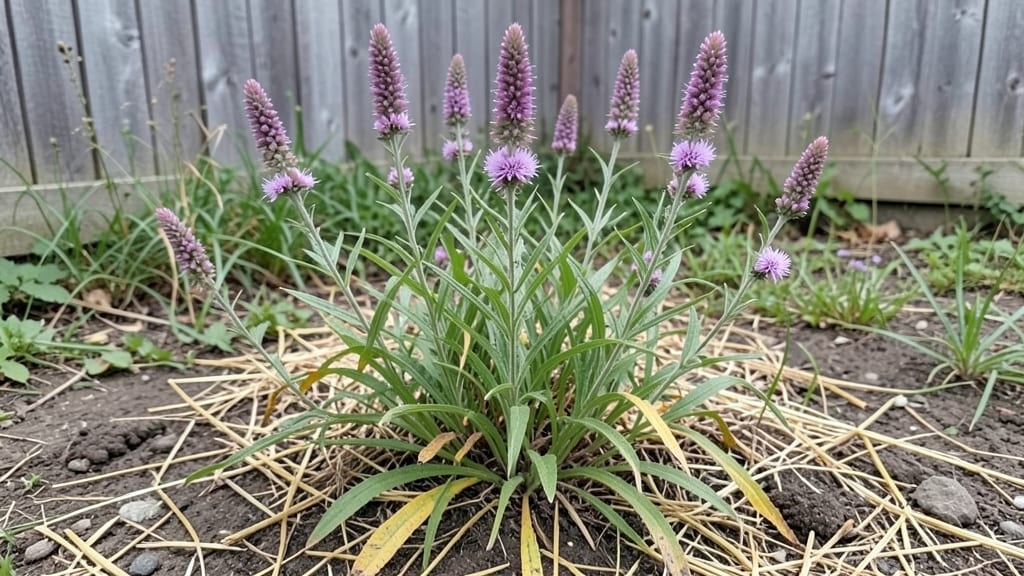
That spiky purple flower weed with needle-like stems and hummingbird-friendly blooms might look pretty, but it’s a garden takeover waiting to happen—especially in cooler climates where it thrives while your prized plants struggle. 🌿 I’ve wrestled with it in my own yard, and the key to stopping it isn’t brute force but smart timing and targeted removal.
Pulling it by hand works when the soil’s soft, but deeper roots demand a little elbow grease (or vinegar spray for stubborn patches).
The worst part? It spreads faster than you’d think, choking out perennials and stealing sunlight. My first attempt at yanking it left behind fragments that sprouted new plants—so now I dig deeper, about 3-4 inches down, to break those roots completely.
For large areas, a hula hoe glides through the soil like a dream, slicing roots before they spread. The secret? Don’t let it go to seed, or you’ll be battling it for years.
By late summer, your garden will feel lighter, airier, and finally free of those purple spikes crowding out your flowers. Hummingbirds might miss their favorite snack, but your roses and peonies will thank you—plus, you’ll reclaim that space for plants you actually planted.
Here’s how to make it disappear for good, without harming your soil or your sanity.
Works in shade or sun, for lawns or borders—just adjust your timing. Early spring or fall are the best windows to strike while the weed’s energy is low. Let’s get started before it takes over again.
📚 In This Guide
- What you need
- Instructions
- Tips and common mistakes
- Wrapping up and next steps
What you need
- ● Spiky purple flower weed plants: 3–5 mature plants (or seeds if starting from scratch). Look for Lobelia siphilitica (Great Lobelia) or Echinacea purpurea (Purple Coneflower) for that signature spiky purple charm! 🌸
- ● Well-draining soil: 1–2 bags of garden loam or peat-based potting mix (50 lbs total). Amend with compost (10–15 lbs) for nutrients.
- ○ Organic fertilizer: 1 lb of balanced 10-10-10 or fish emulsion (optional but recommended for chilly climates).
- ● Garden trowel or transplant spade (for digging holes).
- ● Pruning shears (for trimming dead blooms or shaping plants).
- ● Watering can or hose with a gentle spray nozzle (avoid over-saturating roots!).
- ● Garden gloves (to protect hands from thorns or prickly stems).
- ○ Mulch (optional): 2–3 bags of pine straw or shredded bark (to retain moisture and deter weeds).
- ● Sunlight: A spot with full sun (6+ hours/day) or partial shade (4–6 hours)—these weeds thrive in USDA Zones 3–9!
- ● Water source: Access to water for deep watering 1–2 times per week (adjust for rain).
- ● Patience: Seeds may take 6–12 weeks to sprout, while transplants bloom in 4–8 weeks.
How to grow and maintain spiky purple flowering plants for hummingbirds
This chilly-climate favorite thrives where others struggle—here's how to create a hummingbird magnet.
🌱 Step 1: Identify and Select Your Spiky Purple Plant
The most common spiky purple flowering weed that hummingbirds adore is Joe Pye weed (Eutrochium purpureum), though purple coneflower (Echinacea purpurea) and bee balm (Monarda didyma) also fit the bill. These hardy perennials handle frost, drought, and poor soil better than many ornamentals. I always choose native varieties—they support local pollinators best and require less maintenance.
Look for plants with deep purple flower spikes (4-6 feet tall) and ruffled leaves. Nursery tags often say "hummingbird favorite" or "late-season bloom." If starting from seed, expect 2-3 years for full flowering—transplants bloom the first season. Avoid hybrids labeled "double bloom" or "florist varieties," as they often produce sterile flowers that hummingbirds ignore.
☀️ Step 2: Plant in the Right Spot for Chilly Climates
These plants thrive in full sun to partial shade (6+ hours of light daily), but in hot climates, afternoon shade prevents wilting. In cold regions, they handle full sun beautifully. I plant mine in moist but well-drained soil—they hate soggy roots but tolerate dry spells once established. Amend heavy clay with 1-2 inches of compost before planting to improve drainage.
Space plants 2-3 feet apart in rows or clusters. They spread slowly via rhizomes, so give them room to mature without crowding. If your soil is sandy, add a 2-inch layer of organic mulch (like shredded leaves) to retain moisture. The key is consistency—these plants perform best when left undisturbed for years.
💧 Step 3: Water and Feed for Strong Growth
Water deeply once a week during the first growing season to encourage deep root growth. Once established, they're drought-tolerant but bloom best with regular moisture. You'll know they're thirsty when the leaves droop slightly in the afternoon—water then, and they'll perk up within hours. Avoid overhead watering after dark to prevent fungal diseases like powdery mildew.
Fertilize in early spring with a balanced 10-10-10 fertilizer (1 tablespoon per plant). I skip summer feeding—too much nitrogen reduces flowering. Instead, side-dress with compost in fall to build soil fertility naturally. These plants are heavy feeders but respond best to organic matter over synthetic fertilizers.
✂️ Step 4: Prune and Maintain for Next Year’s Blooms
Cut back dead flower stalks in late fall or early spring to encourage new growth. Never remove more than ⅓ of the plant at once—these perennials store energy in their roots. I leave some seed heads over winter for birds, but remove them in spring if they look diseased. Divide clumps every 3-4 years in early spring to rejuvenate plants and share with neighbors.
Watch for Japanese beetles or aphids—they love these flowers too. A strong spray of water usually knocks them off, or use neem oil if infestations persist. Deadhead spent blooms in late summer to extend the flowering season. The goal is to keep the plant healthy and vigorous—hummingbirds will find it on their own once it’s established.
🐦 Step 5: Attract Hummingbirds with Strategic Planting
Plant in clusters of 3-5 for maximum visibility and nectar production. Pair with other native pollinator plants like bee balm or butterfly weed to create a full-season food source. Hummingbirds return to reliable nectar sources, so if they visit once, they’ll keep coming back. Place feeders nearby, but remove them in late summer—hummingbirds prefer real flowers by then.
Time your planting so blooms appear late summer to fall, when hummingbirds are migrating. A single Joe Pye weed stalk can produce thousands of flowers, providing nectar for weeks. If your garden gets frosty early, choose purple coneflower—it blooms earlier and handles light frost better than Joe Pye weed.
Tips & tricks for perfect spiky purple flowering plants
A few simple strategies that'll help your hummingbird haven thrive for years to come.
Native Varieties Matter: Stick to native species like Joe Pye weed, purple coneflower, or bee balm—they've evolved alongside local pollinators and handle your climate's challenges best. Non-native hybrids often produce sterile flowers that hummingbirds ignore. I've seen firsthand how these natives attract birds within weeks of planting, while imported varieties sit empty.
Soil Prep Secret: Before planting, mix 1-2 inches of compost into heavy clay soils to improve drainage—these plants hate soggy roots. For sandy soils, add a 2-inch layer of organic mulch (like shredded leaves) to retain moisture. The key is creating that perfect "moist but well-drained" balance mentioned in Step 2, which prevents both root rot and drought stress.
Watering Wisdom: That "deeply once a week" rule in Step 3 is crucial for establishing strong roots. Water in the morning so leaves dry quickly, preventing fungal diseases. I've learned the hard way—watering after dark led to powdery mildew on my first batch of plants. And watch for those slightly drooping leaves in the afternoon—they're your plant's way of asking for a drink!
Pest Prevention: Japanese beetles and aphids love these flowers too! I've found that a strong spray of water from the hose usually knocks them off. For persistent infestations, neem oil works wonders without harming beneficial insects. The goal is to keep your plants vigorous so they can fend off pests naturally—hummingbirds will notice the healthy, pest-free blooms.
Pro Tips for Spiky Purple Flower Weed
- A few simple strategies that'll help your hummingbird haven thrive for years to come.
- Native Varieties Matter: Stick to native species like Joe Pye weed, purple coneflower, or bee balm—they've evolved alongside local pollinators and handle your climate's challenges best.
- Soil Prep Secret: Before planting, mix 1-2 inches of compost into heavy clay soils to improve drainage—these plants hate soggy roots.
Frequently asked questions
Got questions about managing or enjoying your spiky purple flower weed? You’re not alone—this vibrant plant can be tricky! Here are some of the most common queries, answered for you:
What’s the best way to remove spiky purple flower weed without harming nearby plants?
Use a weed puller or dig carefully with a trowel to avoid disturbing roots. For stubborn patches, apply vinegar-based herbicide (5% acetic acid) on a sunny day—just avoid spraying desirable plants. Always wear gloves to protect your hands from those sharp spikes!
Can spiky purple flower weed survive a late frost? How do I protect it?
This hardy plant loves chilly climates (USDA Zones 3–8) and often rebounds after frost. For extra protection, cover young plants with frost cloth or mulch heavily around the base. Avoid watering before a freeze—wet foliage can increase cold damage.
Why aren’t hummingbirds visiting my spiky purple flower weed?
Hummingbirds adore this plant, but timing matters! Ensure flowers are in full bloom (late spring/early summer) and provide a shallow water source nearby. If blooms are sparse, fertilize lightly with low-phosphorus feed (like 10-10-10) to encourage more flowers. Patience pays off—hummers will find you!
Is spiky purple flower weed invasive? Should I remove it entirely?
While it spreads easily, it’s not highly invasive like kudzu. If containment is a concern, prune aggressively after flowering to limit seed spread. In naturalized gardens, many growers embrace its wild charm—just monitor its growth in smaller spaces.
How do I revive a leggy or sparse spiky purple flower weed?
Leggy growth often means it needs more sun (6+ hours daily). Prune back overgrown stems by 1/3 to encourage bushier regrowth. Boost soil with compost and avoid overwatering—this weed thrives in dry-to-medium conditions. A light fertilizer in spring can also help!
Still stumped? Drop your question in the comments—we’re happy to help your hummingbird haven flourish!
Wrapping up and next steps
Transforming your garden into a hummingbird haven with spiky purple flower weeds (like Lobelia or Penstemon) is easier—and more rewarding—than you think! These hardy beauties not only thrive in cooler climates but also attract pollinators while adding vibrant color to your space.
Whether you’re a beginner or a seasoned gardener, their low-maintenance charm makes them a must-have for any outdoor oasis.
Ready to take the next step? Start small—plant a few in pots or along borders—and watch your garden buzz with life! 🌸 For extra inspiration, explore companion plants like salvias or bee balm to create an even more dynamic ecosystem. Happy gardening!