
Flowers
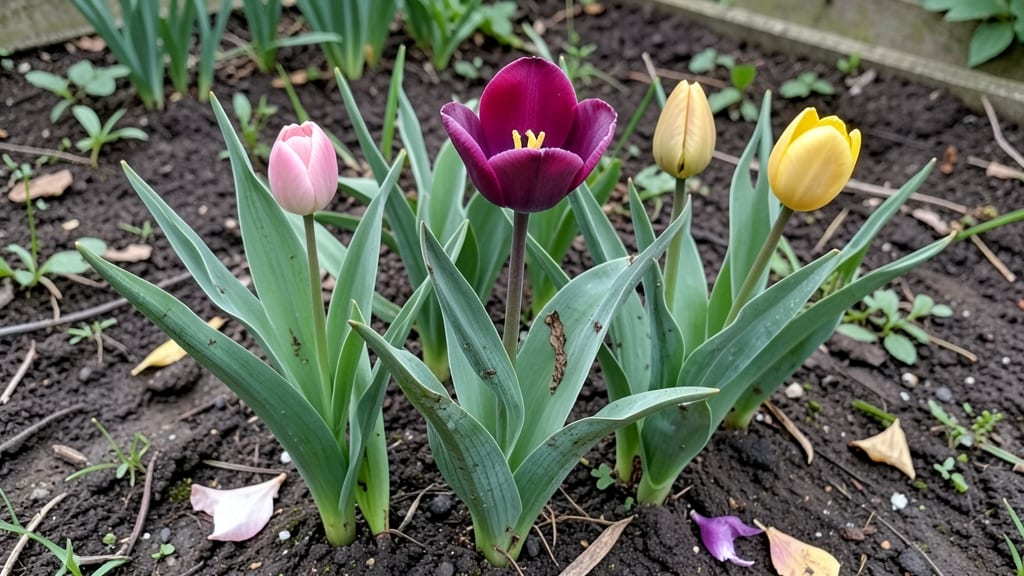
Spring and flower arrangements that stay vibrant all season without constant deadheading? That’s the dream—and it’s easier than you think. 🌸 I’ve spent years perfecting arrangements that bloom continuously, cutting back on the chores while keeping your garden looking like a postcard every week.
The trick lies in choosing the right mix of bulbs, perennials, and annuals that overlap their blooming cycles.
Start with early bloomers like tulips and daffodils for that first splash of color, then layer in mid-season performers like peonies and coneflowers. Add a few annuals like sweet alyssum or petunias to fill gaps, and you’ll have a nonstop parade of blooms.
The best part? These plants thrive with minimal fuss—just good soil, sunlight, and occasional watering. No more spending weekends snipping dead flowers.
By summer, your garden will be a riot of color, with each new bloom emerging just as the last one fades. The foliage stays lush, the scent is intoxicating, and the bees can’t get enough.
You’ll end up with a garden that looks effortlessly polished, even when you’re not out there pruning every other day.
Works for borders, containers, or even window boxes—just adjust the plant mix to your space and sunlight. Here’s how to pull it off without the usual springtime headaches.
📚 In This Guide
- What you need
- Instructions
- Tips and common mistakes
- Wrapping up and next steps
What you need
- ● Fresh-cut flowers: Choose a mix of seasonal blooms like tulips, daffodils, ranunculus, peonies, or snapdragons (3-5 stems per type, depending on arrangement size). Opt for long-stemmed varieties for durability.
- ● Greenery: Eucalyptus, ferns, or ivy (2-3 sprigs) to add texture and fill gaps.
- ● Floral preservative: A packet of flower food (1 per vase) to extend vase life.
- ● Vases/containers: Glass, ceramic, or mason jars (1-2, depending on arrangement size). Choose vessels with narrow necks to reduce water evaporation.
- ● Sharp floral shears (1 pair) – Clean blades prevent crushing stems!
- ○ Rubber bands or floral tape (optional, for securing stems in bundles).
- ○ Decorative elements: Twine, lace, or pebbles (optional, for a rustic or elegant touch).
- ○ Waterproof marker (optional, to label stems for easy trimming later).
- ● Pre-cut stems: Trim at a 45-degree angle under water to maximize absorption.
- ● Color coordination: Stick to 3-5 colors max for a cohesive, spring-inspired look.
- ● Location matters: Place arrangements in bright, indirect light to preserve petals.
How to create spring flower arrangements that thrive all season
Here's how to design arrangements that stay vibrant without constant deadheading—just follow these simple steps.
🌿 Step 1: Select Long-Lasting Spring Blooms
Choose flowers with naturally long vase lives like peonies, hydrangeas, or snapdragons—they hold up for weeks without wilting. I always pick varieties with sturdy stems (at least 12 inches long) and avoid delicate blooms that droop quickly. Look for buds just beginning to open; they’ll unfurl gradually, extending your enjoyment.
For color harmony, I stick to 3-5 complementary hues (like soft pinks with lavender and white). This creates visual balance without overwhelming the eye. Skip overcrowding—the stems should fit comfortably in your container without bending or competing for water.
✂️ Step 2: Trim Stems Properly for Maximum Water Uptake
Cut stems at a 45-degree angle using sharp floral shears—this increases water absorption and prevents air bubbles from blocking the stem. I always make the cut 1-2 inches above a leaf node to encourage new growth if the flowers stay in water. Avoid crushing stems; a clean slice ensures they draw moisture efficiently.
For extra longevity, I strip lower leaves that would sit underwater (they rot and cloud the water). Leave the top 4-6 inches of foliage intact to support the blooms. If stems feel woody or dry, soak them in lukewarm water for 30 minutes before arranging—they’ll perk up instantly.
🪴 Step 3: Arrange Stems in Odd Numbers for Natural Balance
Place 3-5 stems in your container first, spacing them evenly around the edges. This creates a full, organic look right away. I like to tuck the tallest stems toward the back and shorter ones toward the front, then weave them in a loose spiral. Avoid packing stems too tightly—they’ll compete for water and wilt faster.
Fill gaps with filler flowers like baby’s breath or dusty miller for texture. These lightweight blooms add volume without weight, keeping the arrangement light and airy. Once the stems are in place, adjust them so the heaviest blooms sit at the base for stability.
💧 Step 4: Use Fresh Water and Flower Food for Long-Lasting Freshness
Fill the container with room-temperature water (cold water can shock stems). Add 1 teaspoon of floral preservative (or a mix of 1 tablespoon sugar + 1 tablespoon bleach for DIY food). This prevents bacterial growth and keeps stems hydrated. Change the water every 2-3 days—even with preservatives, stagnant water speeds up wilting.
Place arrangements in bright, indirect light (direct sun overheats water and causes wilting). A cool spot like a bathroom or kitchen counter extends their life even longer. If leaves turn yellow or water gets cloudy, it’s time to recut stems and refresh the water immediately.
☀️ Step 5: Maintain Without Deadheading for Season-Long Beauty
Here’s the secret: skip deadheading entirely. Instead, let spent blooms dry naturally on the stems—they add rustic charm and protect new buds from drying out. When flowers fade, simply trim the entire stem back to the base. This encourages fresh growth and keeps the arrangement looking intentional, not neglected.
Every 7-10 days, give stems a quick recut (even if they’re still in water) to prevent blockages. Mist the blooms lightly with water on dry days—they’ll stay perky longer. With this low-maintenance approach, your spring arrangements can last 3-4 weeks without wilting or losing color.
Tips & tricks for perfect spring and flower arrangements
These simple secrets will help your floral displays stay vibrant for weeks without the fuss of deadheading.
Stem Prep Secret: After trimming stems at a 45-degree angle in Step 2, immediately place them in a bucket of lukewarm water for the full 30 minutes—this rehydrates woody stems and prevents air bubbles that block water uptake. I like to add a splash of lemon juice to the water during this soak; it acts as a natural preservative and keeps stems fresh longer.
Color Harmony Tip: When selecting your 3-5 complementary hues in Step 1, think about the "60-30-10 rule" from interior design. Use 60% of your dominant color (like soft pink), 30% of a secondary hue (lavender), and 10% of an accent color (white). This creates visual balance that feels intentional and professional.
Container Selection: Don't overlook your vessel! Glass containers allow you to see water levels and cleanliness, while ceramic or metal vessels add texture and can help insulate stems from temperature fluctuations. For extra stability, place heavy containers on a saucer or tray—this prevents tipping when you're adjusting stems in Step 3.
Lighting Strategy: Bright, indirect light is key, but don't place arrangements near heat sources like vents or radiators. I've found that north-facing windows provide ideal light without the risk of overheating. If your space has limited natural light, supplement with a grow light on a timer for 6-8 hours daily—this mimics natural conditions and extends bloom life.
Pro Tips for Spring And Flower
- These simple secrets will help your floral displays stay vibrant for weeks without the fuss of deadheading.
- I like to add a splash of lemon juice to the water during this soak; it acts as a natural preservative and keeps stems fresh longer.
- Color Harmony Tip: When selecting your 3-5 complementary hues in Step 1, think about the "60-30-10 rule" from interior design.
Frequently asked questions
Got questions about keeping your spring flowers vibrant with minimal fuss? Here are some of the most common concerns—and their easy solutions!
Why do my spring flowers wilt so quickly, even with proper care?
Spring flowers often wilt faster due to transpiration stress—rapid water loss when temperatures fluctuate. To combat this, trim stems at an angle before arranging, use pebble-filled vases to keep stems hydrated, and avoid placing bouquets in direct sunlight or near heat sources like radiators. Pro tip: Add a splash of bleach (1 tsp per quart of water) to prevent bacterial growth.
How long will spring flowers last in an arrangement without deadheading?
With the right techniques, many spring blooms (like tulips, daffodils, or ranunculus) can last 10–14 days without deadheading—thanks to their natural longevity and tight buds. Focus on removing only fully wilted blooms and keeping foliage intact. For maximum life, change the water every 2–3 days and recut stems every 48 hours to encourage uptake.
Can I mix spring flowers with summer blooms for a longer-lasting arrangement?
Pairing spring flowers (e.g., peony, hyacinth, or sweet pea) with early summer varieties (like zinnia or cosmos) extends your bouquet’s life by 2–3 weeks. Choose flowers with similar water needs—delicate spring blooms thrive in cooler water (60–65°F), while summer flowers tolerate slightly warmer temps. Just avoid mixing cut flowers with garden plants (like herbs or succulents), as they have different hydration needs.
What’s the best water treatment to keep spring flowers fresh?
Start with room-temperature water to avoid shocking stems. For extra longevity, use a commercial flower food packet (or DIY mix: 1 tsp sugar + 1 tsp bleach per quart of water). Sugar feeds the blooms, while bleach prevents bacteria. Change the water daily and trim stems under water to remove air bubbles blocking uptake.
How do I save spring flowers if I forget to water them overnight?
Don’t panic! If stems are still firm, recut them at a 45-degree angle and place them in fresh, cool water for 2–3 hours to rehydrate. Add a revival solution (1 tsp sugar + 1 tsp lemon juice per quart) to help them perk up. If leaves are crispy, trim them back—only keep healthy foliage to reduce stress on the blooms.
| Quick Fix | When to Use |
|---|---|
| Bleach + Sugar Water | Every 2–3 days for bacterial prevention |
| Recut Stems Under Water | Daily or when wilting starts |
| Cool, Dark Spot | Overnight if flowers look droopy |
Wrapping up and next steps
Spring is the perfect time to bring vibrant life into your space with low-maintenance flower arrangements that bloom effortlessly. By choosing seasonal flowers, using the right materials, and following a few simple tips, you can enjoy weeks of color without the hassle of deadheading.
Let your creativity flourish—whether you’re a gardening pro or a beginner!
Ready to dive in? Start small:
- Pick one arrangement to try this weekend.
- Grab your supplies and follow the steps—you’ve got this!