
Flowers
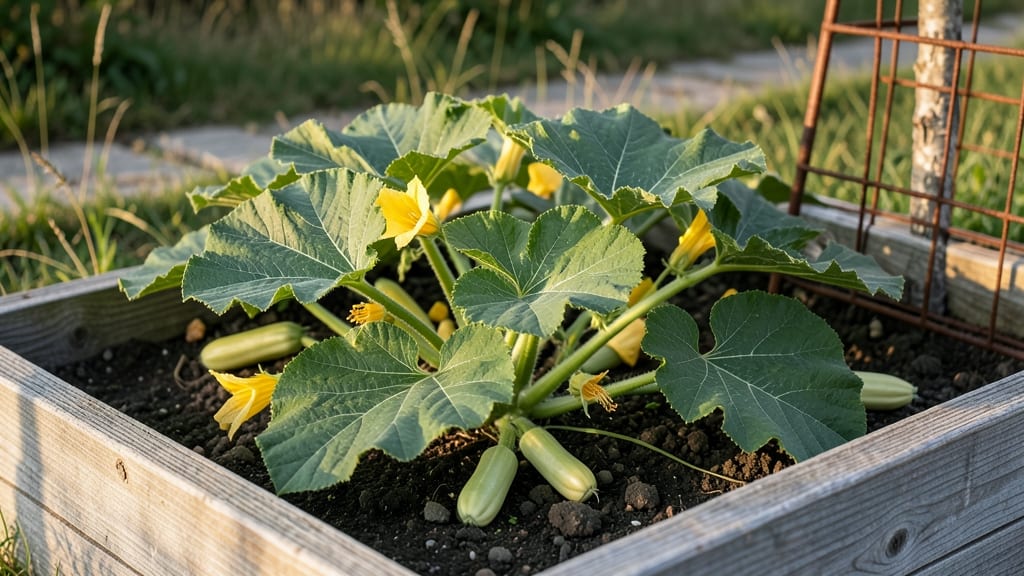
Those squash leaves and flowers you thought were just decorative might be your next gourmet harvest. 🌿 I used to toss them without a second thought—until I learned how to turn them into pestos, soups, and even fritters.
The secret lies in proper care, because stressed plants produce bitter greens and sparse blooms.
Powdery mildew and squash bugs are the biggest culprits behind yellowing leaves and stunted growth. I’ve battled both in my garden, and the key is acting fast—spraying neem oil at the first sign of white powder or tiny black eggs.
Healthy plants resist pests better, and that means more tender leaves and flowers for your kitchen.
By summer’s end, you’ll have a bounty of vibrant squash blossoms and nutrient-packed leaves ready to transform your meals. The flowers add a delicate flavor to dishes, while the leaves pack more vitamins than store-bought greens.
Just imagine fresh squash blossom fritters or a pesto so bright it tastes like summer.
This works for zucchini, summer squash, and pumpkins alike—no fancy equipment needed, just a watchful eye and a spray bottle. Let’s get those plants thriving so you can enjoy the harvest from stem to stem.
📚 In This Guide
- What you need
- Instructions
- Tips and common mistakes
- Wrapping up and next steps
What you need
- ● Fresh squash leaves and flowers: 1–2 cups of young, tender leaves (avoid mature, fibrous ones)
- ● 6–10 edible flowers (e.g., zucchini, pumpkin, or butternut blossoms)
- ● Basic kitchen tools: Sharp chef’s knife or kitchen shears
- ● Cutting board (preferably wooden or plastic)
- ● Mixing bowls (2–3, varying sizes)
- ● Colander (for rinsing)
- ● For sautéing/stir-frying: Large skillet or frying pan (10–12 inches)
- ● Wooden spoon or heat-resistant spatula
- ● For baking/roasting: Baking sheet (rimmed, for even heat distribution)
- ● Parchment paper or silicone mat
- ● For soups/stews: Stockpot (3–4 quarts) or deep saucepan
- ● Whisk or wooden spoon (for blending)
- ● Food processor or blender (for pesto or smooth soups)
- ● Mortar and pestle (for homemade herb blends)
- ● Citrus juicer (to brighten flavors with lemon/lime)
- ● Dried herbs (thyme, basil, or oregano to complement flavors)
- ● Olive oil, garlic, and salt (basic pantry staples for seasoning)
How to harvest and use squash leaves and flowers
Here's how I turn every part of the squash plant into delicious, nutrient-packed meals.
🌿 Step 1: Identify and Harvest Young Leaves
Pick leaves when they're still tender and small—about 3-4 inches long—before they develop tough stems. I always choose the youngest, most vibrant leaves from the top of the plant, leaving the older ones to keep producing. Use clean, sharp scissors or pruning shears to snip just above a leaf node, which encourages new growth.
Harvest in the morning after the dew has dried but before the sun gets too intense. You'll know they're ready when the leaves feel soft and slightly waxy to the touch. Avoid harvesting more than one-third of the plant at once—this keeps your squash producing both fruit and leaves.
☀️ Step 2: Pick Flowers for Cooking or Pollination
Harvest squash blossoms early in the morning when they're fully open but still fresh. I look for flowers with vibrant yellow petals and a sturdy stem—these are the best for eating. Gently twist the flower off the vine at the base, being careful not to damage the stem. If you're saving some for pollination, leave a few flowers on each vine to ensure fruit production.
For the best flavor, use flowers within 24 hours of picking. Store them in a paper towel-lined container in the fridge to keep them crisp. You'll see the most flowers when your squash plant is thriving in full sun and warm temperatures (70-85°F)—that's when the harvest really peaks.
🍽️ Step 3: Prepare Leaves and Flowers for Cooking
Wash squash leaves and flowers thoroughly under cool water to remove any dirt or pesticide residue. For leaves, remove the tough stems and chop the tender parts into bite-sized pieces. Flowers can be used whole or separated into petals—just trim the base where the stem was attached. Both leaves and flowers can be sautéed, stuffed, or even blended into soups.
I like to blanch leaves for 1-2 minutes in boiling water to soften them before adding to dishes. For flowers, a quick rinse in cold water after cooking helps preserve their delicate flavor. Remember, both leaves and flowers have a mild, slightly sweet taste that pairs beautifully with garlic, cheese, or fresh herbs.
⏰ Step 4: Store or Use Immediately
If you won't use the harvest right away, store leaves and flowers in airtight containers lined with paper towels to absorb excess moisture. They'll keep in the fridge for 3-5 days, but I find they taste best when used fresh. For longer storage, you can blanch and freeze leaves for up to 6 months, though they'll lose some texture.
Flowers are best used the same day, but you can store them in the fridge for 1-2 days if needed. I often make a quick frittata with fresh flowers and leaves—it's a great way to use up your harvest before it wilts. The key is to harvest regularly so your squash plant keeps producing both fruit and edible greens all season long.
Tips & tricks for perfect squash leaf and flower harvests
Real talk: These little tricks will make all the difference when you're turning your garden bounty into delicious meals.
Timing Secret: In Step 1, when harvesting those tender leaves, I've learned the hard way that morning is key. The dew has dried but the sun hasn't had time to toughen them up. If you must harvest later, choose the shadiest part of your garden where leaves stay tender longer. And trust me on this—those 3-4 inches are critical. Any bigger, and you're dealing with tough stems that ruin the texture.
Harvest Strategy: Don't make my mistake: harvesting more than one-third of the plant at once will shock your squash into stopping production. Think of it like pruning—you want to encourage growth, not stress the plant. Leave the older leaves behind; they'll keep photosynthesizing while the new growth comes in. This keeps your harvest coming all season long.
Flower Freshness: The 24-hour window for using harvested flowers isn't just a suggestion—it's crucial. After that, they start to wilt and lose their delicate flavor. I store mine in a paper towel-lined container in the fridge, which keeps them crisp for that full day. Pro tip: If you're not using them immediately, separate the petals from the stems before storing—they'll stay fresher longer.
Blanching Technique: That 1-2 minute blanch for the leaves in Step 3 is where the magic happens. It softens them just enough without cooking them through. Here's what nobody tells you—set a timer! The second those leaves float to the surface, they're done. Over-blanching turns them mushy, and we're going for tender, not soggy. After blanching, shock them in ice water to stop the cooking process immediately.
Pro Tips for Squash Leaves And Flowers
- Real talk: These little tricks will make all the difference when you're turning your garden bounty into delicious meals.
- Timing Secret: In Step 1, when harvesting those tender leaves, I've learned the hard way that morning is key.
- Harvest Strategy: Don't make my mistake: harvesting more than one-third of the plant at once will shock your squash into stopping production.
Frequently asked questions
Got questions about harvesting and using squash leaves and flowers?
You’re not alone! Here are answers to the most common queries—from timing to troubleshooting—to help you make the most of your edible garden bounty.
When is the best time to harvest squash leaves and flowers?
Harvest young, tender leaves (3–5 inches long) and flowers when fully bloomed but still closed. Morning is ideal—leaves wilt faster in heat. Avoid over-picking; leave enough foliage to support fruit production. Pro tip: Use a clean, sharp knife or scissors to avoid damaging the plant.
Can I eat squash flowers raw, or do they need cooking?
Both! Raw flowers add a mild, slightly sweet crunch to salads (like zucchini blossoms), while cooked versions (sautéed, stuffed, or fried) deepen their flavor. Leaves are best lightly cooked—blanched, sautéed, or wilted—to remove bitterness. Try this: Toss flowers in olive oil, salt, and pepper for a quick pan-fry.
What should I do if my squash leaves turn yellow or wilt?
Yellowing leaves often signal over-harvesting, pests (like squash bugs), or disease (powdery mildew). Fix it: Reduce leaf harvesting, prune affected areas, and treat with neem oil or insecticidal soap. Ensure proper spacing (1–2 feet apart) for airflow. Warning: Discard severely diseased leaves to protect your crop.
Are there any squash varieties I should avoid for leaves/flowers?
Most summer squash (zucchini, yellow crookneck) and winter squash (like pumpkin) varieties are edible, but bitter melons (e.g., bitter gourd) or heavily treated commercial varieties may not be safe. Stick to heirloom or organic seeds for the best flavor and safety. Fun fact: Some heirlooms (like ‘Black Beauty’ zucchini) have especially tender leaves!
What can I substitute if I don’t have squash leaves/flowers?
Need a swap? Use spinach, chard, or okra leaves for a similar texture in cooking. For flowers, try chive blossoms or nasturtiums (edible and peppery!). In recipes calling for squash leaves (like parmesan squash leaves), kale or collard greens work in a pinch. Bonus: Sunflower greens are a nutrient-rich alternative too!
Wrapping up and next steps
From vibrant garden beds to your dinner plate, squash leaves and flowers are a delicious and nutritious treasure waiting to be explored! 🌱 Whether you're foraging, growing your own, or simply curious about culinary versatility, these edible gems add a unique twist to meals while minimizing food waste.
Start small—try a simple sautéed dish or a floral garnish—and let your creativity bloom!
Next step: Pick one recipe from this guide and give it a try this week! Share your experience or favorite squash-based dish in the comments—we’d love to see what you create. Happy harvesting! 🍽️✨