
Pests
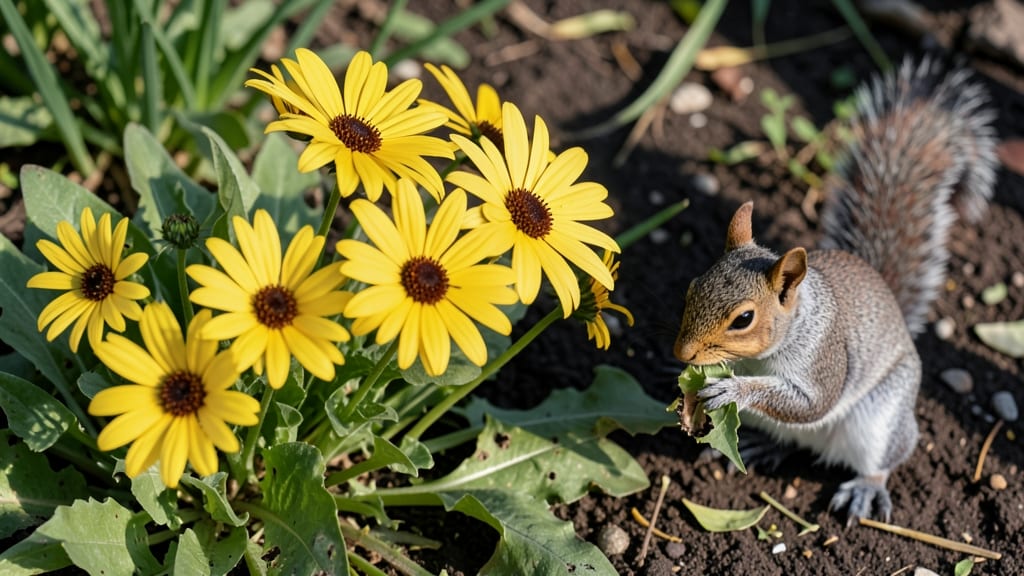
Squirrel-proof flowers aren’t just a dream—they’re the tough-skinned blooms that finally beat back those relentless chewers. 🌿 I’ve lost count of how many tulips and daffodils those bushy-tailed bandits destroyed before I discovered which flowers they simply can’t crack.
The secret lies in thick petals, strong stems, and foliage that squirrels find unappealing.
Think peony with its leathery leaves, black-eyed Susan that squirrels ignore, or lilac with its woody stems. These plants thrive even when squirrels raid the garden, and they come back year after year without needing extra protection. The right choices mean fewer battles and more blooms.
You’ll end up with a garden that stays vibrant even when squirrels are most active. The flowers hold their shape, resist nibbling, and still put on a stunning show. Plus, you’ll save hours of frustration trying to outsmart them with deterrents that never quite work.
Whether you’re dealing with a single persistent squirrel or a whole colony, these strategies work. The key is combining the right plants with a few simple preventative measures—no traps or harsh chemicals needed. Here’s how to make it happen.
📚 In This Guide
- What you need
- Instructions
- Tips and common mistakes
- Wrapping up and next steps
What you need
- ● Squirrel-resistant flower varieties (5–10 plants, depending on garden size): Lavender (Lavandula spp.) – 3–5 plants
- ● Salvia (Salvia nemorosa) – 3–5 plants
- ● Russian Sage (Perovskia atriplicifolia) – 2–3 plants
- ● Coneflowers (Echinacea purpurea) – 4–6 plants
- ● Black-Eyed Susan (Rudbeckia hirta) – 4–6 plants
- ● Yarrow (Achillea millefolium) – 3–5 plants
- ● Garden gloves – 1 pair (for handling prickly stems)
- ● Trowel or hand shovel – 1 (for planting)
- ● Well-draining potting mix – 1–2 bags (or compost-enriched soil)
- ● Organic mulch (straw or wood chips) – 1–2 bags (to deter digging)
- ● Watering can or hose with spray nozzle – 1 (for gentle hydration)
- ● Physical barriers: Chicken wire mesh (cut to size) – 1 roll
- ● Plastic tree guards (for young plants) – 5–10 units
- ● Deterrents: Hot pepper spray (homemade or store-bought) – 1 bottle
- ● Motion-activated sprinkler – 1 (for persistent pests)
- ● Pruning shears – 1 (for shaping and maintenance)
- ● Slow-release fertilizer – 1 bag (to boost plant resilience)
How to select and plant squirrel-proof flowers
Here's how I choose and establish flowers that squirrels can't chew or dig up.
🌱 Step 1: Choose Tough-Skinned, Unpalatable Varieties
Focus on flowers with thick petals, fuzzy textures, or bitter compounds that squirrels avoid. My top picks include lamb's ear (silver-fuzzy leaves), lavender (woody stems), black-eyed Susan (thick petals), and coneflowers (tough, papery blooms). I also plant alliums—their spherical purple blooms are unappealing to chewers.
Skip anything with delicate petals or sweet nectar. Squirrels will ignore snapdragons (tough stems) and Russian sage (woody, aromatic foliage). Check local nurseries for varieties labeled "deer-resistant"—these often deter squirrels too. I avoid anything with thin stems or soft leaves, even if the flowers are pretty.
🪴 Step 2: Plant in Raised Beds or Heavy Containers
Squirrels dig, so I plant squirrel-proof flowers in raised beds or heavy ceramic pots buried halfway into the ground. A 12-inch-tall raised bed with 1-inch mesh hardware cloth buried around the edges prevents digging while allowing roots to spread. For containers, I use 15-gallon pots filled with well-draining soil mix—squirrels can't tip them over.
Place beds and pots near fences or walls where squirrels can't approach from multiple sides. I also add 3-inch-tall decorative rocks around the perimeter—squirrels dislike climbing over rough surfaces. If planting in ground level, bury chicken wire in a 6-inch-deep trench around the bed to block digging.
☀️ Step 3: Use Strategic Light and Companion Planting
Squirrels avoid open, sunny areas, so I place my toughest flowers in full sun spots where they can't easily access them. Pair them with thorny companions like roses or barberries—squirrels won’t risk getting tangled in spines. I also interplant dahlias (tough stems) and bee balm (strong scent) to mask the smell of more vulnerable flowers.
Add mulch (like pine straw) around the base of plants—it deters digging and retains moisture. Avoid thick layers of organic mulch, though; squirrels may burrow through it. Instead, use 3-4 inches of inorganic mulch (like gravel) to create a physical barrier without inviting pests.
✂️ Step 4: Deadhead and Prune Regularly
Squirrels target spent blooms, so I deadhead flowers weekly to keep plants looking fresh and unappealing. Use clean pruners to snip just above a leaf node—this encourages new growth and makes the plant denser, which squirrels avoid. For coneflowers and black-eyed Susans, I leave some seed heads to deter squirrels from digging near the base.
Prune leggy stems in late winter to promote bushier growth. Squirrels are less likely to chew on dense, compact plants. I also rotate plant locations every 2-3 years—squirrels remember where they found food last season and may return to dig.
💧 Step 5: Apply Natural Deterrents Seasonally
In early spring, I sprinkle hot pepper flakes or garlic powder around the base of plants—squirrels hate the smell. Reapply after rain. For container gardens, I mix 1 tablespoon of cayenne pepper into the soil at planting time. I also place motion-activated sprinklers (set to 1-2 second bursts) near beds—squirrels learn to avoid the area quickly.
In fall, I add reflective tape or old CDs to garden stakes—the flashing light scares them off. I avoid chemical repellents, as they can harm beneficial insects. Instead, I rely on physical barriers and strong scents (like citrus peels or coffee grounds) to keep squirrels away without harming the ecosystem.
Tips & tricks for perfect squirrel-proof flower gardens
These insider tricks will help you create a garden that squirrels simply can't resist digging into—or worse, destroying.
Selection Tip: When choosing varieties in Step 1, look for plants with silver-fuzzy foliage like lamb's ear—the texture alone deters squirrels. I've found that coneflowers with their papery petals and alliums with their spherical blooms are particularly effective. Pro tip: Avoid anything labeled "delicate" or "tender"—those are squirrel magnets! The key is selecting plants that look unappetizing to them, even if they're beautiful to us.
Planting Strategy: For Step 2, consider using 18-inch-tall raised beds instead of 12-inch—this gives you extra height to deter climbing squirrels. I've had success with cedar planters (naturally rot-resistant) placed on brick bases for added stability. The 1-inch hardware cloth barrier works best when buried 8 inches deep rather than 6, as squirrels can dig deeper than you might think when motivated.
Companion Planting Hack: In Step 3, add foxglove to your thorny companions—its tall spikes make it nearly impossible for squirrels to reach the flowers above. I also interplant rue (a fragrant herb) around vulnerable plants; its strong scent confuses squirrels' sense of smell. The 3-4 inches of inorganic mulch works best when applied in a 2-inch band around the plant base, creating a physical barrier they won't attempt to dig through.
Maintenance Secret: For Step 4, I've found that using electric pruners makes weekly deadheading much easier and less time-consuming. When rotating plant locations every 2-3 years (as mentioned in Step 4), mark new locations with brightly colored stakes—squirrels are less likely to investigate unfamiliar areas. The late winter pruning is particularly effective when done after the first hard frost, as it stimulates fresh growth that squirrels find less appealing.
Pro Tips for Squirrel Proof Flowers
- These insider tricks will help you create a garden that squirrels simply can't resist digging into—or worse, destroying.
- Selection Tip: When choosing varieties in Step 1, look for plants with silver-fuzzy foliage like lamb's ear—the texture alone deters squirrels.
- Planting Strategy: For Step 2, consider using 18-inch-tall raised beds instead of 12-inch—this gives you extra height to deter climbing squirrels.
Frequently asked questions
Got questions about keeping your garden blooms safe from squirrel snacks? You’re not alone! Here are some of the most common concerns—and straightforward answers—to help you protect your squirrel-proof flowers without the stress.
What are the best squirrel-proof flowers for beginners?
Start with tough-skinned blooms like dahlias, roses, lilies, and snake plants. These have thick petals or fibrous textures that squirrels struggle to chew through. For extra defense, opt for fragrant varieties—squirrels dislike strong scents like lavender or marigolds!
When is the best time to plant squirrel-proof flowers?
Plant in early spring or fall when squirrels are less active. Avoid late summer, when they’re desperate for food. Pro tip: Add a deterrent like cayenne pepper around new plants to discourage early nibbling. Mulch with pine cones or eggshells for added protection.
Do squirrel-proof flowers need extra protection?
Yes! Even "squirrel-proof" flowers can be tempting. Use physical barriers like chicken wire (buried 6 inches deep) or mesh cages around young plants. For established gardens, reflective tape or wind chimes can startle them away. Warning: Avoid poisonous repellents—they harm wildlife too!
What if squirrels still eat my flowers?
Try alternative deterrents:
- Spicy sprays (mix cayenne + water in a spray bottle).
- Motion-activated sprinklers (scares them without harm).
- Remove food sources like bird feeders nearby.
Are squirrel-proof flowers more expensive?
Not necessarily! Many native perennials (like coneflowers or black-eyed Susans) are squirrel-resistant and budget-friendly. Check local nurseries for disease-resistant varieties—they’re often tougher overall. Bonus: Some, like foxgloves, are toxic to squirrels, doubling as natural repellents!
Wrapping up and next steps
Protecting your garden from squirrel munchies doesn’t have to be a losing battle! By choosing tough-skinned, squirrel-proof flowers like Lavender, Snapdragons, or Coleus, you’re giving nature a run for its money—without resorting to harsh chemicals.
These resilient blooms not only survive but thrive, adding beauty and peace of mind to your outdoor space.
Ready to transform your garden into a squirrel-free sanctuary? Start by planting a few of these hardy varieties today, and watch your green thumb—and your blooms—flourish! 🌸 For extra defense, pair them with repellent strategies from our FAQs.