
Flowers
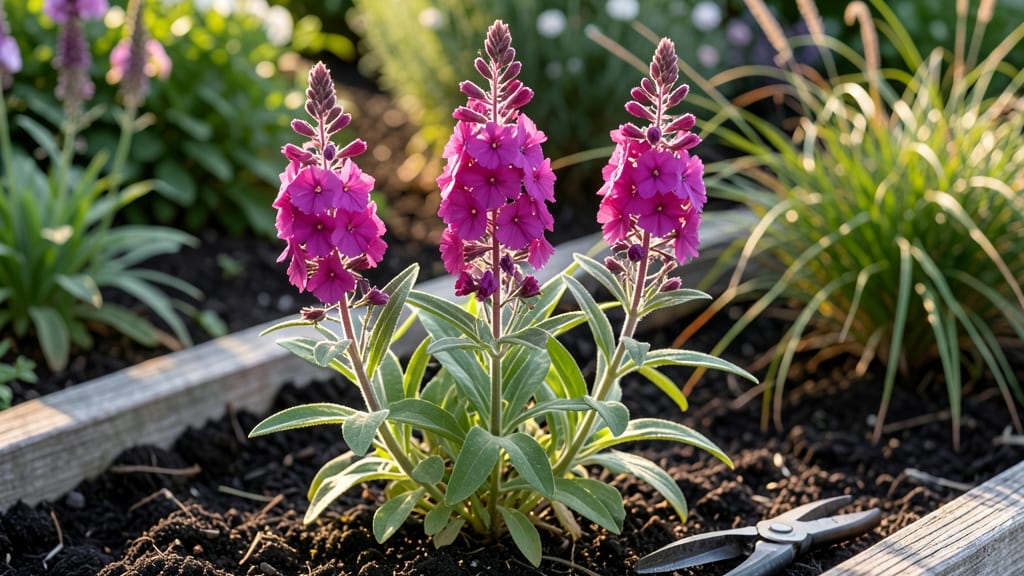
Summer phlox flowers turn Pacific Northwest gardens into buzzing, jewel-toned havens that hum with life from June through frost. 🌸 I've watched them transform dull borders into vibrant pollinator magnets, their clusters of pink, purple, and white blooms swaying in the breeze like nature's confetti.
The secret isn't just their color—it's how they pair effortlessly with everything from ferns to coneflowers, creating layers of texture and movement that no single plant could achieve alone.
These flowers thrive in partial shade, making them perfect for understory plantings where sunlight is limited. Their long blooming season means you'll enjoy color when many other perennials have faded, and their delicate foliage adds subtle interest even between flushes of bloom.
The key to their magic is planting them in drifts rather than single stems—this creates that signature "wow" factor that makes neighbors stop and ask what you're growing.
Imagine your garden in late summer: bees and butterflies flitting between phlox blooms while the air hums with activity. The flowers' natural arching habit makes them ideal for softening edges of pathways or spilling over container rims, while their drought tolerance once established means less maintenance fuss.
They pair beautifully with hostas for shade gardens or salvias for sun, creating combinations that feel both wild and intentional.
For the Pacific Northwest's variable climate, choose native varieties like Phlox paniculata 'David' or 'Jeana'—they handle our wet springs and dry summers with ease. The real reward comes in late summer when your garden becomes a living tapestry of color and movement, all while supporting local pollinators.
Let's make your space their new favorite stop.
📚 In This Guide
- What you need
- Instructions
- Tips and common mistakes
- Wrapping up and next steps
What you need
- ● Summer Phlox Seeds or Plants: Seeds: 50–100 seeds (choose Phlox paniculata varieties for summer blooms)
- ● OR 3–5 nursery-grown plants (transplants for instant color)
- ● Soil: 1–2 cubic yards of well-draining, moisture-retentive garden soil (amend with compost for fertility)
- ● Fertilizer: Balanced 10-10-10 or slow-release 5-10-10 granular fertilizer (½ cup per plant at planting)
- ● Mulch: 2–3 inches of organic mulch (shredded bark or straw) to retain moisture
- ● Watering Tools: Hose with adjustable nozzle or drip irrigation system (for consistent moisture)
- ● Watering can (for seedlings)
- ● Garden Tools: Trowel or hand shovel (for transplanting)
- ● Pruning shears (for deadheading and shaping)
- ● Gloves (to protect hands from thorns or soil)
- ● Epsom salt (1 tbsp per gallon of water for magnesium boosts)
- ● Stakes or plant supports (for tall varieties like ‘David’ or ‘White Delight’)
- ● Pollinator-friendly companion plants (e.g., bee balm or coneflowers)
- ● Slow-release rose fertilizer (for extra vigor in the PNW’s humid summers)
- ● Rain gauge (to monitor watering needs in unpredictable Pacific Northwest weather)
How to grow summer phlox flowers in the Pacific Northwest
Here's the straightforward way to get those vibrant blooms thriving in your garden all season long.
🌱 Step 1: Choose the Right Phlox Varieties for Your Region
For the Pacific Northwest’s mild summers and wet winters, opt for garden phlox (Phlox paniculata) or drummond phlox (Phlox drummondii)—both handle our climate beautifully. Garden phlox thrives in zones 4-9 and blooms mid-to-late summer, while drummond phlox is perfect for zones 3-9 and flowers earlier. I always pick disease-resistant varieties like 'David' or 'Jeana' to avoid mildew, which can be a problem in our damp air.
Check your microclimate—if you’re in the cooler coastal areas, go for taller garden phlox. In hotter inland spots, drummond phlox or creeping phlox (Phlox subulata) will handle the heat better. You’ll know you’ve picked the right variety when the plants stay lush and bloom abundantly without wilting by midday.
☀️ Step 2: Plant in Well-Draining Soil with Full Sun
Phlox loves 6+ hours of direct sun daily, but in the PNW’s intense summer sun, afternoon shade helps prevent leaf scorch. Amend your soil with 2-3 inches of compost before planting—phlox roots need rich, well-draining soil to thrive. I dig in a handful of slow-release fertilizer (like 10-10-10) at planting time to give them a strong start.
Space plants 18-24 inches apart—crowding leads to poor air circulation and mildew. Dig holes just as deep as the root ball but twice as wide to encourage root spread. Water deeply right after planting to settle the soil around the roots. You’ll see new growth within 7-10 days if the roots are happy.
💧 Step 3: Water Deeply and Mulch to Retain Moisture
Phlox needs 1-1.5 inches of water weekly, but in the PNW’s rainy summers, you’ll often need to supplement. Water at the base of the plant in the morning to reduce evaporation and fungal risks. I use a soaker hose to keep the foliage dry—wet leaves invite powdery mildew, which can ruin your blooms.
Apply 2-3 inches of mulch (like shredded bark or straw) around each plant, keeping it 2 inches away from the stems. This keeps roots cool and retains moisture. You’ll notice fewer wilting leaves and stronger stems when the soil stays consistently moist but not soggy.
✂️ Step 4: Deadhead and Prune for Continuous Blooms
Deadhead spent blooms every 2-3 weeks to encourage more flowers. Simply pinch off the faded flowers with your fingers or snip them with clean pruners just above the next set of leaves. This trick keeps your phlox blooming until first frost—I’ve had mine last well into October with regular deadheading.
After the first flush of blooms, give your phlox a light trim to shape the plant and remove any leggy stems. Cut back one-third of the plant in early summer to promote bushier growth. Avoid heavy pruning late in the season, as new growth won’t have time to harden off before winter.
🌿 Step 5: Overwinter and Prepare for Next Year
In the PNW’s mild winters, phlox usually survives without extra protection, but a 2-3 inch layer of mulch in late fall adds insulation. I cut back the stems to 4-6 inches tall after the first hard frost to tidy up the garden and reduce disease risk. Leave the leaves on the ground—they act as natural mulch and protect the crown.
In early spring, remove the old mulch and add a balanced fertilizer (like 10-10-10) to encourage new growth. You’ll see fresh shoots emerge in 3-4 weeks, signaling it’s time to start watering lightly again. With proper care, your phlox will thrive for years, becoming a pollinator magnet in your garden.
Tips & tricks for perfect summer phlox gardens
Here's what I wish I knew before planting my first phlox—these simple tricks make all the difference in getting vibrant blooms that last all season.
Variety Selection Tip: In Step 1, when choosing between garden phlox and drummond phlox, consider your garden's exposure. Coastal areas thrive with taller garden phlox varieties like 'David' which handle our frequent marine layer fogs beautifully. For inland spots with hotter summers, drummond phlox varieties like 'Jeana' bloom earlier and tolerate more sun without wilting. I've learned this the hard way—planting the wrong variety in the wrong spot leads to sad, leggy plants that never bloom properly.
Soil Prep Secret: The 2-3 inches of compost mentioned in Step 2 is non-negotiable for PNW gardens. Our naturally acidic soils need that extra organic matter to provide the right pH balance (around 6.5-7.0) that phlox loves. I always mix in a handful of worm castings too—it gives the roots a gentle boost of beneficial microbes. This extra step prevents the yellowing leaves that often plague new phlox plants in our region.
Watering Wisdom: When following the 1-1.5 inches weekly watering guideline in Step 3, remember that our rainy summers mean you'll likely need to supplement on dry spells. The key is morning watering at the base—this prevents fungal spores from splashing onto leaves when it rains later in the day. I've found that using a soaker hose not only saves water but also keeps the foliage dry, which is crucial for preventing powdery mildew that can ruin your blooms.
Deadheading Technique: The every-2-3-weeks deadheading in Step 4 works wonders, but here's my pro tip: use clean, sharp pruners and make your cuts just above a set of leaves. This encourages new blooms to form at those nodes. I also recommend doing this on a dry morning when the plants are fully hydrated—it makes the stems easier to handle and gives you a better view of where to cut. This simple habit extends your blooming season by weeks!
Pro Tips for Summer Phlox Flowers
- Here's what I wish I knew before planting my first phlox—these simple tricks make all the difference in getting vibrant blooms that last all season.
- Variety Selection Tip: In Step 1, when choosing between garden phlox and drummond phlox, consider your garden's exposure.
- Soil Prep Secret: The 2-3 inches of compost mentioned in Step 2 is non-negotiable for PNW gardens.
Frequently asked questions
Got questions about growing and enjoying summer phlox flowers in the Pacific Northwest? You’re not alone! Here are some of the most common queries—plus quick, actionable answers to keep your garden blooming beautifully.
Are summer phlox flowers deer-resistant?
While phlox can deter deer with their strong scent, they’re not fully deer-proof. Deer may still nibble if hungry. To protect your plants, try deer repellent sprays or plant them near thorny shrubs like barberry or holly. A quick fix: surround beds with chicken wire until plants establish roots!
When is the best time to plant summer phlox in the PNW?
For the Pacific Northwest’s mild climate, plant summer phlox in early spring (March–April) or late summer (August–September). This timing lets roots settle before winter or summer heat. Pro tip: Soak roots in water for 1–2 hours before planting to reduce transplant shock!
How do I keep summer phlox blooming all season?
Deadhead spent blooms regularly to encourage new flowers. Also, fertilize lightly with a balanced, slow-release fertilizer (10-10-10) in early spring and mid-summer. Water deeply but infrequently—phlox hates soggy soil. Mulch with 2–3 inches of organic matter (like wood chips) to retain moisture and deter weeds.
Are there phlox alternatives for pollinators if I can’t grow summer phlox?
Try these PNW-friendly pollinator magnets:
- Bee balm (Monarda) – Loves sun and attracts hummingbirds.
- Catmint (Nepeta) – Drought-tolerant and blooms all summer.
- Yarrow (Achillea) – Thrives in poor soil and draws bees.
- Salvia (especially ‘May Night’) – Heat-resistant and stunning purple blooms.
Why are my summer phlox leaves turning yellow?
Yellow leaves usually signal overwatering, fungal issues, or nutrient deficiencies. Check soil moisture—phlox prefers well-draining soil. If fungal (like powdery mildew), treat with neem oil or baking soda spray (1 tsp per quart of water). For nutrient issues, amend soil with compost or a low-nitrogen fertilizer.
Wrapping up and next steps
Summer phlox flowers aren’t just a fleeting summer delight—they’re a year-round gift to your garden and local pollinators! 🌸 From their vibrant blooms to their hardy nature, these Pacific Northwest favorites bring beauty, resilience, and life to any outdoor space.
Whether you’re a seasoned gardener or just starting, now’s the perfect time to plant, nurture, or simply admire their magic.
Ready to dive in? Start small—pick a sunny spot, grab some seeds or seedlings, and let these cheerful blooms transform your garden into a buzzing paradise. Happy planting! 🌱