
Flowers
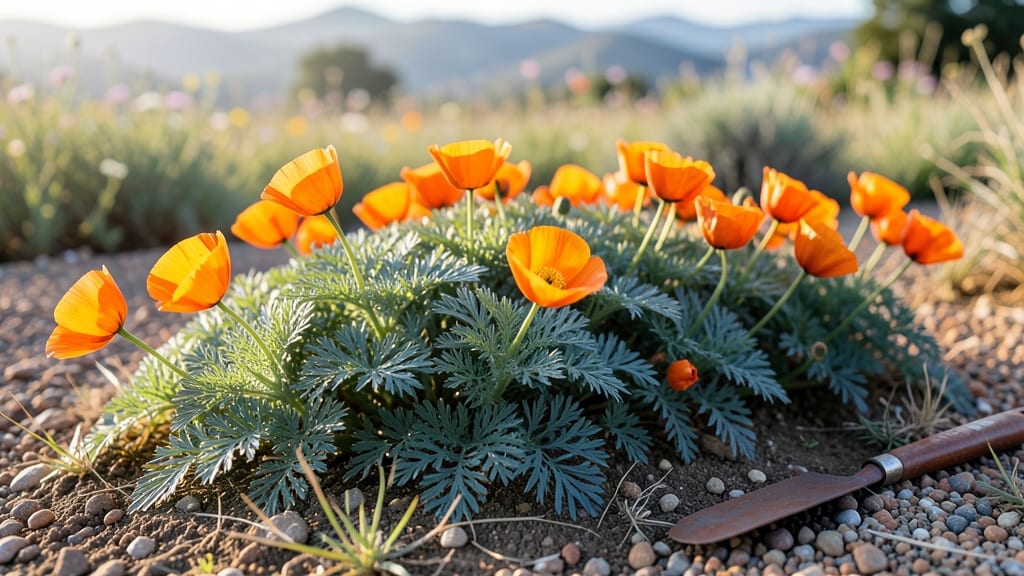
The California poppy’s orange flower was the first bloom I scattered along that dry border, and it instantly turned a dull stretch of earth into a shimmering sea of golden cheer. 🌻 I’ll never forget the way they seemed to catch every golden hour. patch of brown into a sea of sunshine, effortlessly drawing bees and butterflies like a magnet.
These drought-loving beauties thrive where others falter, their papery blooms swaying in the breeze even when the soil is bone-dry.
The secret to their magic lies in how they pair with other plants. Try tucking them alongside lavender for a fragrant, sun-drenched border, or mix them with silver foliage like lamb’s ear for striking contrast.
In containers, they cascade over edges like living confetti, while in wildflower meadows, their bright orange pops against purple salvias or blue flax. The key is spacing them about 6-12 inches apart—close enough to create a lush carpet, but not so crowded they lose their delicate charm.
What you’ll end up with is a garden that feels alive, buzzing with pollinators and shimmering in the sunlight. The flowers open wide in the morning, closing by afternoon to conserve moisture, but their impact lasts all day—like nature’s own spotlight.
They’re perfect for low-water landscapes, coastal gardens, or even rocky slopes where little else grows. Once established, they’ll self-seed and multiply, giving you more sunshine every year.
For best results, plant them in full sun and avoid heavy soil—they prefer well-draining conditions where their roots can stretch freely. A light mulch of straw helps retain moisture without smothering the seeds. And if you’re near the coast, their salt tolerance makes them ideal for seaside gardens too.
The payoff? A garden that’s not just beautiful, but alive with color and movement from spring through fall.
📚 In This Guide
- What you need
- Instructions
- Tips and common mistakes
- Wrapping up and next steps
What you need
- ● Ready to bring sun-kissed elegance to your garden with California poppy orange flowers? Here’s everything you’ll need to create a thriving pollinator paradise! 🌼☀️
How to grow stunning orange California poppies for pollinators
Here's my foolproof method for growing vibrant orange California poppies that will attract bees and butterflies all season.
🌱 Step 1: Choose the Perfect Planting Location
California poppies thrive in full sun—they need at least 6-8 hours of direct sunlight daily. I plant mine in the southwest corner of my garden where they get afternoon sun without afternoon shade. The soil should be well-draining—these poppies hate soggy roots.
Test your soil by squeezing a handful—if it holds together like clay, amend with sand or grit to improve drainage. Poppies grow wild in California's dry hillsides, so they prefer lean soil. Avoid rich compost piles—they'll produce lush foliage but few flowers.
☀️ Step 2: Prepare the Soil and Plant Seeds
Scatter seeds ¼ inch deep—they don't need covering, but a light press into the soil helps. Space them 6-12 inches apart since they self-seed generously. I plant mine in early fall (October-November) for spring blooms, but they tolerate light frost.
Water gently after planting to settle the soil, but don't overdo it. Poppies germinate best when soil is moist but not soggy. You'll see tiny green sprouts in 2-4 weeks—they look like tiny grass blades at first, but don't rush to thin them yet.
💧 Step 3: Water Sparingly and Watch for Blooms
Once established, California poppies are drought-tolerant—water only when the soil feels bone-dry 2 inches down. Overwatering causes rot and weak stems. I water mine once every 2 weeks during dry spells, but they'll survive on rainfall alone in many climates.
You'll notice the first bright orange blooms in late winter or early spring (depending on your zone). Each flower lasts just one day, but new buds open daily for 6-8 weeks. Deadhead spent blooms to encourage more flowers, but don't worry if you miss it—they self-seed prolifically.
✂️ Step 4: Maintain and Enjoy Your Pollinator Paradise
After flowering, let the seed pods develop—they're a food source for birds. Cut back foliage in early summer to prevent self-seeding where you don't want it. Poppies are perennial in mild climates but may reseed annually in colder zones.
Watch for bees and butterflies—they adore these flowers! Plant in groups of 4-5 for maximum impact. The more you grow, the more pollinators will visit. I've seen monarchs, honeybees, and even hummingbirds on my poppy patches.
🌿 Step 5: Overwinter and Prepare for Next Year
In fall, rake away old foliage but leave seed pods for wildlife. Poppies are cold-hardy but may die back in freezing temps. In spring, new growth appears quickly—water lightly until established again.
Here's the thing—once you grow California poppies, they spread on their own. You'll have more than you bargained for in just a few years! That's why I plant them in containers or contained beds if I want to control their spread.
Tips & tricks for perfect California poppy gardens
These simple secrets will help you grow vibrant orange California poppies that thrive and attract pollinators like a pro.
Sunlight Secret: The 6-8 hours of daily sunlight in Step 1 is non-negotiable—these poppies won't bloom well with less. If your garden gets afternoon shade, consider planting in containers where you can move them to follow the sun. I've seen poppies in shadier spots still grow, but they produce fewer flowers and grow leggy.
Soil Strategy: Don't be tempted to add compost in Step 1—they prefer lean soil! Too much organic matter makes them grow foliage instead of flowers. If your soil is heavy clay, mix in coarse sand or perlite to improve drainage. I've had the best results with a simple 50/50 mix of native soil and builder's sand.
Planting Timing: The early fall planting window in Step 2 gives seeds time to germinate before winter, then they'll bloom early next spring. If you miss fall, you can still plant in late winter—just expect slightly later blooms. I've had success with both methods, but fall planting gives you a head start on the pollinator season.
Watering Wisdom: The "bone-dry 2 inches down" test in Step 3 is your best guide—stick a finger in the soil to check. Overwatering is the #1 killer of poppies. I've learned this the hard way after losing entire patches to root rot. Once established, these drought-tolerant beauties will thrive with minimal watering.
Pro Tips for California Poppy Orange Flower
- These simple secrets will help you grow vibrant orange California poppies that thrive and attract pollinators like a pro.
- Sunlight Secret: The 6-8 hours of daily sunlight in Step 1 is non-negotiable—these poppies won't bloom well with less.
- Soil Strategy: Don't be tempted to add compost in Step 1—they prefer lean soil!
Frequently asked questions
When is the best time to plant California poppy orange flowers?
The ideal time to plant Eschscholzia californica in orange is in early spring (March-April) or late summer (August-September). These sun-loving blooms thrive in mild climates but avoid extreme heat. For best results, sow seeds directly in well-drained soil and space them about 6-12 inches apart.
How long does it take for orange California poppies to bloom?
From seed to bloom, expect 6-8 weeks under ideal conditions (full sun, warm temps, and consistent moisture). Some varieties may take slightly longer, especially if planted in cooler months. Patience pays off—once they bloom, they’ll reward you with vibrant orange flowers for weeks!
Can I grow orange California poppies in containers or pots?
These drought-tolerant beauties adapt well to containers, making them perfect for patios or balconies. Use pots at least 6-8 inches deep with drainage holes, and pair them with succulents or lavender for a low-maintenance pollinator-friendly display.
Why aren’t my orange California poppies attracting bees or butterflies?
If pollinators are scarce, check these factors: Timing (bloom in spring/summer when pollinators are active), Location (plant in sunny, open areas), and Health (ensure no pesticides were used). Deadhead spent blooms to encourage more flowers, and add native companion plants like yarrow or buckwheat to boost appeal.
Are there orange California poppy alternatives for shadier gardens?
While orange poppies crave sun, try these shade-tolerant alternatives: Orange calendula (edible and cheerful), Orange daylilies (hardy and prolific), or Orange impatiens (great for partial shade). For a poppy-like look, Orange celosia adds drama without sunlight demands.
Wrapping up and next steps
The California poppy with its vibrant orange flower isn’t just a burst of sunshine—it’s a pollinator’s paradise and a gardener’s dream. Whether you’re drawn to its sun-kissed elegance or its low-maintenance charm, this native beauty transforms any space into a thriving ecosystem.
Ready to bring this golden glow to your garden? Start small—plant a few seeds or cuttings this season and watch your outdoor haven bloom with effortless joy!
🌻 Pro tip: Share your poppy patch on social media with #CaliforniaPoppyLove—inspire others to grow their own!