
Tools
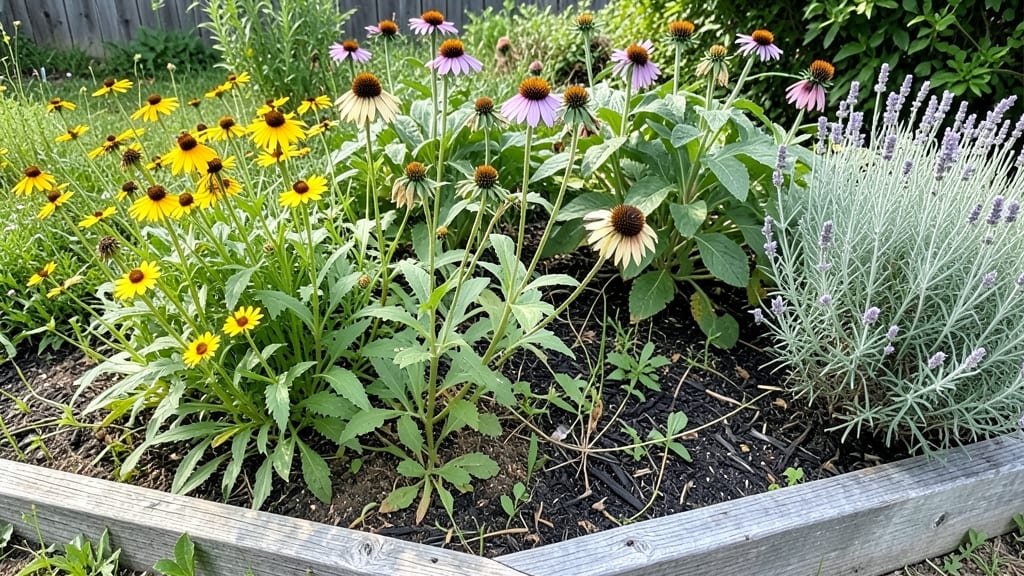
A small wildflower garden can transform even the tiniest corner into a buzzing, blooming paradise for bees, butterflies, and hummingbirds. 🌸 I started mine in a 6-foot-by-4-foot patch between my sidewalk and the street, and within a single summer, it became a magnet for pollinators that my neighbor’s manicured lawn never attracted.
The key is choosing the right mix of native wildflowers that thrive in your climate—think black-eyed Susans, milkweed, and coneflowers—paired with low-growing ground covers like clover or creeping thyme. These plants need minimal fuss: just sunlight, well-draining soil, and occasional deadheading to keep them blooming all season long.
What you’ll end up with is a vibrant, ever-changing display that shifts from early spring’s violets to late summer’s goldenrod, all while feeding hungry pollinators. The best part? No mowing, no fertilizing, just pure, effortless beauty that grows more stunning every year.
Perfect for balconies, window boxes, or even cracks in pavement—this garden works anywhere sunlight touches. Let’s get those seeds in the ground!
📚 In This Guide
- What you need
- Instructions
- Tips and common mistakes
- Wrapping up and next steps
What you need
- ● Garden Space: A small patch (even a 6" x 6" container or 1 sq. ft. of ground works!)
- ● Wildflower Seeds: Native wildflower mix (e.g., Black-eyed Susan, Coneflower, or Milkweed—check local nurseries for region-specific blends).
- ● Quantity: 1–2 tbsp per sq. ft. (or follow seed packet instructions).
- ● Soil: Well-draining potting mix (for containers) or native soil amended with compost (for ground planting).
- ○ Optional: Slow-release fertilizer (follow package rates).
- ● Tools: Small hand trowel or spoon (for planting seeds).
- ● Watering can with a fine rose nozzle (or spray bottle for delicate seedlings).
- ○ Gloves (optional but helpful for messy hands!).
- ● Mulch: Straw or shredded leaves to retain moisture and suppress weeds.
- ● Stakes or Labels: To mark seed types (especially useful for beginners!).
- ● Drip Irrigation or Self-Watering Container: For low-maintenance hydration.
- ● Pollinator-Friendly Additions: A shallow dish of water with pebbles (for thirsty bees!) or a small log for solitary bees.
Step-by-step instructions for planting a small wildflower garden
Transform even the tiniest patch into a buzzing pollinator haven with these simple, science-backed techniques.
🪴 Step 1: Choose and Prepare Your Planting Site
Wildflowers thrive where native plants naturally grow—so prioritize full sun to partial shade (at least 4-6 hours of sunlight daily). Scan your space for areas with well-draining soil—avoid low spots where water pools after rain. If your soil feels compacted, loosen the top 6 inches with a garden fork to improve root penetration.
Here's the thing—wildflowers tolerate poor soil better than most plants, but they still need air and water access. Clear existing weeds or grass (they compete aggressively) and rake the surface smooth. If your soil is heavy clay, mix in 1-2 inches of compost to improve structure. This step ensures your wildflowers establish strong roots before summer heat arrives.
🌱 Step 2: Select and Plant Your Wildflower Mix
Choose a pre-mixed wildflower seed blend suited to your region (check the packet for native species like black-eyed Susan, milkweed, or purple coneflower). Scatter seeds sparingly—wildflower packets often contain thousands of tiny seeds, so aim for ½ teaspoon per square foot. Lightly press them into the soil (no need to bury; most need light to germinate).
Cover seeds with a thin layer of soil or mulch (about ¼ inch deep) to protect them from birds and wind. Water gently but thoroughly—soak the soil until 2 inches deep feels moist. You'll see the first sprouts in 1-3 weeks, though some species may take 4-6 weeks to emerge. Don't panic if germination is slow; wildflowers are patient plants.
☀️ Step 3: Maintain with Minimal Effort
Once established, wildflowers need very little care—just water during dry spells (about 1 inch per week) until they reach 6 inches tall. After that, they're drought-tolerant. Avoid fertilizers; wildflowers rely on natural soil nutrients. Instead, mow high (if needed) to protect emerging seedlings and prevent invasive grasses from taking over.
Watch for leggy growth—a sign of too much shade or overcrowding. Thin seedlings if necessary, spacing them 6-12 inches apart to encourage strong stems. By mid-summer, your garden will burst with color and movement as bees, butterflies, and hummingbirds discover their new home. This is where the magic happens.
✂️ Step 4: Encourage Longevity and Spread
In late fall or early spring, cut back dead foliage to 2-3 inches above ground to remove seed heads from last year's blooms. This prevents overcrowding and allows sunlight to reach new growth. Most wildflowers self-seed prolifically, so you'll see volunteer plants popping up in unexpected spots—let them grow unless they're in the wrong location.
Real talk: Some years will be better than others. Drought, deer, or heavy rains can thin your garden, but wildflowers are resilient. If your garden fades, simply replant a fresh batch in early spring. Over time, your site will develop a self-sustaining ecosystem where pollinators return year after year without extra effort on your part.
Tips & tricks for perfect small wildflower garden
A few simple tricks will help your tiny pollinator haven thrive year after year.
Location is Everything: I can't stress enough how critical those 4-6 hours of sunlight are—this is non-negotiable for most wildflower species. If you're working with partial shade, choose shade-tolerant varieties like wild ginger or asters. For maximum impact, prioritize south-facing spots where sunlight intensity is highest during the growing season.
Soil Prep Secret: The key to strong root establishment is creating that loose, aerated soil structure. After loosening the top 6 inches, I like to add a thin layer of coarse sand or perlite to heavy clay soils—this improves drainage without altering the natural soil composition. Think of it as giving your wildflowers a head start in their native environment.
Seed Scattering Strategy: When scattering those ½ teaspoon per square foot seeds, work in small sections to avoid missing spots. I find using a pie tin or small plate helps distribute seeds evenly. After pressing them in, I like to sprinkle a light layer of peat moss (about ¼ inch) which helps retain moisture while still allowing light to reach the seeds.
Germination Patience: Remember those 1-3 weeks to 4-6 weeks germination times? Mark your calendar and resist the urge to disturb the soil—wildflower seeds often need darkness to germinate. If you see sprouts appearing unevenly, don't be tempted to thin too early. Wait until seedlings reach 2 inches tall before carefully removing weaker ones.
Pro Tips for Small Wildflower Garden
- A few simple tricks will help your tiny pollinator haven thrive year after year.
- Location is Everything: I can't stress enough how critical those 4-6 hours of sunlight are—this is non-negotiable for most wildflower species.
- Soil Prep Secret: The key to strong root establishment is creating that loose, aerated soil structure.
Frequently asked questions
What’s the best time of year to plant a small wildflower garden?
For most regions, early spring or fall are ideal—soil is workable, and wildflowers establish roots before extreme heat or cold. In warmer climates, late winter or early spring works too. Pro tip: Check seed packets for specific timing, as some varieties thrive in cooler months!
How much water do wildflowers need once established?
Once rooted (after 4–6 weeks), wildflowers are drought-tolerant! Water lightly once a week during dry spells, but avoid overwatering—most prefer well-draining soil. New seedlings need daily moisture until sprouted.
Will a small wildflower garden really attract bees and butterflies?
Absolutely!
Native wildflowers like coneflowers, milkweed, and black-eyed Susans are pollinator magnets. Even a 5x5-foot patch can support bees, butterflies, and hummingbirds. Bonus: Mix annuals (fast blooms) with perennials (long-term food) for year-round action.
What if I don’t have a sunny spot? Can I still grow wildflowers?
Yes! Partial shade (4–6 hours of sun) works for shade-tolerant varieties like columbine, asters, or wild ginger. Avoid deep shade—most wildflowers need at least 3 hours of light. Test your spot: If grass grows well, wildflowers likely will too!
What’s the easiest way to keep pests away without chemicals?
Wildflowers are naturally pest-resistant, but aphids or deer might visit. Try these tricks:
- Handpick pests early in the morning.
- Plant marigolds or garlic chives nearby as deterrents.
- Use neem oil (diluted) for stubborn issues.
- Add a chicken wire fence if deer are a problem.
Most pests won’t harm established wildflowers—focus on healthy soil first!
Can I grow wildflowers in containers or raised beds?
Yes! Containers (at least 6–12 inches deep) or raised beds work great for small spaces. Use well-draining soil and place in full sun. Tip: Mix in compost for nutrients, and choose compact varieties like lobelia or sweet alyssum for pots.
Wrapping up and next steps
Creating a small wildflower garden is more than just a charming addition to your space—it’s a powerful way to support pollinators while embracing simplicity and beauty. With just a few native seeds, a sunny spot, and a little care, you’ve already given bees, butterflies, and hummingbirds a thriving haven. 🌸
Now that you’re inspired, why not take the next step? Start small—even a windowsill or balcony can become a pollinator hotspot. Share your progress with fellow gardeners or expand your garden next season. Every bloom makes a difference!