
Lawn
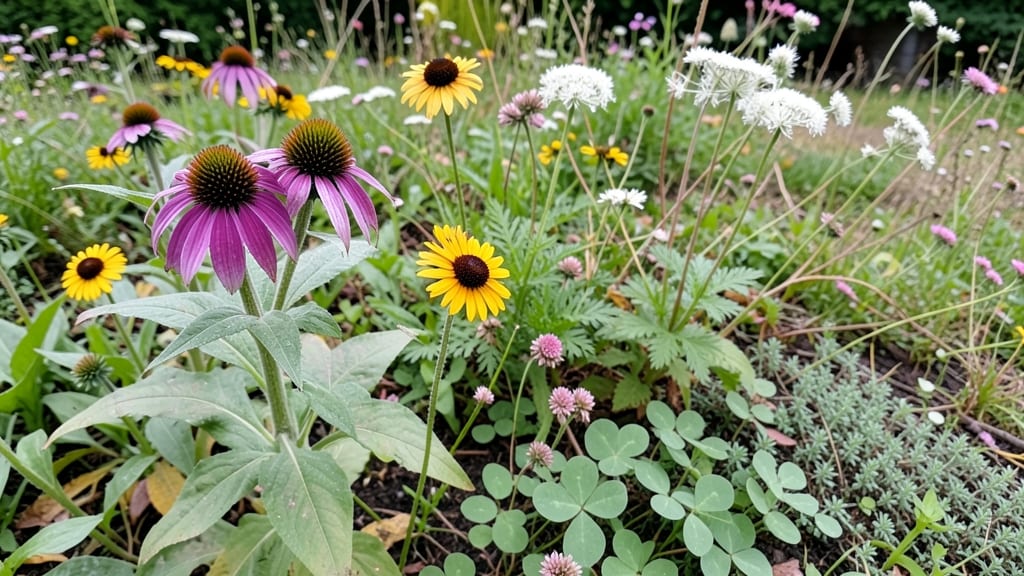
A wildflower lawn transforms your yard into a buzzing, blooming ecosystem where bees, butterflies, and birds outnumber the mower visits.
I swapped my manicured grass for this pollinator paradise last spring, and the difference is night and day—not just in beauty, but in the hum of life that fills the air by midday.
The first year, I worried about weeds, but now I can’t imagine going back to green carpeting that does nothing for the planet.
The best part? Zero mowing means more time to enjoy the show instead of fighting it. You’ll need native wildflower seeds (non-invasive varieties only), a rake, and patience—about 4-6 weeks of waiting for the first blooms to pop up.
The soil prep is simple: till or loosen the top few inches, remove existing grass if needed, and let the sun do the rest. Think of it as planting a living tapestry instead of a lawn.
By summer, you’ll have vibrant swaths of color—purple coneflowers, golden black-eyed Susans, and delicate blue lobelia—that attract pollinators while keeping your feet soft underfoot. The roots outcompete weeds naturally, and the ecosystem thrives with fewer pesticides.
My neighbors now ask for seed packets, and I’ve never had so many compliments (or so many hummingbirds at my morning coffee).
Works in full sun or partial shade, urban backyards, or rural acres—just adjust your seed mix. The key is sticking to native plants that evolved with local pollinators. Ready to trade the mower for a butterfly net? Let’s get those seeds in the ground.
📚 In This Guide
- What you need
- Instructions
- Tips and common mistakes
- Wrapping up and next steps
What you need
- ● Wildflower seed mix: Choose a native blend (1–2 lbs per 100 sq. ft.). Look for low-maintenance varieties like clover, yarrow, or black-eyed Susan.
- ● Lawn soil: Test your soil’s pH (aim for 6.0–7.0). Amend with compost if needed (1–2 inches spread evenly).
- ● Rake: A sturdy garden rake (with metal tines) to loosen soil and remove debris.
- ● Broadcast spreader: For even seed distribution (or use a handheld spreader for smaller areas).
- ● Watering system: A hose with a gentle spray nozzle or a drip irrigation kit (critical for the first 2–4 weeks).
- ○ Optional: Mulch or straw (light layer to retain moisture).
- ● Eco-friendly pre-emergent herbicide (if eliminating grass; apply before seeding).
- ● Garden kneeler/pad (for comfort during prep).
- ● Sunlight: Full sun (6+ hours/day) for best results. Partial shade? Opt for shade-tolerant wildflower blends.
- ● Water access: Ensure a reliable source for initial watering (deep soaks, not light sprinkles).
- ● Patience: Wildflowers take 2–4 weeks to germinate and 1–2 seasons to fully establish.
Step-by-Step guide to creating a thriving wild flower lawn
Transform your yard into a buzzing haven for pollinators—no mower required.
Prepare the Soil for Wildflower Success
Start by testing your soil's pH and fertility. Wildflowers thrive in well-draining soil with a pH between 6.0 and 7.5. If your soil is compacted or heavy clay, loosen it to a depth of 4-6 inches using a broadfork or tiller. This aeration encourages deep root growth, which wildflowers need to establish themselves.
If your soil is nutrient-poor, mix in 2-3 inches of compost into the top 6 inches of soil. Wildflowers are adapted to leaner conditions, so avoid over-fertilizing—they’ll outcompete weeds more effectively in balanced soil. Rake the area smooth afterward to create an even seedbed.
Choose and Apply Wildflower Seed Mix
Select a native wildflower seed mix suited to your climate and region—this ensures the best survival rates and supports local pollinators. For a 4,000-square-foot lawn, you’ll need about 1-2 pounds of seed, depending on the mix’s coverage rate (check the package). Scatter the seeds evenly by hand or use a broadcast spreader set to the lowest setting.
Lightly rake the seeds into the soil, ensuring they make contact with the earth but aren’t buried deeper than ¼ inch. This shallow coverage prevents them from needing extra light to germinate. Press the soil gently with a lawn roller or your feet to ensure good seed-to-soil contact—this step is critical for uniform germination.
Water Strategically for Germination
Keep the soil consistently moist for the first 4-6 weeks—this is when seeds germinate and seedlings establish their roots. Water lightly but frequently, aiming for ¼ inch of water per week, either through rainfall or irrigation. Use a gentle sprinkler or soaker hose to avoid dislodging seeds. The soil should feel damp 1 inch below the surface but not soggy.
Once the wildflowers reach 2-3 inches tall, reduce watering to 1 inch per week. At this stage, they’ll develop deeper roots and become more drought-tolerant. Avoid overhead watering during peak sunlight to prevent fungal diseases—water in the early morning instead.
Manage Weeds and Maintain the Lawn
Weeds are the biggest challenge in the first year, so stay vigilant. Hand-pull any emerging weeds before they compete with wildflower seedlings. If using a pre-emergent herbicide, apply it before seeding—never after, as it will kill your wildflowers too. Mulch with straw or wood chips (not leaves) to suppress weeds while allowing sunlight to reach the seeds.
After the first year, your wildflower lawn will establish itself and require minimal maintenance. Mow once per year in late fall or early winter to prevent seed heads from spreading too aggressively. Leave the clippings on the lawn—they’ll decompose and add nutrients naturally. Avoid fertilizers and pesticides, as they harm pollinators and disrupt the ecosystem.
Encourage Pollinator Visits Year-Round
Wildflowers attract bees, butterflies, and beneficial insects, but you can enhance their appeal. Leave some areas of the lawn unmowed to create habitat for ground-nesting bees. Plant native shrubs or perennials along the edges of your lawn to provide nectar sources throughout the growing season, especially in early spring and late fall when wildflowers may be dormant.
Monitor your lawn for signs of pests like aphids or caterpillars. While these insects are part of a healthy ecosystem, they can become problematic if they overpopulate. Introduce beneficial predators like ladybugs or lacewings to keep populations in check naturally. Over time, your wildflower lawn will become a self-sustaining pollinator paradise with minimal effort from you.
Tips & tricks for perfect wild flower lawn establishment
A few key strategies will help you transform your yard into a thriving pollinator haven with minimal effort.
Soil Preparation Insight: Don't rush the soil prep in Step 1—this is where success begins. If your soil tests below pH 6.0, add dolomitic lime at a rate of 10 pounds per 100 square feet and retest in 2-3 months. For heavy clay soils, consider adding coarse sand to improve drainage before tilling. The goal is to create an environment where wildflower roots can penetrate deeply without struggling.
Seed Application Technique: When scattering seeds in Step 2, work in small sections (about 10x10 feet) to ensure even coverage. For larger areas, use a stencil made from cardboard cutouts to create patterns or borders. Pressing seeds with your feet works well, but for very large lawns, consider renting a lawn roller for more consistent pressure. Remember, those ¼-inch depth requirements are crucial—any deeper and seeds won't germinate.
Watering Strategy: The 4-6 week watering window in Step 3 is your critical period. Use a rain gauge or tuna can to measure your water accurately—eyeballing often leads to over or under-watering. In hot climates, you might need to water twice daily (morning and evening) during this period. Once established, wildflowers can handle drought, but seedlings need consistent moisture to develop strong root systems.
Weed Management Pro Tip: For persistent weeds in Step 4, try a spot treatment of vinegar and dish soap (1 gallon vinegar + 1 tablespoon soap) on stubborn weeds before they seed. This organic approach won't harm your wildflowers if applied carefully. Consider planting clover or creeping thyme in high-traffic areas—they suppress weeds naturally while providing pollinator benefits.
Pro Tips for Wild Flower Lawn
- A few key strategies will help you transform your yard into a thriving pollinator haven with minimal effort.
- Soil Preparation Insight: Don't rush the soil prep in Step 1—this is where success begins.
- Seed Application Technique: When scattering seeds in Step 2, work in small sections (about 10x10 feet) to ensure even coverage.
Frequently asked questions
Got questions about transforming your lawn into a wildflower paradise? You’re not alone!
Here are answers to the most common queries—from planning to upkeep—to help you dive in with confidence.
How do I know which wildflowers will thrive in my climate?
Start by checking your USDA Plant Hardiness Zone (find it here) and local native plant guides. Region-specific mixes (like Black-eyed Susan for the East or California poppies for the West) ensure resilience. Pro tip: Contact your local native plant society for tailored recommendations!
When is the best time to plant a wildflower lawn?
For most regions, late summer to early fall (August–September) is ideal—seeds germinate in cooler weather and establish roots before winter. Spring planting (March–April) works too, but avoid extreme heat or drought. Spring-bloomers (like violets) may pop up early, while summer favorites (e.g., coneflowers) need patience!
Will weeds take over my wildflower lawn?
Yes, but it’s part of the charm! Weeds like dandelions and clover are actually pollinator magnets—embrace them. To minimize invasives, use a dense wildflower seed mix (aim for 80% natives) and mow once a year (late summer) to prevent aggressive grasses. Hand-pulling a few stubborn weeds keeps things balanced.
Is a wildflower lawn more expensive than traditional grass?
Upfront costs vary, but long-term savings win: no fertilizers, herbicides, or frequent mowing mean $0–$50/year vs. $200–$600/year for conventional lawns. Seed mixes run $0.50–$2 per sq. ft.—cheaper than sod! DIY installation slashes costs further.
How do I attract more pollinators to my wildflower lawn?
Plant diverse blooms with varying heights/colors (e.g., milkweed for monarchs, bee balm for bumblebees). Add water sources (shallow dishes with rocks) and avoid pesticides. Leave some "wild" areas—untidy stems provide winter shelter for bees!
What if my wildflower lawn looks patchy or bare?
Patchiness is normal! Thin areas may need a top-dressing of compost or a light reseeding in fall. Over time, perennials fill in. Drought or poor soil? Test pH (ideal: 6.0–7.0) and amend with compost. Patience pays off—wildflower lawns mature in 2–3 years.
Wrapping up and next steps
Transforming your lawn into a wildflower paradise isn’t just about reducing mowing—it’s about creating a thriving ecosystem that supports bees, butterflies, and birds. With the right seeds, soil prep, and a little patience, you’ll have a low-maintenance, vibrant space that blooms effortlessly. 🌼
Ready to take the next step? Start small—dedicate a corner of your yard or even a container garden—and watch your pollinator friends flock to your new haven. Your garden (and the planet) will thank you!