
Pests
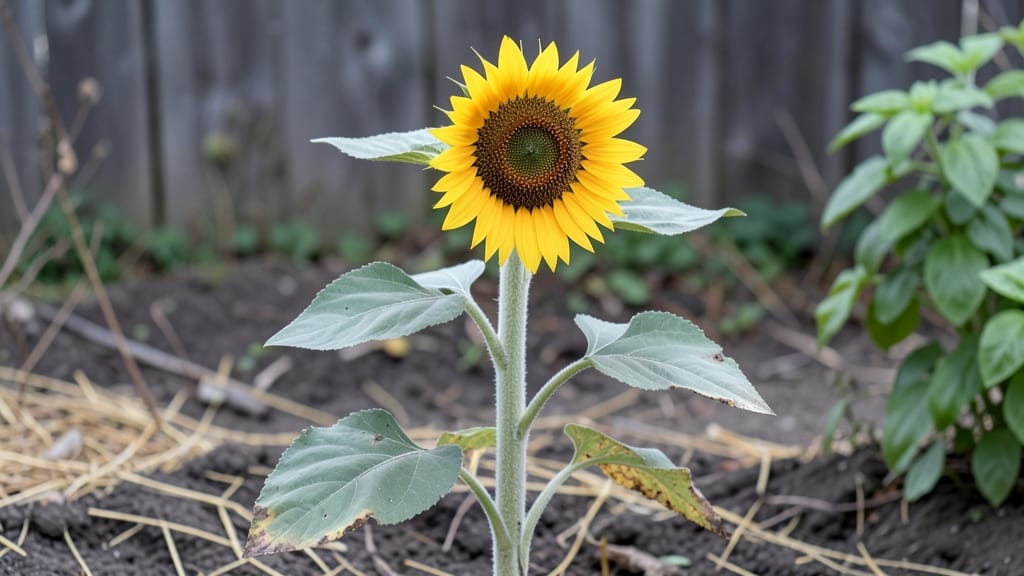
The Giant Grey Stripe sunflower towers over Pacific Northwest gardens with its dramatic, striped stalks and sunburst blooms—if you plant it right. This variety thrives in cooler climates where heat-sensitive types wilt, but it demands patience and the right conditions to reach its full 10-foot glory.
I’ve grown mine for three seasons now, and the key isn’t just the soil or sunlight—it’s understanding how to coax those bold stripes from seed to stem.
Start with well-draining soil rich in organic matter, and space plants 18 inches apart to prevent competition. These sunflowers love full sun but handle the PNW’s shorter days better than most, making them perfect for late-spring planting.
Water deeply once a week, letting the soil dry slightly between sessions—overwatering is the fastest way to weaken those sturdy stalks before they even bloom.
What makes this variety special isn’t just its height, but the striking grey-and-green striped stems that become a garden focal point. With proper care, you’ll see buds form by mid-summer, followed by 4-inch-wide yellow blooms that attract pollinators for weeks.
The real magic happens when the stalks mature—those stripes darken into a dramatic contrast that looks like something out of a botanical illustration.
For Pacific Northwest gardeners, timing is everything: plant seeds after the last frost but before July to ensure they mature before fall rains. Use stakes or cages early to support their weight, and watch for powdery mildew in humid summers—spraying neem oil preventatively keeps foliage healthy.
Once established, these sunflowers need minimal care, rewarding you with a bold vertical statement that outshines even the tallest grasses.
📚 In This Guide
- What you need
- Instructions
- Tips and common mistakes
- Wrapping up and next steps
What you need
- ● Seeds: Sunflower Giant Grey Stripe seeds (10–20 seeds, depending on desired quantity). Opt for heirloom or organic seeds for best results.
- ● Growing Space: Full sun (6+ hours of direct sunlight daily).
- ● Well-draining soil (pH 6.0–7.5).
- ● Space: At least 4–6 feet in diameter per plant (they grow tall!).
- ● Water: Hose or watering can with a gentle spray nozzle (sunflowers need consistent moisture, especially when young).
- ● Fertilizer: Balanced, organic fertilizer (e.g., 10-10-10 or compost). Apply at planting and again when plants reach 12 inches tall.
- ● Garden Tools: Trowel (for planting seeds).
- ● Garden fork or hoe (for loosening soil).
- ○ Stakes or trellis (optional, for support if plants lean in windy PNW conditions).
- ● Mulch: Straw or wood chips (to retain moisture and suppress weeds).
- ● Pest Control: Neem oil or insecticidal soap (for aphids or beetles, common in PNW gardens).
- ○ Row covers (optional, for early planting to deter pests).
- ● Harvesting Tools: Pruners or sharp scissors (for cutting stems when mature).
- ● Last frost date for your area (PNW typically mid-May to early June). Plant seeds 1–2 weeks after the last frost.
- ● Soil prep: Amend heavy clay soil with compost to improve drainage (common in PNW).
- ● Patience! Giant Grey Stripes can take 80–100 days to reach full height (10–14 feet!).
Step-by-Step instructions for cultivating Giant Grey Stripe sunflowers
Here's how to grow these towering beauties with sturdy, disease-resistant stalks perfect for Pacific Northwest climates.
Select and Prepare the Planting Site
Choose a location with full sun exposure (6+ hours daily)—these sunflowers thrive where others struggle. Pacific Northwest summers often bring drizzle, so prioritize well-draining soil to prevent root rot. I test soil pH first (aim for 6.0-7.0); if yours is too acidic, amend with crushed limestone before planting.
Loosen the top 12 inches of soil with a garden fork, breaking up any compacted layers. Mix in 2-3 inches of compost to enrich the soil without overwhelming the plants. The goal is loose, fertile soil that holds moisture but drains freely—sunflowers hate soggy roots. If your soil is heavy clay, incorporate 10% perlite or coarse sand to improve drainage.
Plant Seeds at Proper Depth and Spacing
Sow seeds ½ inch deep and 6 inches apart in rows spaced 18-24 inches apart. Planting too shallow delays germination, while burying seeds too deep exhausts their energy before reaching light. I like to use a small dibber or pencil to create precise holes—this ensures consistent depth across all seeds.
For Pacific Northwest gardens, start seeds indoors 4-6 weeks before last frost) or direct-sow after soil warms to 55°F. Thin seedlings to 12 inches apart once they reach 3-4 inches tall, leaving the strongest stem in each spot. Crowding weakens stalks and invites fungal diseases, which are common in our damp summers.
Provide Consistent Water and Fertilizer
Water deeply once weekly (or more in extreme heat) to encourage deep root growth. Giant Grey Stripes need 1-1.5 inches of water per week, delivered at soil level to avoid wetting foliage—this prevents mildew. I water in the morning so leaves dry quickly, reducing disease risk. Let the top 2 inches of soil dry between waterings to prevent root rot.
Side-dress with 5-10-10 fertilizer when plants reach 12 inches tall, then again when buds form. Avoid high-nitrogen fertilizers—they produce lush foliage at the expense of flower development. Pacific Northwest soils often lack phosphorus, which is critical for strong root and stalk development. I use a slow-release granular fertilizer for steady nutrient delivery without risk of overfeeding.
Support Stalks and Monitor for Pests
These sunflowers grow 10-12 feet tall, so install 6-foot stakes or a sturdy trellis system at planting. Tie stems loosely with soft garden twine every 2-3 feet as they grow—tight ties restrict circulation. In windy Pacific Northwest sites, I add a second stake at 45-degree angles for extra stability.
Watch for sunflower moths and beetles, which chew leaves and stems. I use row covers early in the season and handpick larvae when I see them. Avoid chemical sprays—they can damage beneficial insects and leave residues on edible seeds. Healthy plants with proper spacing and support rarely suffer severe damage, so prevention is key.
Harvest and Store Seeds Properly
Harvest when back-of-flower petals turn brown and seed heads feel heavy (usually 90-120 days after planting). Cut stems with 6 inches of stalk attached and hang upside down in a dry, dark place for 2-3 weeks to fully dry. Remove seeds when they rattle easily in the head.
Store seeds in airtight containers in a cool, dark place for up to 3 years. Giant Grey Stripes produce 2-3 ounces of seeds per plant, perfect for bird feeders or next year's garden. If you're growing for cut flowers, harvest when 75% of petals open—they last 5-7 days in a vase with fresh water changes every 2 days.
Tips & tricks for growing Giant Grey Stripe sunflowers
Pacific Northwest gardeners know these sunflowers can be finicky—here's how to grow them with confidence and avoid the most common pitfalls.
Soil Preparation Secret: The key to sturdy stalks lies in Step 1's soil work. After loosening the top 12 inches, I add an extra inch of compost beyond the 2-3 inches specified, then mix in a handful of mycorrhizal fungi powder with the perlite. This boosts root health dramatically in our damp climate, helping plants absorb nutrients more efficiently. The fungi form beneficial relationships with roots, creating a stronger foundation for those towering stems.
Timing is Everything: In Step 2, don't rush planting—wait until soil reaches exactly 55°F before direct sowing. I test this with a soil thermometer each morning. Cold soil delays germination and weakens seedlings. For indoor starts, use heat mats to maintain consistent warmth during the 4-6 week germination period. This ensures your seedlings emerge strong and ready for transplanting.
Watering Wisdom: The weekly watering schedule in Step 3 works beautifully, but I've found a better approach for Pacific Northwest gardens. Instead of delivering all 1-1.5 inches at once, split it into two sessions: morning and late afternoon. This mimics natural rainfall patterns and prevents fungal issues that thrive in our humid summers. The top 2 inches drying between waterings is crucial—use a moisture meter to verify rather than guessing by feel.
Support System Strategy: When installing the 6-foot stakes in Step 4, I recommend pre-driving them at a slight angle (about 10 degrees from vertical) before planting. This creates a natural lean that helps stabilize the plant against our frequent winds. For extra security in exposed areas, I add a third stake at a 60-degree angle to the main two, forming a triangular support system. This prevents the classic "leaning tower" look while keeping stems upright.
Pro Tips for Sunflower Giant Grey Stripe
- Pacific Northwest gardeners know these sunflowers can be finicky—here's how to grow them with confidence and avoid the most common pitfalls.
- Soil Preparation Secret: The key to sturdy stalks lies in Step 1's soil work.
- Timing is Everything: In Step 2, don't rush planting—wait until soil reaches exactly 55°F before direct sowing.
Frequently asked questions
How tall will the Sunflower Giant Grey Stripe grow in my PNW garden?
The Giant Grey Stripe is a true giant, often reaching 12–15 feet tall with sturdy stalks that can handle PNW winds. In cooler, coastal regions, expect slightly shorter growth (10–12 ft), while inland areas may see the full height. Stake or cage young plants if your garden gets gusty!
Are these sunflowers prone to pests in the Pacific Northwest?
While generally pest-resistant, watch for sunflower moths, aphids, or bird damage to seeds. Giant Grey Stripes have thick foliage that deters some pests, but netting seed heads can prevent squirrels from feasting. Spray neem oil early if aphids appear—it’s gentle but effective!
When is the best time to plant for a fall harvest in the PNW?
For a late-summer/fall harvest, sow seeds 60–90 days before your first frost (usually mid-to-late June in most PNW zones). Start indoors in late April if nights are still chilly, or direct-sow after soil warms to 55°F. These sunflowers love heat but tolerate brief cool snaps.
Can I grow Giant Grey Stripe in containers, or do they need deep soil?
They prefer deep soil (18+ inches), but containers work if you use a 20-gallon pot with drainage and rich compost. Place pots in full sun and fertilize weekly with a balanced feed. Expect slightly smaller blooms (8–10 ft tall) but still dramatic!
Why are my sunflower leaves turning yellow or brown?
Yellowing leaves often signal overwatering or nutrient deficiency. Check soil moisture—PNW’s damp winters can drown roots. Brown edges? Try a potassium-rich fertilizer (like banana peel tea) or adjust watering. Powdery mildew (white spots) is rare but treatable with baking soda spray (1 tsp per quart of water).
Pro Tip: Extend the season with these tricks!
- Black plastic mulch warms soil faster in spring.
- Plant near marigolds or basil to repel pests naturally.
- Harvest seeds by paper-bagging heads when they turn brown—prevents birds from stealing!
Wrapping up and next steps
The Sunflower Giant Grey Stripe is a stunning, hardy choice for Pacific Northwest gardens—its bold stature and striking foliage bring drama to any space! 🌻 While pests like sunflower moths or aphids may test your green thumb, proactive care (like neem oil sprays and companion planting) keeps your giants thriving.
With the right prep, these sunflowers reward you with towering beauty and resilience.
Ready to grow? Start small—plant a few this season, monitor for early signs of trouble, and watch your garden shine! 💪 Next step: Mark your calendar for spring prep and gather your organic pest-control tools. Happy gardening!