
Flowers
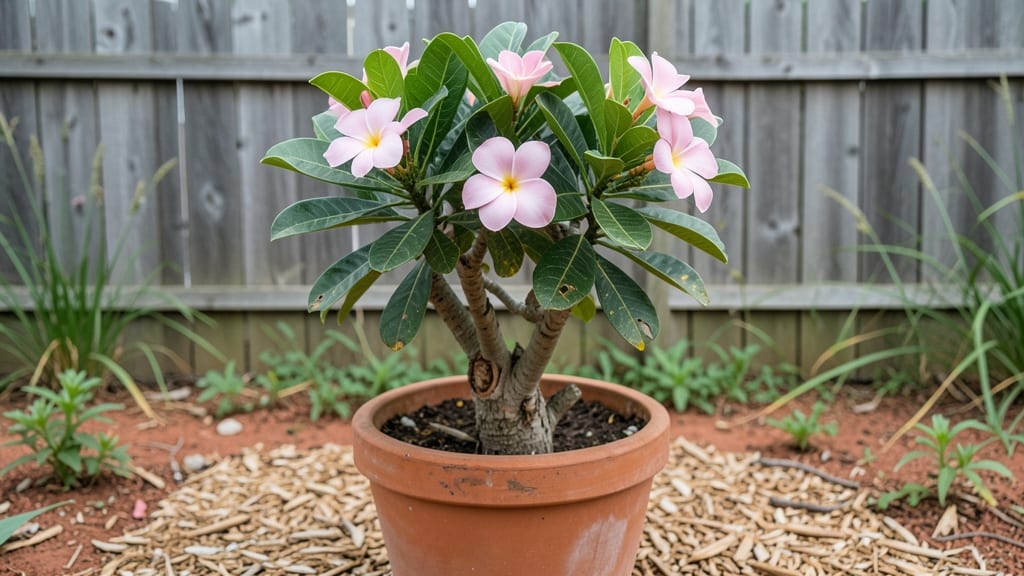
Pink frangipani flowers bring tropical romance to Pacific Northwest gardens—imagine their velvety petals spilling over trellises or cascading in containers. 🌺 I’ve seen them transform even the driest corners into lush, fragrant escapes, and their delicate blush hue pairs perfectly with deep greens and soft blues.
The secret isn’t just their beauty; it’s how they make a garden feel like a secret paradise, even in cooler climates.
These flowers shine in container gardens, where you can move them to sunny spots during summer and protect them from frost. Pair them with bromeliads, orchids, or ferns for a jungle-like vibe, or let them climb a wooden arbor draped with fairy lights for an evening garden glow.
Their intoxicating scent—sweet and citrusy—fills the air, making them the star of any romantic-themed space.
You’ll create a dreamy, fragrant retreat that feels like a vacation, not just a backyard. The key is partial shade in summer and bright light in winter, along with well-draining soil to keep their roots happy.
With the right placement, these flowers will reward you with months of blooms and compliments from neighbors.
Perfect for small patios, courtyard gardens, or even as a centerpiece in large planters. Whether you’re designing a tropical oasis or adding a touch of elegance to your space, pink frangipanis deliver effortless charm. Let’s make your garden smell like paradise.
📚 In This Guide
- What you need
- Instructions
- Tips and common mistakes
- Wrapping up and next steps
What you need
- ● Pink frangipani plants: 1–3 young trees (3–5 ft tall, 1–2 years old) for best establishment in PNW’s cooler climate.
- ● OR 50+ seeds (if starting from scratch—germination can be slow!).
- ● Well-draining soil mix: 1 part native soil + 2 parts coconut coir or perlite (critical for preventing root rot!).
- ● Organic fertilizer: Slow-release, balanced (10-10-10) or citrus-specific blend (frangipani loves a little extra nitrogen!).
- ● Mulch: 2–3 inches of bark chips or pine straw to retain moisture and regulate temperature.
- ● Trowel or small shovel for planting.
- ● Garden gloves (to protect your hands from thorns!).
- ● Watering can or drip irrigation system (frangipani hates soggy roots!).
- ● Pruning shears (for shaping and encouraging blooms).
- ○ Optional but helpful: Heat mat (if starting seeds indoors—frangipani needs warmth to germinate!).
- ● Greenhouse or cold frame (to extend the growing season in cooler zones).
- ● Potting soil (if growing in containers for mobility).
- ● A sunny, sheltered spot (6+ hours of sunlight daily; PNW’s partial shade is fine, but full sun = more blooms!).
- ● Protection from frost (frangipani thrives in USDA Zones 10–11; use containers for mobility or grow in greenhouses in colder areas).
- ● Patience! Frangipani can take 2–3 years to bloom from seed, but cuttings may flower sooner.
Step-by-Step guide to cultivating pink frangipani in cool climates
With the right approach, these tropical beauties thrive even in the Pacific Northwest’s milder seasons.
🌱 Step 1: Select and Acclimate Your Frangipani Plant
Choose a healthy young frangipani plant with vibrant green leaves and no signs of pests. I always opt for pink varieties like 'Maui Pink' or 'Pink Dream'—they’re the most fragrant and cold-tolerant. Before bringing it indoors or into a greenhouse, let it sit in a shaded, sheltered spot for 3-5 days to adjust to indoor conditions gradually.
Real talk: Don’t rush this step. Sudden temperature shifts stress the plant, causing leaf drop. Watch for new growth at branch tips—that’s your sign the plant is happy and adjusting. If leaves yellow or wilt, move it back to its original spot immediately and wait another few days before trying again.
☀️ Step 2: Position for Optimal Light and Temperature
Frangipani craves bright, indirect light—think 6-8 hours of morning sun followed by afternoon shade. A south-facing window works best, but if your space lacks natural light, supplement with a full-spectrum LED grow light positioned 12-18 inches above the plant. Keep temperatures between 65-80°F during the day and no lower than 55°F at night.
Here’s the thing—frangipani won’t bloom if it’s too cold. If your home dips below 55°F, consider a small space heater near the plant (but not too close—3 feet away to avoid drying out the air). You’ll notice buds forming when leaves remain glossy and stems stay firm—that’s your cue everything’s just right.
💧 Step 3: Master the Watering Routine
Water when the top 2 inches of soil feel dry to the touch. Stick your finger in the soil—if it’s damp past your first knuckle, wait another day. I use room-temperature water to avoid shocking the roots, and I always water at the base of the plant, not the leaves, to prevent fungal issues. Allow excess water to drain completely—frangipani hates soggy roots.
Don’t overwater now. Yellowing leaves or drooping stems mean you’re watering too much. If this happens, let the soil dry out completely for 2-3 days before resuming your routine. A well-draining potting mix (like the one you’ll use later) is key—it prevents root rot and keeps the plant thriving.
✂️ Step 4: Prune and Encourage Blooming
Prune after the plant finishes flowering to shape it and encourage new growth. Use clean, sharp pruners to trim back leggy stems by one-third, cutting just above a leaf node. This redirects energy into bushier growth and more blooms. Remove any yellow or damaged leaves immediately—they drain the plant’s resources.
This is the moment that matters: Apply a balanced, water-soluble fertilizer (like a 10-10-10 mix) every 4-6 weeks during spring and summer. You’ll see new leaves emerging within 2 weeks of fertilizing—that’s your signal the plant is responding well. In fall, reduce feeding to once every 8 weeks to let the plant rest.
🪴 Step 5: Overwinter for Next Season’s Blooms
As temperatures drop below 50°F, move your frangipani to a bright, cool indoor space (like a sunroom or greenhouse). Reduce watering to every 10-14 days and stop fertilizing entirely. Prune lightly to remove any dead or weak growth, but avoid heavy cuts—you want to preserve the plant’s energy for spring.
Here’s where it gets fun—watch for buds forming in early spring (around February or March). That’s your green light to increase watering and resume fertilizing. With the right care, your frangipani will reward you with vibrant pink blooms by late spring, filling your space with that intoxicating tropical fragrance.
Tips & tricks for cultivating pink frangipani in cool climates
These practical insights will help you coax vibrant pink blooms from your frangipani even in the Pacific Northwest's cooler climate.
Acclimation Strategy: The 3-5 day gradual transition in Step 1 is non-negotiable for pink varieties like 'Maui Pink'. I've seen firsthand how sudden temperature drops can cause leaf drop within days. Place your plant in a sheltered spot that mimics its original microclimate—think dappled shade under a large tree rather than full sun exposure. This mimics tropical forest conditions where frangipani naturally grow.
Lighting Hacks: For that critical 6-8 hours of morning sun, position your plant near an east-facing window if possible. South-facing windows work too, but watch for afternoon sunburn—draw sheer curtains during peak afternoon heat (1-4pm). LED grow lights positioned 12-18 inches above create consistent light, but remember: frangipani needs this light during their active growth months (spring through fall). In winter, supplement with 12-14 hours of light to maintain health.
Temperature Troubleshooting: The 55°F minimum nighttime temperature is crucial for bud formation. If your home dips below this, create a microclimate by placing the plant on a heat mat (set to low) or near a warm wall. I've used small space heaters with a thermostat set to 60°F, positioned 3 feet away—this prevents leaf scorch while maintaining optimal temperatures. Monitor leaves: glossy, firm stems indicate ideal conditions, while wrinkled leaves signal it's too cold.
Fertilizing Timing: That 4-6 week spring/summer feeding schedule in Step 4 works because it aligns with your plant's natural growth cycle. Use a liquid fertilizer diluted to half-strength for the first application, then gradually increase to full strength. The key is consistency—missing a feeding won't kill your plant, but irregular feeding patterns can lead to sporadic blooming. In fall, reduce to every 8 weeks to let the plant enter dormancy gradually, which actually improves next year's flowering.
Pro Tips for Pink Frangipani Flowers
- These practical insights will help you coax vibrant pink blooms from your frangipani even in the Pacific Northwest's cooler climate.
- Acclimation Strategy: The 3-5 day gradual transition in Step 1 is non-negotiable for pink varieties like 'Maui Pink'.
- Lighting Hacks: For that critical 6-8 hours of morning sun, position your plant near an east-facing window if possible.
Frequently asked questions
Got questions about pink frangipani flowers?
You’re not alone! These stunning tropical blooms are full of surprises—from care tips to seasonal quirks. Here are answers to the most common queries to help you grow (and enjoy!) them like a pro.
How do I keep pink frangipani flowers blooming year-round in the Pacific Northwest?
Pink frangipani (Plumeria spp.) thrives in USDA Zones 10-12, so PNW gardeners must treat them as tender perennials. Overwinter them indoors (60–70°F, bright light) or dig up pots and store in a cool, dry place. Resume outdoor care in spring when temps stay above 50°F. Pro tip: Prune leggy stems in early spring to encourage bushier growth and more blooms!
When is the best time to plant pink frangipani in my region?
Plant after the last frost (late spring to early summer) when soil temps are consistently above 60°F. Avoid transplanting during heatwaves—frangipani hate soggy roots! If growing in containers, start them indoors 8–10 weeks before the last frost for a head start. Bonus: They love well-draining soil—amend native PNW soil with perlite or sand to mimic their tropical roots.
Why aren’t my pink frangipani flowers opening, even though the plant looks healthy?
Frangipani blooms need full sun (6+ hours/day) and warmth to trigger flowering. Common culprits in the PNW:
- Insufficient light: Move to a sunnier spot or supplement with grow lights.
- Cold drafts: Protect from wind/chill (they’re tropical!)
- Overwatering: Let soil dry between waterings—root rot kills blooms fast.
Can I grow pink frangipani from cuttings, and how long does it take to bloom?
Take 4–6” stem cuttings with 2–3 leaf nodes, let them dry/callus for 1–2 hours, then plant in cactus mix. Root in warmth (75–85°F) under humidity (a plastic bag helps!). Blooms typically appear in 1–2 years for mature plants, but cuttings may take 2–3 years to flower. Patience pays off!
What’s a hardy alternative to pink frangipani for cooler PNW climates?
If frangipani’s tropical needs feel overwhelming, try these fragrant, low-maintenance PNW-friendly bloomers:
- Mock Orange (Philadelphus): Creamy-white flowers, thrives in Zones 4–9.
- Daphne (Daphne odora): Sweetly scented pink/purple blooms, Zone 5–8.
- Pacific Dogwood (Cornus nuttallii): Showy pink bracts, native and cold-hardy (Zone 5–8).
Wrapping up and next steps
Pink frangipani flowers bring a touch of tropical paradise to your Pacific Northwest garden, offering fragrance, beauty, and resilience—even in cooler climates. Whether you’re drawn to their romantic charm or their low-maintenance care, these blooms are a stunning addition for any outdoor space.
Ready to transform your garden? Start by choosing healthy plants or seeds, then nurture them with the right soil, sunlight, and watering habits.
🌸 Next step: Sketch a planting plan or mark your garden spots—your fragrant oasis awaits! 🌱