Tools
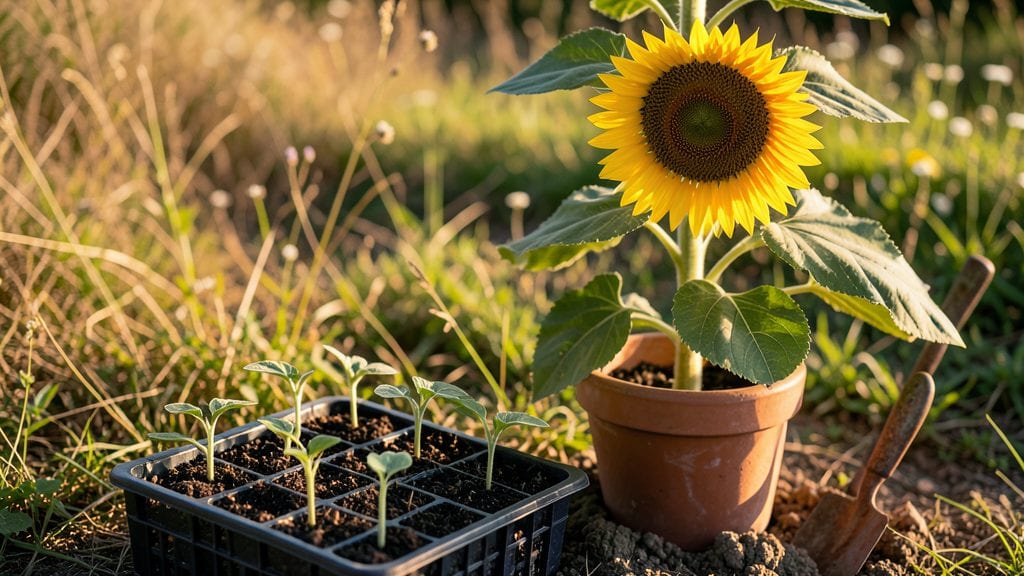
Growing sunflower seeds garden from scratch is one of those gardening triumphs that feels like magic—especially when those first fuzzy leaves break through the soil. I still remember the year my daughter planted a single seed and watched it grow taller than her by summer's end.
There's nothing quite like the joy of watching a sunflower shoot up in just 60 days, turning a patch of dirt into a golden statement piece.
Here's the thing—sunflowers are shockingly easy to grow, even for beginners. You don't need fancy tools or years of experience, just a sunny spot, some loose soil, and a handful of seeds.
The real secret is timing: plant them after your last frost when the soil is warm, and they'll shoot up faster than weeds. Most varieties reach 10 feet tall with minimal effort, making them the perfect way to add height and drama to any garden.
By midsummer, you'll have towering stalks that attract pollinators, provide shade for smaller plants, and give you the satisfaction of growing something truly impressive. The best part?
You can harvest seeds for next year or even use the blooms in arrangements. Let's get those seeds in the ground and watch them grow!
Whether you're growing them for beauty, wildlife, or just the thrill of watching something grow so fast, sunflowers deliver. They're drought-tolerant once established, so they're great for hot climates, and their deep roots improve soil health.
Plus, they're one of the few plants that actually get more beautiful as they mature—no sad wilting here. Ready to plant?
📚 In This Guide
- What you need
- Instructions
- Tips and common mistakes
- Wrapping up and next steps
What you need
- ● Sunflower seeds: Choose a variety suited to your climate (e.g., Mammoth for height or Teddy Bear for compact growth). Aim for 10–20 seeds per plant—plant 3–5 seeds per hole for better germination rates.
- ● Garden soil or potting mix: Well-draining, nutrient-rich soil (or a mix of 60% topsoil, 30% compost, and 10% perlite for containers). Use 1–2 cubic yards for a small backyard plot (e.g., 4’x4’).
- ● Fertilizer: A balanced, 10-10-10 NPK fertilizer or organic options like composted manure. Apply 1–2 tablespoons per plant at planting and again when stalks reach 12 inches.
- ● Watering can or hose with a gentle spray nozzle: Sunflowers need 1–2 inches of water per week, especially during dry spells.
- ○ Stakes or trellis (optional but helpful): Tall varieties (6+ feet) may need 3–4 ft wooden stakes or a lightweight trellis for support.
- ● Garden trowel or hand shovel: For digging holes 1–2 inches deep and spacing seeds 6–12 inches apart (closer for dwarf varieties).
- ● Gloves: Heavy-duty gardening gloves to protect your hands from thorns (especially on larger varieties).
- ● Pruners: For trimming dead leaves or harvesting seeds once blooms fade.
- ● Measuring tape or ruler: To ensure proper spacing—sunflowers need room to grow!
- ● Mulch: Straw or wood chips to retain moisture and suppress weeds.
- ● Row covers or netting: To protect young seedlings from pests like birds or squirrels.
- ● Sunflower seedling trays: If starting indoors, use biodegradable pots or trays with drainage holes.
- ● Plant markers: Label seeds with their variety and planting date to track growth.
Step-by-step instructions for growing sunflowers from seed
Ready to grow sunflowers that reach sky-high? Here’s my straightforward method for planting seeds that’ll mature in just 60 days.
Choose the Right Location and Prepare the Soil
Sunflowers need full sun—at least 6-8 hours daily—so pick a spot where they’ll get plenty of light. I always test the soil first by squeezing a handful: if it crumbles easily, it’s ready. If it stays clumped, mix in a few inches of compost to loosen it up.
Sunflowers thrive in well-draining soil with a pH between 6.0 and 7.5. If your soil is heavy clay, work in 2-3 inches of sand or perlite to improve drainage. The deeper and looser the soil, the stronger the roots will grow, which means taller, sturdier stalks.
Plant Seeds at the Correct Depth and Spacing
Plant seeds 1 inch deep and 6 inches apart in rows spaced 18-24 inches apart. I like to use a small trowel to make a hole just deep enough to cover the seed, then drop in one seed per spot. Planting too deep can delay germination, while planting too shallow may dry out the seed.
For 4 sunflower plants, you’ll need about 12-16 square feet of space. If you’re growing larger varieties like ‘Mammoth’, give them extra room—they’ll need 24 inches between plants to avoid crowding. Water gently after planting to settle the soil around the seeds.
Water and Maintain Moisture Without Overdoing It
Keep the soil consistently moist but never soggy—sunflowers hate wet feet. Water 1-2 inches per week, more if it’s extremely hot or dry. I check moisture by sticking my finger 1 inch into the soil: if it feels dry, it’s time to water. Overwatering can lead to rot or weak stems, so let the top inch dry out between waterings.
Once the seedlings sprout, thin them to the strongest one per spot if you planted multiple seeds. This gives them room to grow without competing for nutrients. Mulch around the base with 2-3 inches of straw or grass clippings to retain moisture and suppress weeds.
Provide Support and Monitor for Pests
As sunflowers grow, their heavy heads can cause stems to bend or snap, especially in windy conditions. If you’re growing taller varieties, consider staking them early—use 3-4 foot bamboo stakes tied loosely to the stalk with soft twine. This prevents damage without restricting growth.
Watch for common pests like aphids or beetles, which can chew on leaves. A strong spray of water usually knocks them off, but if infestations persist, use an organic insecticidal soap. Healthy plants are less susceptible, so keep them well-watered and fertilized with a balanced 10-10-10 fertilizer every 4-6 weeks.
Harvest at Peak Maturity for the Best Blooms
Sunflowers are ready to harvest when the back of the flower head turns yellow and the petals start to droop. Cut the stalk 1-2 inches above the base with clean shears, then hang them upside down in a dry, dark place to dry for 1-2 weeks. This preserves the seeds for planting next year.
For fresh flowers, harvest when the petals are fully open but before they start wilting. The stalks will last 5-7 days in a vase with fresh water. If you want to save seeds for next season, let the flower heads dry completely on the stalk, then rub them gently to release the seeds.
Tips & tricks for perfect sunflower growth
Here’s what I’ve learned after growing sunflowers for years—these little tricks make all the difference between a patchy garden and a towering, thriving display.
The Light Factor: Sunflowers need their 6-8 hours of daily sun—no shortcuts here. If your garden gets partial shade, choose dwarf varieties like ‘Teddy Bear’ that tolerate less light. I’ve seen sunflowers struggle in the afternoon shade, so position them where they’ll catch morning sun first. A south-facing spot is ideal in the Northern Hemisphere.
Soil Prep Secret: Before planting, mix 2-3 inches of compost into the top 6 inches of soil. This looseness is key—sunflower roots need room to spread deep. I like to add a handful of bone meal (optional) for extra phosphorus, which boosts root and flower development. Just avoid fresh manure, which can burn tender roots.
Spacing Strategy: The 6-inch spacing between seeds might seem tight, but it’s perfect for most varieties. For larger types like ‘Mammoth’, stretch that to 24 inches—crowding leads to weak stems that flop under their own weight. I mark rows with sticks or a garden hose to keep spacing consistent.
Watering Wisdom: Stick your finger 1 inch deep—that’s your moisture gauge. Water deeply when dry, but avoid puddles. I’ve ruined plants by overwatering, so always check the soil before adding more. A soaker hose works best, delivering water right at the roots without wetting the leaves.
Pro Tips for Sunflower Seeds Garden
- Here’s what I’ve learned after growing sunflowers for years—these little tricks make all the difference between a patchy garden and a towering, thriving display.
- The Light Factor: Sunflowers need their 6-8 hours of daily sun—no shortcuts here.
- Soil Prep Secret: Before planting, mix 2-3 inches of compost into the top 6 inches of soil.
Frequently asked questions
Got questions about growing your own sunflower seeds garden? You’re not alone! Here are some of the most common queries—plus quick, practical answers to help you cultivate a thriving patch of towering sunflowers.
How long does it take for sunflower seeds to sprout?
Sunflower seeds typically sprout within 7–14 days after planting, depending on soil warmth and moisture. If you’ve planted them correctly (1–2 inches deep, in well-draining soil), check for tiny green shoots emerging from the soil. Pro tip: Keep the soil consistently moist but not soggy during this time!
Can I grow sunflowers from store-bought seeds?
Store-bought sunflower seeds (unsalted, in-shell) are perfect for gardening. Just rinse them thoroughly to remove any seasoning, then soak them in warm water for 4–6 hours to speed up germination. Bonus: This also helps remove any potential contaminants.
What’s the best time to harvest sunflower seeds?
Harvest seeds when the flower heads turn brown and the back of the petals starts yellowing (usually 60–90 days after planting). Cut the heads, hang them upside down in a dry, dark place for 2–4 weeks, then rub the dried heads to release the seeds. Warning: Wait until the seeds are fully dry to avoid mold!
How do I keep birds and squirrels from eating my sunflower seeds?
Birds and squirrels love sunflower seeds, but you can outsmart them! Try these tricks:
- Use bird netting or row covers over young plants.
- Plant seeds deeply (2+ inches) to deter surface pecking.
- Sprinkle hot pepper flakes around the base (harmless but spicy for critters!).
- Harvest seeds quickly once they’re ready!
What if my sunflowers aren’t growing tall or straight?
Sunflowers may lean or grow slowly due to poor sunlight, overcrowding, or weak stems. Fix it by:
- Ensuring they get 6+ hours of direct sun daily.
- Thinning seedlings to 12–18 inches apart for better airflow.
- Staking tall varieties (like ‘Mammoth’) with bamboo stakes if they wobble.
- Fertilizing lightly with balanced 10-10-10 if soil is nutrient-poor.
Can I grow sunflowers in containers or small spaces?
Yes! Sunflowers thrive in 5-gallon containers or larger with drainage holes. Choose dwarf varieties like ‘Teddy Bear’ (3–4 feet tall) or ‘Sunspot’ (2–3 feet) for small gardens. Use a lightweight potting mix and place containers in full sun. Pro tip: Rotate pots weekly for even growth!
Wrapping up and next steps
Growing a sunflower seeds garden is a rewarding journey that transforms tiny seeds into towering, sun-soaked giants in just 60 days! Whether you're a beginner or a seasoned gardener, these vibrant blooms bring joy, beauty, and even delicious snacks to your space.
With the right tools, patience, and a little love, you’ll soon be harvesting seeds or admiring their cheerful faces in your backyard.
Ready to take the next step? Start by picking your favorite sunflower variety and grab those seeds—your garden’s future is just one sprout away! 🌻✨