
Propagation
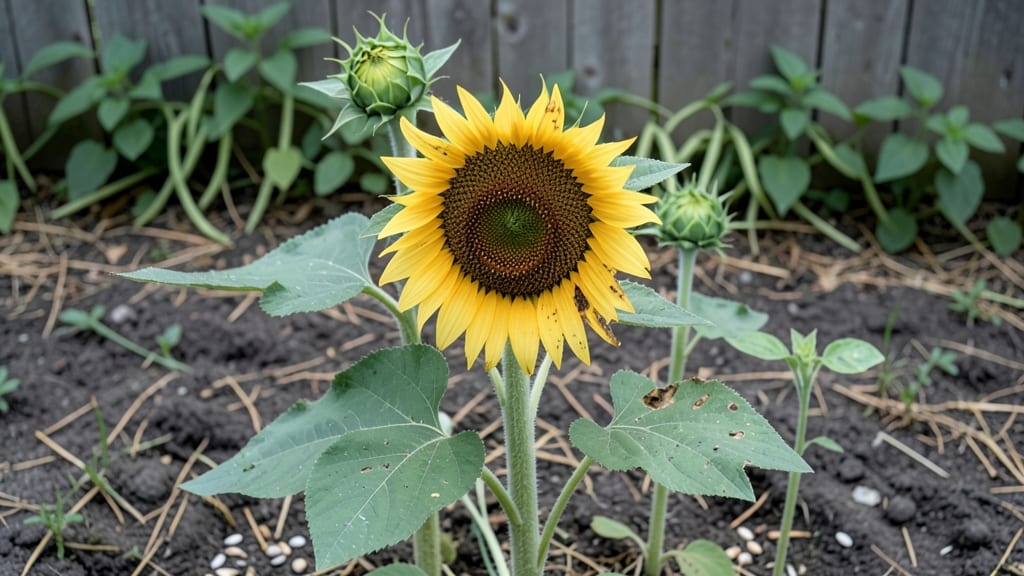
Sunflower seeds life cycle unfolds like nature’s own time-lapse, turning a tiny seed into a 10-foot giant in just 12 weeks. 🌻 I’ve watched this transformation every summer—from the first green shoot pushing through soil to the heavy heads nodding in autumn—and there’s nothing like it.
The magic starts with the right conditions: warm soil, consistent moisture, and full sun from day one.
Germination happens in 5-10 days if temperatures stay above 60°F, but the real spectacle begins when those first true leaves unfurl. Within 3 weeks, you’ll see the iconic sunflower shape forming, and by week 6, the bud swells like a golden balloon.
This is where patience pays off—skipping water or nutrients here means smaller blooms later.
By week 8, the flower opens wide, drawing bees and butterflies like a magnet. Those petals may last only 1-2 weeks, but the real reward comes after: the seed head matures into a snack for birds—or your next crop.
Harvest when the back of the head turns yellow, then dry indoors for future planting.
Every stage reveals sunflowers’ resilience. Drought? They’ll grow slower but still bloom. Shade? They’ll stretch toward the sun. The cycle repeats itself—just save seeds from your best plants next year. Ready to grow your own sunflower story?
📚 In This Guide
- What you need
- Instructions
- Tips and common mistakes
- Wrapping up and next steps
What you need
- ● Sunflower seeds: Choose Helianthus annuus varieties like 'Mammoth' or 'Russian Giant' for dramatic results. Buy 5–10 seeds per plant (or 100+ for multiple plants). Opt for heirloom or organic seeds for best germination.
- ● Seed-starting soil: A sterile, well-draining mix (e.g., Miracle-Gro Seed Starting Potting Mix) in 4–6 inch pots or a seed tray with individual cells.
- ● Containers: For indoor starts: 4–6 inch biodegradable pots (e.g., peat or coconut fiber) or a seed tray with clear dome (to retain humidity).
- ● For direct sowing: A sunny garden bed with loose, fertile soil (or black plastic mulch to warm the soil).
- ● Watering can or spray bottle: A gentle spray nozzle to avoid disturbing seeds.
- ● Grow lights or sunny windowsill: A full-spectrum LED grow light (12–16 hours/day) or a south-facing window (if starting indoors early).
- ● Fertilizer: A balanced, water-soluble fertilizer (e.g., 10-10-10) or compost tea for young seedlings.
- ● Garden twine or stakes: 6–8 foot wooden stakes or bamboo supports (1 per plant) to prevent toppling as they grow.
- ● Seedling heat mat: Keeps soil 70–80°F for faster germination (great for early starts!).
- ● pH test kit: Ensures soil pH is 6.0–7.5 (sunflowers prefer slightly acidic to neutral).
- ● Pruning shears: For harvesting leaves or trimming dead foliage.
- ● Garden gloves: Protects hands from soil and thorns (some varieties have spiny leaves!).
- ● Transplanting tool: A small hand trowel for moving seedlings outdoors.
- ● Sunlight: 6–8+ hours of direct sun daily (indoors or outdoors).
- ● Warmth: Soil should be at least 55°F for planting (wait until last frost has passed).
- ● Space: Mature sunflowers need 12–24 inches of space between plants (check your variety!).
- ● Patience: Germination takes 7–14 days, and full growth spans 80–120 days!
Step-by-Step guide to the sunflower seeds life cycle
Watch your sunflowers transform from tiny seeds to towering giants in just three months.
🌱 Step 1: Germination – The First True Leaves Emerge
Plant sunflower seeds ½ inch deep in well-draining soil when nighttime temperatures stay above 50°F. Seeds need consistent moisture to germinate, so water the soil until it feels damp 1 inch below the surface. Germination typically takes 7-14 days, but keep the soil evenly moist—never soggy. You’ll know it’s working when the first cotyledons (those initial round leaves) push through the soil.
Here’s the thing—sunflower seeds are sensitive to cold soil. If your nights dip below 45°F, germination slows dramatically or stops entirely. Use a seedling heat mat if needed, especially in early spring. Once those first leaves appear, reduce watering slightly. Overwatering now causes seedlings to rot before they get a chance to grow.
🌿 Step 2: Vegetative Growth – The Stem Reaches for the Sky
Within 2-3 weeks of germination, your sunflower will shoot up rapidly, developing its true leaves (the jagged, serrated ones that look nothing like the first cotyledons). This is when you’ll notice the stem elongating dramatically—sometimes 2-3 inches per day. Keep the soil moist but not waterlogged, and ensure the plant gets full sun (6-8 hours daily). Without enough light, stems grow leggy and weak, a sign the plant is stretching desperately toward any available sunlight.
This is also the stage where you’ll want to thin seedlings if you planted multiple seeds per hole. Leave the strongest, straightest stem and snip the others at soil level. You’ll see the remaining plant respond within days by thickening its stem and developing more leaves. If you skip this step, overcrowded plants compete for nutrients, resulting in shorter, less robust blooms.
☀️ Step 3: Bud Formation – The Flower Head Takes Shape
Around 5-6 weeks after germination, you’ll spot a green, fuzzy bump forming at the top of the stem—this is the flower bud. The plant is now shifting energy from leaf production to bloom development. Water deeply once a week (or more in extreme heat) to encourage strong root growth, which supports the heavy flower head. You’ll notice the bud firm up and turn yellow-green as it matures.
Here’s where it gets exciting: the bud will eventually split open to reveal the disk flowers at its center. This happens when the plant senses longer daylight hours (typically late spring to early summer). If your sunflower is in a container, ensure the pot is at least 12 inches deep—shallow roots can’t support the weight of a mature bloom. You’ll know it’s ready to open fully when the petals start unfurling like a golden fan.
⏰ Step 4: Bloom and Seed Development – The Life Cycle Completes
Once the flower opens, it lasts only 1-2 days before the petals drop, but the disk flowers in the center remain active for seed production. Pollinators like bees and butterflies visit to transfer pollen, which fertilizes the flowers. Within 2-3 weeks, the disk turns from yellow to brown as seeds develop. The flower head will eventually dry out and split open, revealing plump, mature seeds ready for harvest.
Don’t let the seeds dry on the plant too long—they’ll scatter and sprout where they fall. Harvest when the back of the flower head turns tan or brown and the seeds rattle inside. Cut the head, hang it upside down in a dry, dark place for 2 weeks, then rub the seeds free. Store them in a cool, dry spot for next year’s planting. You’ve just completed the full sunflower life cycle in just 12 weeks—from sprout to seed!
Tips & tricks for perfect sunflower growth
Watch your sunflowers thrive with these insider tips that'll help you avoid common pitfalls and maximize your golden blooms.
The Soil Temperature Secret: While the instructions mention planting when nighttime temps stay above 50°F, I've found that soil temperature is even more critical. Use a soil thermometer to confirm it's at least 60°F—cold soil below this can stall germination even if nighttime air temps are fine. For early spring planting, consider using a seedling heat mat to maintain consistent warmth at the root level.
Lighting Strategy for Rapid Growth: In Step 2, when your sunflower is shooting up those first true leaves, you might notice it leaning toward the sunlight. This is called etiolation, and it happens when plants stretch desperately for light. To prevent this, rotate your container-grown plants 180 degrees every few days, or move them to different windowsills if indoors. For garden plants, ensure they're positioned where they'll get those critical 6-8 hours of direct sunlight without being shaded by taller plants.
Thinning Technique That Makes a Difference: When thinning seedlings in Step 2, don't just grab any stem—look for the one that's growing straight and has the most vibrant leaves. The plant you leave behind will respond dramatically within days by developing a thicker stem and more leaves. I've seen plants that were struggling immediately perk up after thinning, with new growth appearing within just 48 hours. This is your plant's way of saying "thank you" for giving it more space to thrive.
Bud Development Watch: Around the 5-6 week mark in Step 3, you'll spot that green fuzzy bump forming—the flower bud. This is when your plant is shifting its energy from leaves to bloom production. Here's what I watch for: the bud should firm up and turn yellow-green, but if it stays soft and green, your plant might need more phosphorus-rich fertilizer. A simple 10-10-10 fertilizer at this stage can give your sunflower the boost it needs to develop a strong, healthy bloom.
Pro Tips for Sunflower Seeds Life Cycle
- Watch your sunflowers thrive with these insider tips that'll help you avoid common pitfalls and maximize your golden blooms.
- The Soil Temperature Secret: While the instructions mention planting when nighttime temps stay above 50°F, I've found that soil temperature is even more critical.
- Lighting Strategy for Rapid Growth: In Step 2, when your sunflower is shooting up those first true leaves, you might notice it leaning toward the sunlight.
Frequently asked questions
Got questions about growing sunflowers from seeds? We’ve got answers! Here are some of the most common queries—plus quick tips to help you nurture those towering blooms like a pro.
How long does it take for sunflower seeds to sprout?
Most sunflower seeds sprout within 7–14 days after planting, depending on soil warmth and moisture. If your seeds haven’t sprouted in 2 weeks, gently check for mold or rot—if needed, replant fresh seeds. Pro tip: Keep soil consistently moist (not soggy) and maintain temps above 60°F (15°C) for faster germination.
Can sunflower seeds grow indoors?
Yes! Sunflowers can thrive indoors near a sunny south-facing window or under grow lights (12–16 hours/day). Use a large pot (5+ gallons) with well-draining soil, and rotate the plant weekly for even growth. Dwarf varieties like ‘Teddy Bear’ are ideal for containers. Watch out: Tall varieties may need staking or support as they grow!
When is the best time to plant sunflower seeds outdoors?
The ideal time is after the last frost when soil is at least 55°F (13°C). For most U.S. climates, this means late spring (April–June). If you’re in a warm region, you can plant as early as February! Fun fact: Sunflowers love warmth—planting too early can slow germination.
Why aren’t my sunflower seeds germinating?
Common culprits include cold soil, overwatering (which causes rot), or old/damaged seeds. Try these fixes:
- Test soil temp with a thermometer (aim for 60°F+).
- Plant seeds 1 inch deep in loose, well-draining soil.
- Soak seeds overnight in water before planting if they’re dry.
- Use fresh seeds (store-bought or saved from healthy plants).
How do I save sunflower seeds for next year?
Let the backmost flowers (furthest from the sun) dry on the stem until the seed heads turn brown and brittle. Cut them off, dry in a warm, dry place for 1–2 weeks, then rub the heads to release seeds. Store them in a cool, dark, dry spot (like a jar in the fridge) for up to 2 years. Pro tip: Remove any black or shriveled seeds—they won’t sprout!
Wrapping up and next steps
From a tiny seed to a towering sunflower, the 12-week journey is nothing short of magical! 🌱 Whether you’re growing them for beauty, sustainability, or even a snack, understanding this cycle empowers you to nurture life with confidence.
Now that you’re armed with knowledge, why not plant a few seeds this season? Start small—even a windowsill garden can spark joy and teach patience. Happy growing! 🌻