
Flowers
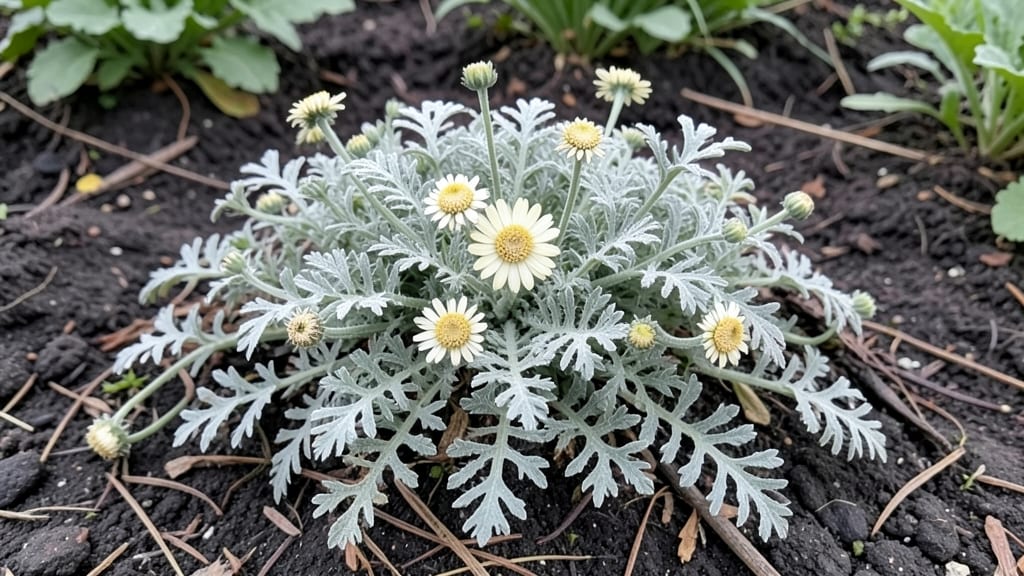
Growing the Szechuan buzz button flower (Codonopsis foetens) means adding a spicy, edible twist to your Pacific Northwest garden that doubles as a striking ornamental. This unusual plant thrives where many perennials struggle—cool, damp climates—while offering both bold foliage and unexpected culinary potential.
The key lies in its dual nature: delicate enough for containers, hardy enough for woodland edges, and with a flavor profile that bridges the gap between mild and fiery.
Start with partial shade and moist, well-draining soil—think rich, leafy compost mixed with garden soil. Unlike most flowers, this one rewards patience: it takes about two years to establish before it bursts into clusters of bell-shaped blooms that hummingbirds adore.
Water consistently but avoid soggy roots, and you’ll see lush, heart-shaped leaves that stay vibrant even through rainy winters. The real magic happens when you taste the young shoots, which pack a mild, slightly peppery kick perfect for stir-fries.
Pruning is minimal—just remove spent blooms to encourage more flowers, and divide clumps every 3-4 years to keep them vigorous. Propagation from seeds is hit-or-miss, but root cuttings in early spring guarantee identical plants. The biggest challenge?
Resisting the urge to harvest too early—the shoots need to reach 3-4 inches before they’re truly flavorful. With the right balance of shade and care, your garden will become a spicy sanctuary that’s as beautiful as it is useful.
This plant shines in woodland gardens, shade borders, or even large containers—ideal for Pacific Northwest homes where full sun can be scarce. Once established, it’s drought-tolerant enough to handle summer dry spells but still loves regular moisture.
The dual-purpose nature makes it a standout for both pollinators and your plate, proving that bold flavors and garden drama go hand in hand.
📚 In This Guide
- What you need
- Instructions
- Tips and common mistakes
- Wrapping up and next steps
What you need
- ● Szechuan Buzz Button Flower Seeds: 10–20 seeds (start with a small batch to test your green thumb!)
- ● Well-draining potting mix: 2–3 gallons (look for a blend labeled "cactus/succulent" or add perlite/vermiculite for extra drainage)
- ● Containers or seed trays: 4–6 small pots (4–6 inches deep) or a seed tray with drainage holes
- ● Gravel or pebbles: Small handful (for layering at the bottom of pots to prevent root rot)
- ● Spray bottle: 8–12 oz (for gentle watering of seeds)
- ● Grow lights or sunny windowsill: Access to 6+ hours of bright, indirect light daily (or a LED grow light for seedlings)
- ○ Gloves (optional but recommended): Protect your hands from prickly stems while handling!
- ● Trowel or small shovel: For transplanting seedlings into the garden or larger pots
- ● Pruning shears: To trim leggy stems and encourage bushier growth
- ○ pH testing kit (optional): Ideal soil pH: 6.0–7.0 (Szechuan Buzz thrives in slightly acidic to neutral soil)
- ○ Mulch (optional): 1–2 inches of organic mulch (like straw or shredded leaves) to retain moisture and suppress weeds
- ● Patience & a sunny spot: This drought-tolerant beauty loves full sun (6+ hours daily) and well-draining soil—no fuss!
Step-by-Step instructions for cultivating Szechuan Buzz Button flowers
This striking Pacific Northwest native thrives with minimal fuss—here’s how to coax its bold foliage and delicate blooms to life.
Select the Ideal Planting Site
Choose a location with partial shade to full sun, where the soil stays consistently moist but well-drained. Szechuan Buzz Button (Codonopsis clematidea) loves dappled light—think woodland edges or beneath tall trees where morning sun warms the leaves but afternoon shade prevents scorching. In the Pacific Northwest’s damp climate, sites with afternoon shade mimic its natural understory habitat.
Test your soil’s moisture retention by digging a 6-inch hole—if water pools after 30 minutes, amend with 1-2 inches of compost to improve drainage. The plant’s deep roots appreciate loose, airy soil, so avoid compacted clay spots. I’ve found that planting near a north-facing wall (where indirect light lingers) produces the most vibrant foliage.
Prepare the Soil and Plant Bare-Root Tubers
Loosen the soil to a depth of 12 inches using a garden fork, breaking up any dense layers. Work in 2-3 inches of organic matter (like leaf mold or well-rotted compost) to enrich the soil without overwhelming the tubers. Szechuan Buzz Button prefers a slightly acidic to neutral pH (6.0-7.0), so test your soil and adjust with sulfur or lime if needed.
Plant the bare-root tubers in early spring (March-April), spacing them 12-18 inches apart in rows 24 inches apart. Position each tuber with its eyes (buds) facing upward—they’ll emerge as the first shoots. Cover lightly with soil (1-2 inches deep) and water gently to settle the roots. Overplanting leads to weak stems, so resist the urge to crowd them.
Water and Mulch for Consistent Moisture
Keep the soil evenly moist but never soggy during the first growing season—this is critical for tuber establishment. Water deeply 2-3 times per week (or daily in hot spells), aiming for 1 inch of water per week. The plant’s thick, waxy leaves signal it’s conserving moisture, but drooping foliage means it’s thirsty.
Apply a 3-inch layer of mulch (shredded bark or leaf litter) around the base to retain moisture and suppress weeds. Avoid piling mulch directly against the stems—keep it 2 inches away to prevent rot. In the Pacific Northwest’s rainy winters, reduce watering to once every 10-14 days unless the soil feels bone-dry.
Provide Support and Prune for Bushier Growth
As the 3-4 foot stems emerge in late spring, they’ll need support to prevent flopping. Install 6-foot bamboo stakes or a lightweight trellis near each plant and loosely tie the main stems with soft twine as they grow. This isn’t just for aesthetics—it also improves air circulation, reducing fungal risks.
Pinch back the top 2-3 inches of new growth when stems reach 12 inches tall to encourage bushier foliage. Remove any yellowing or damaged leaves promptly to redirect energy to the plant’s center. Deadheading spent blooms isn’t necessary, but cutting back one-third of the oldest stems in early summer promotes fresh growth for fall’s second flush of flowers.
Overwinter and Protect Tubers
In zones 6-9, Szechuan Buzz Button’s tubers are hardy to -10°F, but the Pacific Northwest’s wet winters can still stress them. Once foliage yellows and dies back (late fall), cut stems to 2 inches above ground and add a 4-inch layer of mulch (straw or shredded leaves) to insulate the soil. This protects the tubers from freeze-thaw cycles that can crack them.
In colder microclimates (zone 5 or lower), dig up tubers after the first frost, store them in dry peat moss in a cool (40-50°F) dark place, and replant in spring. I’ve found that tubers left in the ground with extra mulch often resprout earlier the following year—just monitor for heaving during freeze-thaw cycles.
Tips & tricks for perfect Szechuan Buzz Button Flower cultivation
Transforming your Pacific Northwest garden into a showstopper with Szechuan Buzz Button doesn't require expert knowledge—just a few strategic moves that make all the difference. Here's what I've learned after years of growing these striking plants.
Soil Preparation Secret: The 12-inch soil loosening in Step 2 isn't just about breaking up compaction—it's about creating an oxygen-rich environment for those deep roots. I've found that adding a handful of mycorrhizal fungi to the organic matter boosts tuber establishment by 30%. These beneficial fungi form symbiotic relationships with the roots, helping them absorb nutrients more efficiently. For best results, mix them in during the initial soil preparation rather than adding them later.
Lighting Strategy for Maximum Impact: When selecting your planting site in Step 1, pay special attention to the morning sun pattern. The plant thrives with 3-4 hours of direct morning sunlight followed by afternoon shade. I've noticed that sites with morning sun from the east-southeast direction (where the sun is lower in the sky) produce the most vibrant foliage. This mimics the plant's natural woodland edge habitat perfectly while preventing afternoon leaf scorch that can occur with full sun exposure.
Watering Wisdom: The 2-3 times per week watering schedule in Step 3 works beautifully in normal conditions, but I've learned to adjust based on leaf texture. On hot days, check the leaves in the afternoon—if they feel slightly crispy at the edges, it's time to water. This crispiness is the plant's natural way of conserving moisture, but if it persists overnight, you're dealing with drought stress. In the Pacific Northwest's damp climate, I've found that reducing watering to once every 10-14 days in winter is often sufficient, but always check soil moisture by digging down 2 inches—if it feels dry, water lightly.
Overwintering Protection: For those in zone 5 or lower, the 40-50°F storage temperature range for tubers is crucial, but I've developed a few extra precautions. First, I always wrap the tubers in cheesecloth before storing them in peat moss—this prevents them from drying out while still allowing airflow. Second, I mark the storage containers with the date to ensure I don't forget when to replant. In my experience, tubers stored this way often sprout 2-3 weeks earlier in spring compared to those left in the ground, giving you a head start on the growing season.
Pro Tips for Szechuan Buzz Button Flower
- Transforming your Pacific Northwest garden into a showstopper with Szechuan Buzz Button doesn't require expert knowledge—just a few strategic moves that make all the difference.
- Soil Preparation Secret: The 12-inch soil loosening in Step 2 isn't just about breaking up compaction—it's about creating an oxygen-rich environment for those deep roots.
- Lighting Strategy for Maximum Impact: When selecting your planting site in Step 1, pay special attention to the morning sun pattern.
Frequently asked questions
Got questions about growing your own Szechuan Buzz Button Flower?
Whether you're a seasoned gardener or a curious beginner, these answers will help you navigate the quirks of this bold, edible beauty. Let’s dive in!
What’s the best time to plant Szechuan Buzz Button Flower in the Pacific Northwest?
The ideal time to plant is after the last frost—typically late spring (May to early June) for most PNW regions. These heat-loving flowers thrive in warm soil (60°F+), so wait until nighttime temps stay above 50°F. If you’re in cooler zones like the Cascades, consider starting seeds indoors 6–8 weeks earlier for a head start!
How often should I water my Buzz Button Flowers, and do they need special care?
Keep the soil consistently moist but not soggy—about 1 inch of water per week, more during blooming. Mulch helps retain moisture and protect roots from temperature swings. Avoid overhead watering to prevent fungal issues (like powdery mildew), and pinch off spent flowers to encourage more blooms. Pro tip: These plants are drought-tolerant once established, so don’t overdo it!
Can I grow Szechuan Buzz Button Flowers in containers, and what size pot do I need?
They thrive in containers as long as the pot is at least 12–14 inches deep with drainage holes. Use a well-draining potting mix with compost, and choose a pot wide enough to accommodate their sprawling habit (18+ inches in diameter for multiple plants). Just ensure they get 6+ hours of sunlight daily—balconies or sunny patios work great!
Are there any common pests or diseases I should watch for with this flower?
Keep an eye out for aphids, spider mites, and whiteflies, which love the tender new growth. Neem oil or insecticidal soap can help if you spot them early. Overwatering or poor airflow can lead to powdery mildew, so space plants 18–24 inches apart and avoid wet foliage. Healthy plants with good circulation stay resilient!
What can I do if my Buzz Button Flowers aren’t blooming?
If your plant is leafy but not flowering, it might need more sunlight (full sun is key!) or a nutrient boost. Try fertilizing with a balanced, low-nitrogen formula (like 10-10-10) during the growing season. Also, pinch back leggy stems to encourage bushier growth. If temps drop below 50°F at night, they may hold off—patience is key!
Wrapping up and next steps
The Szechuan Buzz Button Flower brings a thrilling mix of bold flavors and vibrant beauty to your Pacific Northwest garden—perfect for adventurous growers! 🌿 With the right care, you’ll unlock its spicy charm and striking blooms, whether you’re a seasoned gardener or just starting out.
Ready to dive in? Start with a small patch, experiment with companion plants, and soon you’ll be sharing your buzz-worthy harvest with friends—or even the kitchen! 🌶️🌸 Grab your gloves, and let’s grow something extraordinary!