
Flowers
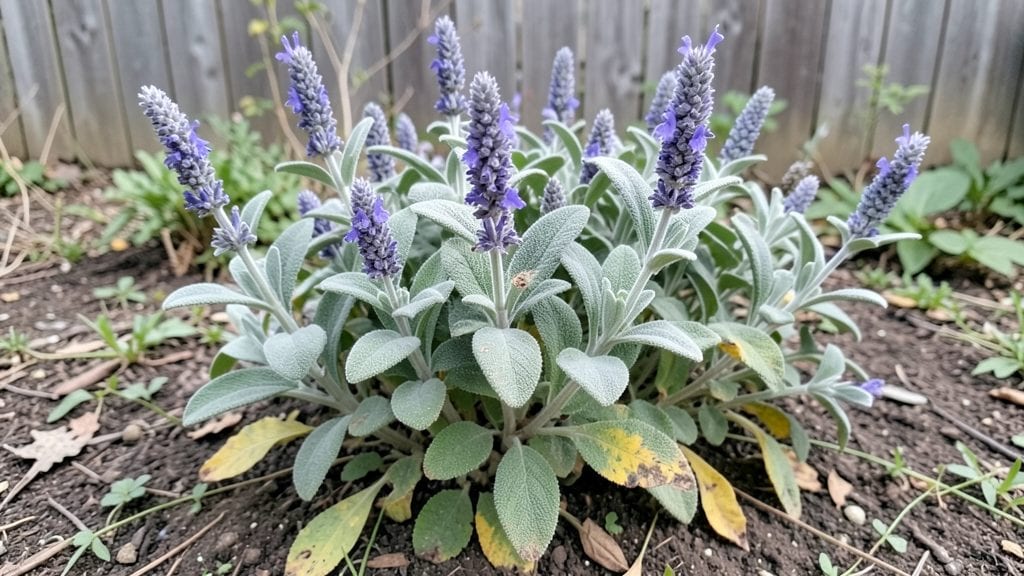
The Texas sage flower transforms your yard into a purple paradise with minimal effort. 🌿 I’ve watched mine burst into fragrant blooms after years of drought—no fuss, just stunning color. This drought-resistant shrub thrives where other plants wilt, making it perfect for hot, dry climates like Texas.
Sunlight, soil, and water are the only requirements—and Texas sage is shockingly forgiving. Plant it in full sun with well-draining soil, then water deeply but infrequently. Once established, it needs almost no maintenance, yet rewards you with vibrant blooms after rain or heatwaves.
Pruning after flowering keeps it compact and encourages next year’s blooms. The silvery foliage adds texture year-round, while the purple flowers attract pollinators. Perfect for borders, containers, or as a low-water landscape star.
Even in winter, Texas sage stays green and resilient, proving it’s as tough as it is beautiful. Let’s get yours growing strong—your garden will thank you.
📚 In This Guide
- What you need
- Instructions
- Tips and common mistakes
- Wrapping up and next steps
What you need
- ● Texas Sage (Leucophyllum frutesii) seeds or nursery-grown plants – 1-3 plants (or seeds) per container or garden bed.
- ● Well-draining potting mix or garden soil – 5-10 gallons per plant (amend with perlite or sand for sandy soils).
- ○ Containers (optional for potted plants) – 12-18" diameter pots with drainage holes (if not planting in-ground).
- ● Sunlight access – Full sun (6+ hours daily) is a must!
- ● Watering can or hose with a gentle spray nozzle – For deep but infrequent watering.
- ● Garden trowel or shovel – For transplanting or digging holes (12-18" deep).
- ● Pruning shears – To shape plants after flowering or remove dead growth.
- ● Organic mulch (e.g., gravel or wood chips) – Helps retain moisture and deter weeds.
- ● Slow-release fertilizer (balanced 10-10-10 or low-phosphorus) – Apply sparingly in early spring.
- ○ Drip irrigation system (optional) – For automated, drought-friendly watering.
Step-by-step instructions for planting and cultivating Texas sage
Here's how to establish this drought-resistant beauty with minimal fuss.
🌱 Step 1: Select the Perfect Planting Site
Texas sage thrives in full sun—choose a location that receives at least 6-8 hours of direct sunlight daily. The soil should drain exceptionally well, as soggy roots invite rot. I always test drainage by digging a hole, filling it with water, and watching how quickly it drains—if it takes more than an hour, amend with coarse sand or gravel.
This plant tolerates poor soil but grows most vibrantly in slightly alkaline conditions (pH 6.0-8.0). If your soil is acidic, work in crushed limestone to adjust the pH. The key is avoiding heavy clay—Texas sage's native habitat is rocky, well-drained terrain.
🪴 Step 2: Plant at the Right Time and Depth
Spring or early fall are ideal planting windows. Dig a hole twice as wide as the root ball but only as deep—planting too deeply suffocates the crown. Gently remove the plant from its container and loosen any circling roots with your fingers. This encourages outward growth rather than root binding.
Place the plant in the hole so the top of the root ball sits even with soil level. Backfill with native soil, pressing lightly to eliminate air pockets. Water deeply immediately after planting to settle the soil and eliminate gaps. You'll see the soil settle about an inch—this is normal and expected.
☀️ Step 3: Establish Proper Watering and Mulching
Texas sage despises soggy roots, so water deeply but infrequently—aim for 1 inch per week during establishment (first year). Let the top 2-3 inches of soil dry completely between waterings. Overwatering is the fastest way to kill this drought-tolerant plant. I use a moisture meter to check—once it reads dry at 2 inches, it's time to water again.
Apply 2-3 inches of mulch around the base, keeping it 3-4 inches away from the stem to prevent rot. Use gravel or coarse bark—organic mulches like wood chips can smother the plant. This mulch layer conserves moisture while protecting roots from extreme temperature swings.
✂️ Step 4: Prune for Shape and Encourage Blooms
Prune immediately after flowering to maintain shape and promote next year's blooms. Use clean, sharp pruners to cut back one-third of the plant's height in early spring. This encourages bushier growth and prevents legginess. Always cut just above a leaf node—never leave stubs, as they invite disease.
Remove any dead, diseased, or crossing branches throughout the growing season. The goal is to create an open, airy structure that allows sunlight to penetrate to the center. You'll see new growth emerge within 2-3 weeks of proper pruning—this is your signal that the plant is responding well.
⏰ Step 5: Winter Care for Cold-Hardy Resilience
Texas sage handles winter surprisingly well, but young plants benefit from protection. Once temperatures dip below 10°F, mound 4-6 inches of mulch around the base. This insulates roots while allowing the plant to experience natural cold hardening. Avoid covering the foliage—this traps moisture and causes rot.
In late winter, before new growth appears, give the plant a light trim to remove any winter damage. You'll know it's time when you see fresh green buds at the tips of stems. This is the plant's natural signal to wake up from dormancy—don't prune until you see these signs.
Tips & tricks for perfect Texas sage flower cultivation
These practical insights will help you coax the most vibrant blooms and robust growth from your Texas sage—without the common pitfalls that frustrate even experienced gardeners.
Sunlight Strategy: While the instructions call for 6-8 hours of full sun, I've found that morning sun with afternoon shade in hot climates can actually preserve more moisture in the soil during the critical establishment phase. If you're in a region with intense afternoon sun, consider planting near a western wall for that gentle afternoon light. The key is avoiding the harsh midday rays that can scorch tender new growth during those first few weeks after planting.
Soil Test Tip: Before amending your soil, grab a simple soil test kit from your local garden center—it's only $10 and will tell you exactly what your pH is. I've seen gardeners guess wrong and end up with either overly acidic or alkaline soil, both of which can stunt growth. Aim for that slightly alkaline range (6.0-8.0) by adding crushed limestone if needed, but don't overdo it—you can't reverse pH adjustments quickly once made.
Watering Wisdom: The 1-inch-per-week guideline works for most climates, but I've learned to adjust based on rainfall. If you get 0.5 inches of rain in a week, you can skip your scheduled watering entirely. The top 2-3 inches dry test is more reliable than calendar-based watering—stick your finger in the soil. If it feels completely dry at that depth, that's your cue. For container-grown Texas sage, check the soil daily during hot spells as containers dry out much faster than in-ground plantings.
Pruning Precision: When cutting back one-third of the plant's height in early spring, I always make my cuts at a 45-degree angle just above a leaf node. This angled cut creates more surface area for new growth while preventing water from pooling on the cut. And here's a pro move: after pruning, give the plant a light feeding with a balanced fertilizer (10-10-10) to support that new growth you're encouraging—you'll see those fresh green buds within those 2-3 weeks mentioned in the instructions.
Pro Tips for Texas Sage Flower
- These practical insights will help you coax the most vibrant blooms and robust growth from your Texas sage—without the common pitfalls that frustrate even experienced gardeners.
- If you're in a region with intense afternoon sun, consider planting near a western wall for that gentle afternoon light.
- Soil Test Tip: Before amending your soil, grab a simple soil test kit from your local garden center—it's only $10 and will tell you exactly what your pH is.
Frequently asked questions
When is the best time to plant Texas Sage Flower in Texas?
Plant Salvia greggii in early spring or fall—after the last frost (around March in most of Texas) or at least 6 weeks before the first frost (October). This gives roots time to establish before summer heat or winter cold. Avoid planting in peak summer; the intense sun can stress young plants.
How cold-hardy is Texas Sage Flower, and how do I protect it in winter?
Texas Sage is USDA Zone 7-11 hardy, but young plants or severe freezes (<15°F) may need help. Mulch heavily with shredded bark or straw (3–4 inches), and cover with frost cloth if temps drop below 20°F. Established plants usually bounce back with minimal damage.
How often should I water Texas Sage Flower, and do I need to fertilize it?
Water deeply but infrequently—about once a week in summer (more in extreme heat) and monthly in winter. Overwatering causes root rot! Fertilize lightly in spring with a balanced 10-10-10 or low-nitrogen formula (like 5-10-10) to encourage blooms, not foliage.
Why isn’t my Texas Sage Flower blooming, and how can I fix it?
Lack of blooms often stems from too much nitrogen (focus on growth, not flowers) or over-pruning. Deadhead spent blooms to encourage new flowers, and trim lightly in late winter to shape—never cut into old wood. Ensure it gets 6+ hours of sun and well-draining soil.
Can I grow Texas Sage Flower in containers, and what’s the best soil mix?
Use a large container (12+ inches wide) with fast-draining soil—mix cactus/succulent mix with perlite or pumice (50/50 ratio). Add a slow-release fertilizer at planting time. Containers dry out faster, so check soil moisture daily in summer.
Are Texas Sage Flowers deer-resistant, and do they attract pollinators?
Yes! Deer rarely bother Texas Sage due to its strong scent and fuzzy leaves. Plus, it’s a pollinator magnet—bees, hummingbirds, and butterflies love its nectar-rich blooms. Plant it near patios or gardens to enjoy the buzzing activity!
Wrapping up and next steps
The Texas sage flower is a stunning, low-maintenance perennial that brings fragrant purple blooms and resilience to any garden. Whether you’re drawn to its drought tolerance, wildlife benefits, or easy-care nature, this plant is a fantastic addition for both beginners and seasoned gardeners. 🌿
Ready to transform your outdoor space? Start by selecting the perfect spot, gathering your supplies, and following the steps outlined above. With a little patience and care, you’ll soon be rewarded with a vibrant, aromatic landscape that thrives year after year!