
Flowers
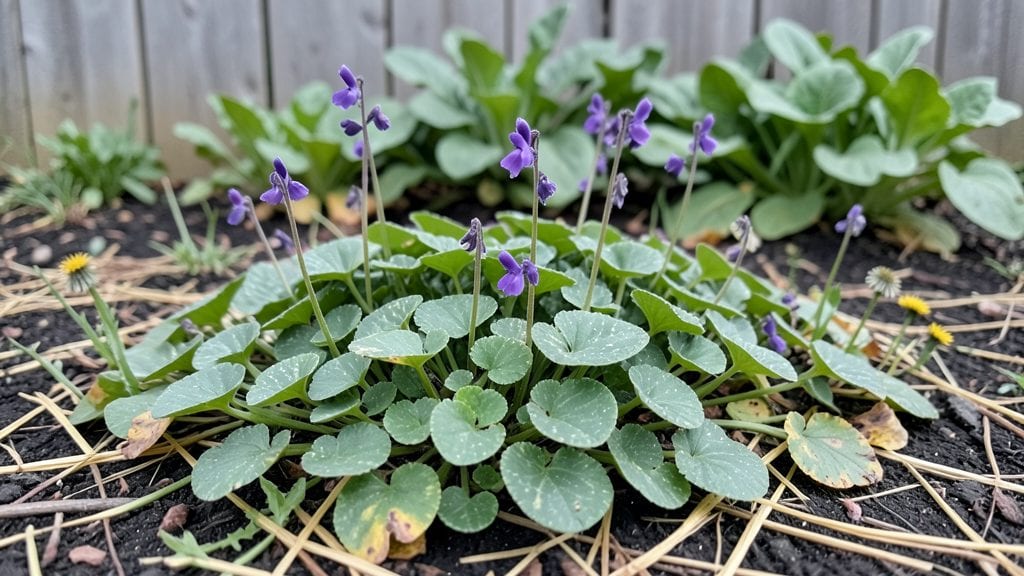
Those weeds with purple flowers creeping through your shade garden—creeping Charlie—aren’t just stubborn; they’re a natural vine killer that outcompetes your prized plants. 🌿 I’ve wrestled with them for years, and the purple-blooming ones?
They're especially aggressive, smothering hostas and ferns before you even notice. The good news? There are organic ways to stop them without resorting to harsh chemicals that might harm your shade-loving perennials.
First, confirm it's actually creeping charlie (not wild ginger or purple deadnettle) by checking the square stems and minty scent when crushed. Once identified, your best tools are corn gluten meal (pre-emergent), vinegar-based sprays (for existing growth), and dense mulch to block sunlight.
I've used a mix of these methods in my own shade garden, and after two seasons, the purple invaders finally retreated—without harming my ferns or hostas.
You'll see results within 4-6 weeks of consistent treatment, with fewer new shoots appearing and existing vines slowly dying back. The key is persistence: one round of treatment won't erase years of growth, but each application weakens the roots.
For stubborn patches, repeat every 2-3 weeks until the area stays clear for a full growing season.
If you're dealing with a large infestation, consider sheet mulching—layering cardboard, newspaper, and compost to smother the vine while building soil. It's slower but chemical-free and works beautifully in shade gardens where other methods might struggle.
The trade-off? You'll need to wait 6-12 months for full suppression, but the long-term payoff is healthier, weed-free perennials.
📚 In This Guide
- What you need
- Instructions
- Tips and common mistakes
- Wrapping up and next steps
What you need
- ● Gloves (heavy-duty) – 1 pair (to protect your hands from sap and rough foliage).
- ● Garden shears or pruners – 1 pair (sharp, clean, and disinfected to avoid spreading weeds).
- ● Hand trowel or garden fork – 1 (for digging out roots).
- ● Trash bags or compost bin – 2-3 large bags (for debris removal).
- ● Natural vine killer or herbicide – 1 bottle (vinegar-based or salt-free, like Boiling Water + Dish Soap or Corn Gluten Meal).
- ● Watering can or hose – 1 (for applying treatments).
- ○ Mulch (optional but helpful) – Straw, wood chips, or cardboard (to smother regrowth).
- ● Kneeling pad – 1 (for comfort during long sessions).
- ● Spray bottle – 1 (for targeted herbicide application).
- ● Sun hat or wide-brimmed hat – 1 (if working in full sun).
- ● Garden kneeler – 1 (to save your knees!).
- ● Labeling tags – 5-10 (if replanting with non-invasive species).
Step-by-Step guide to eliminating creeping Charlie in shady areas
Here's the natural approach I've used to reclaim shady spots without harsh chemicals.
🌱 Step 1: Identify and Prepare the Infested Area
Creeping Charlie thrives in moist, shaded conditions, so start by examining the entire area where you've spotted the purple-flowering vines. Look for the characteristic scalloped leaves and runners spreading across the ground—these are your targets. Clear away any visible debris or mulch, as these can harbor the plant and its seeds.
Use a garden knife or trowel to gently loosen the soil surface in the infested zone. This helps expose hidden runners and makes subsequent treatments more effective. Work in a systematic pattern, moving outward from the center of the worst concentration. You'll notice the runners often form dense mats just beneath the soil surface—this is where you'll need to focus your efforts.
💧 Step 2: Apply a Natural Vine Killer Solution
For a chemical-free approach, I recommend a vinegar-based solution (3 parts white vinegar, 1 part dish soap, and a few drops of horticultural oil). Mix this in a spray bottle and apply it directly to the leaves and stems of the Creeping Charlie, avoiding desirable plants. The acetic acid in vinegar desiccates the foliage while the soap helps it cling to the waxy surfaces.
Apply the solution on a dry, sunny day—even in shade, the heat will help the vinegar work faster. You'll see the leaves start to curl and brown within hours. Reapply every 3-5 days until all visible growth has been killed. This method works best when the soil is dry, as moisture can dilute the solution's effectiveness.
✂️ Step 3: Physically Remove the Roots and Runners
Once the foliage has died back, use a hand weeder or garden fork to dig out the roots and runners. Creeping Charlie spreads via underground rhizomes, so you'll need to get deep—aim for at least 4-6 inches below the surface. Pull gently but firmly to avoid breaking the runners, which can regenerate new plants.
Check the soil for any remaining pieces of root or runner. Even small fragments can sprout new growth, so discard all pulled material in a sealed bag. If the infestation is severe, consider covering the area with cardboard or thick layers of newspaper for a few weeks to smother any remaining roots before replanting.
☀️ Step 4: Prevent Regrowth with Mulch and Ground Cover
After removing the Creeping Charlie, apply a thick layer of mulch (at least 3 inches deep) to suppress future growth. I prefer wood chips or straw, as they break down slowly and discourage weeds while improving soil health. Be sure to keep the mulch 2-3 inches away from plant stems to prevent rot.
For long-term control, plant competitive ground covers like creeping thyme, ajuga, or pachysandra in the shaded areas. These plants will outcompete Creeping Charlie for space and nutrients. Water the area deeply after planting to help the new ground cover establish itself quickly.
⏰ Step 5: Monitor and Maintain the Area
Keep an eye on the treated area for at least 6-8 weeks—new sprouts can emerge from missed runners. If you spot any regrowth, repeat the vinegar treatment or dig them out immediately. Over time, the combination of mulch, ground cover, and regular inspections will make your yard less hospitable to Creeping Charlie.
I've found that seasonal maintenance—like refreshing the mulch layer in early spring—keeps the problem under control. With patience, your shaded garden beds will stay weed-free and ready for your desired plants.
Tips & tricks for eliminating creeping Charlie in shade
Here's what I've learned after battling this stubborn weed in my own garden—these tricks make all the difference in shade.
Timing is Everything: The 3-5 day reapplication schedule in Step 2 is crucial because Creeping Charlie's thick leaves protect its vulnerable stems. I've found that applying the vinegar solution in the late afternoon gives the solution maximum time to work before evening dew dilutes its effectiveness. Also, avoid treating when rain is forecasted within 24 hours—the solution needs time to penetrate.
Root Removal Strategy: When digging out those 4-6 inch deep runners in Step 3, I've discovered that using a hula hoe first to slice through the dense mats makes the hand-pulling much easier. This prevents breaking runners, which can regrow. For stubborn root fragments, I soak the area with the vinegar solution again before pulling—it softens the roots significantly.
Mulch Depth Matters: The 3 inch mulch layer in Step 4 isn't just about thickness—it's about creating a complete barrier. I've learned to use shredded leaves as the bottom layer (2 inches) followed by wood chips on top. The leaves break down slowly while smothering any missed runners, and the wood chips provide the aesthetic finish. Just remember to refresh this layer annually in spring to maintain effectiveness.
Monitoring System: That 6-8 week monitoring period in Step 5 is non-negotiable, but I've developed a simple system to track progress. I mark treated areas with colored flags at 4-week intervals. If no new growth appears by the 6-week mark, I know the area is clear. This visual tracking prevents me from missing early regrowth that could spread quickly.
Pro Tips for Creeping Charlie Weeds With Purple Flowers
- Here's what I've learned after battling this stubborn weed in my own garden—these tricks make all the difference in shade.
- Timing is Everything: The 3-5 day reapplication schedule in Step 2 is crucial because Creeping Charlie's thick leaves protect its vulnerable stems.
- Root Removal Strategy: When digging out those 4-6 inch deep runners in Step 3, I've discovered that using a hula hoe first to slice through the dense mats makes the hand-pulling much easier.
Frequently asked questions
Is creeping Charlie with purple flowers the same as regular creeping Charlie?
Yes! The purple-flowered variety is still Glechoma hederacea (also called ground ivy or Gill-over-the-ground). The color variation is purely cosmetic—its aggressive growth habits and shade-loving nature remain identical. Focus on control methods like vinegar spray or mulching, regardless of flower color.
How long does it take to kill creeping Charlie with purple flowers?
Patience is key! While spot treatments (like vinegar or corn gluten) may show results in 2–4 weeks, complete eradication can take months to years, depending on the infestation size. Consistent effort—especially in early spring or fall—is critical. For stubborn patches, repeat treatments every 2–3 weeks.
What’s the best natural alternative to vinegar for killing creeping Charlie?
If vinegar’s too harsh for your garden, try these eco-friendly options:
- Boiling water: Pour directly on leaves (best for small, contained areas).
- Corn gluten meal: Apply pre-emergent in early spring to prevent seed growth.
- Salt + dish soap: Mix 1 cup salt + 1 gallon water + 1 tbsp soap for a targeted spray (use sparingly—it can harm soil).
- Smothering: Lay down thick cardboard or newspaper, then mulch heavily for 6+ months.
Pro tip: Combine methods for faster results!
Will creeping Charlie with purple flowers grow back after I pull it?
Oh yes—this weed is tenacious! Pulling alone often fails because roots fragment easily, spurring new growth. Always cut roots at least 1 inch below soil level and follow up with a herbicide (like vinegar or a natural killer) to starve remaining roots. For large areas, consider a mulch barrier to block sunlight.
Can I plant something to outcompete creeping Charlie with purple flowers?
Shade-tolerant, fast-spreading ground covers like ajuga (bugleweed), wild ginger, or pachysandra can help smother creeping Charlie over time. Hostas and ferns also work well in moist, shady spots. Pro tip: Plant in early spring or fall when weeds are less aggressive, and keep new plants well-watered to establish roots quickly.
Wrapping up and next steps
Dealing with creeping Charlie weeds with purple flowers doesn’t have to be a battle—especially when you’ve got natural, shade-friendly solutions like the ones we’ve shared! Whether you’re using vinegar, corn gluten, or manual removal, consistency is key to reclaiming your garden without harsh chemicals. 🌱
Ready to take action? Start small—pick one method that fits your garden’s needs and give it a try this weekend. Before you know it, your shaded areas will be weed-free and thriving with the plants you want to grow!