
Shrubs
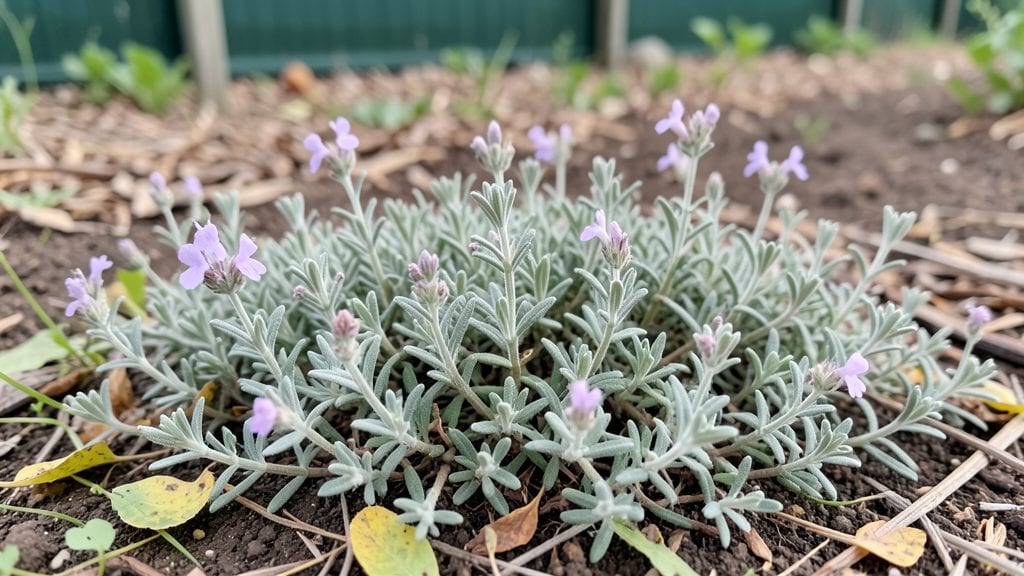
When thyme is flowering, it’s not just showing off—it’s telling you it’s thriving. 🌿 That delicate purple or white blossom isn’t a sign to cut it back, but a cue to adjust your care for more vibrant growth.
The flowers may look pretty, but they’re also energy drains, stealing nutrients from the leaves you actually want to harvest.
Here’s the thing—thyme flowers because it’s happy, but you can keep it blooming longer by pruning strategically. Snip just above a set of leaves after the flowers fade, and you’ll encourage fresh growth without sacrificing flavor. Too much pruning now? You’ll stunt the plant’s ability to rebound. Balance is key.
What you end up with is a thyme plant that stays lush and productive year-round. The leaves remain fragrant and tender, perfect for cooking, while the occasional bloom adds ornamental charm.
No need to remove every flower—just the ones that linger too long, sapping energy from the stems you’ll harvest from.
Works for culinary varieties like French or lemon thyme, as well as ornamental types. The same pruning rules apply whether you’re growing it in pots or garden beds. Let’s keep that thyme blooming and flavorful!
📚 In This Guide
- What you need
- Instructions
- Tips and common mistakes
- Wrapping up and next steps
What you need
- ● Hand pruners or shears: Sharp, clean pruners (bypass or anvil style) to make precise cuts. Size: 5-7 inches for easy handling.
- ○ Gloves: Heavy-duty gardening gloves (optional but recommended to protect hands from thorns or rough stems).
- ● Disinfectant (70% isopropyl alcohol or hydrogen peroxide): 2-3 sprays to sterilize tools between cuts and prevent disease.
- ○ Pruning saw (optional): For thicker, woody stems (rare in thyme but useful for established plants).
- ● Garden twine or rubber bands: Small rolls to bundle pruned branches for composting or mulching.
- ● Timing: Prune after flowering (late spring to early summer) or in early spring before new growth. Avoid pruning in fall or winter.
- ● Weather: Choose a dry, overcast day to reduce stress on the plant and lower the risk of fungal infections.
- ● Thyme variety: Know if your thyme is common thyme (Thymus vulgaris), creeping thyme (T. serpyllum), or another variety—pruning needs may vary slightly!
- ● Healthy plant check: Ensure your thyme is pest-free and disease-free before pruning. Look for yellowing leaves, spots, or wilting.
- ● Compost bin or bag: To recycle pruned stems into nutrient-rich compost.
- ● Plant food (balanced fertilizer, 10-10-10): A small bag to feed thyme after pruning (apply lightly in spring).
- ● Mulch (straw or wood chips): A 1-2 inch layer to retain moisture and protect roots.
- ● Notebook or camera: To track pruning dates and plant progress over time!
How to prune thyme when it starts flowering
Here's the simple pruning routine I use to keep thyme blooming all season long.
✂️ Step 1: Identify and Remove Old Wood
Start by examining your thyme plant closely. Look for woody stems that have turned brown or brittle—these are the first to go. I like to pinch off any stems that are thicker than a pencil; they've outlived their productivity. Use sharp pruning shears to cut just above a leaf node where new growth can emerge.
Don't worry about being too aggressive here—thyme is hardy and responds well to pruning. You'll see fresh green growth within a week if you've removed enough old wood. This step prevents the plant from becoming overcrowded and ensures energy goes to new blooms rather than maintaining dead stems.
✂️ Step 2: Trim Back Flower Stems
Once your thyme starts flowering, focus on the individual stems. Cut back the flower spikes to about 1/3 of their length using clean pruning shears. This encourages the plant to produce more side branches with flowers rather than letting it put all its energy into one long stem.
I always wait until at least half the flowers have opened before pruning—this gives you time to enjoy some blooms while still promoting future growth. After trimming, you'll notice new buds forming along the remaining stems within 2-3 weeks.
🌿 Step 3: Shape the Plant for Fullness
Now it's time to give your thyme a nice rounded shape. Using your fingers or small pruning shears, gently pinch back the tips of the outer growth. Focus on creating a bushier plant by encouraging side branches to grow. I like to work my way around the plant, cutting back stems that are growing too long or leggy.
Thyme grows best when it's well-aerated, so avoid over-trimming the center. You'll know you've done it right when the plant looks fuller and more compact. This shaping step is crucial for maintaining a healthy plant that continues flowering throughout the season.
⏰ Step 4: Maintain Regular Pruning Schedule
After your initial pruning, establish a routine of light trimming every 4-6 weeks during the growing season. This keeps your thyme looking tidy and encourages continuous blooming. I always prune just after flowering has finished to give the plant time to recover before the next flush of blooms.
In late summer, give thyme a final light trim to prepare for winter. Cut back any overly long stems but avoid heavy pruning. This helps the plant store energy for next season's growth. With consistent care, your thyme will reward you with beautiful flowers from spring through fall.
Tips & tricks for perfect thyme pruning
Here's what I've learned after years of keeping thyme blooming all season—these little details make a big difference.
Tool Tip: Always use clean, sharp pruning shears for thyme. Dull blades crush stems instead of cutting cleanly, which can damage the plant and invite disease. I keep a small pair dedicated just to herbs to avoid cross-contamination. Sterilize your shears with rubbing alcohol between plants if you're working with multiple varieties.
Timing Secret: The 2-3 week window after pruning flower stems is when thyme shows its resilience. You'll see new buds forming along the remaining stems—this is your plant's way of saying "thank you" for the trim. If you notice buds forming but no flowers, your plant might need more sunlight or nutrients. I often add a light layer of compost around this time to give it a boost.
Visual Cue: When shaping your thyme in Step 3, look for stems growing outward that are longer than others. These are the ones to pinch back first—they'll help create that lush, rounded shape. The goal is to encourage side branches to grow, not just let the plant grow tall and leggy. Think of it like giving your thyme a haircut that makes it look fuller at the top.
Seasonal Strategy: That final light trim in late summer is crucial for winter prep. Avoid cutting back more than 1/3 of the plant's height—this helps the roots store energy for next spring. I always do this after the first frost when the plant has slowed its growth naturally. It's like putting your thyme to bed with a cozy blanket of energy reserves.
Pro Tips for Thyme Is Flowering
- Here's what I've learned after years of keeping thyme blooming all season—these little details make a big difference.
- Tool Tip: Always use clean, sharp pruning shears for thyme.
- Timing Secret: The 2-3 week window after pruning flower stems is when thyme shows its resilience.
Frequently asked questions
Got questions about keeping thyme blooming all year? You’re not alone!
Here are answers to the most common queries about pruning, timing, and caring for flowering thyme—so you can enjoy those fragrant blooms without the guesswork.
When is the best time to prune flowering thyme for continuous blooms?
Prune thyme after it flowers in early summer (June–July) to encourage new growth and more blooms. Avoid heavy pruning in fall or winter, as thyme is semi-evergreen and needs energy to survive. A light trim in late winter (just before new growth starts) keeps it tidy without sacrificing flowers.
How much should I cut back thyme when pruning?
Never remove more than one-third of the plant at a time. For flowering thyme, aim to trim just above a set of leaves (about ¼ inch above) to promote bushiness. Use sharp shears to avoid tearing—thyme has woody stems that heal slowly. Pro tip: If your thyme looks leggy, prune in stages over a few weeks to reduce stress.
Why isn’t my thyme flowering this year?
Thyme may skip blooms due to over-pruning, poor sunlight (it needs 6+ hours of sun daily), or rich soil (too much fertilizer reduces flowering). Try moving it to a sunnier spot, cutting back on fertilizer, and pruning lightly in late spring. If it’s woody at the base, renew it by taking 3-inch cuttings in spring.
Can I grow thyme indoors and still get flowers?
Yes, but it’s tricky! Thyme needs bright light (a south-facing window or grow lights) to flower indoors. Use a small pot with well-draining soil and prune sparingly. If blooms are sparse, try moving it outside in summer for a boost. Warning: Avoid cold drafts—thyme is hardy but hates indoor temperature swings.
What’s the difference between pruning thyme for flowers vs. herbs?
For herb production, focus on harvesting leaves regularly and pruning lightly to encourage leafy growth. For flowers, wait until after blooming to prune, and avoid heavy cuts that remove flower buds. Thyme grown for both? Prune once yearly post-bloom and harvest leaves sparingly to balance needs.
Still stumped? Drop your thyme troubles below—we’re happy to help you coax those fragrant blooms back to life!
Wrapping up and next steps
Discovering how to keep thyme flowering year-round is all about timing, technique, and tender care! 🌿 Whether you’re trimming for health, fragrance, or beauty, the key is to prune strategically—lightly after blooms fade and more aggressively in early spring.
With these secrets in hand, your thyme won’t just survive; it’ll thrive, rewarding you with lush greenery and fragrant blooms season after season.
Ready to transform your garden? Grab your shears and get pruning! Start small—pick one patch to experiment—and watch your thyme flourish like never before. Happy gardening! 🌸