
Companion Plants
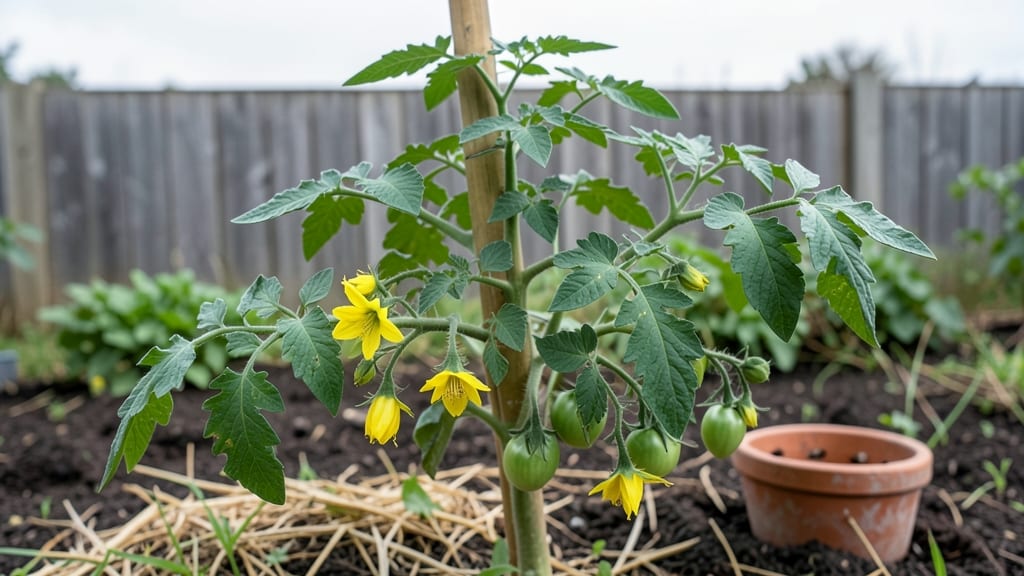
Growing tomato plants in flower pots turns tiny balconies into productive gardens. 🌱 I’ve packed more sun-ripened tomatoes into 5-gallon pots than my in-ground plot ever produced—and you can too, with the right spacing and care.
The secret lies in 5-gallon pots (minimum) filled with lightweight potting mix, not garden soil. Place them where they get 6+ hours of sunlight daily, and space plants 18-24 inches apart to prevent crowding.
Heavy pruning keeps air flowing, and a slow-release fertilizer every 6 weeks replaces nutrients faster than soil can.
By midsummer, you’ll be harvesting vibrant red tomatoes that taste fresher than store-bought. The key? Consistent watering (never soggy soil) and staking to support vines. Even pests like aphids stay manageable with neem oil sprays.
Works for cherry tomatoes, beefsteaks, or heirlooms—just adjust pot size for bigger varieties. Pro tip: Rotate pots weekly for even sun exposure. Ready to turn your balcony into a tomato powerhouse?
📚 In This Guide
- What you need
- Instructions
- Tips and common mistakes
- Wrapping up and next steps
What you need
- ● Flower pots: 5-gallon containers (minimum) with drainage holes—one per tomato plant (or 3-gallon pots for dwarf varieties). Opt for lightweight materials like fabric or plastic for easy moving.
- ● High-quality potting mix: A sterile, well-draining blend (avoid garden soil). Look for labels with "organic matter" or "tomato-specific" mixes. ~5-10 lbs per pot, depending on size.
- ● Tomato seedlings or seeds: Seedlings: 1-2 healthy plants per pot (choose determinate varieties like 'Tiny Tim' or indeterminate types like 'Sungold' for pots).
- ● Seeds: Start indoors 6-8 weeks before last frost, or use pre-sprouted seeds.
- ● Fertilizer: Balanced starter fertilizer (e.g., 10-10-10) to kickstart growth.
- ● Slow-release tomato fertilizer (e.g., Osmocote) or liquid feed (like fish emulsion) for ongoing nutrition.
- ● Gloves & trowel for planting and soil prep.
- ● Support system: Cages, stakes, or trellises (especially for indeterminate varieties). Height varies—aim for 5-6 ft for vining types.
- ● Mulch: Straw or shredded leaves to retain moisture and suppress weeds.
- ● Watering can or hose with a gentle nozzle (avoid overhead watering to prevent disease).
- ○ pH test kit (optional but helpful)—tomatoes thrive in 6.0-6.8 pH.
- ○ Companion plants: Optional but fun! Pair with basil, marigolds, or lettuce to deter pests and boost growth.
- ● 💡 Pot depth matters: Deeper pots (12"+) encourage stronger root systems for larger plants.
- ● 🌡️ Warmth is key: Tomatoes love heat—place pots in full sun (6+ hours/day) and protect from frost.
- ● ✨ Drainage is non-negotiable: Elevate pots on saucers or feet to prevent root rot.
Step-by-Step instructions for growing tomato plants in flower pots
Here's how I transform small balconies into productive tomato gardens using just pots and smart spacing.
🪴 Step 1: Select the Right Containers and Soil Mix
Choose 5-gallon or larger pots for each plant—tomatoes need room for roots to spread and hold moisture. I use terra cotta containers because they wick away excess water, preventing root rot. Drill 4-6 drainage holes in the bottom if they don't already have them, then line the holes with caulk or mesh to keep soil from washing out.
Fill pots with a sterile potting mix blended with 20% perlite or vermiculite for aeration. Avoid garden soil—it compacts and suffocates roots. I mix in a slow-release fertilizer (5-10-5 ratio) at planting time to feed the plants for 6-8 weeks. Moisten the mix until it feels like a damp sponge, but not dripping wet.
🌱 Step 2: Plant Transplants at the Right Depth and Stagger Spacing
Dig a hole twice as wide as the root ball but only as deep as the plant's first set of leaves. This encourages roots to grow outward instead of circling. Gently remove the tomato from its nursery pot and loosen any tangled roots with your fingers—this prevents root-bound shock. Place the plant in the hole so the top of the root ball sits ½ inch below the pot's rim.
For 4 plants in a balcony setup, space pots 18-24 inches apart in a grid pattern. This gives each plant enough airflow to prevent disease while maximizing sunlight exposure. I plant one variety per pot to avoid competition—each tomato type has different growth habits and needs.
☀️ Step 3: Position for Maximum Sunlight and Wind Protection
Tomatoes need 6-8 hours of direct sunlight daily, so place pots where they'll get full morning sun and afternoon shade if your climate runs hot. A south-facing balcony works best, but west-facing spots need afternoon shade cloth on hot summer days. I rotate pots a quarter turn weekly so plants grow evenly toward the light.
Protect plants from strong winds—they can snap stems or dry out soil too quickly. Place pots near a railing or wall to act as a windbreak. If your balcony gets high winds, stake plants immediately and tie them to 3-foot bamboo stakes with soft twine to prevent flopping.
💧 Step 4: Water Deeply and Train for Compact Growth
Water deeply every 2-3 days until water runs freely from the drainage holes—this encourages roots to grow downward. I use a watering can with a narrow spout to direct moisture to the soil, not the leaves, which prevents fungal diseases. Let the top 1-2 inches of soil dry out between waterings to avoid soggy roots.
Pinch off succession flowers (small flower clusters that form below the main ones) to redirect the plant's energy into larger, more productive fruit. When the main stem reaches 3-4 feet tall, prune the top set of leaves just above a leaf cluster with 3-4 leaves. This forces the plant to grow side shoots, which will produce more tomatoes.
✂️ Step 5: Prune and Harvest for Continuous Production
Every 7-10 days, remove suckers (the small shoots that grow in the "V" between the main stem and a side branch). These compete with fruit for energy. Use your fingers to gently twist them off—no need for pruners. Keep 2-3 main branches per plant for better air circulation and larger fruit size.
Harvest tomatoes when they're fully colored and slightly soft to the touch. Use scissors or pruners to cut stems—never pull fruit off, as this can damage the plant. I pick every 2-3 days during peak season to encourage more production. Store harvested tomatoes at room temperature (not in the fridge) to preserve flavor and texture.
Tips & tricks for perfect tomato plants in flower pots
Transforming your balcony into a thriving tomato garden takes more than just pots—it's about the little details that ensure your plants grow strong and productive.
Container Selection: While 5-gallon pots are ideal, don't overlook the benefits of self-watering containers if you're prone to forgetting watering schedules. These maintain consistent moisture levels, which is especially helpful during hot summer days when your plants need 6-8 hours of direct sunlight daily. For terra cotta pots, consider adding a layer of landscape fabric at the bottom before the drainage holes to prevent soil from washing out while still allowing excess water to escape.
Soil Mix Strategy: The 20% perlite or vermiculite in your soil mix isn't just for aeration—it also helps maintain the right moisture balance. I've found that adding a handful of composted cow manure to each pot at planting time gives an extra nutrient boost without overwhelming the plants. This works particularly well with the 5-10-5 ratio slow-release fertilizer you're already using.
Pruning Precision: When pruning those succession flowers in Step 4, focus on removing only the small clusters that form below the main flowers. These compete for energy that could be going toward your main fruit. I also recommend keeping your pruners clean with rubbing alcohol between cuts to prevent spreading any potential diseases between plants. The goal is to maintain 2-3 main branches per plant while encouraging those productive side shoots.
Harvesting Technique: That slight softness you're checking for when harvesting isn't just about ripeness—it's also an indicator of flavor development. I've noticed that tomatoes harvested at this stage have the best balance of sweetness and acidity. Always use clean scissors or pruners to avoid damaging the plant, and make your cuts at a 45-degree angle just above a leaf node to encourage even more fruit production.
Pro Tips for Tomato Plants In Flower Pots
- Transforming your balcony into a thriving tomato garden takes more than just pots—it's about the little details that ensure your plants grow strong and productive.
- Container Selection: While 5-gallon pots are ideal, don't overlook the benefits of self-watering containers if you're prone to forgetting watering schedules.
- Soil Mix Strategy: The 20% perlite or vermiculite in your soil mix isn't just for aeration—it also helps maintain the right moisture balance.
Frequently asked questions
Got questions about growing tomato plants in flower pots? You’re not alone! Here are some of the most common queries—and their practical solutions—to help your balcony garden thrive.
What’s the best pot size for tomato plants?
For determinate (bush) tomatoes, aim for 5-gallon pots (12–15 inches deep). Indeterminate (vining) varieties need at least 10–15 gallons (18+ inches deep) to support their growth. Larger pots = more stability and fewer harvests per season. Pro tip: Use self-watering pots to retain moisture!
When should I transplant tomato seedlings into pots?
Wait until after the last frost (when night temps stay above 50°F/10°C) and your seedlings have 3–4 true leaves. Harden them off for 5–7 days first—place them outside in shade for a few hours daily. Timing matters: Transplant in the morning to reduce stress!
Can I grow tomatoes in flower pots with other plants?
Yes! Try companion planting with:
- Basil ( repels pests)
- Marigolds ( deters nematodes)
- Onions/garlic ( keeps aphids away)
Why aren’t my potted tomatoes fruiting?
Check these fixes:
- Pollination: Gently shake plants or use a small brush to transfer pollen if bees are scarce.
- Sunlight: Tomatoes need 6–8+ hours of direct sun daily. Move pots if they’re in shade.
- Watering: Keep soil consistently moist (not soggy). Drought stress = dropped flowers.
- Nutrients: Feed with a balanced fertilizer (10-10-10) every 2–3 weeks once flowering starts.
What can I do with leftover space after harvesting?
Don’t let empty pots go to waste! Try these fast-growing successors:
- Leafy greens: Lettuce, spinach, or kale (harvest in 30–50 days).
- Peppers: Transplant seedlings after tomatoes are done.
- Herbs: Cilantro, dill, or parsley thrive in leftover soil.
Wrapping up and next steps
Growing tomato plants in flower pots is a rewarding way to bring fresh, homegrown flavor to your balcony—no yard required! With the right spacing, companion plants, and care, your container garden can thrive and even boost yields.
Start small, experiment with varieties, and don’t forget to enjoy the process—every ripe tomato is a little victory 🌱!
Ready to level up your balcony harvest? Grab your pots, pick a sunny spot, and plant your first seeds or seedlings this weekend. Happy gardening!