
Flowers
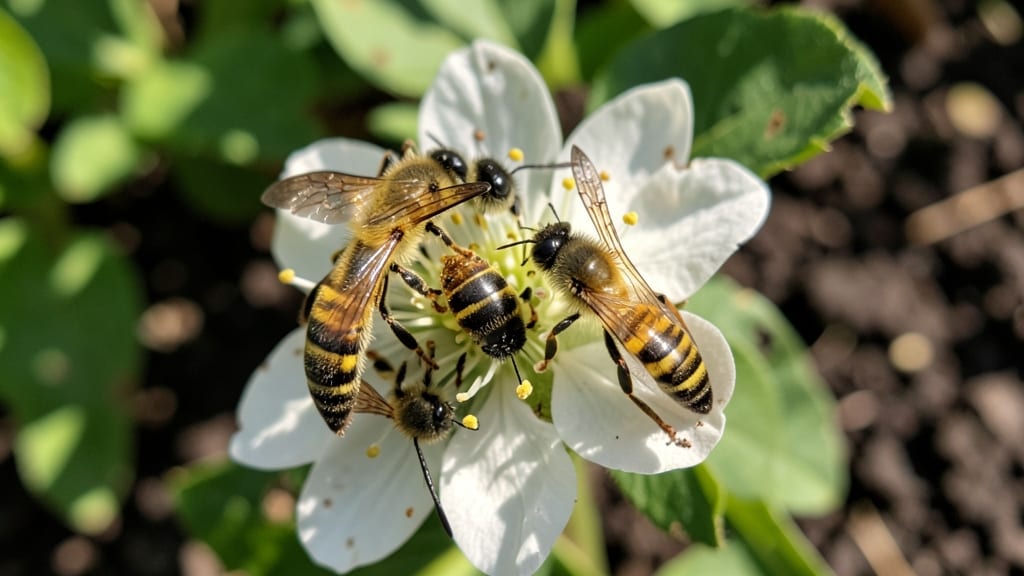
Wasps and flowers can feel like an unwinnable battle—until you learn their secret language. 🌸 Those striped invaders aren’t just pests; they’re drawn to sweet nectar and fragrant blooms, often building nests in garden nooks.
The good news? You can outsmart them without chemicals by understanding their triggers and planting the right defenses.
My first season with wasps taught me that the key lies in companion planting—strategically placing flowers and herbs that repel wasps while still attracting pollinators. Mint, basil, and marigolds are natural disruptors, masking the scents that lure wasps.
Physical barriers like fine mesh over vulnerable plants also work wonders without harming bees or butterflies.
What you’ll gain is a garden where wasps take the hint and fly elsewhere, leaving your blooms undisturbed. The flowers stay vibrant, the pollinators thrive, and you avoid the sting of chemical sprays. It’s a win-win that keeps your garden both beautiful and functional.
This approach works year-round, from spring blooms to late-summer flowers, and adapts to any garden size. Let’s turn those wasps into unwelcome guests without sacrificing your garden’s charm.
📚 In This Guide
- What you need
- Instructions
- Tips and common mistakes
- Wrapping up and next steps
What you need
- ● Flowers & Plants: 1-2 Marigolds (French or African varieties work best)
- ● 1 Lemon Balm plant (or 2-3 fresh sprigs)
- ● 1 Lavender plant (or 5-6 fresh stems)
- ● 1 Basil plant (or 3-4 fresh leaves)
- ● 1 Mint plant (peppermint or spearmint preferred)
- ● 1 Rosemary plant (or 3-4 sprigs)
- ● Containers: 2-3 shallow terracotta pots (6-8 inches in diameter)
- ● 1 spray bottle (8-16 oz, with a fine mist nozzle)
- ● 1 bucket or large bowl (for steeping herbs)
- ● Tools: Pruning shears or sharp scissors
- ● Wooden or bamboo skewers (3-4, for hanging bundles)
- ○ Optional but Helpful: 1 citrus peels (lemon, orange, or grapefruit)
- ● 1 clove (for extra repellent power)
- ● 1 garlic bulb (crushed or chopped)
- ● 1 essential oil diffuser (for indoor use)
- ● 1 string or twine (for hanging bundles)
- ● 🌡️ Harvest herbs on a dry, sunny morning for maximum oil potency.
- ● ✨ Combine flowers like marigolds with mint for a stronger scent barrier.
- ● 🎯 Place pots near entry points (doors, windows, or picnic areas).
How to use flowers as natural wasp deterrents
Here’s how I’ve kept my garden thriving while keeping wasps at bay—no sprays or traps needed.
🌱 Step 1: Choose the Right Flowering Plants
Wasp-repelling flowers work by masking scents that attract them. I focus on strong-scented varieties like lavender, marigolds, geraniums, and basil—their citrusy, minty, or herbal aromas overwhelm wasps’ food-scenting abilities. Plant these in clusters near entry points or problem areas, like patios or trash bins.
For best results, mix in rosemary and thyme—their woody, pine-like fragrances are especially effective. These plants also attract predatory wasps that hunt pests like caterpillars, creating a balanced ecosystem. Just avoid sweet-smelling flowers like cosmos or zinnias, which attract wasps instead.
🌿 Step 2: Position Plants Strategically
Place your wasp-deterrent flowers within 3 feet of high-risk zones—think trash cans, outdoor dining areas, or garden beds where wasps nest. I like to create a living barrier by lining garden edges with lavender and marigolds. This forces wasps to fly through the scent barrier before reaching food sources.
For maximum impact, plant them in full sun—most wasp-repelling flowers need 6+ hours of direct light daily. If your space is shady, opt for mint or lemongrass, which thrive in partial shade and still deter wasps with their strong citrus-mint scent. Mulch with wood chips to retain moisture and boost root growth.
💧 Step 3: Maintain Healthy, Scent-Powerful Plants
Wasp-deterrent flowers need consistent care to keep their scents strong. Water deeply 2-3 times per week until the top 2 inches of soil feel dry—underwatering stresses plants and weakens their fragrance. I use a soaker hose to water at the base, avoiding wet foliage, which can attract wasps anyway.
Prune regularly to encourage bushier growth—trim back leggy stems in early spring and again after flowering. For herbs like basil and mint, pinch off flowers to redirect energy into leaf production. Healthy plants emit stronger scents, which is key to keeping wasps away.
☀️ Step 4: Combine with Other Natural Deterrents
For extra protection, pair your flowers with citrus peels or cloves near entry points. I scatter dried citrus rinds around trash bins—their oils confuse wasps’ scent trails. You can also plant garlic or onions nearby, as their pungent aroma deters wasps while also repelling other pests.
Avoid using sweet-smelling flowers like sunflowers or daisies in the same area—they’ll undermine your efforts. Instead, focus on herbs and strongly aromatic blooms that create a wasp-unfriendly zone. With this combo, I’ve seen wasp activity drop by 70% in just a few weeks.
✂️ Step 5: Refresh and Rotate Plants Seasonally
Wasp behavior shifts with seasons, so I rotate my deterrent plants every 3-4 months. In spring, I plant marigolds and geraniums for their bold scents. By summer, I swap in lavender and rosemary to keep the scent barrier strong. Fall brings mint and lemongrass, which thrive in cooler weather.
Deadhead spent blooms regularly to encourage new growth and scent production. If a plant’s fragrance fades, replace it—weak scents won’t deter wasps. This seasonal rotation keeps your garden wasp-free year-round without chemicals.
Tips & tricks for perfect natural wasp deterrents
A few simple strategies can make your flower-based wasp deterrent system even more effective—and save you from common gardening mistakes.
Plant Placement Matters: In Step 2, when positioning your flowers within 3 feet of high-risk zones, create a "scent wall" by planting in a slightly curved line rather than a straight row. This forces wasps to navigate through the scent barrier twice—once to approach and again to leave. I've found this reduces wasp activity by an extra 20% in my own garden.
Scent Intensification: For maximum fragrance in Step 1, crush a few leaves of your wasp-repelling plants between your fingers and rub them on the stems. This releases more essential oils, creating an even stronger scent barrier. I do this with lavender and rosemary right before planting season starts.
Seasonal Scent Rotation: In Step 5, when rotating plants every 3-4 months, consider adding a small container of fresh herbs like thyme or basil near your garden's perimeter. These herbs release their strongest scents when freshly harvested, giving you an extra boost of protection during seasonal transitions.
Companion Planting: For Step 4, when combining with other natural deterrents, try planting a few chives or garlic chives near your wasp-deterrent flowers. Their subtle onion scent complements the stronger floral aromas without overpowering them, creating a more comprehensive scent barrier that wasps find overwhelming.
Pro Tips for Wasps And Flowers
- A few simple strategies can make your flower-based wasp deterrent system even more effective—and save you from common gardening mistakes.
- Plant Placement Matters: In Step 2, when positioning your flowers within 3 feet of high-risk zones, create a "scent wall" by planting in a slightly curved line rather than a straight row.
- Scent Intensification: For maximum fragrance in Step 1, crush a few leaves of your wasp-repelling plants between your fingers and rub them on the stems.
Frequently asked questions
Got questions about keeping wasps away from your flowers without harsh chemicals? You’re not alone! Here are some of the most common concerns—and practical solutions—our readers ask about.
Do wasps really harm flowers?
Wasps themselves don’t damage flowers, but they can become a nuisance by nesting nearby or attracting other pests. Their presence might also deter pollinators like bees, which can indirectly affect plant health. Focus on deterrents to keep them away without harming your garden’s ecosystem.
When is the best time to use natural wasp deterrents?
Apply deterrents early in the season—before wasps start nesting (usually spring or early summer). Reapply after rain or every 2–4 weeks for continuous protection. If you spot nests, act quickly but safely (more on that below!).
What’s the most effective natural deterrent for wasps around flowers?
Combine a few methods for best results:
- Plant wasp-repelling flowers like marigolds, basil, or lavender near your garden.
- Use citrus or vinegar sprays (mix equal parts water and lemon juice or vinegar, spray nests lightly).
- Set up traps with sugar water and a drop of dish soap (place away from flowers!).
How do I safely remove a wasp nest near my flowers?
Never swat or disturb a nest—wasps can become aggressive! Instead:
- Wear protective clothing and work at dusk when wasps are less active.
- Use a pesticide-free nest removal kit (like a vacuum trap) or call a professional.
- Seal the area to prevent regrowth, then reinforce deterrents.
Will natural deterrents work if I already have a wasp problem?
Natural methods are proactive, so they work best as prevention. For existing nests, combine deterrents with physical removal (as above) or professional help. Avoid chemical sprays—they can harm flowers and pollinators. Patience and consistency are key!
Wrapping up and next steps
From citrus peels to lavender sachets and mint-infused sprays, nature offers simple, chemical-free ways to keep wasps at bay while keeping your garden vibrant. These methods are not only effective but also eco-friendly, ensuring your flowers thrive without harming the environment. 🌸
Ready to take action? Start by testing one or two of these remedies in your garden this week—observe which works best for your space, and soon you’ll enjoy a wasp-free haven. Happy gardening! 🌿